REVIEW · QUEBEC CITY
A Taste of History Walking Tour
Book on Viator →Operated by Cicerone Tours · Bookable on Viator
Quebec City tastes better with a story. This 3-hour walking tour threads New-France history through Old Quebec landmarks, then pays you back with three tastings along the way. You’ll cover the city on foot with a small group and a guide who connects the place names to the people who lived there.
I especially like the small-group feel (max 15) and the fact that you’re not just staring at buildings—you’re stopping for real meals and drinks in between the history stops. I also like that it’s built for first-timers: your route lands on the core “I’m really here” sites without turning the afternoon into a scavenger hunt.
The main thing to consider is that this is a history-forward walk. If your top priority is tons of food volume, you may feel the pace is more about stories plus smaller tastings, with restaurant time that can feel brisk.
In This Review
- Key Highlights You’ll Actually Feel
- A Taste of History Walking Tour in Quebec City: The Real Idea
- Price and What $71.35 Gets You (And Why It’s Fair)
- Start at Place d’Armes: A Storytelling Opening Instead of a Random Walk
- Hébert Family Legends at Parc-Montmorency and a Step Back to the 1600s
- Notre-Dame de Québec Basilica Cathedral: A Big Stop Without Big Ticket Costs
- Bistro Hortus, Le Clan, La Buchette: Where the Tastings Do the Talking
- Bistro Hortus (Tasting #1)
- Le Clan (Tasting #2)
- La Buchette (Tasting #3)
- The Cultural Stops: Literature, Heritage, and Who Built the City
- Terrasse Dufferin and Au 1884: Views, Then a Sweet Finish
- What to Expect on the Ground: Pace, Walking, and Weather
- Guides in Character: Why It Matters More Than You Think
- Should You Book This Tour?
- FAQ
- How long is A Taste of History Walking Tour?
- What’s the meeting point and end point?
- Is the tour in English?
- What’s included in the ticket price?
- Are there any entrances that are not included?
- Is there alcohol on the tour?
- Can you accommodate food allergies or intolerances?
- How many people are in the group?
- Does the tour run in bad weather?
- What fitness level do you need?
Key Highlights You’ll Actually Feel
- Small group size (up to 15) keeps the walk personal and question-friendly
- Three included restaurant tastings plus snacks and alcoholic beverages
- Quick hits at major Old Quebec landmarks like Notre-Dame de Québec Basilica Cathedral (entry not included)
- A route that follows the threads of New France, then the English colonial era
- Finishes with a sweet stop at Au 1884, plus big waterfront views from Terrasse Dufferin
- Designed for moderate physical fitness and works in all weather (dress for it)
A Taste of History Walking Tour in Quebec City: The Real Idea
This tour is built for people who want their Quebec City afternoon to do two jobs at once: get oriented fast and eat local while you’re learning why the city looks the way it does.
You’re out for about three hours starting at 3:00 pm, meeting at 12 Rue Sainte-Anne and ending at Dufferin Terrace (Rue des Carrières). That timing is great because you’re not fighting the hottest midday crowds, and you still get those golden-hour views over the St. Lawrence by the end.
The biggest value for me is the format. Rather than “history lecture, maybe snack later,” it mixes short landmark stops with meal breaks at places you’d likely skip on your own.
You can also read our reviews of more walking tours in Quebec City

Price and What $71.35 Gets You (And Why It’s Fair)
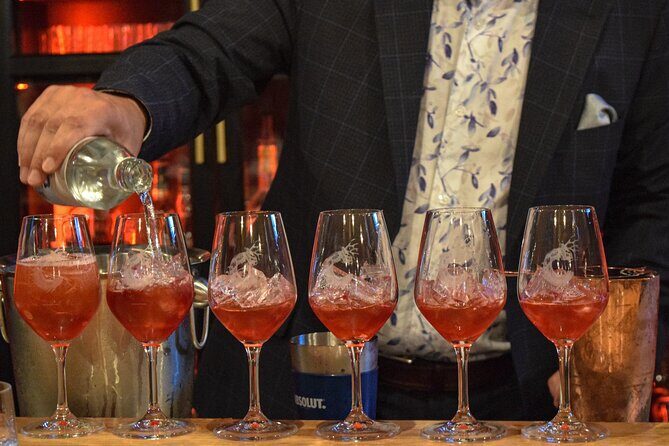
At $71.35 per person, you’re paying for more than a guided walk. The price covers:
- A local professional guide
- All taxes, fees, and handling charges
- Snacks
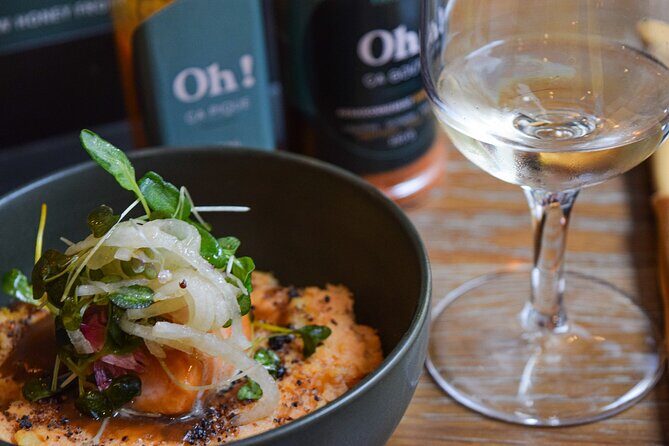
- Three included food tastings
- Alcoholic beverages
- A mobile ticket
That matters because restaurant tastings can quietly get expensive when you order full dishes. Here, you’re sampling multiple stops across the afternoon rather than paying one big bill at one place.
Also, the tour caps at 15 travelers, which tends to keep service smoother at restaurants and makes it easier for the guide to keep pace with questions. When you combine that group size with multiple paid tastings, the cost-to-experience ratio starts to look reasonable—especially for first-time visitors.
Start at Place d’Armes: A Storytelling Opening Instead of a Random Walk
You begin at Place d’Armes, where you get introduced to a character who guides you through the flavors of Quebec’s terroir and ties it to how his story in New-France began.
This opening stop is short (about 10 minutes), but it sets the tone. Instead of launching into dates and names, you’re primed to notice how the city’s history shows up in food culture—ingredients, preservation habits, and the way communities formed.
Practical tip: if you like asking questions early, this is the best moment. Guides have the most momentum at the start and can steer you toward what to look for as you walk.
Hébert Family Legends at Parc-Montmorency and a Step Back to the 1600s
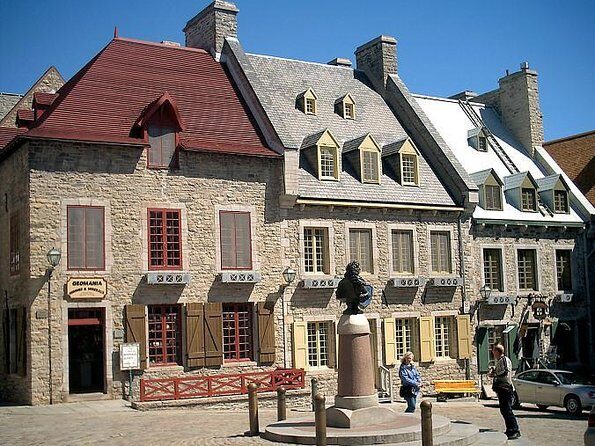
Next you head to the National Historic Site of Canada at Parc-Montmorency, linked to the Hébert family in New France. This is another quick stop (around 10 minutes) where you’re learning how families and settlement patterns shaped everyday life.
Then comes the Seminaire du Québec, where you’ll enter the courtyard and jump back into the 17th century (about 5 minutes). It’s a compact stop, but courtyards do a lot of work: they make the past feel physical, not abstract.
Why I think this pairing works: you get both the “people story” (the Héberts) and the “institution story” (the seminary). In Quebec City, that blend helps you understand why religion, education, and community life are such visible themes.
Notre-Dame de Québec Basilica Cathedral: A Big Stop Without Big Ticket Costs
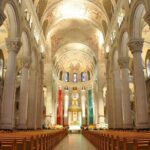
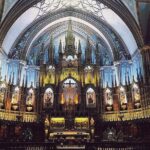
You’ll also stop at Notre-Dame de Québec Basilica Cathedral (about 5 minutes). The background is clear: after the founding of the parish of Notre-Dame de Québec by Monseigneur de Laval, Catholicism became part of settlers’ daily rhythm.
One important practical detail: admission is not included. So you should think of this as a guided exterior visit or a quick look unless you choose to pay separately on your own time.
If you’re the type who loves architecture, arrive ready to look up. Even with a short stop, the building’s presence tends to anchor your mental map of Old Quebec.
You can also read our reviews of more historical tours in Quebec City


Bistro Hortus, Le Clan, La Buchette: Where the Tastings Do the Talking
This is the “you came for food” part of the tour—and it happens in three main chunks.
Bistro Hortus (Tasting #1)
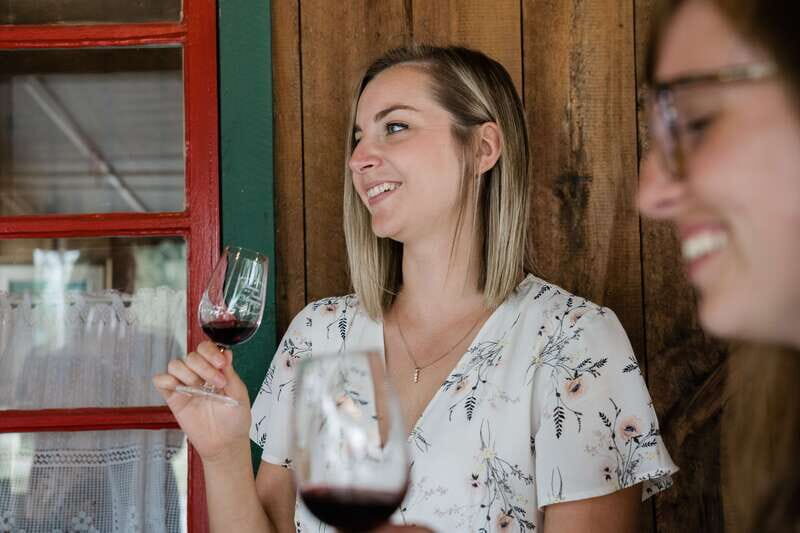
Your first restaurant stop lasts about 25 minutes at Bistro Hortus, with admission included. This is where you start to connect flavors to the history you just heard.
What to expect: sampling rather than full ordering. The goal is to let you taste Quebec terroir without turning your afternoon into a food coma.
Le Clan (Tasting #2)
Next you go to Restaurant Le Clan (about 25 minutes). Admission is included, and this is your second tasting.
From what the guides tend to do well, this stop is often where conversations shift. You’ll hear history, sure—but you’ll also get restaurant context: how dishes relate to local ingredients and why the place fits the story.
La Buchette (Tasting #3)
Your final restaurant tasting is at La Buchette (about 25 minutes), also included. By this point, you’ve usually walked enough to actually be hungry, so the tastings land better.
A balanced expectation: some people love that the tour is a mix of history plus food, while others wish there were more tasting time. If you’re picky about food quantity, go in knowing this is still a walking tour with tastings, not a full-on sampling binge.
Also, since alcoholic beverages are included, consider pacing yourself. You want to enjoy the later sights, not just survive them.
The Cultural Stops: Literature, Heritage, and Who Built the City
Between tastings, you’ll get cultural context at several sites—mostly quick stops that help you understand how Quebec City became a mix of French and English legacies.
You’ll pass by Maison de la littérature and learn about the Institut Canadien de Québec and the Maison de la littérature’s mission to spotlight Quebec’s literary heritage and encourage current creation. Admission is not included, so it’s best for learning through the guide’s explanation rather than expecting a long museum-style visit.
Then you’ll hear about the Morrin Centre, a nationally recognized heritage site reflecting four major periods of Quebec City history, including the French- and English-language communities that contributed to its patrimony. Admission is not included.
After that, you stop at the Cathedral of the Holy Trinity, noted for being the first Anglican cathedral built outside the British Isles after New France became a British colony. Again, admission is not included, but the guide’s framing makes it an important “turning point” moment in the story.
Finally, there’s the Pole Culturel du Monastere des Ursulines, linked to the Ursulines of Québec, who helped found the first school for girls in New France. Admission is not included here too, but it’s a meaningful stop if you’re curious about education and women’s roles in early Quebec society.
Terrasse Dufferin and Au 1884: Views, Then a Sweet Finish
You end with classic Quebec City payoff.
First, you get a brief stop at Terrasse Dufferin (about 5 minutes) for views over the St. Lawrence River and the Château Frontenac. It’s the kind of photo moment that helps you lock the whole walk into one clear mental picture.
Then you finish at Au 1884 with a sweet note (about 10 minutes). Admission is included here, and it’s a smart final move: after you’ve tasted savory dishes, a sweet stop is easy on the stomach and feels like a real ending to the story.
What to Expect on the Ground: Pace, Walking, and Weather
This is a walking tour, and the route includes some uphill feel. Reviews back that up, so I’d treat this as a moderate-fitness afternoon, not a stroll.
Also, it runs in all weather conditions, so you need to dress for Quebec seasons. If it’s cold, rain, or windy, being uncomfortable for long minutes at outdoor landmarks can spoil the fun fast.
Two other practical notes:
- Service animals are allowed
- Children must be accompanied by an adult
And if you have dietary needs, don’t wing it. The tour asks you to indicate food allergies and/or intolerances in the chat after confirming your reservation so the tastings can be handled appropriately.
Guides in Character: Why It Matters More Than You Think
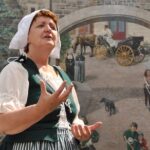
A lot of walking tours give you facts. This one tends to lean into storytelling: some guides describe the history through character-style narration and keep connecting the sites to how food culture developed.
You may hear approaches like period storytelling from guides such as Jonathan, Yves, Louis, Charles T, Chantal, Bernard, and others described as bringing energy and strong site-to-story connections. I wouldn’t count on a specific style from any single name, but I’d count on the guide being able to answer questions and keep things moving.
If you love history but hate feeling stuck in one place, the format helps. You get a short “chapter,” then you move, taste, and reset.
Should You Book This Tour?
Book it if:
- You want Old Quebec orientation plus food in one afternoon
- You like guides who make the 1600s and colonial shifts feel connected to real life
- You’re happy with three tastings plus drinks, not unlimited full-dish meals
- You prefer a small group (max 15)
Skip it or consider another option if:
- You’re strictly food-focused and want longer restaurant time or a heavier tasting schedule
- You don’t want political or colonial-era discussion threaded into the story
- You’re expecting a tour that covers every part of Quebec City beyond the core Old Town landmarks
If you’re doing just one paid activity in Old Quebec, this is a solid pick—because the structure gives you both the “wow, I get this city now” feeling and the “I ate like a local” payoff before dinner.
FAQ
How long is A Taste of History Walking Tour?
It runs for about 3 hours.
What’s the meeting point and end point?
You meet at 12 Rue Sainte-Anne, Québec, QC G1R 3X3, Canada, and the tour ends at Dufferin Terrace (Rue des Carrières), Québec, QC G1R 5J5, Canada.
Is the tour in English?
Yes, it’s offered in English.
What’s included in the ticket price?
The tour includes food tastings, snacks, alcoholic beverages, a local professional guide, and all taxes, fees, and handling charges. It also uses a mobile ticket.
Are there any entrances that are not included?
Yes. Notre Dame De Quebec Basilica Cathedral admission is not included, and several other cultural/heritage stops also note admission as not included.
Is there alcohol on the tour?
Yes. Alcoholic beverages are included.
Can you accommodate food allergies or intolerances?
You should indicate your food allergies and/or intolerances in the chat after confirming your reservation.
How many people are in the group?
The tour has a maximum of 15 travelers.
Does the tour run in bad weather?
Yes. It operates in all weather conditions, so you’ll want to dress appropriately.
What fitness level do you need?
The tour asks for a moderate physical fitness level since it’s a walking experience.