REVIEW · QUEBEC CITY
Quebec City Walking Tour
Book on Viator →Operated by Tours Voir Quebec · Bookable on Viator
Old Québec rewards you fast. This small-group walking tour packs major sights and smart stories into about two hours, starting in the Upper Town and flowing downhill toward the funicular.
You’ll get a true sense of how Québec City grew from 1608 to today, with stops across both Lower Town and the fortified core. The guide’s commentary makes the streets feel less random and more purposeful, including why walls mattered so much here.
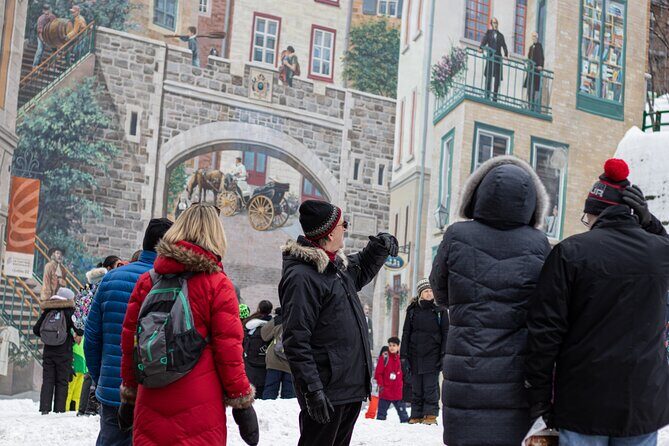
One thing to keep in mind: you’re outside for a lot of the route, and it runs in all weather. In winter, cold can turn “fun history” into “why are my hands frozen,” so plan clothing for real walking time.
In This Review
- Key highlights worth your attention
- The two-hour route that makes Old Québec click
- Starting at Tours Voir Québec: right across from Château Frontenac
- The Upper Town warm-up: Champlain to Terrasse Dufferin
- Ursulines, Holy Trinity, and the church courtyards that shape the streets
- Hotel de Ville and Séminaire du Québec: walking “inside” the 18th century feeling
- Fortifications, Citadelle, and Notre-Dame-des-Victoires: why the city walls still matter
- Place Royale to Petit-Champlain: from birthplace to the most walkable charm
- Why the guide (and their humor) changes everything
- Price and value: what $30.29 really buys you
- Weather, pace, and the comfort tricks that matter
- Should you book the Québec City Walking Tour?
- FAQ
- How long is the Quebec City walking tour?
- Where does the tour start and end?
- Is the tour offered in English?
- How many people are in the group?
- What sites will I see during the walk?
- Is admission included?
- Does the tour run in bad weather?
- What fitness level do I need?
- Can I cancel and get a refund?
Key highlights worth your attention
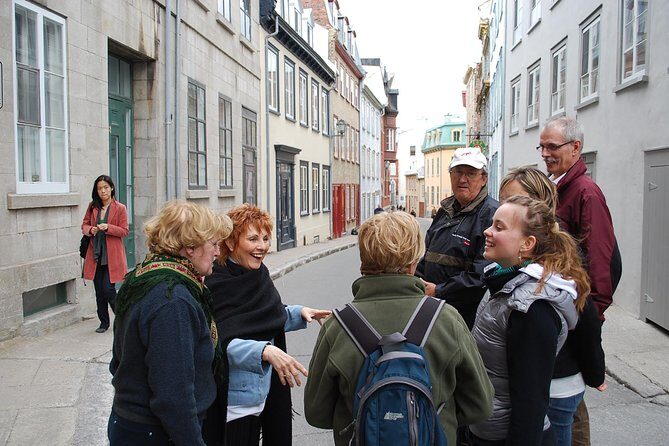
- Small group cap (15 travelers) keeps the tour feeling personal and easier to hear
- Downhill Upper Town to Lower Town flow helps you build a mental map quickly
- Courtyard and chapel moments like the Ursulines monastery area (if open)
- Frontenac viewpoints and terraces along the way, including Terrasse Dufferin
- Place Royale to Petit-Champlain finish gets you from the origin story to the most charming street vibe
- Winter comfort options such as indoor stops and hand/toe warmers sold at check-in
The two-hour route that makes Old Québec click
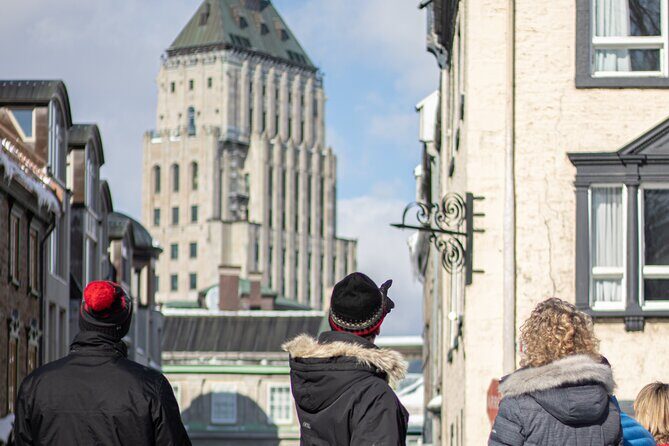
If you’ve got limited time, this tour is built for orientation. You start up high near the Château Frontenac area, then walk downhill through the historic heart, so by the end you understand where the views, churches, forts, and lively streets fit together.
I like that it isn’t just photo stops. The guide connects the dots between the defense system, the daily life in a fortress city, and the way “French America” took shape here.
You also won’t feel stuck repeating directions later. After this, it’s easier to choose where to wander next, whether you’re chasing viewpoints, museums, or that sweet corner café energy.
You can also read our reviews of more walking tours in Quebec City


Starting at Tours Voir Québec: right across from Château Frontenac
Your tour begins at Tours Voir Québec, inside the Quebec Tourist Information Centre at 12 rue Ste-Anne, across the park from Château Frontenac. It’s a practical meeting spot because you’re right where first-time orientation should start: close to the major landmark most people come to see.
You’ll get going with a licensed guide and a running commentary as you walk. And because the tour uses a mobile ticket, it’s simpler than fumbling with paper while you’re trying to stay with the group.
There’s a specific stop right at the start area (a short stop with an admission ticket included), which helps the tour feel like it gets moving immediately rather than spending your best energy just lining up.
The Upper Town warm-up: Champlain to Terrasse Dufferin
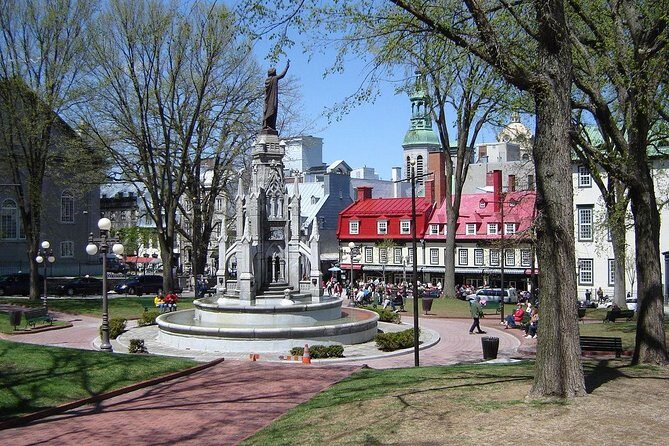
Early on, you’ll stop near the Monument Samuel de Champlain, a quick anchor point for the city’s origin story. It’s one of those “okay, now I get why people care about this place” moments, because Champlain is the name that ties the whole timeline together.
Then you head into Terrasse Dufferin, the broadwalk where the Château Frontenac looms above you. The value here isn’t only the view—it’s learning what you can actually see from that vantage point, so the next time you’re in a similar spot you’ll understand the layout instead of just admiring it.
If you like city views with context, this segment does the job. If you hate cold mornings and your plans don’t include layers, it can feel longer than it is—bring warmth so you can enjoy the scenery rather than just survive it.
Ursulines, Holy Trinity, and the church courtyards that shape the streets
As you continue through the historic zones, you pass by the Monastery des Ursulines area, where the Ursuline Sisters have been in Québec City since 1639. If the chapel is open, you may get a look inside—small moment, big payoff, because you’re stepping into a space with a long timeline.
Next is a stop connected to the Cathedral of the Holy Trinity courtyard. What I find useful about this kind of stop is that it tells you what the city built and why—here, it’s noted as the first Anglican cathedral built outside the British Isles. Even if you’re not religious, it gives you a clearer picture of Québec’s cultural layers.
These religious and institutional stops matter because they explain how the city wasn’t only walls and forts. It had systems—education, governance, and community—woven into the urban fabric.
Hotel de Ville and Séminaire du Québec: walking “inside” the 18th century feeling
You’ll also spend time around Hotel de Ville de Québec and the important square landmarks nearby. This is the kind of stop that helps you stop thinking of Old Québec as one long postcard. Instead, you begin to see it as a working city with civic heartbeats.
After that, the route goes to the Séminaire du Québec courtyard, described as giving an impression of stepping back to the 18th century. That courtyard-style pause is a smart pacing move—less about rushing and more about letting the architecture do its storytelling.
One practical benefit: courtyards and indoor-adjacent spaces tend to be easier in cold weather than “only street-level walking.” In winter especially, the guide may adjust with indoor stops when conditions demand it (and the tour operator sells hand and toe warmers at check-in).
You can also read our reviews of more city tours in Quebec City


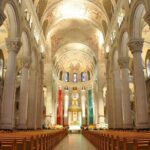

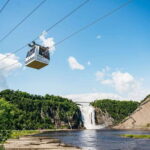
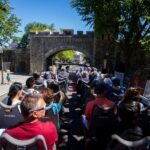
Fortifications, Citadelle, and Notre-Dame-des-Victoires: why the city walls still matter
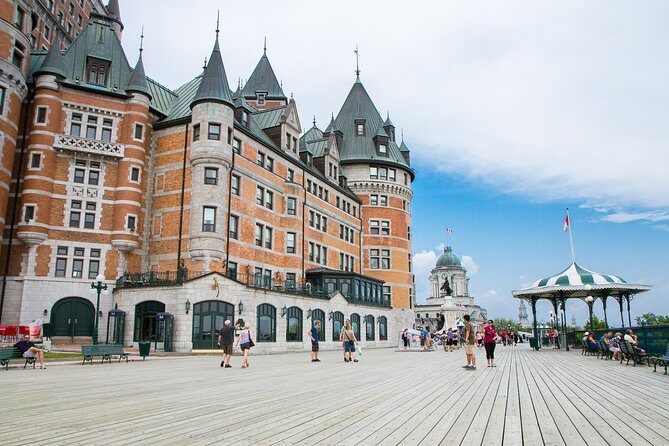
Even though the tour flow focuses on walking segments and courtyards, you should expect commentary that ties directly into the bigger UNESCO story. The tour highlights include the Fortifications of Québec, plus major institutions like the Citadelle of Québec and historic churches such as Notre-Dame-des-Victoires Church.
Here’s the value for you: Québec City’s walls weren’t just “cool old stone.” The guide’s framing helps you understand their function as part of North America’s only remaining fortified city—and the fact that Québec is the only walled city north of Mexico.
That kind of explanation changes how you see everything afterward. A wall stop stops being a wall stop and becomes a clue: to strategy, fear, control, and survival.
Place Royale to Petit-Champlain: from birthplace to the most walkable charm
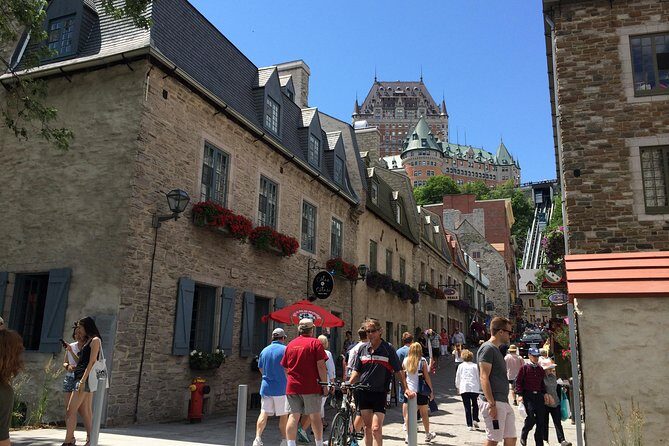
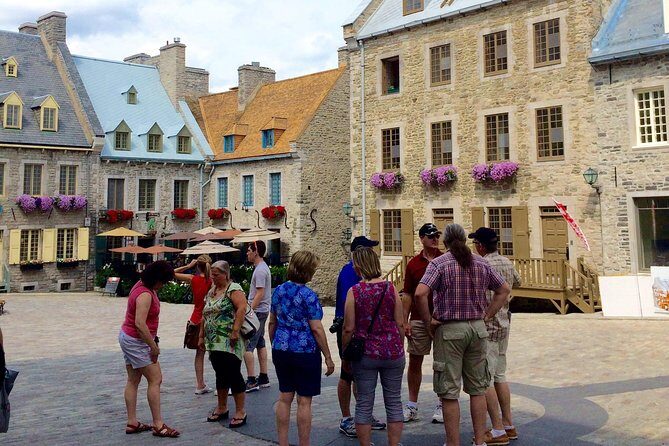
The tour’s central story moment is Place Royale, often called the birthplace of French America. This is one of those squares where you can almost hear the timeline shifting from “founding” to “growing community,” and the guide’s commentary helps you notice what you might otherwise miss.
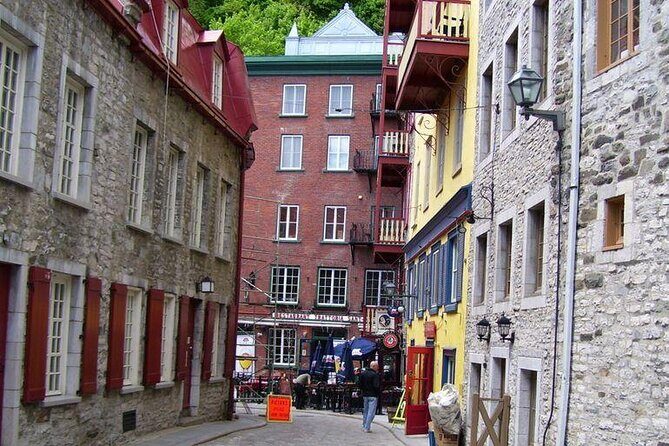
Then you finish in Quartier Petit Champlain, ending along Petit-Champlain Street near the Funiculaire du Vieux-Québec. This is where Old Québec turns sweet and pedestrian-friendly—perfect for wandering after the tour, because you’ll already know where you are and what era you’re standing in.
A small but meaningful detail: finishing near the funicular makes it easy to keep moving without having to guess routes in the moment. When your legs get tired (especially in winter), that connection matters.
Why the guide (and their humor) changes everything
This tour works because of people, not just places. The operator uses professional, licensed guides, and they’ve got to take a course and pass exams to earn their license. More importantly, the guides keep updating what they share so it stays accurate and alive.
I’m also glad the guide experience comes through in real examples. Names you might encounter include Mark, Stefan, Louise, Robert, Christian, Francis, Mark Lepitre, and Philippe—and the common theme is that the guides bring humor plus clear storytelling.
What that looks like in practice:
- You’ll get answers when you ask questions (some guides even keep talking after the tour ends)
- Guides can adjust the route for weather, including adding indoor stops
- You’ll get practical direction, like restaurant and activity suggestions for the rest of your trip
One caution: group tours only work smoothly if everyone stays together. There’s at least one account of a couple getting separated and missing some stops. So when you move between streets, treat staying with the group as part of the deal—not optional.
Price and value: what $30.29 really buys you
At about $30.29 per person for roughly two hours, the price isn’t about stacking lots of paid entrances. The tour includes the guided walking experience, a professional guide, and local taxes. It also notes that a short admission ticket is included at the first stop, while many other listed stops are free to access.
So what are you actually paying for?
- A guided map of the city—Upper Town to Lower Town with meaning attached
- Time saved—you don’t have to figure out what’s worth your attention first
- Storytelling skill—the difference between seeing a place and understanding it
With a max group size of 15 travelers, you’re paying for an experience that stays human-sized. That matters in Québec City, where it’s easy for “a tour” to feel like one big herd.
If you’re the type who likes to understand what you’re looking at—especially fortifications, churches, and civic buildings—this is a solid value choice.
Weather, pace, and the comfort tricks that matter
The tour operates in all weather conditions, so you should dress for walking time, not just meeting-point time. The route is described as a leisurely downhill path from the start toward the end, but it’s still a walking tour—so bring shoes you trust.
In winter, comfort becomes the main factor in how enjoyable the tour feels. Reviews and the tour team’s own guidance emphasize dressing very warmly, including insulated boots. If you forget gloves or your hands get cold, you can buy hand and toe warmers at the check-in desk; they last up to about five hours, which covers your time outdoors.
Also, the guides may work in indoor stops when it’s brutally cold. That’s not a guarantee of specific indoor sites on every date, but it’s a proven pattern, and it can keep the tour from turning into a sprint-through-streets experience. Vancouver walking tours is the Vancouver equivalent. For official notices, Vancouver.
If you have moderate physical fitness, this should fit. The pace is designed to be leisurely, but your job is to keep up so you don’t miss stops.
Should you book the Québec City Walking Tour?
I think this is a great booking for most first-time Québec City visits. If you want to get your bearings fast, learn how the city became the UNESCO site it is, and walk away knowing where to return on your own, this tour does that job well.
Book it if:
- You like history explanations that connect streets to real life
- You want both Upper Town viewpoints and Lower Town charm in one go
- You’ll be okay walking in cold (or you’ll dress properly)
Skip it or adjust expectations if:
- You hate cold weather walking and don’t want to deal with outdoor time at all
- You’re looking for a tour that’s mostly inside (this one is built around streets and courtyards)
If your goal is a smart, compact introduction to Old Québec—with a guide who can make the walls, churches, and squares feel understandable—this is the kind of tour that earns its place on your itinerary.
FAQ
How long is the Quebec City walking tour?
It runs for about 2 hours.
Where does the tour start and end?
The tour starts at 12 Rue Sainte-Anne in Québec City (Tours Voir Québec/Tourist Information Centre area) and ends near the Funiculaire du Vieux-Québec on 16 Rue du Petit Champlain.
Is the tour offered in English?
Yes, the tour is offered in English.
How many people are in the group?
The group is limited to a maximum of 15 travelers.
What sites will I see during the walk?
You’ll cover historic Old Québec across Upper and Lower Town, including major stops such as the Terrasse Dufferin area, the Ursulines monastery area (with chapel access if open), the Cathedral of the Holy Trinity courtyard, Hotel de Ville, Place Royale, and Petit-Champlain. The tour also includes key highlights like the Fortifications of Québec, Citadelle of Québec, and churches such as Notre-Dame-des-Victoires.
Is admission included?
A short admission ticket is included at the first stop. Other listed stops are indicated as free.
Does the tour run in bad weather?
Yes, it operates in all weather conditions, so you should dress appropriately.
What fitness level do I need?
The tour recommends a moderate physical fitness level.
Can I cancel and get a refund?
You can cancel for a full refund if you cancel at least 24 hours before the experience start time. If you cancel less than 24 hours before, the amount paid isn’t refunded.