REVIEW · QUEBEC CITY
Old Quebec City Private Walking Tour : History and Nature
Book on Viator →Operated by Walking and Hiking through History and Nature · Bookable on Viator
Old Quebec clicks into focus fast when you have a guide and a plan. This private walking tour pairs famous sights with the places that explain why Quebec looks and feels the way it does. You’ll move through the upper and lower parts of the historic district, getting history tied to geography, weather, and even the local plants and tides.
I especially love how the stops connect big events to real street-level details, like fortifications built for specific threats and religions layered over time. I also love that many groups get a guide named Judith, and her style brings the city’s French, English, and Loyalist threads into one clear story. One consideration: it’s a walking tour with moderate fitness needs, and it’s not recommended for people with mobility issues.
In This Review
- Key Things to Know Before You Go
- Old Quebec on Foot: The 2.5-Hour Pace That Actually Works
- Fortifications First: How Quebec’s Walls Explain Everything Else
- Old Quebec Streets and Landmarks: Chateau Frontenac Isn’t the Point (Yet)
- Place Royale: Where Quebec’s French Story Gets Real
- Old Port and the Latin District: Geography, Trade, and the River’s Pull
- The Nature Angle: Climate and Everyday Life, Not Just Pretty Weather
- Price and Value: What $63.84 Buys You Here
- Who This Tour Is Best For
- Tips to Make Your Walk Easier (and More Fun)
- Should You Book This Old Quebec History and Nature Tour?
- FAQ
- What language is the tour offered in?
- How long is the Old Quebec City private walking tour?
- Is pickup available?
- Is this tour really private?
- What stops are included?
- Is admission included for the sites?
Key Things to Know Before You Go
- A true private group: only your group participates, with a conversational pace.
- Fortifications as the starting point: you begin where Quebec’s defense story becomes visible.
- Nature and climate in the mix: expect talk about the sub-arctic feel, tides, and how the land shaped daily life.
- You cover upper + lower Old Quebec: a full intro without feeling like you only saw one postcard.
- Guiding can be tailored: multiple past groups highlight that the guide adjusts to your interests.
- You get practical recommendations: tips for how to spend the rest of your Quebec City time.
Old Quebec on Foot: The 2.5-Hour Pace That Actually Works
This is a tight-but-comfortable window—about 2 hours 30 minutes—to get oriented and learn the stories behind the stones. Instead of treating Old Quebec like a museum you sprint through, the tour uses the streets’ ups and downs as part of the lesson. That matters here, because Quebec City is built into terrain, not laid flat like a theme park.
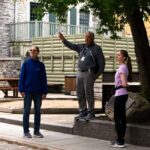
The private format is a real advantage. You can ask questions as they pop up, and you don’t get stuck waiting for the slowest walker in a big group. I also like that the guide brings tips for the rest of your visit, which can save you time later when you’re deciding between the next church, viewpoint, or local food stop.
One heads-up: even in a good weather window, you’ll still be walking on uneven historic surfaces. The tour is described as not recommended for mobility issues, so if that’s you, you’ll want to look for an alternative with minimal walking.
You can also read our reviews of more walking tours in Quebec City


Fortifications First: How Quebec’s Walls Explain Everything Else
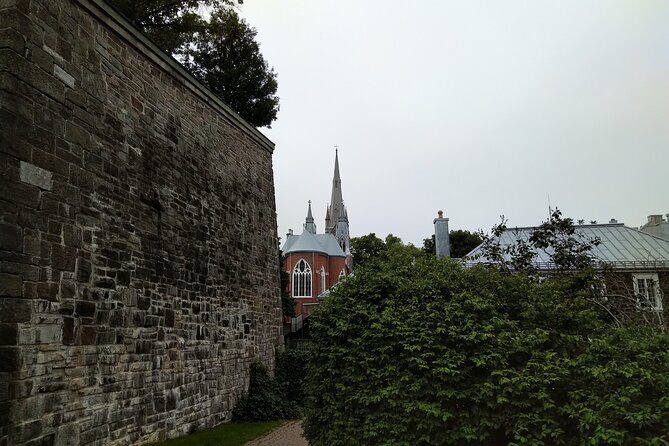
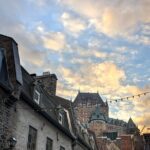
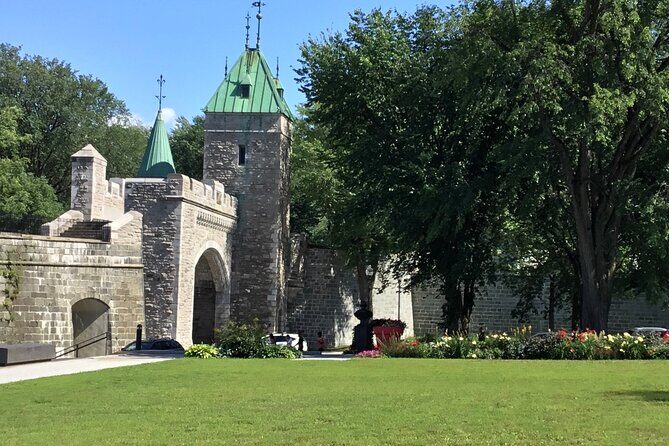
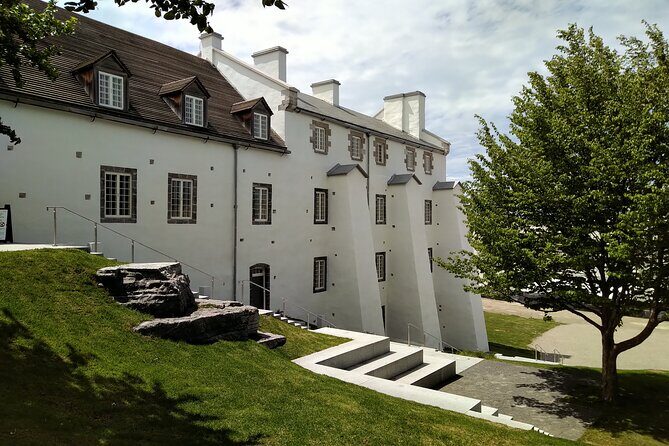
You start at the Fortifications of Quebec National Historic Site, and that’s smart. It’s hard to understand Quebec City without seeing how it was protected, controlled, and defended. The guide points out how different eras left their mark, including French and English period fortifications.
But the fortification story isn’t just “armies and cannons.” The tour layers in cultural clues tied to place and power. You’ll hear about Scottish heritage connections and see how faith institutions show up around the military landscape. Stops include references to the Ursuline convent and the Holy Trinity, plus the first Anglican Cathedral.
Why this matters for you: forts, churches, and civic buildings weren’t separate worlds. They were part of the same system—control, community, and identity—built right into daily geography. When you learn that first, everything you see next feels less random. A street you might otherwise treat as scenic starts to feel like evidence.
Old Quebec Streets and Landmarks: Chateau Frontenac Isn’t the Point (Yet)
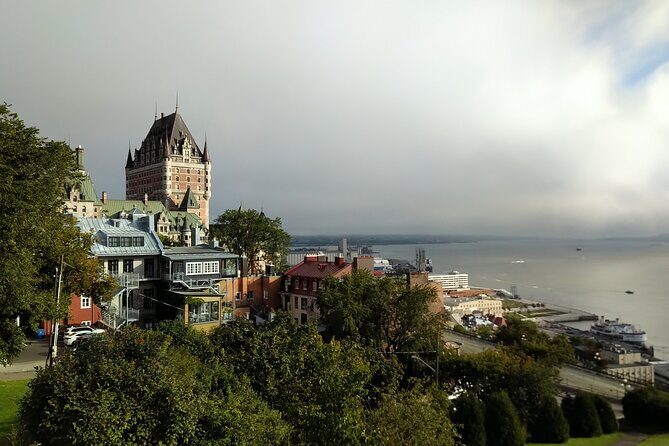
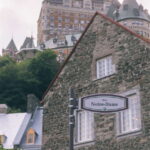
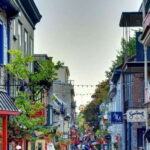
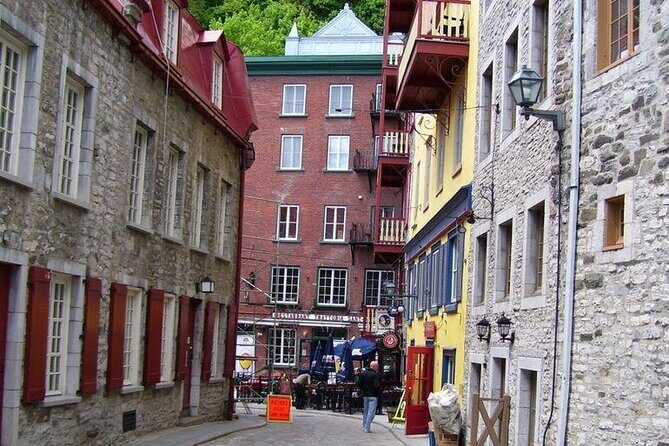
Next you move deeper into Old Quebec’s core with narrow streets, heritage buildings, and older institutions that still shape the city’s rhythm. You’ll get Dufferin Terrace in the mix, which is a great “slow down and look” area—perfect for understanding why the river and the cliffs matter so much.
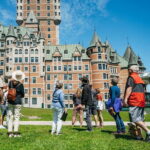
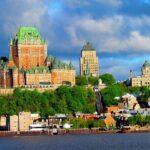
From there, you pass by the Chateau Frontenac area and the Basilica Notre-Dame. These are the big names, sure. But the tour’s value is that you don’t just look at them—you learn what they represent in Quebec’s long push-and-pull between French traditions and later British influence.
One small trade-off: because the walk is story-led, you might spend more time stopping for context than you would if your only goal was photos. If you’re the type who wants to capture every angle fast, you may feel slightly slowed down. If you want to understand what you’re seeing, it’s a win.
Place Royale: Where Quebec’s French Story Gets Real
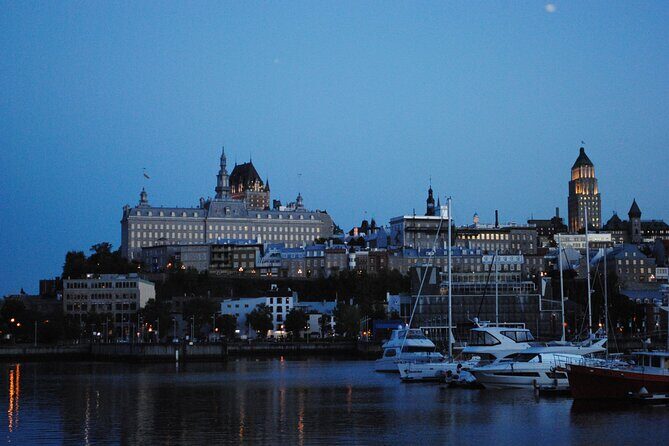
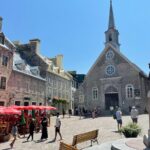
Then you arrive at Place Royale, described as the first permanent French establishment in North America. Even if you’ve studied North American history before, this is the kind of place where the timeline becomes tangible. You can feel how the settlement mindset shaped what came next—politics, religion, language, and the layout of community.
The guide’s approach ties the site to larger world events from the 1500s onward, which helps you see Quebec not as an isolated corner, but as part of European competition and strategy. This is where the tour’s “why” becomes clearer: why the French came, why they stayed, and how later powers responded.
If you like history that’s connected to geography (not just dates), you’ll enjoy how the guide connects the settlement to the land and the practical realities of living here. If you only want a quick highlight pass, you might wish there were more time for free wandering—but that’s the private-tour trade. You’re paying for explanation, not just motion.
Old Port and the Latin District: Geography, Trade, and the River’s Pull
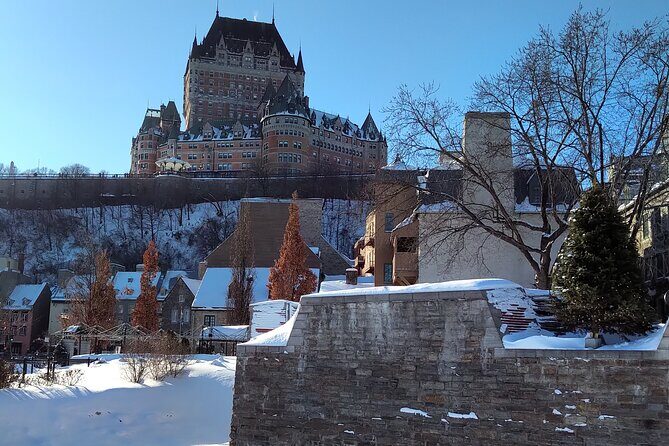
Next is the Old Port, sometimes called the wall street of Quebec. This is a great stop for understanding the city as a trading node, not just an architectural showpiece. The tour frames it as the first French harbor, and it references the Latin district too—so you’re not just seeing buildings. You’re tracing the logic of where people moved and why.
Most tours in Quebec City treat views of the St. Lawrence like scenery. This one uses the river as a main character. In multiple past experiences, guides emphasize the St. Lawrence’s role in connecting Quebec to the wider world—especially through the seaway concept and how waterways shaped growth and survival.
Practical takeaway for you: when you understand how the river influenced trade and defense, you’ll enjoy the city more during your own walks afterward. Every viewpoint becomes purposeful, not just pretty.
You can also read our reviews of more city tours in Quebec City


The Nature Angle: Climate and Everyday Life, Not Just Pretty Weather
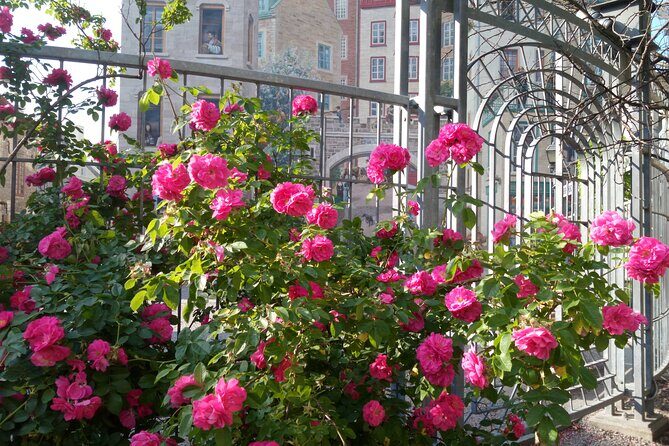
This tour isn’t “nature walk only,” and it’s not a botany class. The special ingredient is that the guide blends history with the climate feel of Quebec’s sub-arctic setting. You may hear about how agriculture, tides, plants, and seasonal reality affected life here.
That might sound abstract until you apply it to places like fortifications and port areas. Cold weather affects materials and daily schedules. Water levels affect harbor life. Plants and land conditions shape what people can do and where they can build. When your guide brings that into the story, the past feels less like a distant drama and more like something people survived week to week.
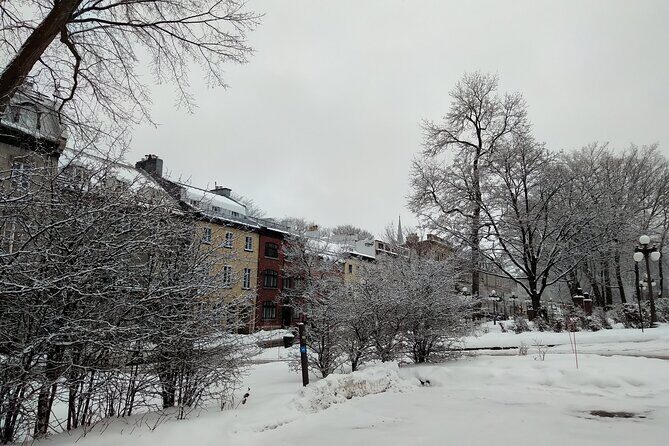
Also, a note from real-world experience: some groups report going through rain and still feeling the tour worked. So yes, bring layers. Old Quebec is an outdoor classroom.
Price and Value: What $63.84 Buys You Here
At $63.84 per person, this tour sits in the “you’ll feel the value if you care about context” category. If your goal is only to hit the top landmarks with minimal thinking, you can probably do it cheaper on your own.
But private guided tours tend to pay off when you want three things at once:
- Orientation: You learn where the main areas are and how they connect.
- Story: You understand French and English cultural layers without getting lost in jargon.
- Time saved: Instead of piecing together history from books and plaques, you get a guided narrative in one go.
The tour being limited to your group is a big part of the value. You don’t have to fight crowds or tune out someone else’s questions. Plus, some bookings mention the guide kept groups entertained with humor and a style that makes complex interactions easier to follow.
Who This Tour Is Best For
This is a strong fit if you:
- want an intro to Quebec City that goes beyond postcards
- enjoy history that connects to geography and real daily life
- like asking questions and getting answers in the moment
- prefer a private, conversational pace
It may be less ideal if you:
- have mobility limits or need very minimal walking (the tour is not recommended for mobility issues)
- want a hands-off walk where you rarely stop to listen
- are visiting in a way that makes longer outdoor walking hard (even with good planning)
Tips to Make Your Walk Easier (and More Fun)
Old Quebec can mean uneven stone, steps, and slick patches if weather turns. Here’s what I’d do before you go:
- wear shoes you trust on cobblestone and stairs
- dress in layers, especially if you’re visiting outside peak summer comfort
- carry a small bottle of water if you run thirsty
- bring rain gear even if the forecast looks calm
One more practical idea: plan to take this tour early in your visit. Several past experiences highlight how it helps you understand the city quickly, so your later self-guided wandering feels smarter.
Should You Book This Old Quebec History and Nature Tour?
If you want a first-rate “how Quebec became Quebec” walk, this is a yes. The combination of fortifications, major Old Quebec landmarks, and the Old Port’s river-trade angle gives you a strong mental map. The guide’s style—often highlighting a guide named Judith—leans into clear explanations with real-world personality, and the way history connects to climate and nature makes the city feel more alive.
Book it if you value context, photos that actually mean something, and a private pace where you can steer the conversation. Skip it if mobility is a concern or if you only want a quick lap around the highlights.
FAQ
What language is the tour offered in?
The tour is offered in English.
How long is the Old Quebec City private walking tour?
It runs for about 2 hours 30 minutes.
Is pickup available?
Yes. The meeting point is confirmed at booking. The guide meets clients at their hotel if it’s within the walled city historic district (upper or lower town) or at the cruise ship terminal in Quebec City.
Is this tour really private?
Yes. It’s a private tour/activity, and only your group participates. There is a minimum of 2 participants required for private tours.
What stops are included?
The tour includes Fortifications of Quebec National Historic Site, Old Quebec, Place Royale, and Old Port.
Is admission included for the sites?
The tour notes admission tickets as free for the listed stops.