REVIEW · QUEBEC CITY
Quebec City: Hop-on Hop-off Open-Top Double Decker Bus Tour
Book on GetYourGuide →Operated by Unitours Inc. · Bookable on GetYourGuide
Quebec City feels like a movie set once you see it from above. This hop-on hop-off double-decker bus gives you open-air panoramic views while you pick your own stops, with audio that keeps the ride moving even if you’re not rushing.
I especially like the hop-on hop-off flexibility across a tight route with 15 stops, so you can spend time where your eyes land. The main downside to plan for is that the stop spacing and loop timing mean you may ride a stretch longer than you want between a couple of sights, especially if you hop off early.
In This Review
- Key Points You’ll Actually Use
- Quebec City From Above: Why This Bus Tour Makes Sense
- Route Rhythm and Boarding: 4 Loops, 15 Stops, One Easy Strategy
- Choosing the Best Ride Spot: Open-Top Views vs. Comfort
- Stop-by-Stop: What Each Stop Lets You Do (and What to Expect)
- Place d’Armes (Chateau Frontenac)
- Quartier St-Roch
- Musée de la Civilisation
- Place Royale, Quebec City
- Marché du Vieux-Port
- Centre des Congrès
- Observatoire de la Capitale
- Manège Militaire
- Plaines d’Abraham
- Musée des Beaux-arts
- Quartier Saint-Jean-Baptiste
- Avenue Cartier
- Place d’Youville
- Citadelle de Québec
- Audio Guide and Earphones: The Part You’ll Keep Using
- How Long Should You Stay On Each Loop?
- Price and Value: Is $48 Fair for Quebec City?
- Practical Tips for a Smoother Day (No Guesswork Needed)
- Who This Tour Suits Best
- Should You Book This Quebec City Hop-On Hop-Off Bus?
- FAQ
- Where is the first stop for all loops?
- How long does one loop take?
- How often do buses depart?
- How many stops are there?
- What languages are included in the audio commentary?
- Do I get earphones with the tour?
- Are pets or large bags allowed on the bus?
- Is the bus tour wheelchair accessible?
Key Points You’ll Actually Use
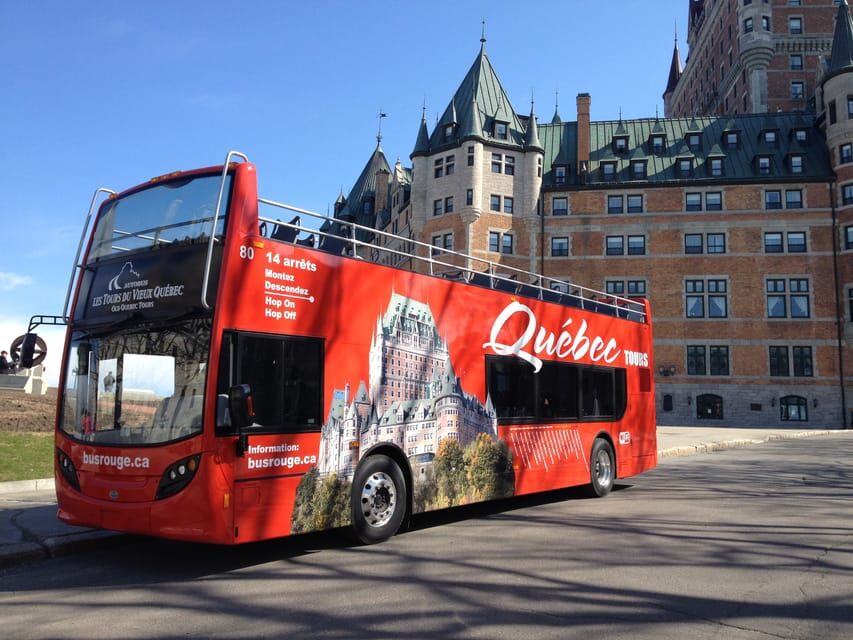
- 15 stops that cover the core sights in a smooth, doable loop
- Open-top top deck for fast, high-value photo angles
- Multilingual audio guide + earphones in many languages, so you’re never guessing
- Frequent departures (every 30 to 45 minutes) that help you avoid waiting around
- Wheelchair accessible buses, with clear boarding at stops
- Comfort planning matters because you’ll feel the weather more on an open-air upper level
Quebec City From Above: Why This Bus Tour Makes Sense
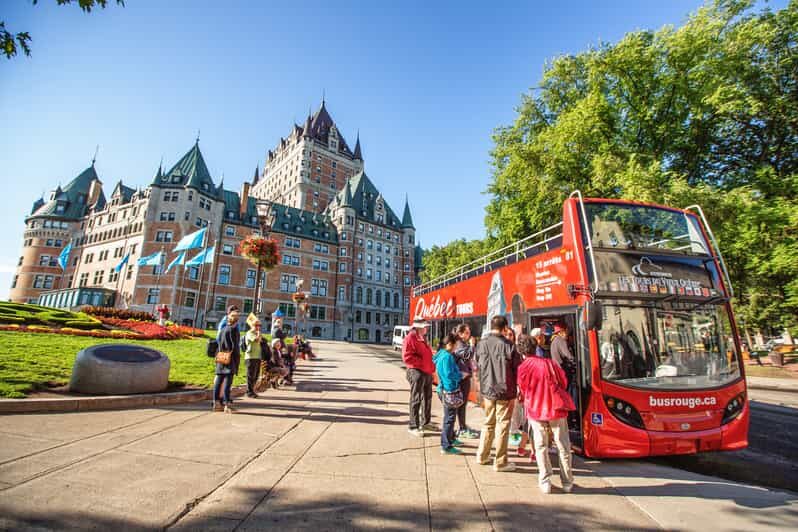
Quebec City is gorgeous, but it’s also hilly. That combination is exactly why an open-top bus works so well. In a couple of hours, you can get your bearings, spot what you want to see up close, and then turn that second pass into a focused walking plan.
The biggest value here is control. You don’t have to commit to a rigid schedule. If you want a quick look at a square and then move on, you can. If a viewpoint pulls you in, you can stay on the same loop until you’re ready. The ride is basically your moving map.
Two details make it feel less like a boring “sightseeing conveyor belt.” First, you’re up high in the open air, so the views stay the star. Second, you get a taped audio guide with free earphones in a long list of languages—Spanish, Chinese, English, French, German, Italian, Japanese, Arabic, Portuguese, and Russian—so you can follow along without relying on whatever you happen to overhear.
You can also read our reviews of more city tours in Quebec City


Route Rhythm and Boarding: 4 Loops, 15 Stops, One Easy Strategy
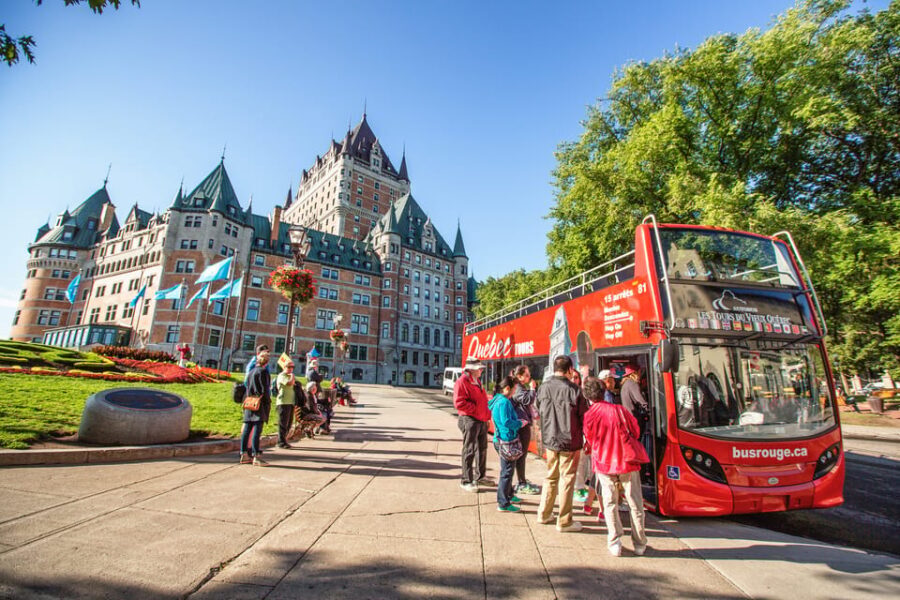
The tour is set up so you can hop on and off along the stops on four loops. Your first stop on all loops is Place d’Armes, near Chateau Frontenac, at 7 Rue de Fort. You can also find starting/boarding options around 85 Rue Dalhousie and 17 Rue du Fort, depending on which start point you choose.
A single loop takes about 1 hour 45 minutes to 2 hours. Buses run every 30 to 45 minutes depending on the season, with timing that can vary due to traffic or other issues. That means you should treat this like a “sightseeing day tool,” not a clockwork train.
Here’s the strategy I’d use:
- Ride the whole loop once to orient yourself.
- Note the stops you want to return to.
- Do your hop-off time where you’ll actually walk and look, not just stop for the sake of stopping.
If you opt for a two-day ticket, you can use day one for orientation and day two for slower, more deliberate exploring—especially on days when the weather changes or when your first stop list gets revised after you see where everything sits.
Choosing the Best Ride Spot: Open-Top Views vs. Comfort
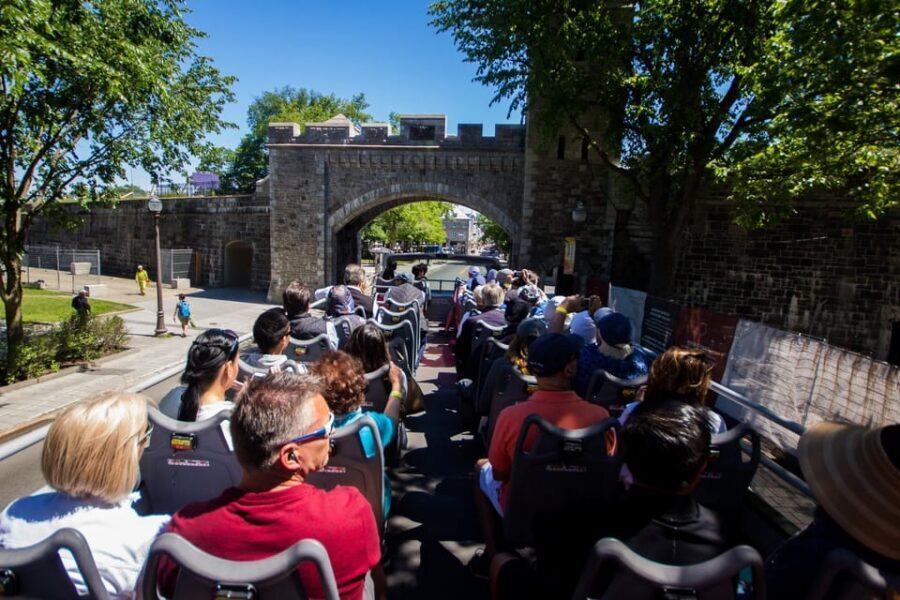
The tour’s format gives you a clear decision: upper deck for views, lower deck for comfort. On the open-top upper level, you get the panoramic sightline effect—perfect for spotting where neighborhoods and major attractions sit relative to each other.
The tradeoff is weather. If it’s windy or cold, you’ll feel it more up top. Bring a weather-appropriate layer and plan for sun if it’s warm, since you’ll want a hat for bright light. On cooler mornings, that can make a big difference in how much you enjoy the ride rather than just endure it.
Comfort can also depend on your seat location and the bus itself. So if you’re picky about cushioning, consider getting on a bus early and choosing the spot you like rather than waiting for the last seat on a crowded ride.
Stop-by-Stop: What Each Stop Lets You Do (and What to Expect)
You’ll hit 15 stops on the loop. I’ll focus on how each stop helps you shape your day—what it’s good for and what to consider when you hop off.
Place d’Armes (Chateau Frontenac)
This is your anchor stop, and it’s the easiest one to start with. You’re right by Chateau Frontenac, which makes it ideal for photos and for getting oriented to the old-town core.
Tip: If you’re doing just one day, spend time here early so you’re not piecing together geography later.


Quartier St-Roch
This stop shifts you away from the most tour-busy core and into a different part of the city. If you like wandering a neighborhood vibe, it’s a smart place to hop off and stretch your legs.
Musée de la Civilisation
If you want something indoor, this is your stop. It’s a museum stop, which usually means you can take a break from sun, wind, or cold depending on the season.
Place Royale, Quebec City
This stop is all about the classic Quebec City “place” experience. It’s useful as a photo moment and as a jumping-off point if you want to spend time in the older, central area.
Consideration: If you hop off here, plan a bit of walking time before you expect to ride again.
Marché du Vieux-Port
This is the natural stop for a market-style stop. It works well if you want a casual stroll, snack, or browsing time without locking yourself into a full activity plan.
Centre des Congrès
This is a practical stop—good for understanding where major event buildings sit and for taking a break if you’re passing through an area that feels more open than the tighter old-town streets.
Observatoire de la Capitale
This stop is your viewpoint option. Since it’s an observatory, it’s the one to use when you want elevated views and a change from street-level walking.
Manège Militaire
This stop is geared toward a military-themed stop. If that’s your interest, hop off and spend the time you want there rather than treating it as a quick photo stop.
Plaines d’Abraham
This is your open-space option. If you want room to walk and breathe, this is where the scenery changes compared to dense streets.
Musée des Beaux-arts
This is the art museum stop. It’s perfect for when you want a slower pace and an indoor reset mid-day.
Quartier Saint-Jean-Baptiste
This stop takes you into another neighborhood feel. It’s ideal for people who like browsing streets and getting a sense of where people actually live and move around.
Avenue Cartier
Avenue stops are great for strolling. If you want a straightforward walk along a main thoroughfare, this is a solid choice.
Tip: If you’re trying to maximize efficiency, hop off on Avenue Cartier, then plan to catch the next bus rather than trying to do “one more stop” farther away.
Place d’Youville
This stop is another square stop, which usually means a good place to pause and regroup before continuing.
Citadelle de Québec
This is your big fort-style destination stop. It’s a natural “big attraction” target if you want to center part of your day around a major landmark.
Consideration: If you want time for photos and walking, don’t schedule your Citadelle stop too close to when you need to be back elsewhere. Give it breathing room.
Audio Guide and Earphones: The Part You’ll Keep Using
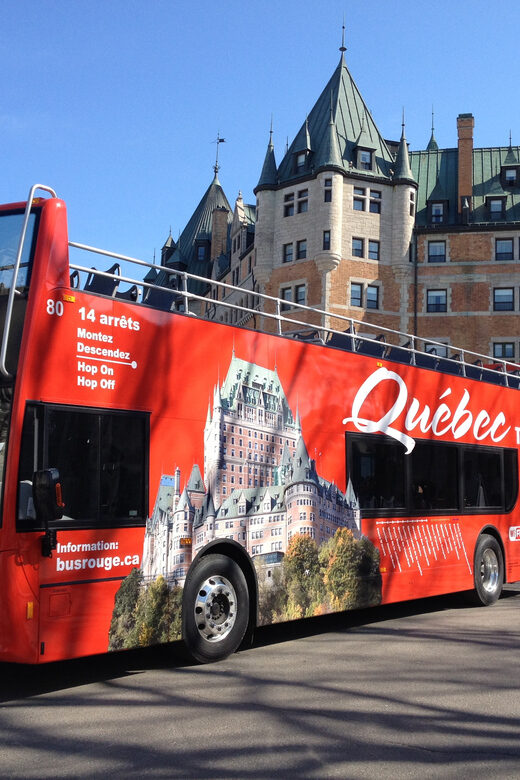
This tour’s audio guide is one of its core strengths. You get taped multilingual commentary and earphones included, so you can listen as you ride past the sights. That matters because Quebec City’s beauty is visual, but it’s also layered with stories. The audio helps connect the view to what you’re looking at—especially on the first pass when everything feels new.
The language list is unusually broad: Spanish, Chinese, English, French, German, Italian, Japanese, Arabic, Portuguese, and Russian. If you’re traveling with someone who doesn’t speak your language, this is a relief. It also means you can switch based on comfort rather than forcing everyone into one narration style.
How to use it without getting annoyed:
- Listen fully on your first loop. Treat it like your “moving orientation.”
- On later loops, only turn it on for the stops you care about most, so you don’t tune out while waiting between areas.
How Long Should You Stay On Each Loop?
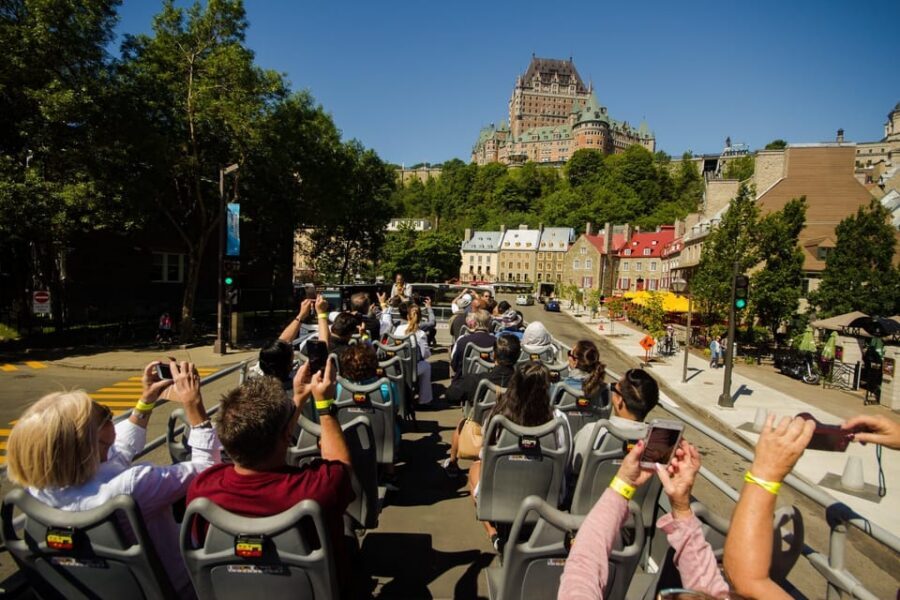
One loop is about 1 hour 45 minutes to 2 hours. That’s enough time to get the overview and get multiple stop experiences without feeling like your whole day is stuck to a schedule.
If you’re short on time, do one full loop, hop off at 2–3 stops you truly want to walk, then ride again to return. If you have more time, do the classic two-pass approach: day one for orientation, day two for your “yes, I actually want to go there” picks.
If you’re doing one day only, prioritize stops that match your interests (views, museums, neighborhood wandering, or a bigger landmark) and skip the ones you’re only curious about.
Price and Value: Is $48 Fair for Quebec City?
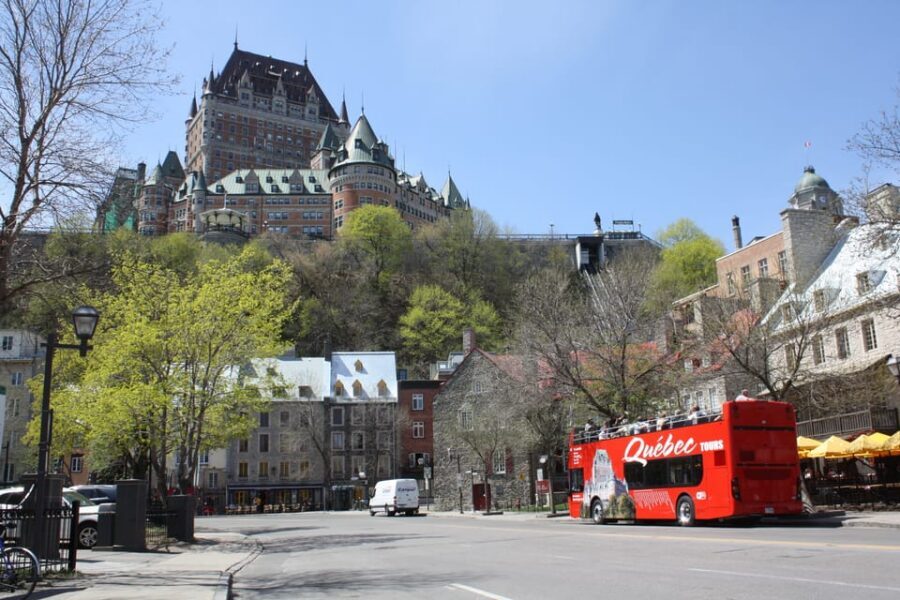
For a $48 per person one-day ticket, the value comes from how much ground it covers with minimal effort. You’re not just buying a ride—you’re buying:
- Access to 15 stops
- A full loop overview in under two hours
- Audio in many languages
- Open-air panoramic sightlines
- Flexibility to hop off and return without planning a walking route
It can feel pricey if you’re the type who hates bus tours or who wants deep time at just one or two locations. A few people also found the seats uncomfortable, and that’s worth factoring in if you’re sensitive to long rides.
But if you’re spending just a day in Quebec City, the bus helps you get your bearings fast—especially given the hills. I’d call it a smart value purchase when your time is limited and you want choices, not a fixed itinerary.
Practical Tips for a Smoother Day (No Guesswork Needed)
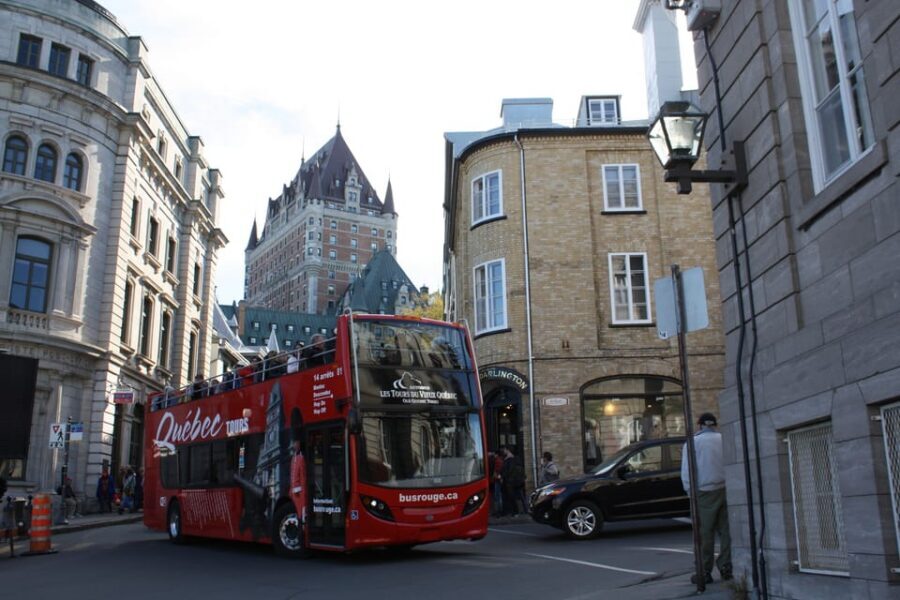
Start by dressing for both the sun and the breeze. Bring comfortable shoes because even “bus stops” turn into walking time. A sun hat helps if you’re riding on a bright day, and weather-appropriate layers keep the open-top ride from becoming miserable.
A few rules to keep in mind:
- No pets
- No luggage or large bags
Plan your hop-off moments in clusters. If you hop off at one point, try to pair nearby stops on foot where it makes sense, then return to the bus rather than expecting every stop to be close enough that you can instantly bounce between far-separated sights.
Also, don’t assume you’ll have perfect timing. Buses run often, but departures can vary with traffic. Build a little slack so you’re not sprinting back to the curb.
Who This Tour Suits Best
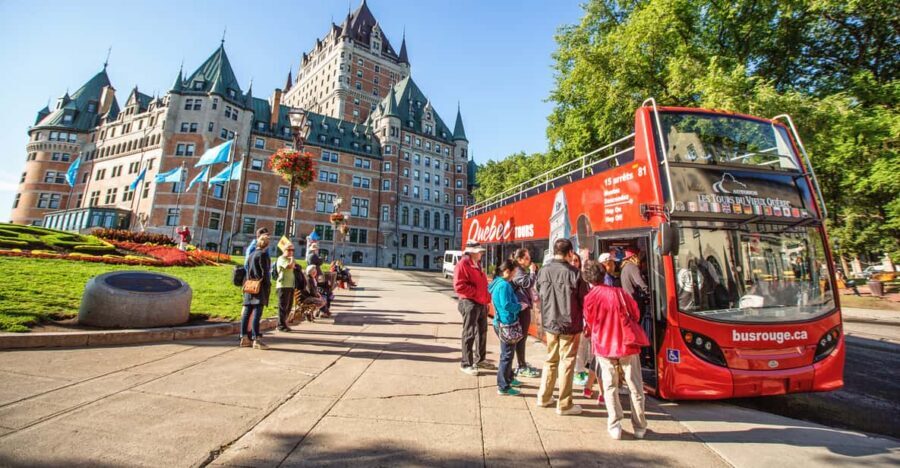
This hop-on hop-off bus is a strong fit if:
- It’s your first time in Quebec City and you want a quick orientation
- You don’t want to battle hills all day
- You like deciding on the fly which areas deserve your time
- You want museums, viewpoints, and neighborhood stops without committing to a guided walking tour
It’s less ideal if you only want one very specific attraction and dislike sightseeing rides. In that case, you’d probably spend your day more efficiently with a focused plan.
Should You Book This Quebec City Hop-On Hop-Off Bus?
If your goal is to see a lot without planning every minute, I think this is an easy yes. With 15 stops, an open-top upper deck, and a multilingual audio guide with earphones, you’re set up for both photos and self-guided learning.
I’d hold off only if:
- You strongly dislike bus rides, even short ones
- You’re expecting close stop-to-stop walking everywhere
- You’re going on a day when you know you’ll struggle with cold wind on an open-air level
Otherwise, book it. It’s the kind of practical “set your bearings, then roam” day tool that works well in Quebec City—especially when your schedule is tight.
FAQ
Where is the first stop for all loops?
The first stop is Place d’Armes, near Chateau Frontenac, at 7 Rue de Fort.
How long does one loop take?
One loop takes about 1 hour 45 minutes to 2 hours.
How often do buses depart?
Tours depart every 30 to 45 minutes, depending on the season, and timing can vary due to traffic or other issues.
How many stops are there?
The loop includes 15 bus stops.
What languages are included in the audio commentary?
The audio guide includes Spanish, Chinese, English, French, German, Italian, Japanese, Arabic, Portuguese, and Russian.
Do I get earphones with the tour?
Yes. Earphones are included with the multilingual audio commentary.
Are pets or large bags allowed on the bus?
No. Pets are not allowed, and luggage or large bags are not allowed.
Is the bus tour wheelchair accessible?
Yes. The tour is wheelchair accessible.