REVIEW · QUEBEC CITY
Quebec City: Island of Orleans Wine Tour
Book on GetYourGuide →Operated by Quebec Bus Tour · Bookable on GetYourGuide
Three vineyards make the Island of Orleans feel extra close. This Quebec City wine tour works because you get guided vineyard time plus tastings that actually explain how Quebec wine comes to the glass. I also like that it stays small-group (up to 13), so your guide can keep the pace human and answer questions, with guides such as Jean-François, Céline, Daniel, and Peter known for humour and clear commentary. One practical heads-up: there are no meals included, so plan snacks or dinner timing.
You’ll start near Château Frontenac at Place d’Ames and hop onto a colorful wrapped bus. Then you’ll spend the morning/afternoon (about 3 hours total) tasting at three different wineries on the island, learning the wine-making process and differences in production along the way. The payoff is the ride back with views of Montmorency Falls—simple, scenic, and a nice closer to a short day.
In This Review
- Key Highlights You Should Plan Around
- Why the Island of Orleans Makes a Great Quebec City Wine Tour
- Meeting at Place d’Ames and Finding the Wrapped Bus
- Stop 1: Domaine Sainte-Famille and the Feel of a Classic Vineyard Visit
- Stop 2: Le Vignoble du Mitan and Comparing Styles (Even If You Don’t Love Every Wine)
- Stop 3: Vignoble Isle de Bacchus and a Charming Ending to the Tasting
- What You’re Really Paying For: Value at $95 per Person
- Guides, Group Size, and the Pace You Should Expect
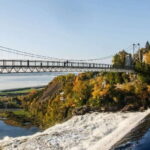
- Montmorency Falls on the Return: A Scenic Close Without Extra Effort
- Practical Stuff That Makes or Breaks the Day
- Should You Book This Island of Orleans Wine Tour?
- FAQ
- How long is the Quebec City Island of Orleans wine tour?
- What does the tour include?
- Which vineyards do you visit?
- Do I need to bring an ID?
- What meeting point should I use?
- Are meals included in the tour price?
- What languages are offered?
- Is this tour good for people with limited mobility?
- Is there a small group size limit?
- Are children allowed to join?
Key Highlights You Should Plan Around
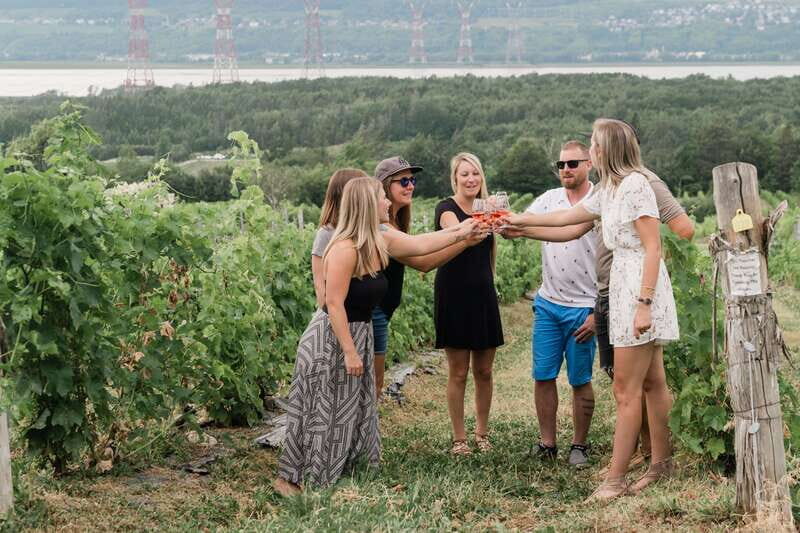
- Three vineyard stops with guided walks and pre-selected tastings
- Small group size (max 13) so the guide can talk and move at a comfortable pace
- Island of Orleans context: history, surprising facts, and what makes this place distinct
- Different wine personalities across Domaine Sainte-Famille, Le Vignoble du Mitan, and Vignoble Isle de Bacchus
- Montmorency Falls views on the return ride to Quebec City
Why the Island of Orleans Makes a Great Quebec City Wine Tour
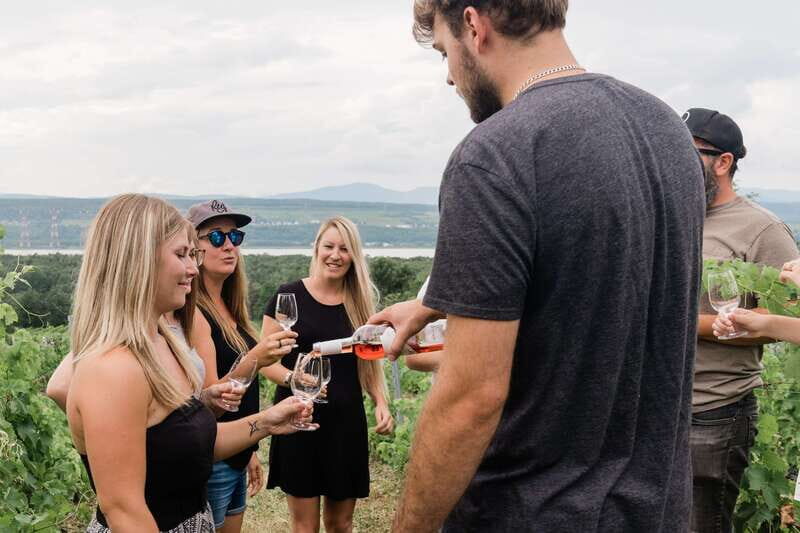
The Island of Orleans is close enough to feel like an easy add-on from Quebec City, but it still feels like a real change of scenery. You’re not just tasting wine inside a building—you’re seeing how the vineyards fit into island life, the roads, and the views.
What I like most is the way the tour connects the dots. You’ll hear how the wine production process works, then you’ll taste and compare how different vineyards approach the same broad idea. That combo matters because it turns a “sip-and-smile” outing into something you can remember and talk about later.
This is also a smart length. At about 3 hours, it’s long enough to feel like a proper outing, but short enough that you can still enjoy Quebec City afterward without feeling stuck. And since the group stays small, you’re more likely to get a lively guide-led experience rather than a rushed conveyor-belt stop.
You can also read our reviews of more city tours in Quebec City
Meeting at Place d’Ames and Finding the Wrapped Bus
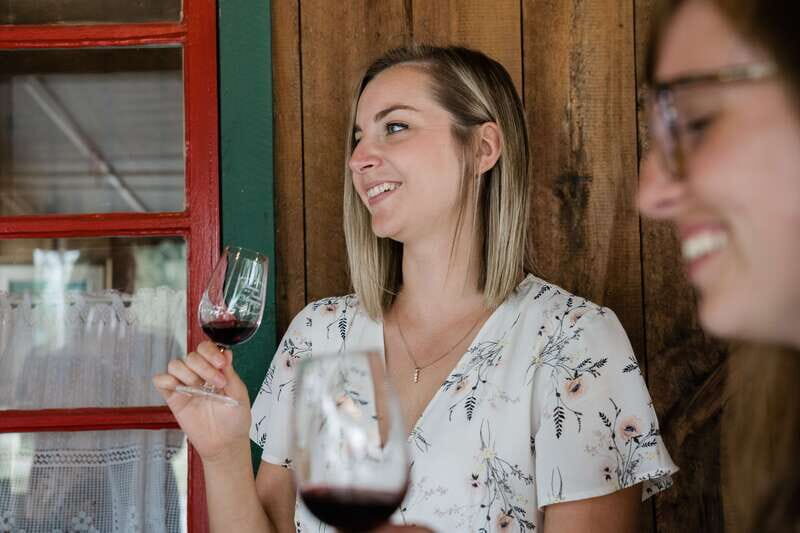
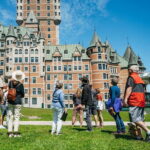
Your day starts at Place d’Ames, near the park adjacent to Château Frontenac. The tour asks you to arrive 10–15 minutes early, which I strongly agree with—getting everyone settled fast keeps the schedule smooth for the road and the winery timing.
Look for the colorful wrapped bus. That detail sounds small, but in a busy tourist area it saves time and stress. Once you’re aboard, you’ll have a live guide speaking French and English, so you can expect explanations in both languages without having to guess what’s going on.
Also note the tour’s practical rhythm: you’re moving between stops, spending time walking the vineyard areas, and then sitting for tastings. Comfortable shoes help, because even when the terrain isn’t extreme, you’ll want solid footing for vineyard paths and the small transitions between locations.
Stop 1: Domaine Sainte-Famille and the Feel of a Classic Vineyard Visit
Domaine Sainte-Famille is one of the three planned wineries on the itinerary. At this kind of first stop, I think the goal is to set the tone: you arrive, get oriented, and start connecting the taste to the process.
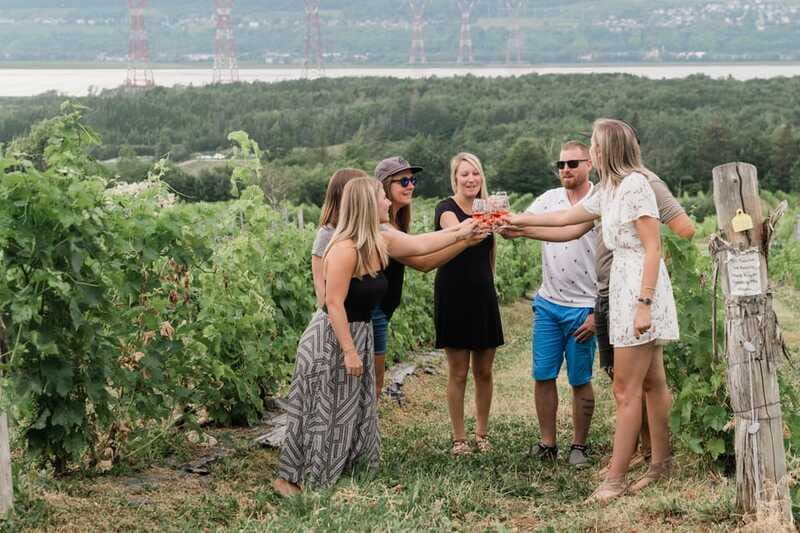
What you’ll get here is a guided experience through vineyard spaces, plus a tasting built from pre-selected tastings. The tour format is designed so you’re not just sampling wines blindly—you’ll learn the basics of how local wines are produced and what to watch for when you compare bottles.
From the way guides and hosts describe this island, you can expect a bit more than wine talk. People appreciate when the guide weaves in small facts—why the island matters, how local production fits the area, and what makes the region different from what you might know from other wine regions. It’s the kind of context that makes your tasting notes feel meaningful.
Stop 2: Le Vignoble du Mitan and Comparing Styles (Even If You Don’t Love Every Wine)
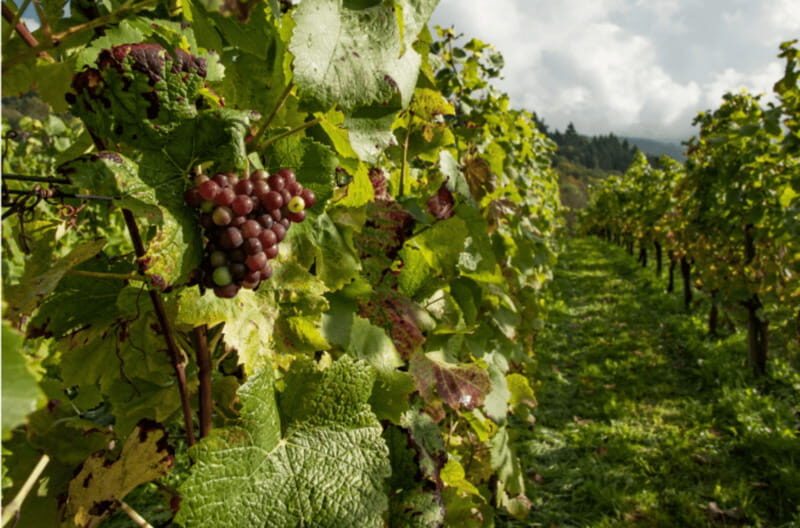
Next up is Le Vignoble du Mitan. This stop is valuable because it gives you an actual contrast. Even when you enjoy the whole tour, one vineyard might not match your personal tastes as much as the others—and that’s normal with wine.
The tour includes a guided vineyard walkthrough and tastings with a structured explanation of different products and manufacturing techniques. That’s the key: the tasting is framed as a lesson in how production choices change the wine’s character. For me, that’s what makes a multi-winery tour better than repeating the same flavor profile at each stop.
There’s also a pacing angle to consider. In at least one account, the overall pace was described as a bit slow, which can happen when a city is busy and the bus spends extra time on roads. If you’re sensitive to waiting, bring patience and treat the ride time as part of the experience.
And while many people loved the lineup, a minority didn’t enjoy the wines at this specific winery as much. That’s exactly why the island’s three-winery setup helps—you’re not locked into only one style.
Stop 3: Vignoble Isle de Bacchus and a Charming Ending to the Tasting
The final planned stop is Vignoble Isle de Bacchus. This one gets credit for atmosphere, and I get why: by the third winery, you’re usually warmed up to the tasting rhythm, and you’re ready to enjoy the day instead of just learning.
You’ll continue with the same general format: guided time and tastings of local wines. The tour aims to keep differences clear—how the island’s vineyards express themselves through varying production methods and choices.
One detail to know: some tasters have pointed out that at multiple stops the tasting experience used the same glasses for tastings. That’s a minor thing, but it’s still worth mentioning because wine tastings can feel more fun when the setup shifts enough to keep each stop feeling unique.
If you’re the kind of person who likes to compare notes, you’ll still get plenty to work with: three vineyards, different hosts, and enough guidance to help you notice what changes from stop to stop.
You can also read our reviews of more wine tours in Quebec City


What You’re Really Paying For: Value at $95 per Person
At $95 per person for a 3-hour tour, the value comes from three specific ingredients working together: transportation, guidance, and tastings across multiple vineyards.
First, you don’t have to drive. For a wine tour out of Quebec City, that alone can save money and stress (designated-driver problems disappear). The bus ride is part of the experience too, especially because you end with Montmorency Falls views on the way back.
Second, you’re paying for a live guide. The bilingual guides—Jean-François, Céline, Daniel, and Peter show up in accounts—are often praised for humour and the way they keep the wine conversation easy to follow. That matters, because a wine tasting without context can blur into “good, good, good.”
Third, you’re tasting across three vineyards with pre-selected tastings and learning about manufacturing differences. That structure is what you want at this price point: you get variety, not just one winery’s version of the story.
What you don’t get is meals. That’s the trade. If you want a full day out, plan to eat before or after—pack a light snack beforehand or time your lunch/dinner around the tour so you don’t end up hungry with a full taste plate in your head.
Guides, Group Size, and the Pace You Should Expect
The tour is limited to 13 participants, which I think is the sweet spot for a short wine outing. It’s small enough for conversation, but large enough that the tour feels organized and energetic.
Most people seem to remember the guide more than the exact wine names—and that’s a sign the guide-led format works. Jean-François stands out in accounts for being funny and generous with explanations. Céline is singled out for humour and commentary, while Daniel and Peter are praised for making the day feel smooth and enjoyable.
Pace is the only variable. Some people describe the tour as closer to 4–5 hours in practice, depending on timing and city road conditions. If you’re traveling with tight reservations later, I’d build in a buffer. If your schedule is flexible, that extra time can feel like slow, scenic bonus time.
Also, check the bus comfort. A few comments mention A/C on the bus as a potential improvement. That won’t affect everyone, but it’s worth thinking about if you’re traveling in warm weather—dress in layers you can adjust.
Montmorency Falls on the Return: A Scenic Close Without Extra Effort
One of the nicest touches is what happens after the tastings. On the ride back to Quebec City, you’ll enjoy magnificent views of Montmorency Falls.
This is one of those “included but not heavy” moments. You’re not hiking, and you’re not adding another long stop. You’re simply using the time you already have to turn the return trip into something memorable.
If you plan your day well, you can treat Montmorency Falls as your reset point: you’ve tasted and walked enough for the day, then you get that big scenic moment before heading back into Quebec City life.
Practical Stuff That Makes or Breaks the Day
Before you go, keep these basics in mind:
- Bring a passport or ID card.
- Wear comfortable shoes for vineyard paths and walking time.
- Know what’s not allowed: no pets, no oversize luggage, no smoking, and avoid large bags.
Mobility matters. This tour is not recommended for limited mobility, and it isn’t suitable for people with mobility impairments. That’s about more than the bus—it’s also about the vineyard areas and how the tour moves.
Children are also addressed clearly: they must be accompanied by an adult, and children cannot participate in alcohol tastings. So if you’re traveling as a family, plan around that and consider whether the tasting portion matches your child’s needs.
Languages are French and English, which is ideal for mixed-language groups. And the experience is designed for a live guided flow rather than self-paced wandering, so if you like strict independence, this one might feel guided at all times.
Should You Book This Island of Orleans Wine Tour?
I’d book this tour if you want a short, efficient way to see Quebec wine country without the logistics of driving. The combination of three vineyards, a small-group setup, and a guide who brings history and production context makes the tasting portion feel worth your time.
I’d think twice if you need a fully independent schedule, you get stressed by road timing, or you’re counting on the tour to include food. Since there’s no meal, I’d plan a meal before or after and treat the tastings as part of a larger day.
If you’re visiting Quebec City and want one standout half-day that mixes scenery, learning, and wine variety, this is a strong pick.
FAQ
How long is the Quebec City Island of Orleans wine tour?
The tour lasts about 3 hours.
What does the tour include?
It includes bottle of water and pre-selected tastings, plus a guided visit through the vineyards and tastings at three vineyards.
Which vineyards do you visit?
You’ll visit Domaine Sainte-Famille, Le Vignoble du Mitan, and Vignoble Isle de Bacchus.
Do I need to bring an ID?
Yes—bring a passport or ID card.
What meeting point should I use?
Meet at Place d’Ames, Quebec City, near the park adjacent to Château Frontenac, and look for the colorful wrapped bus.
Are meals included in the tour price?
No. Meals are not included.
What languages are offered?
The live guide speaks French and English.
Is this tour good for people with limited mobility?
It is not recommended for people with limited mobility, and it’s not suitable for people with mobility impairments.
Is there a small group size limit?
Yes. The tour is a small group limited to 13 participants.
Are children allowed to join?
Children must be accompanied by an adult, and children cannot take part in the tastings with alcohol.