REVIEW · QUEBEC CITY
Old Quebec Classique Walking Tour with Funicular
Book on Viator →Operated by HQ SERVICES TOURISTIQUES · Bookable on Viator
Two hours can change how you see Quebec City. This small-group walk connects Upper Town and Lower Town with a funicular ride, so the steep geography makes sense fast.
I like that the tour is built around real streets and key landmarks, not a long bus-style route. You get a licensed local guide who points out architecture and design as you go, with clear, story-driven explanations that make places like Petit Champlain feel personal.
One thing to plan for: it is still a walking tour, and Old Quebec can be cold, windy, and icy in winter. Wear traction shoes and take your time on cobblestones, especially if you are visiting in late fall or winter.
In This Review
- Key points to know before you go
- Why this Old Quebec walk is a smart first move
- Starting in Old Port: the quick setup that helps later
- Lower Town: Place Royale, fortifications, and Petit Champlain
- The Funiculaire du Vieux-Québec ride: short, steep, unforgettable
- Upper Town: Château Frontenac to Notre-Dame, all in one pass
- Small group magic: getting answers, not just facts
- Price and value: what $42.40 buys you in real time
- Practical tips for a smoother day in Old Quebec
- Should you book this tour?
Key points to know before you go
- Funicular tickets included so you get the dramatic slope view without extra planning
- Small group limit of 12 keeps it feel personal and easier to ask questions
- Lower Town + Upper Town in one loop so you get the big picture quickly
- Major landmarks on the route including Château Frontenac and Notre-Dame de Québec
- English guided tour with a mobile ticket for easier check-in
- Guides praised by name (Luis, Sam, Lynn, Pierre) for humor, clarity, and pacing
Why this Old Quebec walk is a smart first move
Quebec City is built on layers. If you only explore one level, the city can feel confusing—steep streets, sudden views, and neighborhoods that look disconnected. This tour fixes that problem in about two hours, linking the historic core you want to see with the practical routes you’ll use later.
What I like most is the combination of walking plus one short funicular ride. The Funiculaire du Vieux-Québec is not long, but it gives you a true before-and-after view of the city’s height and layout. That makes the rest of your sightseeing day easier.
Second, the format works. You move through Old Port, then settle into Lower Town for a focused look at the places people photograph and return to. After that, Upper Town delivers the grand postcard stops, without turning the experience into a checklist of random stops.
You can also read our reviews of more walking tours in Quebec City


Starting in Old Port: the quick setup that helps later
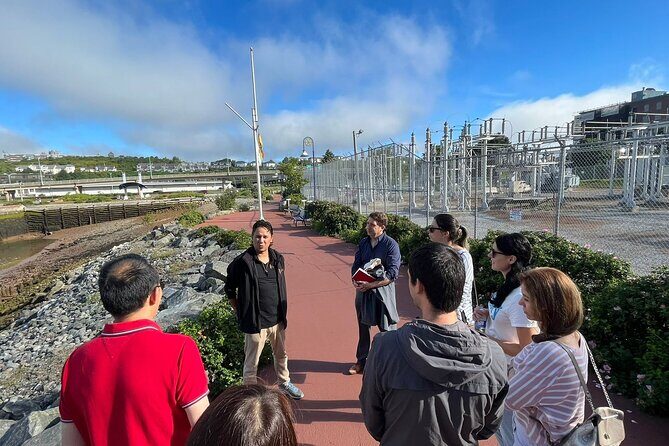
The tour begins at the office at 112 Rue Saint-Paul in Old Port. You get a brief introduction, then you start working your way through the historic streets with your guide.
This early stage matters more than it sounds. When your guide lays out what you’re about to see—where Lower Town sits, why the fortifications exist, how the neighborhoods connect—you’ll notice details you’d otherwise miss. Even the simple street angles start to make sense.
A small bonus: this start point is in the Old Port area, so it’s an easy spot to build your day around. If you want a café stop before or after, you’re already in the right neighborhood.
Lower Town: Place Royale, fortifications, and Petit Champlain
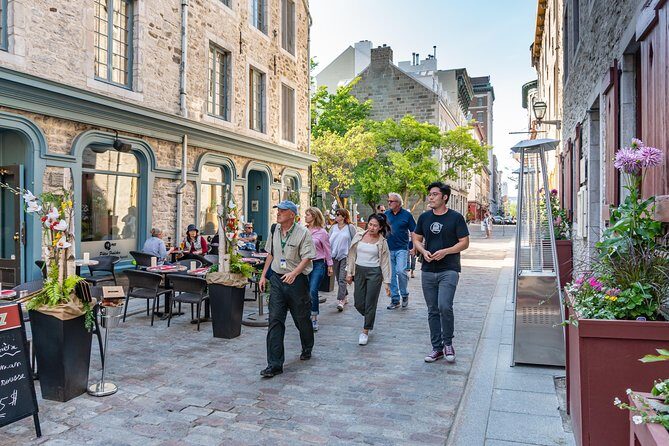
Lower Town is the heart of the older city feel—stone, narrow streets, and layers of French and British influence you can see in the built environment. Your time here is about 50 minutes, and it’s packed with recognizable names.
Here are the kinds of stops you’ll hit and what to look for:
Place Royale
This is where you’ll start to connect the city’s origins to its layout. Look at how the space feels lived-in even centuries later—this isn’t just a photo spot, it’s a street network that still works.
Quebec City Mural
A mural in a historic district can feel like a modern interruption, but it actually helps with context. It gives you a way to understand how Quebec City has kept telling its own story over time.
Fortifications of Québec
You’ll get a sense of why these walls and defenses mattered. On your own, it can be easy to see walls as scenery. With a guide, they become a reason the city developed the way it did.
Quartier Petit Champlain
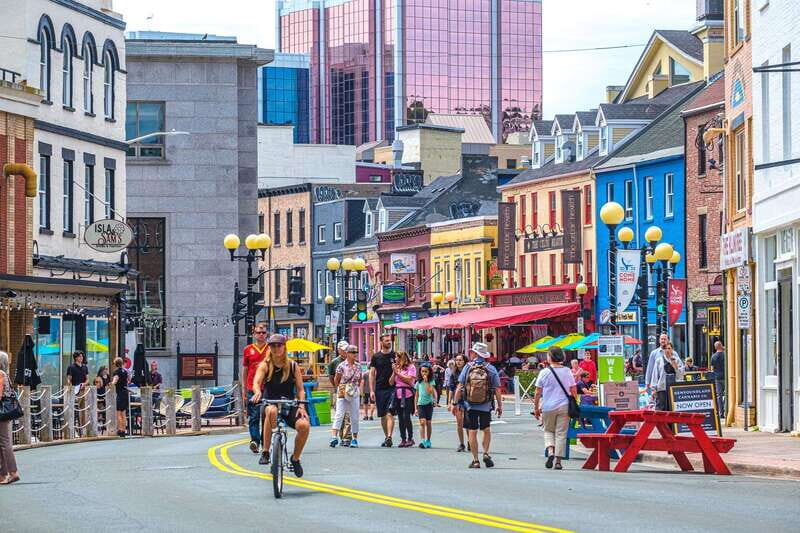
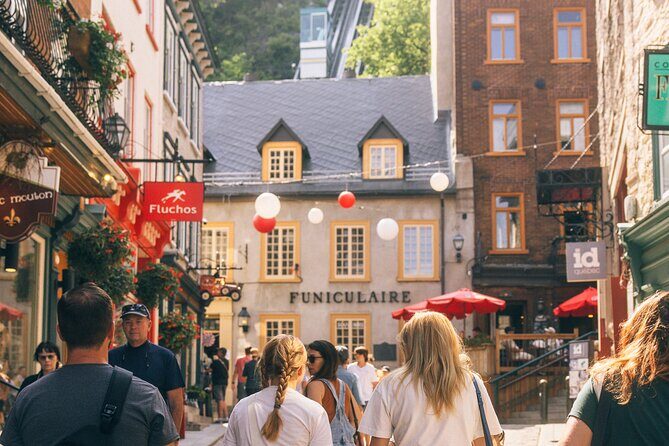
This is the area most people picture when they think of Old Quebec’s charming streets. You’re walking through it while your guide shares what to notice—building shapes, street design, and the feel of a neighborhood that was designed for people, not just tourists.
A practical note from experience: Lower Town can be slippery if the weather is wet or icy. The tour’s route includes a mix of surfaces, so good footwear helps a lot.
The Funiculaire du Vieux-Québec ride: short, steep, unforgettable
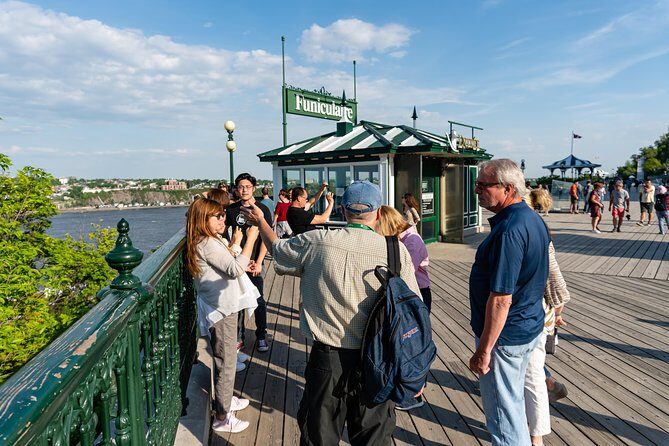
After Lower Town, you transition to the funicular. The ride takes about 10 minutes, and the funicular entrance is included.
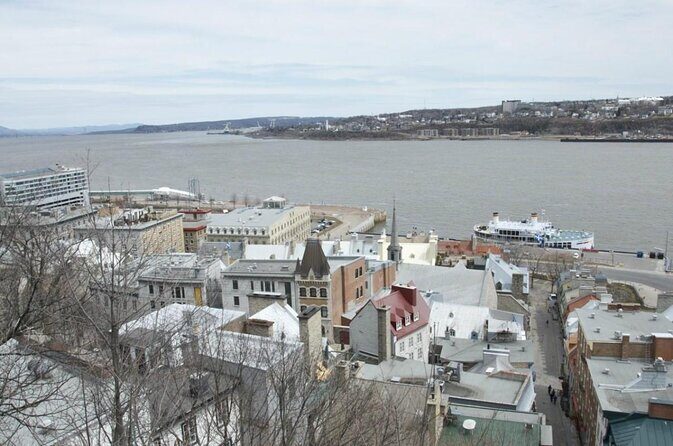
Even if you’ve never used a funicular before, you’ll get why it exists here. The slope is steep enough that walking it would be a workout. The funicular turns that climb into a view moment—especially looking toward the St. Lawrence River as you travel down the hillside (and back toward the Upper Town perspective).
This is one of those experiences that feels small on a schedule but huge on the brain. When you see the city from that in-between height, it’s easier to understand Upper Town’s dramatic sit and why Lower Town grew where it did.
Also, since this is a guided day, you are not stuck staring at your phone looking for landmarks. Your guide helps you connect the views to the streets you just walked.
Upper Town: Château Frontenac to Notre-Dame, all in one pass
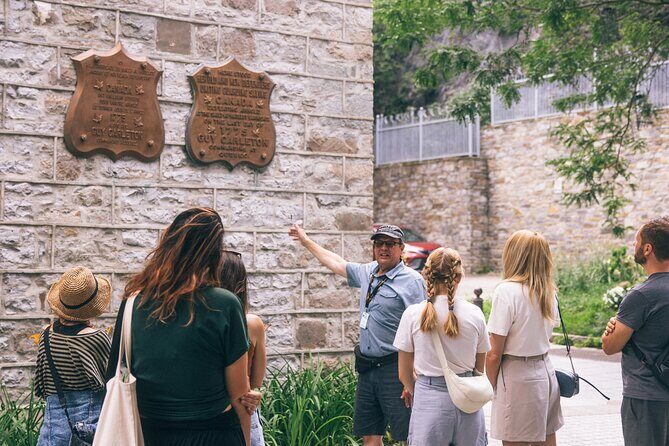
Upper Town is where Quebec City turns theatrical—in a good way. You’ll spend about 50 minutes here, with multiple major stops built into the route.
You’ll get to see:
Château Frontenac
This is the big one. You’ll likely feel it as soon as you see it: the scale, the placement, the way the building dominates the skyline.
Dufferin Terrace
This viewpoint area is part of why people come back to Quebec City again and again. Even if it’s cold, the terrace helps you frame the city as a whole.
Notre-Dame de Québec Basilica-Cathedral
This is not just about seeing a building. Your guide points out architectural and design details so you can read the space instead of only looking at it.
Québec City Hall
It’s a useful marker because it helps you connect Old Quebec’s historic identity to modern civic life in the same city core.
If you like photo stops, Upper Town is where you’ll take the most. If you like history, Upper Town is where the stories start to feel official—public buildings, major landmarks, and the kind of architecture that signals power and permanence.
One pacing tip: in winter or on windy days, you’ll appreciate how the guide keeps the line moving while still giving you time to look up, not just forward.




Small group magic: getting answers, not just facts
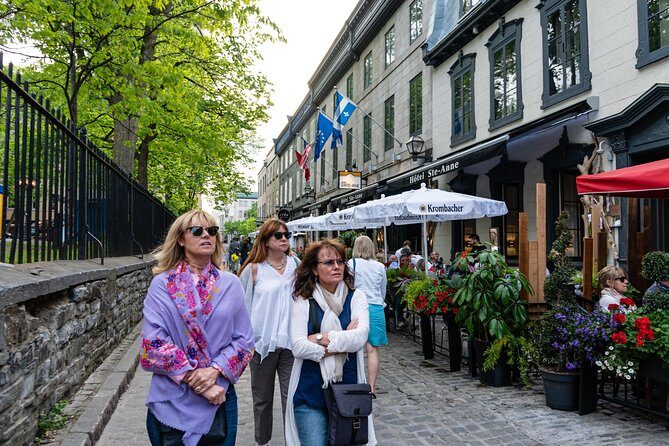
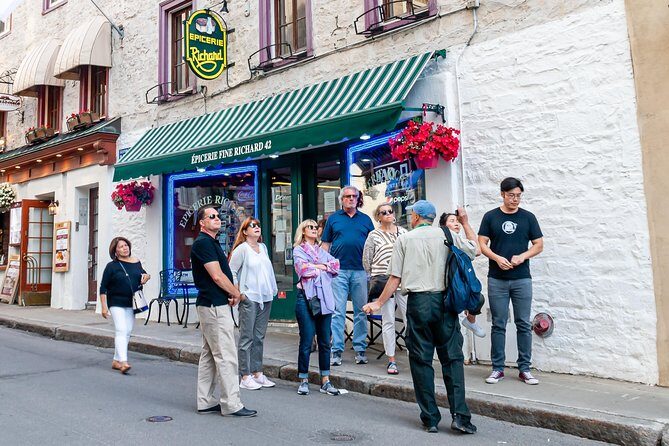
This tour caps at 12 travelers, which is a big deal in Old Quebec. In crowded areas, it’s easy to feel like you’re getting dragged along. Here, the smaller group makes it easier to hear the guide, ask a quick question, and regroup when streets get busy.
The reviews back up what you’d hope for in a small group: guides like Luis, Sam, Lynn, and Pierre are repeatedly praised for combining humor with serious city knowledge. That mix matters. Architecture can sound dry if the guide only lists dates. With a good guide, you start noticing why things look the way they do—and how locals and visitors experience those spaces today.
Pacing is another quiet win. Several guests mention that it feels manageable even on cold winter days, with minimal stairs noted in at least one review. If you’re walking with kids or anyone who tires easily, this structure can be a relief.
Weather comfort also comes up. On very cold trips, one guest described having warm snow boots, gloves, and extra clothing available. You might not get the exact same setup every day, but it’s a good reminder to dress like you actually expect winter.
Price and value: what $42.40 buys you in real time
At $42.40 per person for about two hours, you’re paying for three things that add up quickly in a city like Quebec:
- A licensed local guide who helps you interpret what you see
- A planned route that covers the big geographic split between Lower and Upper Town
- Funicular entrance included, which removes one common tourist planning step
The best value here is time. If you arrive in Quebec City and want to pick the right neighborhoods for the rest of your day, this tour is an orientation that pays off immediately. Many visitors come back to specific spots they learned about on the walk—especially Petit Champlain and the view points in Upper Town.
If you’re the type of traveler who enjoys learning while walking, you’ll feel like the price is fair. If you just want to wander with no context, you might prefer doing it self-guided. But even then, the funicular piece is a helpful shortcut.
Practical tips for a smoother day in Old Quebec
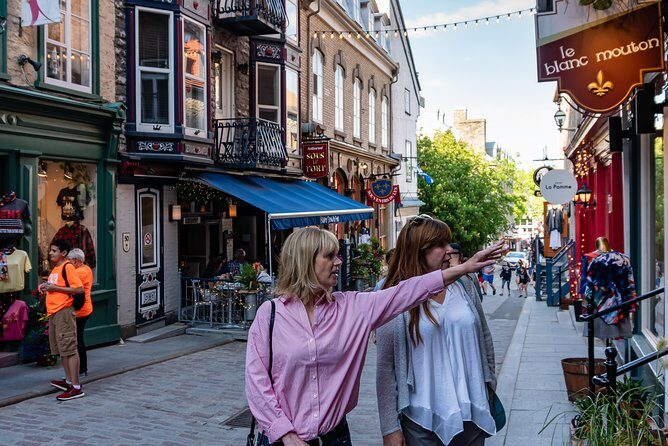
A walking tour sounds simple until you meet the real city: wind off the river, cobblestones, and sudden exposure to open spaces. Here’s how to make the day smoother.
Dress for Old Quebec weather, not your city
One key lesson from winter reviews: cold days can still be enjoyable if you dress for them. If you forget a layer, ask your guide what’s available on site.
Bring traction shoes
Icy steps and slick stone are not theoretical in Quebec City. You don’t need special gear, but shoes with grip are worth it.
Bring a camera, then pause
The best photos are at the right height: while you’re on the funicular, near major terraces, and in the thick street canyons of Lower Town. Your guide will point out where it’s worth stopping.
Plan your rest of the day around orientation
This tour ends near City Hall. From there, it’s easy to build a second half-day around whatever sections clicked for you—whether that means lingering in Upper Town viewpoints or returning to Lower Town streets for coffee and dinner.
Should you book this tour?
Book it if you want a fast, guided connection between Lower Town and Upper Town and you value context more than wandering without a plan. It’s especially worth it as a first day tour, when you’re trying to understand the city’s height and street logic.
Skip it if you only want a slow, independent stroll and you already feel confident navigating Old Quebec’s hills. Also consider whether walking in cold weather is your thing—this tour is built to move, even if it’s paced for a small group.
If you do book, I’d aim to do it early in your stay. You’ll leave with a mental map and landmark sense that makes everything else feel more intentional.