REVIEW · QUEBEC CITY
Quebec City: Old Quebec Historical Walking Tour
Book on GetYourGuide →Operated by Cicerone · Bookable on GetYourGuide
Old Quebec turns into a living lesson. In just two hours, you follow a period-costumed guide through winding streets and big landmarks, with stories that cover roughly 400 years of Quebec City. You also get a rare look at the Château Frontenac side that most visitors miss, but you should plan for a walk that includes some hills and stairs.
I especially love how the tour feels like you’re being led off the main drag, into the city’s details, not just a photo stop list. It’s also great for first-time orientation: the guide ties each place to what came before, then keeps the pace friendly for the group. The main drawback is simple: this isn’t built for wheelchair users, and comfortable shoes matter.
In This Review
- Key Things to Know Before You Go
- A Costumed Guide Makes Quebec City Feel Like a Story
- Where It Starts: Cicerone Check-In on Sainte-Anne Street
- Old Quebec’s Walled Streets and UNESCO Backdrop
- Château Frontenac: Exterior Views Plus Exclusive Hotel Areas
- Dufferin Terrace Stops for Views and City Layout Clues
- Basilica of Notre-Dame de Québec: Faith Meets Real-World History
- Place Royale: The Cradle of French Civilization in North America
- Pace, Comfort, and What the 2-Hour Format Really Means
- Small Group Size: A Tour That Feels Personal Without Dragging
- Price and Value: Why $24 Can Make Sense
- Who Should Book This Old Quebec Walking Tour
- Should You Book This Old Quebec History Walk?
- FAQ
- How long is the Quebec City Old Quebec Historical Walking Tour?
- What does the tour cost?
- What’s included in the price?
- Where do I check in?
- What languages are available?
- Is this tour suitable for wheelchair users?
- What should I bring for the walk?
Key Things to Know Before You Go
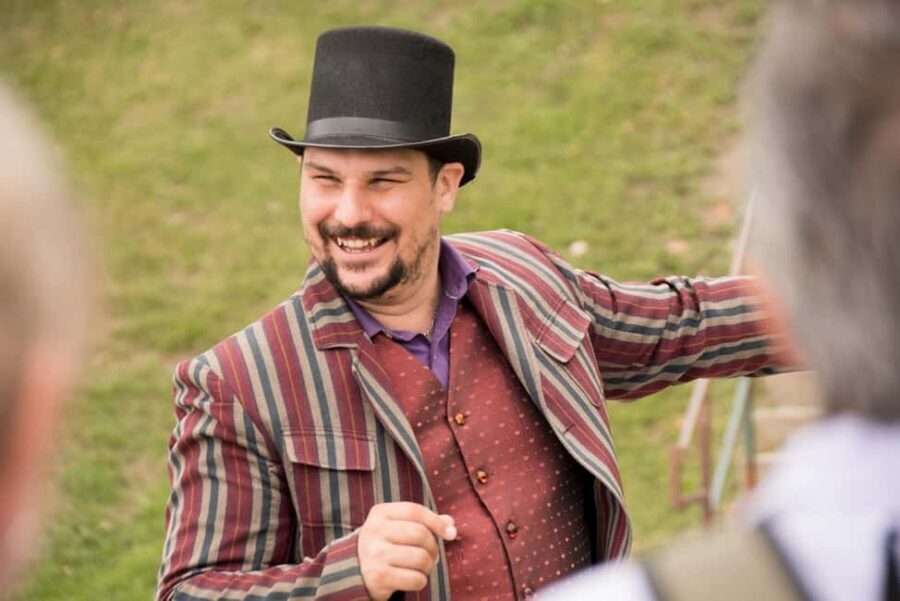
- Colonial-costumed cicerone: Your guide plays a character in full period dress, which makes the history easier to remember.
- 400 years in a tight 2-hour loop: You see major highlights plus lesser-known corners without feeling rushed every second.
- Château Frontenac access: The tour includes entry to exclusive areas of the hotel, not just the usual exterior views.
- UNESCO Old Quebec focus: Walled city streets, proud monuments, and architecture that’s part of the setting, not the background.
- Small-group pacing: You’ll move as a group, but the tour tends to keep everyone included and able to ask questions.
- Bring walking-ready comfort: Comfortable shoes and clothes are a must, since the route includes slopes and steps.
A Costumed Guide Makes Quebec City Feel Like a Story
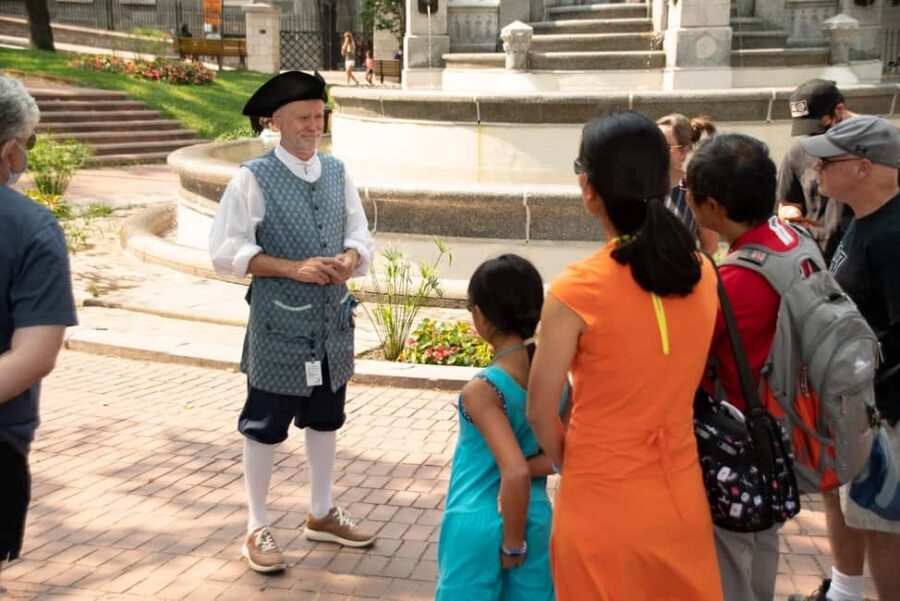
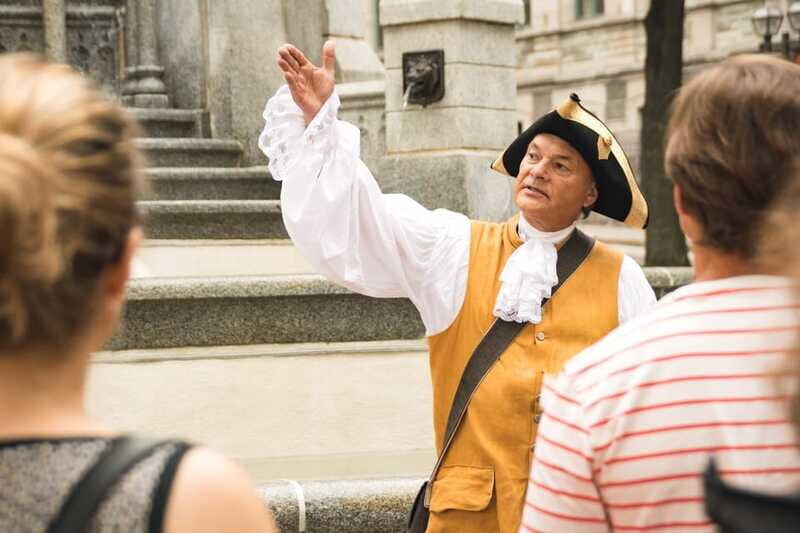
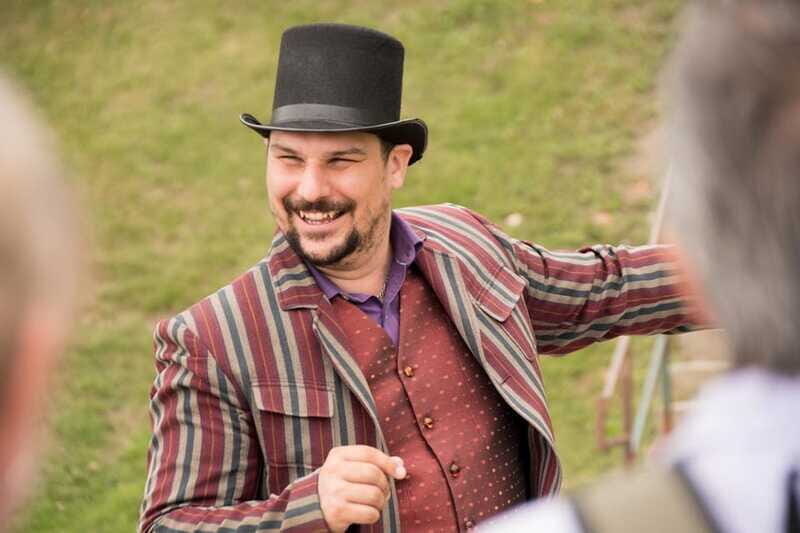
This tour works because it gives history a voice. Instead of a lecture, you meet a guide in character, dressed in colonial-style costume. That little shift matters. When the guide explains why a street bends, why a building looks the way it does, or how power and faith shaped the city, it lands as story—not trivia.
And the tour leans into real personalities from Quebec history. For example, the experience includes guides who have portrayed figures like Louis Hebert (Alex) or Champlain (Kevin, as listed), plus other in-character docents such as Pierre, Bernard, Sylvain, and Gabriel/Jean-Claude-type soldier characters, depending on the departure. Even if the character changes, the goal stays the same: you leave with names, dates, and a sense of cause-and-effect.
The best part is that the guide doesn’t just point. They explain why each place mattered, then connect it to what you’re seeing in front of you right now.
You can also read our reviews of more walking tours in Quebec City


Where It Starts: Cicerone Check-In on Sainte-Anne Street
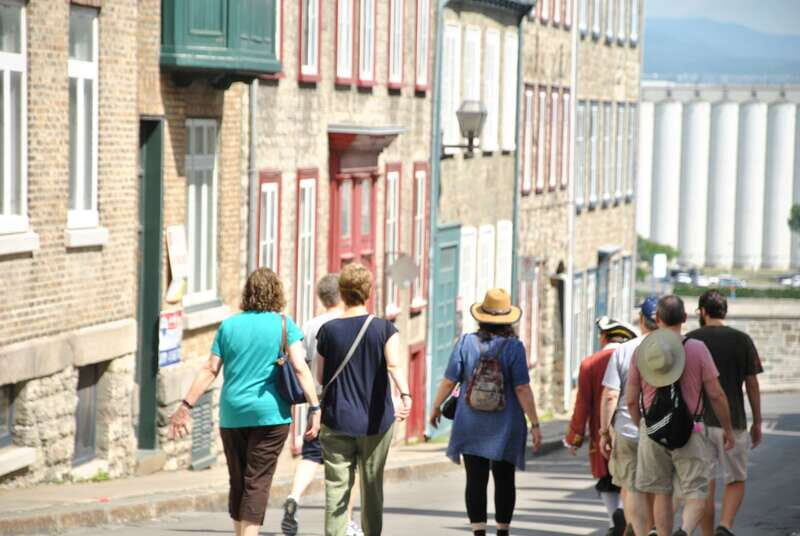
Your meetup point can vary by option, but the fixed check-in location is at the Cicerone information centre, 12 Sainte-Anne St. (G1R 3X2). Plan to arrive a little early so you’re not stressed finding the right person at the start.
Because the tour is only two hours, being on time is worth it. You’ll want that first block of walking to get your bearings in Old Quebec while the guide sets the timeline.
The tour is offered in French and English, and many guides adjust smoothly depending on what the group needs. If you’re traveling with mixed language comfort, this kind of bilingual tour format is handy.
Old Quebec’s Walled Streets and UNESCO Backdrop
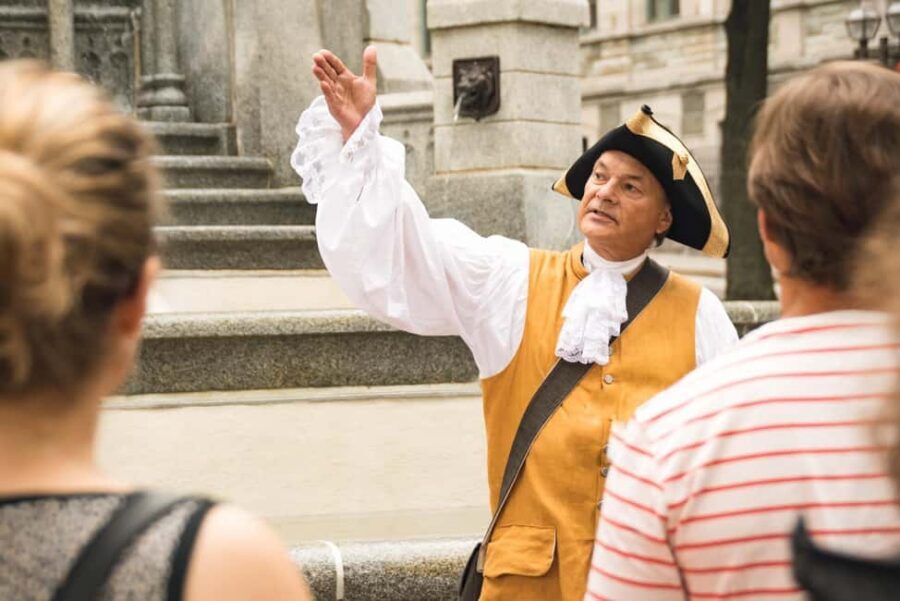
Old Quebec is the kind of place where you feel the layers immediately. The city is one of North America’s rare walled historic cores, and it’s listed as a UNESCO World Heritage site, so the buildings and monuments aren’t just scenery—they’re the evidence.
On this walk, you spend time in the area around the big historic center, including winding streets lined with fine old buildings and proud monuments. The guide’s job is to make those visuals readable. You start seeing patterns: where power sat, where people gathered, and how the city’s identity formed over centuries.
One reason this works so well is that the route is designed to get you off the busiest paths without taking you so far that you lose the sense of the whole place. It’s a good middle ground if you want more character than a standard bus loop, but still prefer a focused hit list.
Château Frontenac: Exterior Views Plus Exclusive Hotel Areas
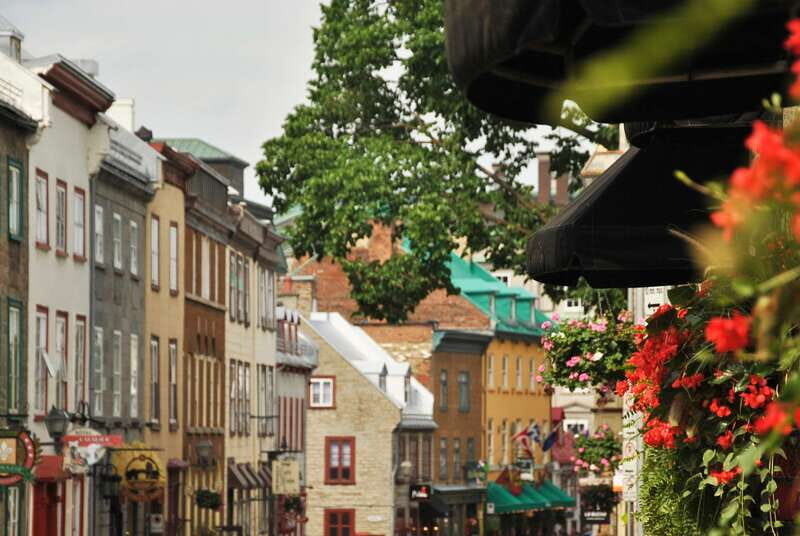
Château Frontenac is the obvious star, but this tour goes further than the outside photo shot. You don’t just admire the exterior architecture. You also benefit from access to exclusive areas of the hotel.
For a value-minded traveler, this is a big deal. Plenty of tours point at the hotel. Fewer give you a chance to experience parts of it from the inside, even if your time there is short. That’s exactly what makes this stop feel special in a 2-hour format.
You’ll also connect the hotel to the city around it—what the grand presence symbolizes, and how the location fits the larger story of Quebec City. If you’re the type who loves architecture but also wants the “why,” this stop delivers.
And yes, if the Château is your top priority, this tour makes it a centerpiece rather than an afterthought.
Dufferin Terrace Stops for Views and City Layout Clues
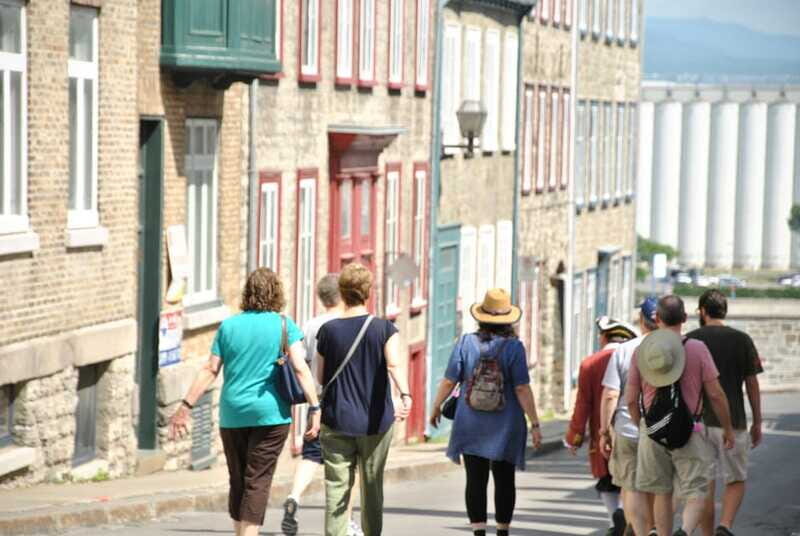
After you start building the big picture, you get a chance to connect it to the geography. The route includes Dufferin Terrace, a place where the views help you understand how the city sits and how people moved through it.
Even if you’re not a big “scenic viewpoint” person, Dufferin Terrace is useful because it gives you context. You can look out and understand scale, then link it to earlier explanations: where the city’s power and activity likely concentrated, and why certain approaches became important over time.
It’s also a good mental reset in a two-hour walk. The pace is guided, but viewpoints make the history feel less abstract.
You can also read our reviews of more city tours in Quebec City





Basilica of Notre-Dame de Québec: Faith Meets Real-World History
Another highlight on your route is the Basilica of Notre-Dame de Québec. This stop matters because it represents more than a pretty facade. The guide ties it to how Quebec City developed, including the religious currents that shaped public life.
If you’ve ever walked into a historic church and felt like you were missing the plot, this is the kind of stop that fixes that. The guide frames what you see, then helps you understand why it’s such a defining part of the city’s identity.
It’s not a long museum-style detour. It’s a “see it, understand it” moment—ideal when your time is limited.
Place Royale: The Cradle of French Civilization in North America
You end up at Place Royale, widely considered the cradle of French civilization in North America. This is one of those places where the ground feels important, because it sits at the start of so many stories about who built what, where, and why.
The guide helps you read the square as a turning point. Not just a historic location, but a node in the web of settlement, governance, and culture. In practical terms, this stop is what makes the walk feel complete: you get major monuments, but you also get a sense of the city’s origins.
If you like walking tours that tell you where history begins and how it spreads outward, Place Royale is the kind of capstone that lands well.
Pace, Comfort, and What the 2-Hour Format Really Means
This tour is two hours long, and that time constraint shapes everything. The good news: you cover a lot of major ground, and the guided story keeps you oriented.
The not-so-good news: you don’t get long breaks. One review-style note you should take seriously is that the route can involve some hills and stairs. Another detail: some guidance is taken to help prevent risk around steep steps, which can shift your walking line toward sloping roads instead. Either way, you’ll still feel the effort.
So here’s my practical advice:
- Wear comfortable shoes with real grip.
- Dress for weather, since you’ll be outside the whole time.
- If you’re sensitive to stairs, go slower than you think you need to at the start, and ask your guide for pacing that fits your comfort level.
Also note: the experience isn’t suitable for wheelchair users, so if mobility is a concern, you’ll want a different plan.
Small Group Size: A Tour That Feels Personal Without Dragging
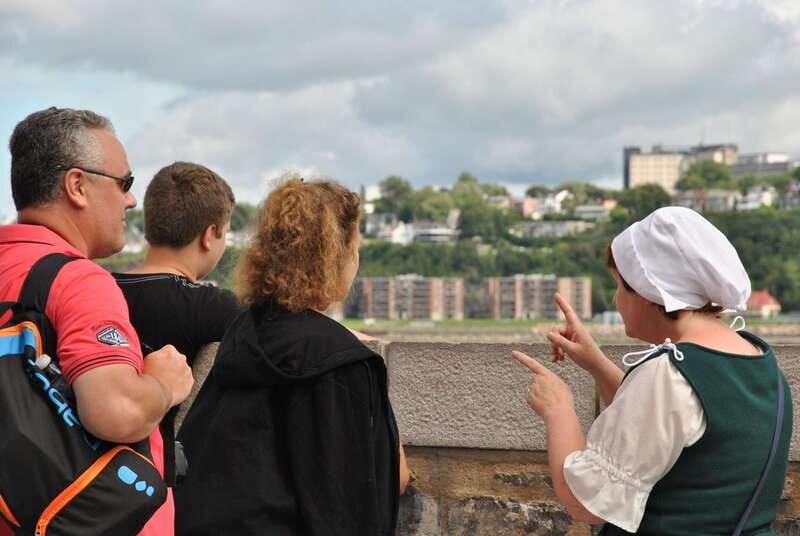
A small-group format is one of the best values here. It helps the guide keep control of the pacing while still leaving space for questions. You don’t feel like you’re being herded down the street, and the guide can adjust on the fly if someone needs a moment.
This matters because the tour isn’t only about seeing sights. It’s about connecting them. When the group is small, you get a better chance to ask follow-up questions and get answers tied to what’s right in front of you.
And the in-character style adds to the “personal” feel. Even guides who speak in role tend to keep the explanation clear enough that you don’t need a history degree to keep up.
Price and Value: Why $24 Can Make Sense
At $24 per person for a two-hour walking tour, you’re paying for three things:
- A guide who can explain what you’re seeing in a way that clicks.
- The added energy of period-costume storytelling.
- Access to exclusive areas of Château Frontenac, not only exterior views.
If you’d otherwise spend your time doing a self-guided walk, you’d still see the sights. But without a guide, the connections between places can take longer to form. With this tour, you get that structure quickly, which is especially valuable if it’s your first day in Old Quebec.
And because the group is small and the tour stays focused on key highlights, you’re less likely to waste time moving between unrelated stops. For short trips, that efficiency is real money value.
Who Should Book This Old Quebec Walking Tour
I’d point you toward this tour if:
- You’re visiting Old Quebec for the first time and want a strong overview.
- You like your history with a story shape, not a lecture.
- You want Old Quebec’s highlights and the feeling of going off the busiest track.
- Château Frontenac is on your “must see” list and you’d like more than a photo.
I’d skip it or choose a different format if:
- Mobility is an issue for you (it’s not suitable for wheelchair users).
- You’re hoping for lots of long interior time or museum-style stops.
- You want a slow, unstructured walk with plenty of sitting breaks.
Should You Book This Old Quebec History Walk?
If you want a practical way to understand Quebec City fast, this is a very strong pick. The tour checks the boxes that matter in real travel: a clear 2-hour timeline, period character storytelling, and special access at the Château Frontenac. You’ll also get the essentials like Dufferin Terrace, Basilica of Notre-Dame de Québec, and Place Royale, tied into a bigger timeline instead of standing alone.
Just be honest with yourself about walking comfort. If hills and stairs are likely to slow you down, pack for it and plan to take your time.
Book it if you want your first impressions to come with context, not just landmarks.
FAQ
How long is the Quebec City Old Quebec Historical Walking Tour?
The tour lasts 2 hours.
What does the tour cost?
It costs $24 per person.
What’s included in the price?
You get a 2-hour walking tour and a licensed guide in period costume.
Where do I check in?
Check in at the Cicerone information centre, 12 Sainte-Anne St., G1R 3X2.
What languages are available?
The tour runs in French and English.
Is this tour suitable for wheelchair users?
No. It is not suitable for wheelchair users.
What should I bring for the walk?
Bring comfortable shoes and comfortable clothes.