REVIEW · QUEBEC CITY
Old Quebec City: Grand Walking Tour with Private Option
Book on GetYourGuide →Operated by Tours Voir Quebec · Bookable on GetYourGuide
Old Quebec has a way of making time feel smaller. This 2-hour grand walk turns the UNESCO World Heritage streets into an easy story you can follow, with stops at the big sights and a few details most people miss. It’s an efficient way to learn where everything is and how it all connects, from Upper Town viewpoints down toward the lower-town fun.
I especially like the mix of iconic stops and photo moments that give you instant orientation. You’ll hit Dufferin Terrace for that wide-view payoff, then work your way through places like Place Royale and the Fortifications where the city’s strategy becomes obvious. A second thing I love: the guide-led pace. The tour is built around clear explanations and smart stops, and guides such as Dominique and Mark have earned praise for making history feel personal and even funny, not like a lecture.
One consideration: you’re walking on historic streets with hills and cobbles, and the tour isn’t set up for wheelchairs or mobility impairments. If sound is an issue, bigger groups can make it harder to hear at some points, so it helps to plan for a steady walking pace and good listening spots.
In This Review
- Key highlights you’ll actually feel
- A smart way to get your bearings in Old Quebec
- Starting inside the Tourist Information Center on Rue Sainte-Anne
- City Hall and the castle-like Upper Town feel
- Dufferin Terrace: the view stop that pays off your walking effort
- Ursulines Chapel and the institutional side of Quebec
- Seminary of Quebec and more Upper Town context
- Fortifications of Quebec: where the city’s defense becomes clear
- Place Royale: the oldest core you can picture
- Quartier Petit Champlain and finishing at the Funiculaire
- What makes the guides matter so much
- Pace, footing, and weather planning (so you’re comfortable)
- Price and value: why $29 feels fair for a 150-minute guided walk
- Private option for 2½ hours: when you should choose it
- Quick reality check: who should book this?
- FAQ
- FAQ
- Where is the meeting point?
- How long is the tour?
- What languages are offered?
- Is this tour suitable for wheelchair users or people with mobility impairments?
- Does the tour run in bad weather?
- What should I wear and bring?
- Are kids allowed?
- Should you book Old Quebec City: Grand Walking Tour?
Key highlights you’ll actually feel
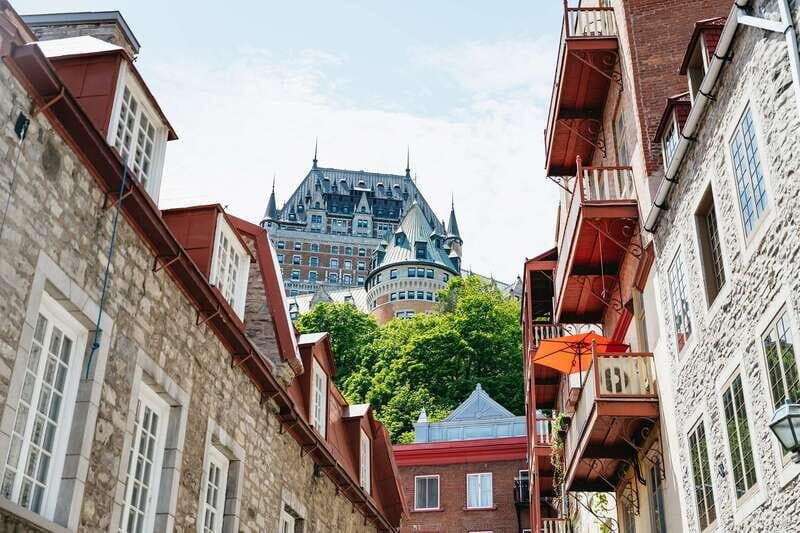
- Dufferin Terrace photo stop with a big-picture look over the surrounding area
- Fortifications of Quebec where the walled-city design explains the whole city’s past
- Place Royale as the oldest core you can stand in and picture centuries of change
- Ursulines Chapel and other Upper Town stops that explain how Quebec’s institutions shaped daily life
- Small-group format that keeps you moving with time for questions
- Finish at the Funiculaire du Vieux-Québec so you’re positioned to keep exploring with less backtracking
A smart way to get your bearings in Old Quebec

Old Quebec City is compact on a map, but it can feel like a maze once you’re there—especially with the elevation changes. This walking tour fixes that fast. You start in Upper Town and gradually make your way through key landmarks, with stops designed to help you understand what you’re looking at instead of just ticking off buildings.
The best part is how the tour balances “big-name sights” with context. City Hall’s castle-like look is nice, but the guide’s commentary helps you see why that architecture fits the city’s identity. Dufferin Terrace is gorgeous, but you also get reasons for the view and how it connects to the river and surrounding terrain. You end the tour with a clear sense of where you are and what to do next.
If your goal is an introduction you can build on—without spending your whole day walking blind—this format does the job.
You can also read our reviews of more walking tours in Quebec City


Starting inside the Tourist Information Center on Rue Sainte-Anne
You’ll meet at the Tours Voir Quebec sales desk inside the Tourist Information Center at 12 Rue Sainte-Anne. That detail matters. The desk is inside, not on the street corner, so arrive a few minutes early and look for the Tourist Information Center entrance.
From there, you move into the Old Quebec flow with a guide who leads at a relaxed pace and keeps things organized downhill through the core. Expect a true walking experience—this is not a bus tour where you can hop on and off at will. You’ll want comfortable shoes and a camera ready, because you’ll hit several photo pauses.
Good to know: the tour is offered in English and French, and guides are live on the ground throughout the walk.
City Hall and the castle-like Upper Town feel
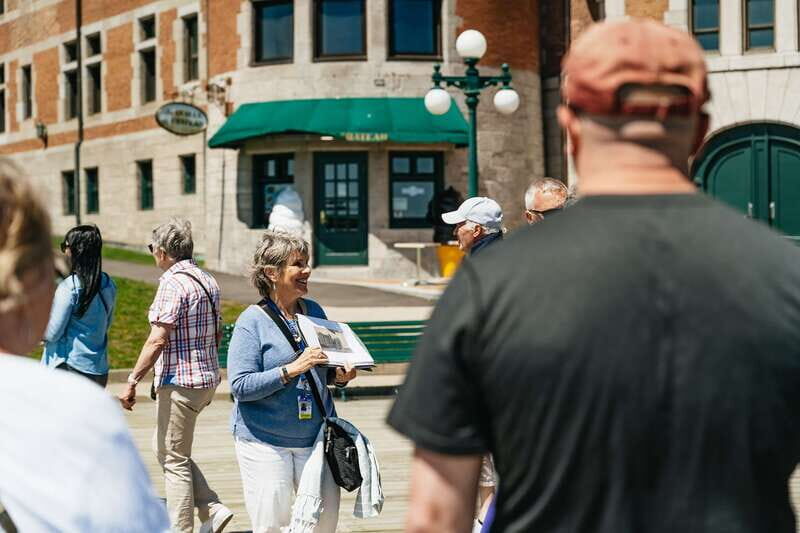
One of your earliest anchors is Place de l’Hôtel de Ville and the impressive City Hall setting. The architecture has that “fortified grandeur” vibe you see in a lot of old European capitals, and it’s a great early stop because it frames the rest of the route.
What’s valuable here is not just the building itself, but what it signals. In Old Quebec, power, administration, and defense were never separate ideas. When you see City Hall early, the later Fortifications stop makes more sense, like the city is telling one continuous story.
Practical tip: if you’re photographing, use the early moments to get at least one wide shot. Lighting in Old Quebec changes quickly as you descend, and you’ll be grateful later when you want a consistent set of photos.
Dufferin Terrace: the view stop that pays off your walking effort
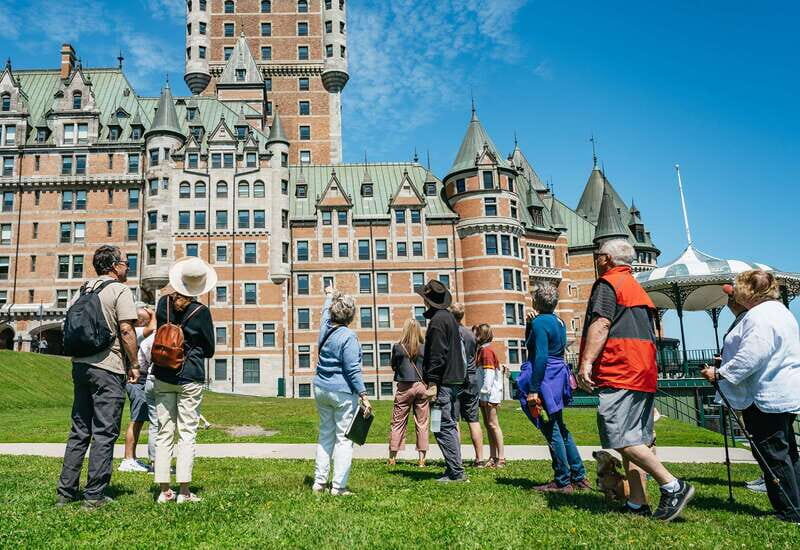
Then comes the Terrasse Dufferin, plus a viewpoint photo stop along the way. This is the part of the tour that most people feel immediately: the view makes you slow down.
This terrace is famous for a reason. It gives you a wide sense of how Quebec City sits around the river and surrounding terrain, and it helps you visually connect Upper Town to everything below. Even if you’re not a “view person,” you’ll appreciate it because it turns streets into geography.
One small planning note: in winter or cold weather, bring a layer you can manage while walking. The tour runs in all weather and may adapt if conditions get rough, but you’ll still spend time outside for those photo pauses.
Ursulines Chapel and the institutional side of Quebec
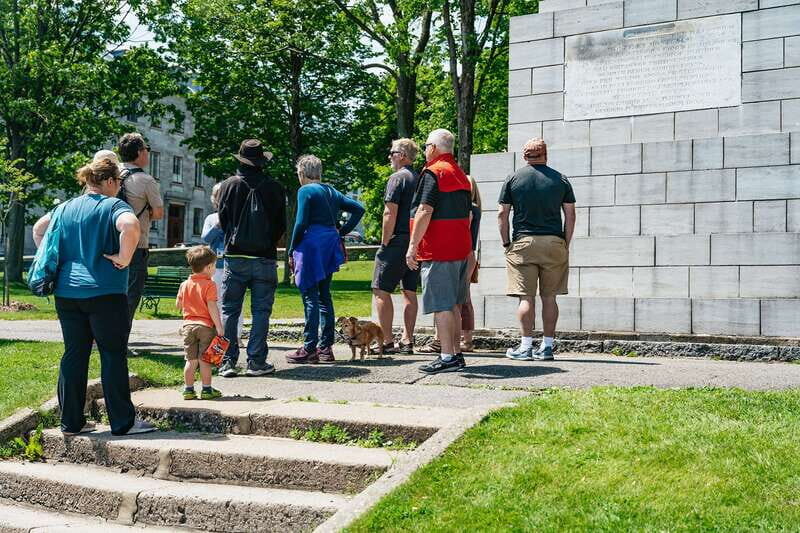
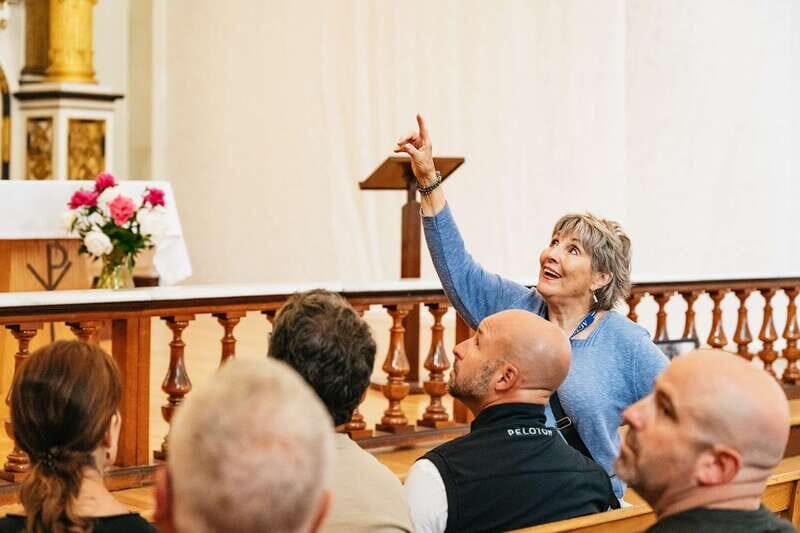
Next you’ll visit the Ursulines Chapel. This isn’t just a pretty stop. It helps explain how Quebec’s religious and educational institutions shaped life in ways that still show up in the city’s layout and landmarks.
Chapel visits can sometimes feel like a quick look-and-keep-moving moment on tours. Here, the structure of the walk gives the guide room to talk through why the building matters, what to notice, and how it fits into the larger Quebec story.
If you like understanding the city’s “why,” this stop is a good midpoint. It keeps you from seeing only stone-and-towers; you also start to see people, systems, and influence.
You can also read our reviews of more city tours in Quebec City




Seminary of Quebec and more Upper Town context
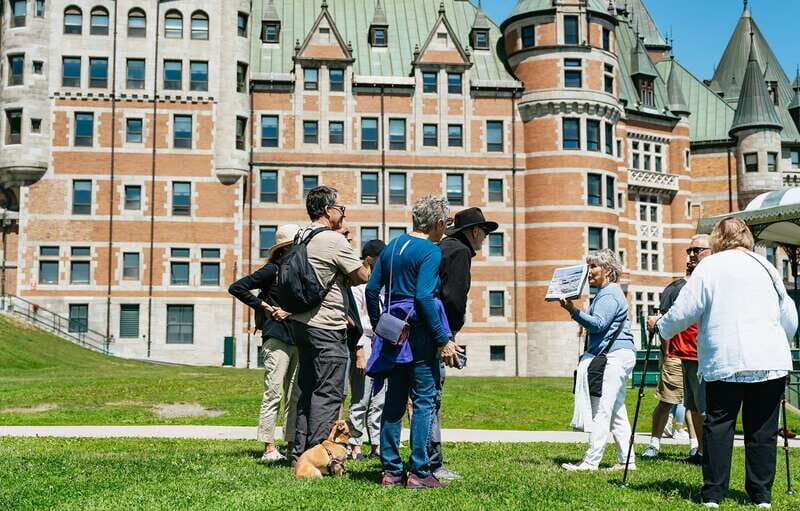
You’ll also make time for the Seminary of Quebec. This is another stop where the architecture and the institution go together. In Old Quebec, the big landmarks weren’t random—they were part of how the city organized authority, learning, and long-term stability.
This stop works especially well if you enjoy a tour that connects dots. The Fortifications later will feel less like trivia and more like logic. You’ll see how a walled city still needed education, religious centers, and administrative support to function.
If you’re short on time in Quebec City, I like that the route doesn’t wander. It stays tight to the areas where you can learn a lot per minute.
Fortifications of Quebec: where the city’s defense becomes clear
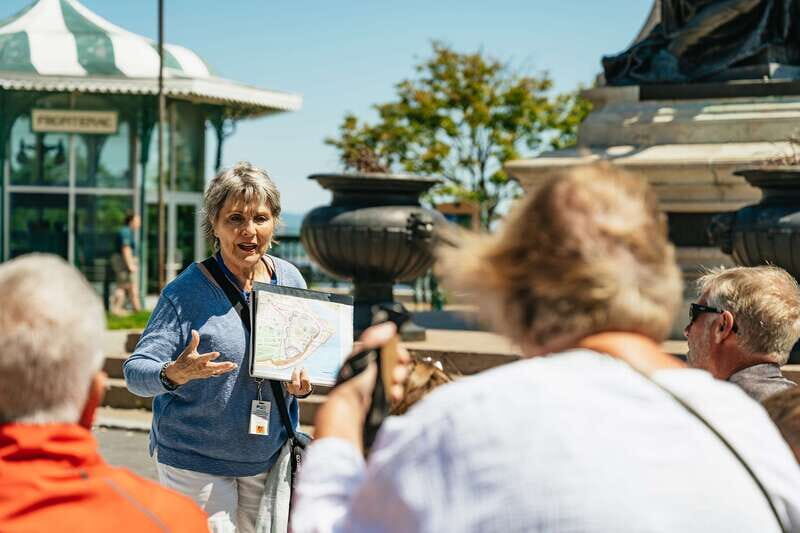
The Fortifications of Quebec National Historic Site of Canada is the anchor for anyone who likes real-world history. Once you’re near the walls and defenses, you stop thinking of them as decorations. The fortifications start to explain how the city protected itself and why those vantage points matter.
This is also one of the rare spots where you can feel the layout as you move. The walls change what you notice: sightlines, elevation, and the sheer effort it took to build and maintain a walled city in North America.
It’s a guided walk, so you’re not stuck reading signs you might not understand. You get the story in a way that makes you look around more carefully.
Practical note: the route includes climbing and uneven ground. If you’re the type who hates being rushed, you’ll still be able to keep up because the tour is paced to be manageable, but it’s still a walking tour through old cobbles.
Place Royale: the oldest core you can picture
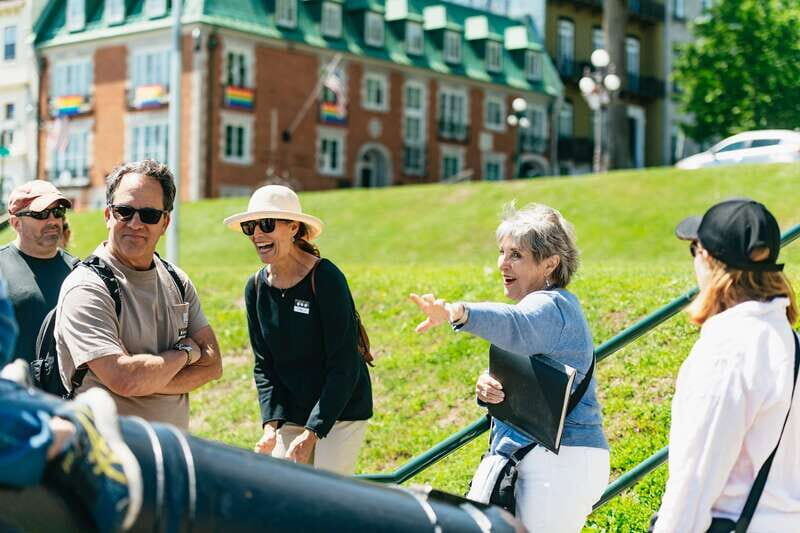
Then you reach Place Royale, which sits at the heart of Old Quebec’s earliest story. This is one of those places where the stones feel like a stage set—until you learn what happened here and why the location mattered.
What I like about this stop is how it shifts your perspective. Earlier landmarks help you understand the city’s structure. Place Royale helps you understand its beginnings. You’re walking through the part of Quebec City that helped establish the whole urban rhythm that came later.
If you’re hungry to continue exploring after the tour, Place Royale is also a useful reference point. You’ll know where you are and what direction to head when you want to wander on your own.
Quartier Petit Champlain and finishing at the Funiculaire
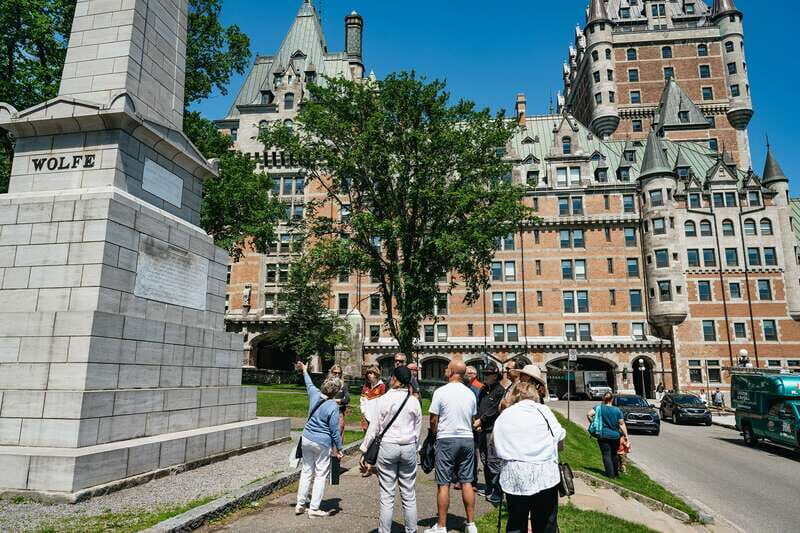
Finally, you’ll reach Quartier Petit Champlain and then finish at the Funiculaire du Vieux-Québec. Petit Champlain is where Old Quebec starts to feel more intimate—less about wide views and more about street-level charm.
Ending at the funicular is a smart touch. It puts you at a natural transition point so you can keep going without having to undo your steps. If you’re planning a meal or heading further into the lower town, that finish makes it easier to do it efficiently.
Even if you don’t ride the funiculaire right away, you’ll benefit from the geography. The tour ends where you can turn your new understanding into your own route.
What makes the guides matter so much
This tour lives or dies on the guide, and the evidence in the guide style is pretty clear. Guides such as Dominique, Mark, Robert, Francis, Yves, and Louise have been praised for mixing facts with storytelling that stays interesting.
You’ll likely notice three things during the walk:
- Explanations that connect the building to the wider Quebec story
- A sense of humor that keeps the tone light even when discussing serious topics
- Answers to questions, not just a scripted route
That matters because Old Quebec can be easy to misunderstand if you treat it like a postcard. A strong guide helps you read the city like a text—chapter by chapter, stop by stop.
Pace, footing, and weather planning (so you’re comfortable)
This is an outdoor walking tour and it runs in all weather conditions, with possible adaptations in bad conditions. In practice, that means you should expect the experience to stay guided, but your route timing and comfort level may change when snow or rain hits.
A few practical notes:
- Wear weather-appropriate clothing and bring layers. Winter can be long on cobbles.
- Use comfortable walking shoes. The ground in Old Quebec isn’t flat.
- Bring a camera, since you get specific photo pauses at key viewpoints and landmarks.
During winter, you can also purchase hand and toe warmers at the counter. That’s an easy win if you’re staying in town through cold snaps.
One more consideration: the tour is described as small group sizes, but if your group ends up larger, it can be harder to hear at some points, particularly on busy stretches. If sound matters, choose a spot near the front when you can.
Price and value: why $29 feels fair for a 150-minute guided walk
At $29 per person for about 2 hours to 150 minutes, the value here comes from the mix of time and direction. You’re not paying for transit or separate museum tickets—this is mostly guidance, timing, and interpretation as you walk through the city’s most important zones.
Here’s how that value works in real life:
- You get an organized route through the exact areas that are otherwise tricky to place.
- You gain context at each stop so you can enjoy the sites more when you return later on your own.
- You finish in a convenient location (Funiculaire du Vieux-Québec) that makes continuing easy.
What’s not included is anything you might want to drink or snack on the way. Plan a water bottle and a light snack if you tend to get hungry on walks.
Compared to spending half a day “finding your way” with only signs to guide you, this price usually makes sense—especially if it’s your first time in Quebec City.
Private option for 2½ hours: when you should choose it
If you like your history and architecture personalized—or you’re traveling with family and want room for questions—the private walking tour (about 2½ hours) is a solid upgrade.
Private time can be especially useful if:
- You want to spend more time at the fortifications or viewpoints for photos
- You’re traveling with kids and want a calmer pace
- You care more about architecture than background, or vice versa
Even if you don’t think you need private, I’d consider it if you prefer a quieter experience or want tighter control over stops.
Quick reality check: who should book this?
You should book this tour if you want:
- A well-paced introduction to Old Quebec that helps you navigate afterward
- Stops that include City Hall, Dufferin Terrace, Ursulines Chapel, Place Royale, and the Fortifications
- A guided walk with real commentary in English or French
- A route that ends near the funicular so you can keep exploring
You might want to skip or choose something else if:
- You use a wheelchair or have mobility limits, since the tour isn’t suitable for mobility impairments
- You hate walking on uneven streets and hills
- You’re looking for a mostly indoor experience (this tour is outdoors)
FAQ
FAQ
Where is the meeting point?
You check in at the Tours Voir Quebec sales desk inside the Tourist Information Center at 12 Rue Sainte-Anne. The desk is inside, not outside.
How long is the tour?
The standard grand walking tour runs about 2 hours to 150 minutes. A private option runs about 2½ hours.
What languages are offered?
The live guide offers tours in English and French.
Is this tour suitable for wheelchair users or people with mobility impairments?
No. This tour is not suitable for people with mobility impairments, and it is not for wheelchair users.
Does the tour run in bad weather?
Yes. The tour takes place in all weather conditions, though it may be adapted due to inclement weather.
What should I wear and bring?
Wear weather-appropriate clothing and comfortable walking shoes. Bringing a camera or camcorder is also a good idea.
Are kids allowed?
Yes. Children aged 7 and younger may participate for free with a paying adult.
Should you book Old Quebec City: Grand Walking Tour?
If it’s your first time in Quebec City, I’d book it. For the price, you’re getting a guided route through the core landmarks people most want to see—plus the explanations that help it all make sense. Start your trip with this, then use what you learned to explore on your own with better instincts.
Just be honest with yourself about walking comfort. If hills and cobbles are an issue, or if you need wheelchair-friendly access, this one isn’t the right fit.