REVIEW · MONTREAL
Montreal: The Original Locally Owned Street Art Walking Tour
Book on GetYourGuide →Operated by Spade & Palacio Non-Touristy Tours · Bookable on GetYourGuide
Street art changes block by block. This 2-hour walk on Saint-Laurent Boulevard and the Main area is one of the easiest ways to understand why Montreal treats walls like public conversation. You’ll see murals by both local and international artists, from small street-level pieces to massive works reaching 10 storeys.
I especially love the small-group setup (max 10 people). It keeps the pace comfortable, and guides can actually point out details instead of rushing everyone along. The potential downside: you’ll do a moderate amount of walking on outdoor surfaces, and weather can turn fast in Montreal.
For $32, you’re paying for context, not just photos. I think it’s good value if you want the meaning behind the art and a practical list of where to eat and drink afterward, ending at Park of Portugal.
In This Review
- Key things I’d zoom in on before you go
- Saint-Laurent Boulevard: Why this route feels like an open-air gallery
- Where to meet (and how to avoid the usual start-of-tour scramble)
- The first 20 minutes: getting the street-art language in your head
- Sightseeing hour: the zigzag through alleys, wheat pastes, and big statements
- The Main area: east vs west, and why the guide’s comparisons help
- MURAL Festival segment: seeing what’s new and why it matters
- How pace and group size affect your experience (in a good way)
- End point at Park of Portugal: easy to keep the momentum
- Price and value: $32 for context, not just pictures
- Who should book this Montreal street art walk
- Practical tips so you enjoy it more
- Should you book this tour?
- FAQ
- How long is the Montreal street art walking tour?
- What does the tour cover?
- Where is the meeting point?
- Where does the tour end?
- How big is the group?
- Is the tour offered in English?
- Is it wheelchair accessible?
- Do I need to arrange my own transportation to the start?
Key things I’d zoom in on before you go
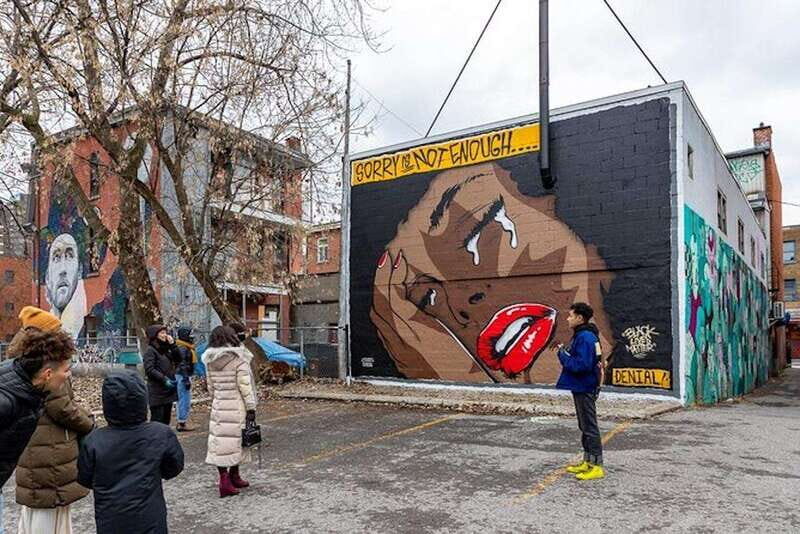
- A true Saint-Laurent and Main focus that frames the city’s east vs west vibe through murals
- Local guides with real street-art context, including technique and meaning, not just names on a plaque
- MURAL Festival time built in, so you see what’s new and what the community is celebrating
- Small group (10 max) for better viewing, better questions, and less crowd chaos
- A zigzag route through streets and alleys, so the art feels like an unfolding neighborhood map
- Value includes recommendations, so you leave with ideas for food and bars, not just memories
Saint-Laurent Boulevard: Why this route feels like an open-air gallery
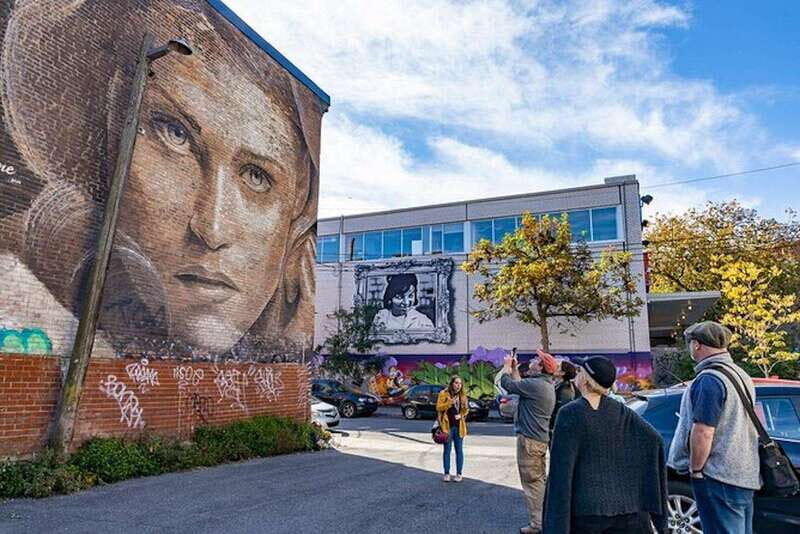
Montreal’s street-art scene has a reputation for a reason. This tour centers on Saint-Laurent Boulevard, one of the city’s main arteries, and uses it like a timeline you can walk through. The guide’s job is to connect each wall to the bigger picture: why artists work here, how styles shift, and how the public shapes what gets painted.
You’ll also cross the area around the Main, the line that helps divide Montreal’s east and west. That matters because the city’s art culture isn’t one-note. You’ll get a sense of how different neighborhoods develop different tastes, even when the street-art language stays familiar.
You can also read our reviews of more walking tours in Montreal



Where to meet (and how to avoid the usual start-of-tour scramble)
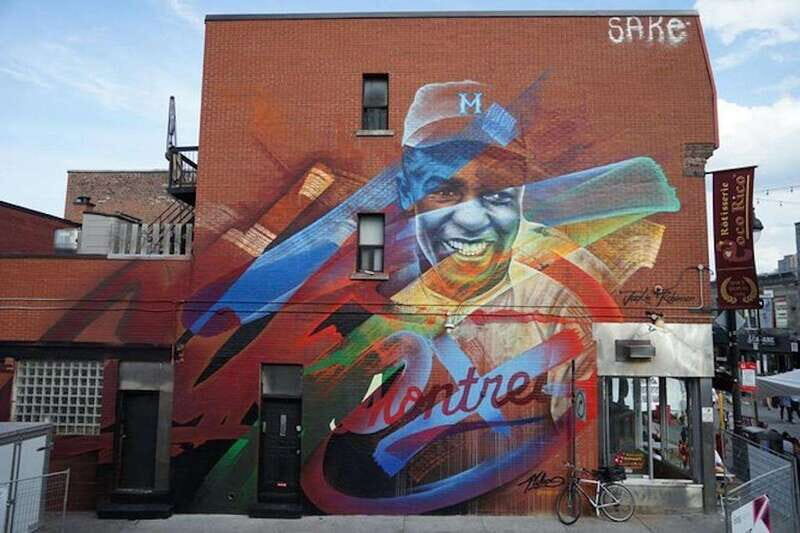
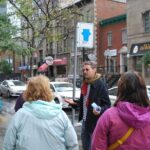
Start at 3526 Boul. Saint-Laurent, outside on the street next to a red fire hydrant. The directions are very specific: don’t ring the doorbell or try to go inside. Your guide should be there about 10 minutes early, which is a nice buffer when you’re trying to find the right spot.
Getting there is straightforward. From Saint-Laurent Métro Station, it’s about a ten-minute walk uphill. If you’re using transit, grab the 55 bus north and get off at rue Prince-Arthur, then walk back toward the address for two minutes. You should also be able to spot an Irish pub not far across the street, which can help you orient quickly.
This kind of clear meeting point helps a lot. It means you don’t burn your best photo-taking minutes orbiting the block.
The first 20 minutes: getting the street-art language in your head
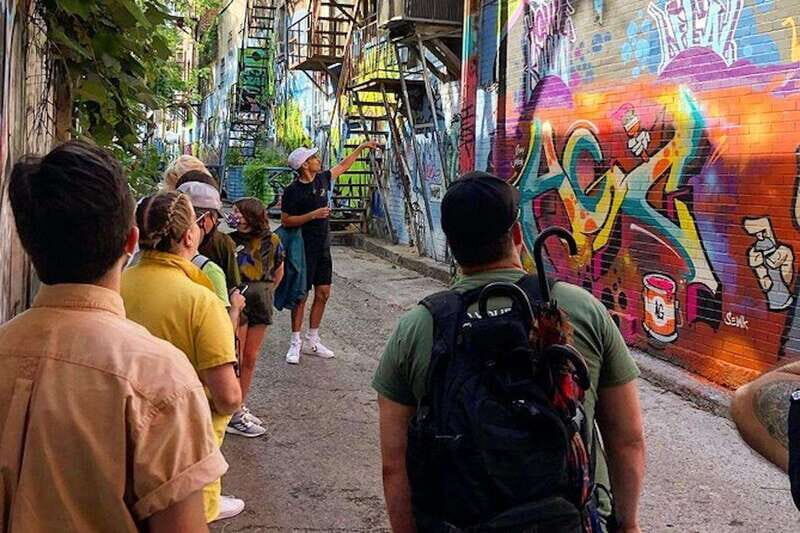
Right away, the tour settles you into the theme. You’ll start with short guided segments that act like a primer—how to look at murals, what questions to ask, and how street art can be political, personal, or purely aesthetic. This early setup pays off because the rest of the walk becomes easier: you notice details sooner and you understand what you’re seeing instead of just guessing.
In this stage, I like that the tour doesn’t treat art like a scavenger hunt. You’re coached to look for technique and to listen for meaning. That makes even smaller pieces worth stopping for, like small installations the guide will point out as you move.
Sightseeing hour: the zigzag through alleys, wheat pastes, and big statements
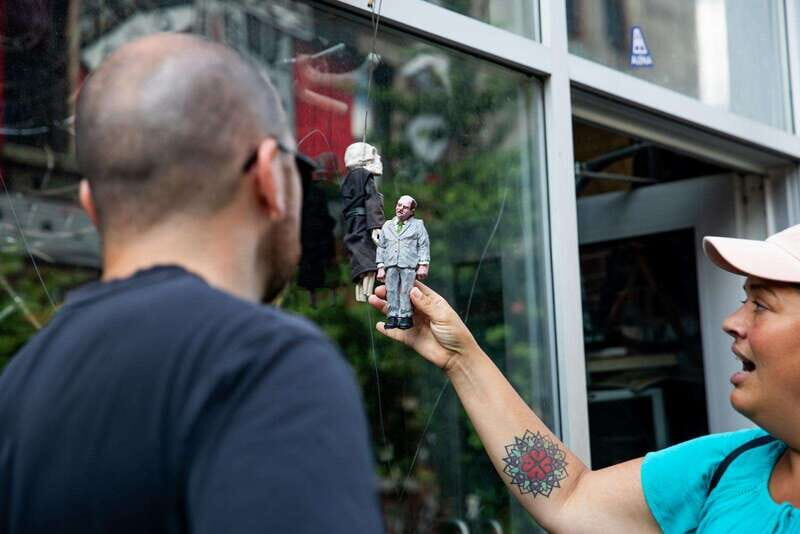
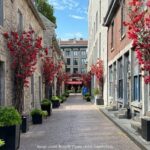
After the intro, you shift into about an hour of sightseeing with a local guide moving you through streets and alleys. The route is described as a zigzag walk, which is exactly what you want for street art. It prevents the tour from feeling like a long sidewalk parade and lets you catch art at different heights and angles.
You’ll see a range of work. Some pieces are small and the guide may show you what to look for up close. Others are enormous, including massive works that can reach 10 storeys tall. That contrast is a big part of the point: street art in Montreal isn’t limited by size or by rules.
You’ll also hear about street styles such as wheat pastes. Even if you’ve never seen that technique before, the guide can help you connect it to street-art history and community practices—why certain materials show up, how posters and paste-ups move through neighborhoods, and how artists build momentum.
The Main area: east vs west, and why the guide’s comparisons help
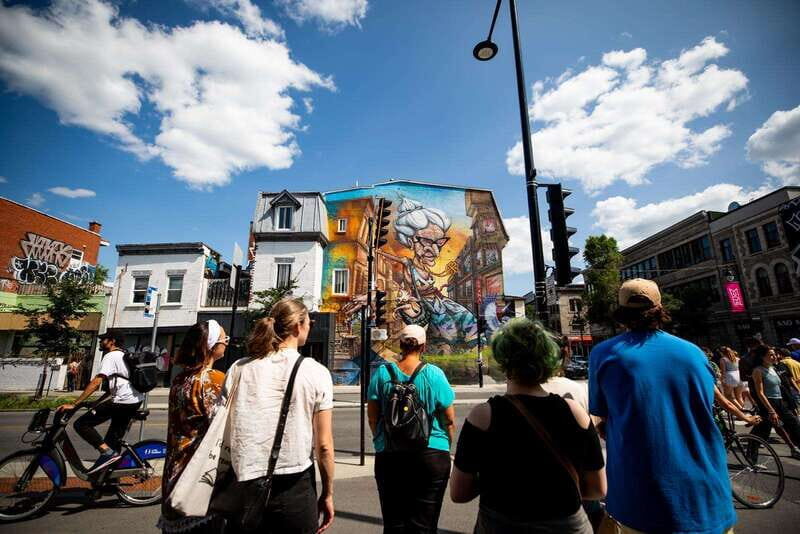
Walking along the Main is more than a geographic marker. The guide frames it like a cultural dividing line, so you learn to read the neighborhood through its walls. That’s where you start picking up patterns: what gets repeated in different areas, what changes, and how artists respond to their surroundings.
This section also helps you understand Montreal’s density of art-making. The tour highlights that the city has one of the largest concentrations of artists in Canada. You feel that not through a lecture, but through volume—more walls, more styles, more chance encounters with fresh work.
If you’re the type who normally walks with your eyes down, this part flips the habit. You’re trained to look up, angle your body for better photos, and slow down for details.
A few more Montreal tours and experiences worth a look


MURAL Festival segment: seeing what’s new and why it matters
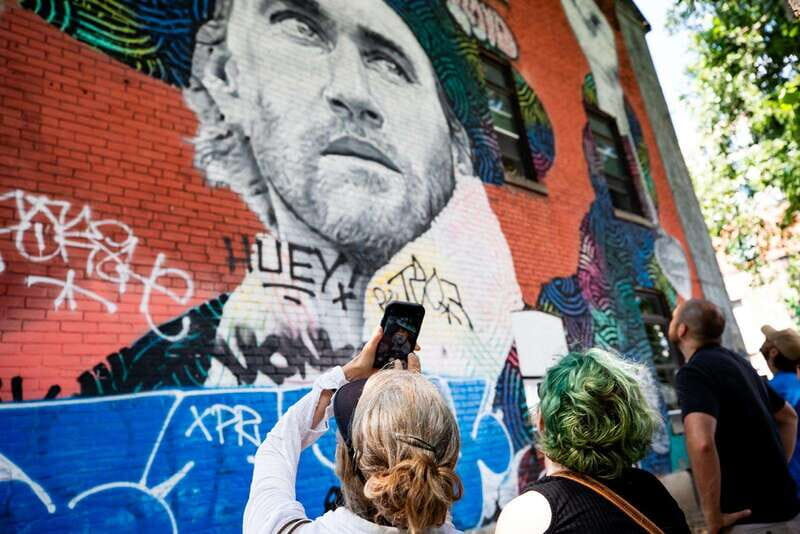
A big chunk of the tour is tied to the MURAL Festival. That means you’re not just looking at art that already exists—you’re seeing the festival’s current focus while it’s happening. The guide can connect pieces to the festival context, which makes the mural scene feel like it has an active engine rather than being frozen in time.
This is where the tour’s value often spikes. Festival-linked walks tend to help you understand what the community is celebrating now—how artists interpret themes, what styles are in rotation, and how public space becomes a platform for more than just decoration. In practical terms, it’s a great way to get up to speed quickly if your time in Montreal is limited.
The time block is long enough for real back-and-forth too. You’ll have chances to ask questions and get explanations tied to specific works, including the meaning behind certain choices in technique and placement.
How pace and group size affect your experience (in a good way)
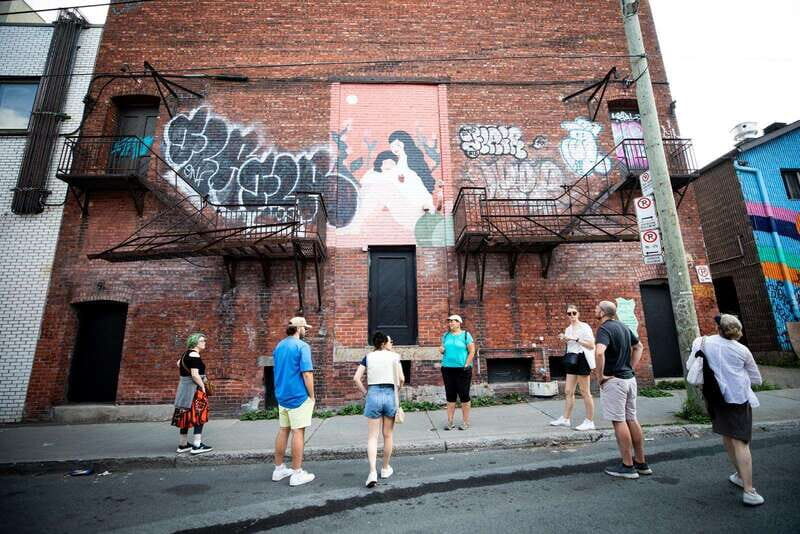
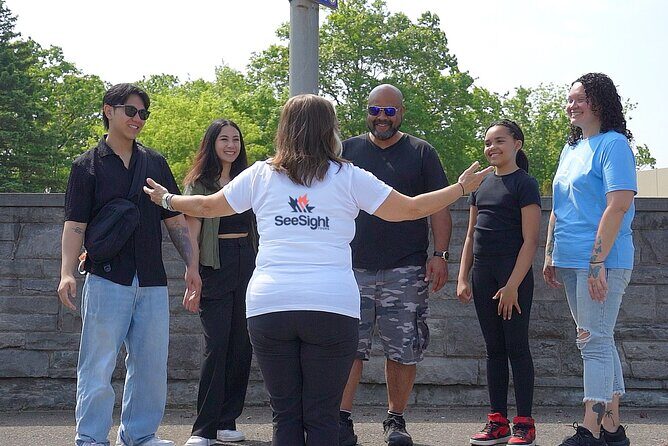
This tour is built for small-group attention. With a limit of 10 participants, you aren’t fighting for side-of-wall viewing space, and the guide can make sure people can actually see what they’re pointing out. Multiple named guides—like Chris, Gabriela, Mel, Rodrigo, and Pascoal—show up in feedback as engaging, passionate, and comfortable with conversation.
It also helps that the walking pace is described as comfortable. The tour lasts 2 hours total, so you get a meaningful chunk of street art without feeling like your afternoon disappears.
One thing to keep in mind: it’s still a walking tour. The surface is wheelchair accessible and stroller accessible, but you should expect outdoor walking and some moderate distance. If you need frequent breaks, plan for it. And if weather turns (it sometimes does), bring layers and a light rain option.
End point at Park of Portugal: easy to keep the momentum
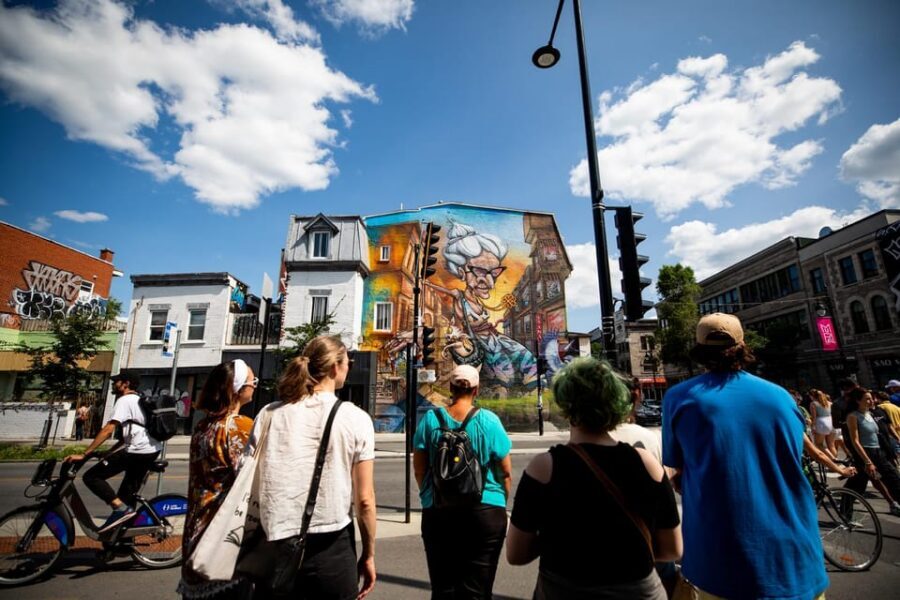
The tour finishes at Park of Portugal. I like that this ending spot isn’t just a random corner—it’s a green, practical place to regroup after a couple hours on your feet. From there, it’s easier to decide what you want next: a sit-down meal, a coffee break, or a second pass through nearby streets with your new mural-reading mindset.
You’ll also get a list of personal recommendations from the guide. That’s not a throwaway handout. It’s a useful shortcut for food and bars while you’re still in the neighborhood mood.
Price and value: $32 for context, not just pictures
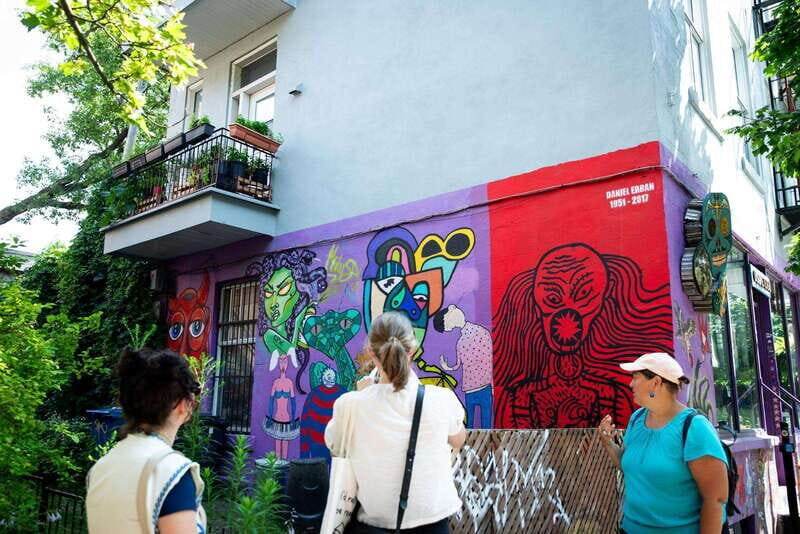
At $32 per person for 2 hours, the price sits in the sweet spot for a guided walking experience. You’re paying for three things that are hard to replicate on your own:
- a guided route that connects murals to a bigger story
- an explanation of techniques and meaning, including items like wheat pastes
- a local guide who can answer questions in real time
If you love street art but don’t know the difference between styles or what drives an artist’s choices, this is where the money turns into payoff. If you already know the Montreal mural scene deeply and only care about speed and photos, you might question the cost.
But the small-group limit and the festival connection make it feel like more than a casual stroll.
Who should book this Montreal street art walk
I’d book this if you:
- want a focused walk on Saint-Laurent Boulevard and the Main area
- like street art that has stories behind it (not just color on a wall)
- enjoy meeting guides who are comfortable talking about technique and meaning
- want an efficient way to spend a half-day and still have energy afterward
It also works well for people who need practical accessibility support. The tour is wheelchair accessible, and it notes that stroller access and service animals are allowed. Transportation is wheelchair accessible too, which matters if you’re planning your day around getting from place to place smoothly.
Practical tips so you enjoy it more
A few simple things will make the walk feel easier:
- Wear shoes you can move in. You’ll be walking outdoors on uneven street surfaces at times.
- Bring a light layer. Montreal weather can flip without warning.
- Keep your phone charged. You’ll want photos, but more importantly, you’ll want to remember details the guide points out.
- Ask questions early. If you’re curious, the guide’s explanations are part of the attraction.
Should you book this tour?
Yes, if you want the quickest path to understanding Montreal mural culture without needing a private research project. The combination of a small group, a guide who links art to meaning and technique, and the built-in MURAL Festival time is a strong match for most visitors.
I’d pass or rethink it if your priority is purely scenic sightseeing and you don’t care about context. Also, if walking a moderate amount outdoors is a problem for you, plan your energy carefully.
If you’re on the fence, here’s the deciding thought I’d use: this tour is designed to help you see murals like a local. When that’s your goal, $32 for 2 hours feels fair—and the Park of Portugal finish plus recommendations make it easy to keep exploring after the walk ends.
FAQ
How long is the Montreal street art walking tour?
The tour is 2 hours long.
What does the tour cover?
You’ll walk along Saint-Laurent Boulevard and the Main area, seeing murals by local and international artists. The guide explains the works, their meaning, and techniques, including styles like wheat pastes.
Where is the meeting point?
You meet at 3526 Boul. Saint-Laurent, outside on the street next to a red fire hydrant. The guide is not inside the building.
Where does the tour end?
The tour finishes at Park of Portugal.
How big is the group?
The group is small, limited to a maximum of 10 participants.
Is the tour offered in English?
Yes, the live tour guide is English.
Is it wheelchair accessible?
Yes. The tour/activity is wheelchair accessible, with wheelchair-accessible surfaces and transportation.
Do I need to arrange my own transportation to the start?
Hotel pickup and drop-off are not included, so you’ll handle getting to the meeting point yourself using public transport or walking.