REVIEW · TORONTO
Toronto: Distillery District Historic Walking Tour
Book on GetYourGuide →Operated by Go Tours Canada · Bookable on GetYourGuide
Toronto’s Distillery District tells its story on foot. In about an hour, a Go Tours Canada guide leads you through Victorian industrial architecture that still feels like it’s working, even though the soot-and-steam era is long gone.
I especially like how you get the “why” behind the look: the Gooderham & Worts Distillery’s rise to glory and fall from grace, plus the city’s early wild years, all stitched into the buildings you can see.
One possible drawback: this walk is history-focused, so if you want a spirits tasting, you’ll need to book the Prohibition & Spirits version instead of assuming it’s included.
In This Review
- Key highlights worth knowing
- A One-Hour Walk That Makes the Distillery District Click
- Starting Point Near the Red Heart: How to Get Oriented Fast
- The Distillery District’s Cobblestone “Time Capsule” Moment
- Inside-Looking Details and That “Wait, What?” Architecture Wow
- Gooderham & Worts: How a Distillery Built a City—and Then Got Caught in Its Own Story
- Stories From the City’s Early Wild Years
- What You’ll Actually Do During the Walk (So You Can Plan Your Timing)
- The Guide Makes or Breaks It: What the Best Ones Do
- Price and Value: Is $20 for a 1-Hour Tour a Smart Spend?
- If You Want Alcohol Tasting: Know What’s Included vs Not
- Best Fit: Who This Tour Works For
- Should You Book the Toronto Distillery District Historic Walk?
- FAQ
- How long is the Toronto: Distillery District Historic Walking Tour?
- Where do I meet for the tour?
- What is included in the tour price?
- Is this tour suitable for kids?
- Is the walking difficult?
- Is the tour wheelchair accessible?
- What should I bring?
- Can I get a refund if my plans change?
Key highlights worth knowing

- Largest preserved Victorian industrial collection in North America: the buildings are the main attraction, and you’ll learn how to read them.
- Gooderham & Worts, the full arc: success, scandal, and decline—tied directly to what you’re standing in front of.
- Better than a photo stop: you’ll hear stories that connect the street-level scene to big business decisions.
- Guides with serious energy: names like Eric, Erik, Nicole, Devin, Tom, and Milo show up often in guide praise.
- Easy walking, tight timing: it’s a simple stroll at a relaxed pace, designed to fit in your day.
A One-Hour Walk That Makes the Distillery District Click

The Distillery District can look like a cute, cobblestone hangout at first glance. But this tour turns it into something else: a working-city snapshot, frozen in brick and iron. You’re there for the Victorian buildings, yes—but more importantly, you’re there to understand why they exist and what they meant in Toronto’s early days.
This is a simple, easy walking tour with a live English guide. The format works well if you want real context without spending half a day on museum pacing. And at $20 per person, it’s priced like an experience, not like a big-ticket attraction.
You can also read our reviews of more walking tours in Toronto



Starting Point Near the Red Heart: How to Get Oriented Fast
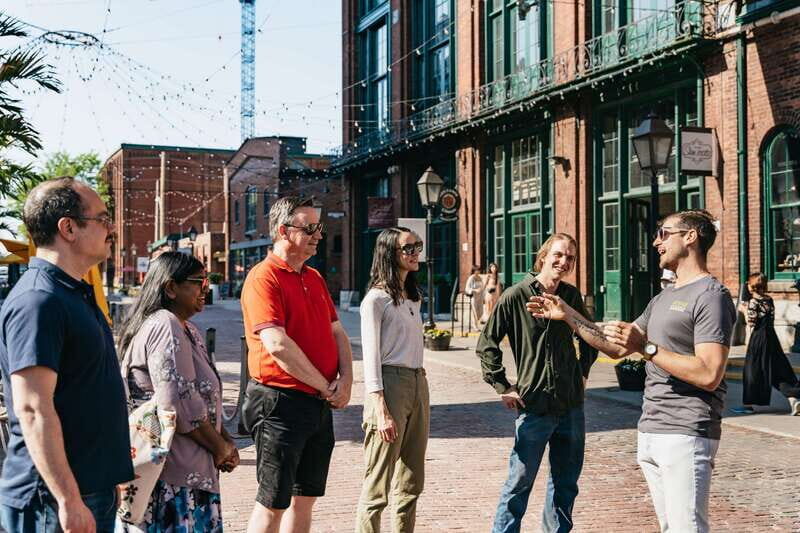
You’ll meet right in the Distillery District area, at 11 Gristmill Lane. The tour office is near the Red Heart area at Parliament St. and Mill St., so even before the official start, you can get your bearings quickly.
Why this matters: the Distillery District is compact. If you’re already nearby, you don’t lose time “finding it.” Once you’re checked in, the guide handles the sequencing—so you’re not wandering the lane maze hoping to stumble onto the most interesting pieces.
The Distillery District’s Cobblestone “Time Capsule” Moment
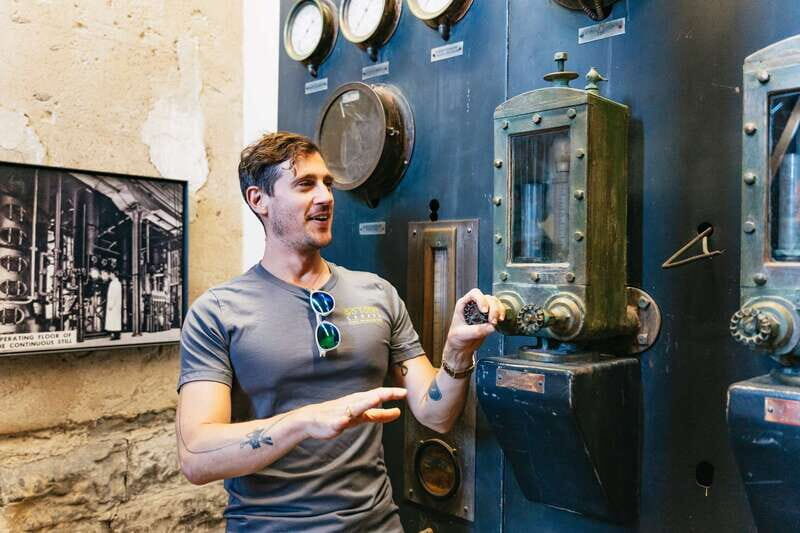
Your walk happens inside one of Toronto’s most photogenic zones, with cobblestone streets and a dense cluster of preserved factory-era buildings. This is the point where the architecture stops being wallpaper and starts being evidence.
The tour leans into what makes the area special: it’s described as the largest and best preserved collection of Victorian industrial architecture in North America. That’s not just marketing language. When you start learning what to look for—structure, layout, materials, and the way industrial sites operated—the district feels less like a theme street and more like an operating system from another century.
What you’ll likely notice as you go:
- The buildings aren’t uniform. You’ll see variety in how industrial spaces were built and repurposed.
- The streets and building edges create visual clues about how people moved in and out of work zones.
- The scale of what once lived here hits differently when a guide points out the industrial logic behind the design.
Inside-Looking Details and That “Wait, What?” Architecture Wow

One reason this tour earns high marks is that it doesn’t treat the district as exterior-only scenery. Several guide reports mention getting a sneak peek into buildings where the general public doesn’t usually go.
If you’re the type who likes to understand a place by walking past it with context, you’ll probably enjoy this. You’re not just snapping pictures. You’re collecting clues.
A couple of standout architecture notes you might hear:
- The story of the lake’s changing distance from the original property to what you see today (a contrast that helps you understand how the industrial site made sense at the time).
- A mention of a white building with meter-thick walls—the kind of detail that makes the industrial engineering feel real, not romantic.
Even if you’re not an architecture person, the guide’s explanation style seems built for everyday curiosity. People cite guides like Nicole and Tom for making the stops make sense, and also for answering questions without turning the walk into a lecture.
Gooderham & Worts: How a Distillery Built a City—and Then Got Caught in Its Own Story
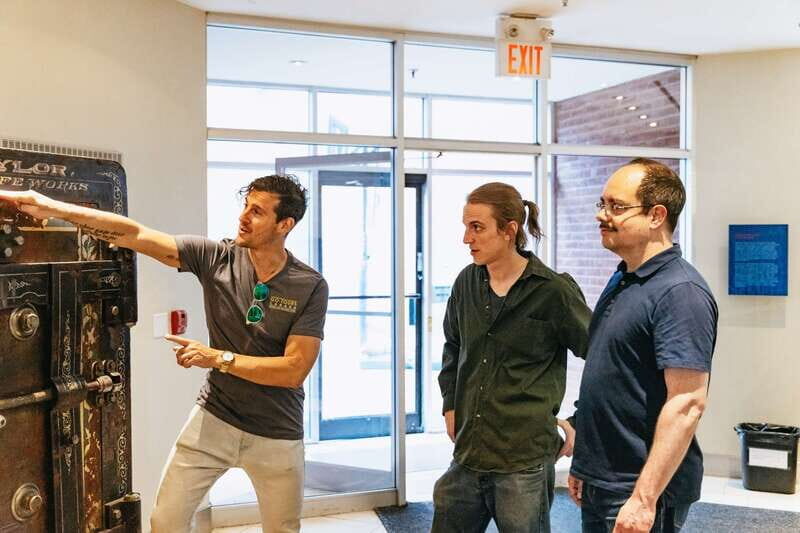
The heart of the tour is the Gooderham & Worts story. You’ll hear about how the distillery rose to become a major power in Toronto—and how that dominance later unraveled.
This matters because it explains why the district feels the way it does now. Industrial zones don’t become preserved landmarks by accident. They survive because of what they produced, who profited, and what changed around them. When you learn the business story, you start connecting the physical place to the human decisions: shipping, production scale, labor needs, and the public mood around alcohol.
Expect the guide to frame the narrative as a mix of:
- Industry ambition and family involvement
- The reality of making alcohol at scale in the past
- The social pressure that comes when a city’s identity starts being tied to one company
Multiple guides are praised for keeping that arc clear and energetic. That’s a big deal in a one-hour format—if the storyline drags, you lose the payoff. Here, the tone seems to stay lively, with lots of Q&A and quick explanations as you move.
You can also read our reviews of more historical tours in Toronto






Stories From the City’s Early Wild Years

The tour doesn’t read like a dry timeline. It leans into Toronto’s earlier days when growth was fast and the rules were still catching up.
That comes through in the kinds of details guides bring up—how business intrigue played out in real places, how social conditions affected workers, and how the city’s relationship with alcohol shaped what people thought was acceptable. One of the more interesting review themes is that guides bring an atmosphere to the era, not just facts.
You’ll also hear how the distillery’s success wasn’t only about whiskey. It was about jobs—an angle that shows up in guide praise mentioning social benefits and employment opportunities, including for women.
If you’re the sort of person who likes travel history that feels human, this is the section that usually converts skeptics. The buildings remain still, but the stories make them feel crowded with decisions and drama.
What You’ll Actually Do During the Walk (So You Can Plan Your Timing)
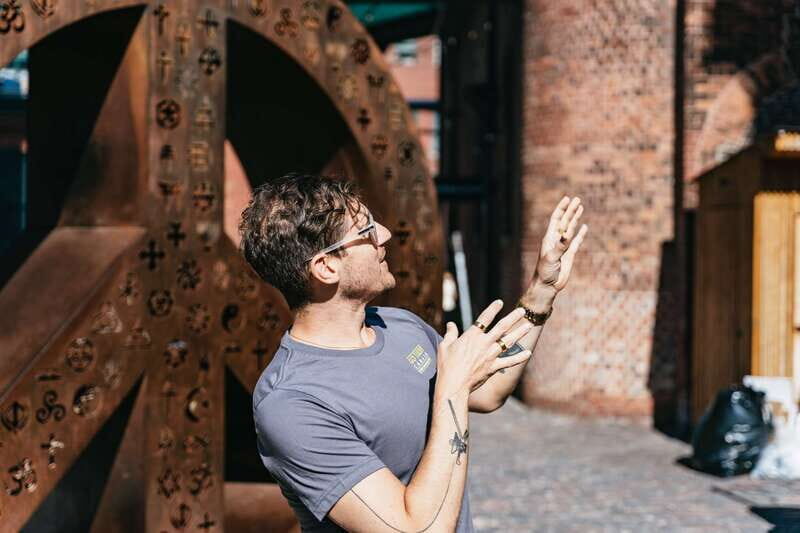
The pacing is easy. The tour is about one hour total walking time, designed to fit neatly into a day of exploring Toronto.
Even though the schedule is short, it’s built to cover a lot of ground emotionally:
- You start at the Go Tours Canada office in the district.
- You spend the bulk of the hour moving through key stops in the Distillery District with your guide, learning how to connect architecture to the distillery story.
- You return to the starting area at the end.
One practical note: the district is built for pedestrians, but you’re still on cobblestones. Bring comfortable shoes and plan for a bit of outdoor time. Some guides have been praised for adjusting during rain, including keeping more of the experience inside when needed.
The Guide Makes or Breaks It: What the Best Ones Do
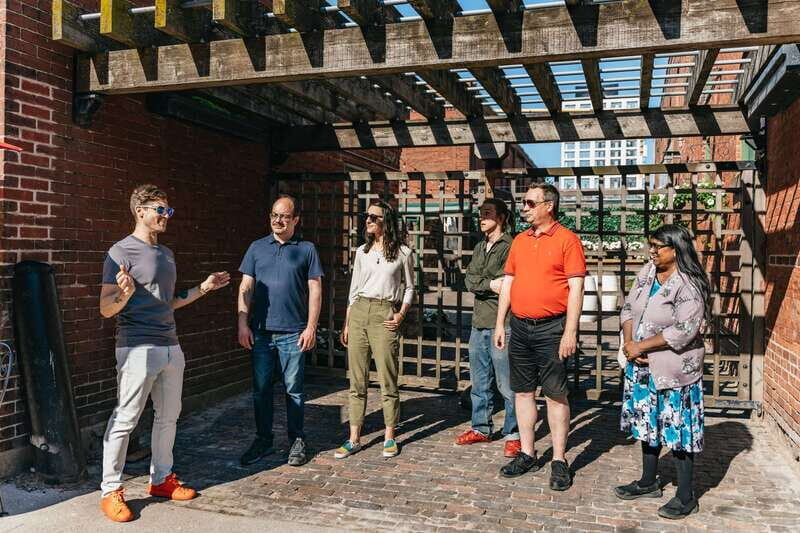
This is one of those tours where the guide isn’t a background feature. People consistently praise guides for energy and storytelling style—names you may see include Eric, Erik, Devin, Nicole, Tom, and Milo.
Here’s what those high-praise guide styles have in common, based on the comments you’re given:
- They tie what you see to what you know, then add new details to sharpen the connections.
- They actively answer questions.
- They keep things fun even when the subject turns serious.
- They don’t rush if your group is small. In at least one case, a guide continued to provide a full experience even when only one participant booked.
If you want a tour that feels like a conversation with someone who genuinely enjoys the topic, this one tends to deliver.
Price and Value: Is $20 for a 1-Hour Tour a Smart Spend?
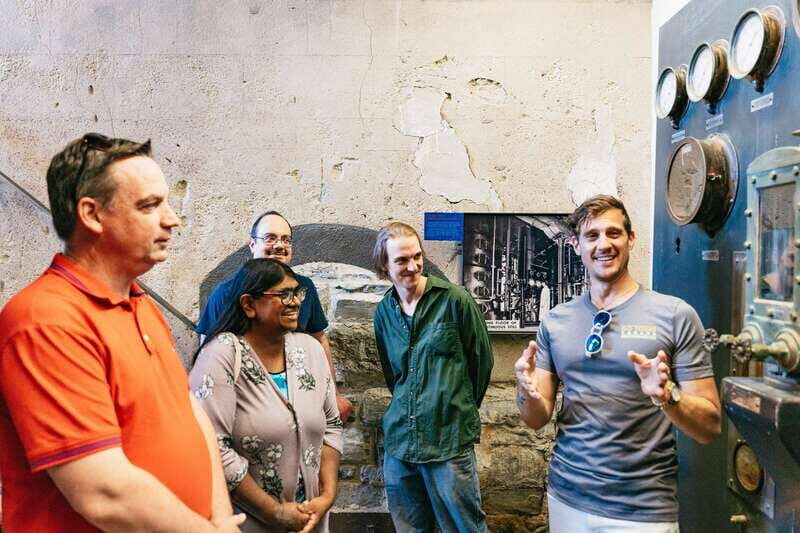
$20 for a one-hour walking tour in central Toronto is a solid value, especially because you’re paying for a guide’s interpretation—not just access to a place you could walk around on your own.
What you’re really buying:
- A clear narrative arc (Gooderham & Worts rise and fall)
- Architecture context (how to read the Victorian industrial design)
- A guided pace that helps you see more than you would alone
- A human layer—stories about the city’s earlier years, not just building descriptions
If you’re already going to spend time in the Distillery District, this tour is the kind of add-on that can turn your free roaming into something smarter. If you’re short on time, one hour is a manageable commitment. If you have a whole afternoon, the tour can act like your “first pass” so you know where to spend extra time afterward.
If You Want Alcohol Tasting: Know What’s Included vs Not
The tour you’re reviewing is described as a walking tour with history.
There’s also an option mentioned for those who want tasting: the Prohibition & Spirits Walking tour, which pairs the Distillery District history with a spirits tasting flight at the end. If alcohol tasting is part of your plan, don’t assume it’s bundled into the one-hour historic walk—plan to choose the spirits version instead.
That said, some people describe extra small samples like chocolate and even beer at the end of their experience. Since those details aren’t presented as guaranteed in the core description, I’d treat those as possible extras depending on how your specific run is set up.
Best Fit: Who This Tour Works For
This tour is recommended for ages 10 and up, and the walking level is listed as easy. That makes it a good option if:
- You want a history lesson without a museum-style time commitment
- You’re visiting the Distillery District anyway and want better context
- You like stories tied to real streets and real buildings
- You want an easy, central activity that doesn’t require complicated logistics
It also works well for locals who want to see their own city with fresh eyes. Several guide mentions specifically praise the feeling of learning surprisingly new things even if they’ve visited before.
Should You Book the Toronto Distillery District Historic Walk?
If you like history that’s tied to visible places, I’d book it. It’s short, focused, and built around the kind of industrial architecture you can actually inspect with your own eyes once you know what the guide is pointing out.
Book this tour if:
- You want the Gooderham & Worts story explained in plain language
- You’re planning to spend time in the Distillery District anyway
- You like walking tours where the guide does the storytelling
Skip or upgrade to another option if:
- You’re mainly after alcohol tasting. Choose the spirits-focused tour instead.
- You hate cobblestones or you want a totally indoor experience. It’s an easy walk, but you’ll still be outside at least some of the time.
FAQ
How long is the Toronto: Distillery District Historic Walking Tour?
It runs for 1 hour.
Where do I meet for the tour?
Check in at the office at 11 Gristmill Lane, Toronto, ON M5A 3C4. The meeting point is within the Distillery District near the Red Heart at Parliament St. and Mill St.
What is included in the tour price?
You get a 1-hour walking tour, a professional tour guide, and sales tax.
Is this tour suitable for kids?
It’s generally recommended for ages 10 and above.
Is the walking difficult?
The walking level is listed as easy.
Is the tour wheelchair accessible?
Yes, it is listed as wheelchair accessible.
What should I bring?
Bring passport or ID, comfortable shoes, and a camera.
Can I get a refund if my plans change?
Yes. Free cancellation is offered up to 24 hours in advance for a full refund.