REVIEW · TORONTO
Toronto: City Walking Tour
Book on GetYourGuide →Operated by Buzz Tours · Bookable on GetYourGuide
Get your bearings fast, downtown Toronto-style. This 3-hour Toronto city walking tour is a smart way to understand how the Entertainment District, the waterfront, and the underground PATH system work together, with guides like Nick and Neil bringing the stories (and jokes) to life. I like that the tour turns big-city logistics into real, walkable routes, not vague sightseeing talk, and you’ll learn how to move like a local across downtown.
The small group setup (up to 10 people) makes it easy to ask questions the whole way, and you end at St. Lawrence Market with local food-hunting pointers. One drawback to plan for: this tour is not suitable for wheelchair users or people with low fitness, and food isn’t included—so you may spend extra if you want to sample at the market.
In This Review
- Key highlights worth your attention
- Where the tour starts: Entertainment District energy with direction
- Waterfront landmarks, then a quick reset at Queen’s Quay
- The real star: how PATH connects downtown (and saves your day)
- Brookfield Place: Calatrava’s design moment you’ll remember
- Old Toronto on foot: the 19th-century mood shift
- St. Lawrence Market: a strong ending, with local food direction
- Tour pacing, group size, and who should say yes
- Value check: is $38 a good deal for Toronto orientation?
- What I’d do before you go (small things that matter)
- Should you book this Toronto city walking tour?
- FAQ
- How much does the Toronto city walking tour cost?
- How long is the tour?
- Where does the tour meet?
- What does the tour include?
- Does the tour include entry to the CN Tower or the Rogers Centre?
- Is the PATH part of the walking route?
- Is the tour suitable for wheelchair users?
Key highlights worth your attention
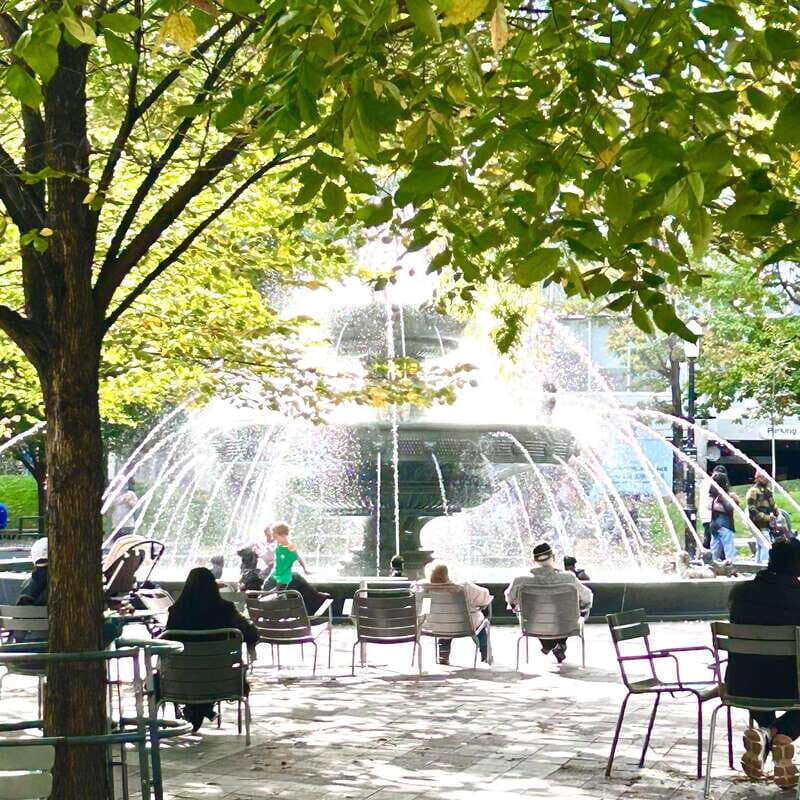
- PATH connections for 70+ office towers: understand where to go underground when the weather turns.
- Entertainment District to waterfront to downtown core: a route that builds context as you walk.
- Toronto Islands how-to planning: your guide explains how to get there and what to do.
- Brookfield Place by Santiago Calatrava: you’ll see the architecture that locals talk about.
- St. Lawrence Market finish: a practical end point for sampling and regrouping.
Where the tour starts: Entertainment District energy with direction
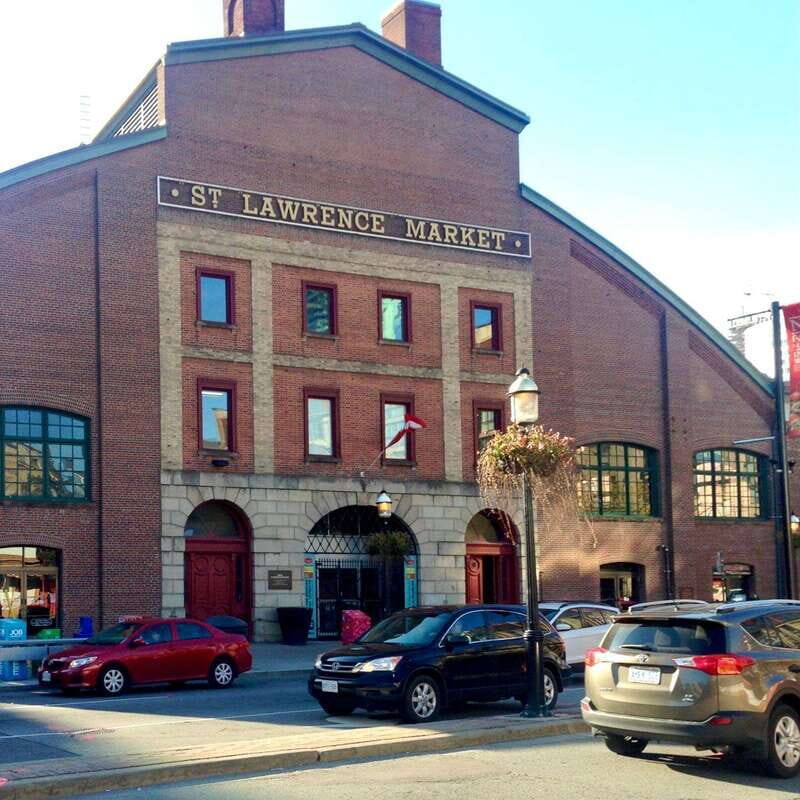
The meeting spot is the southwest corner of King Street West and Simcoe, beneath the small electronic billboard for Roy Thomson Hall. You’re starting right in the Entertainment District, where the mix of theatres, restaurants, bars, nightclubs, and concert halls creates a “start here, everything’s nearby” feel.
What I like about starting here is how it sets up the rest of the walk. Your guide can explain the downtown map in plain terms because you begin in a neighborhood that’s already tied to transit, dining, and major sights.
Since the group is limited to 10, you won’t feel like one face in a crowd. Instead, the guide can keep the pace steady and still make room for questions.
You can also read our reviews of more walking tours in Toronto



Waterfront landmarks, then a quick reset at Queen’s Quay
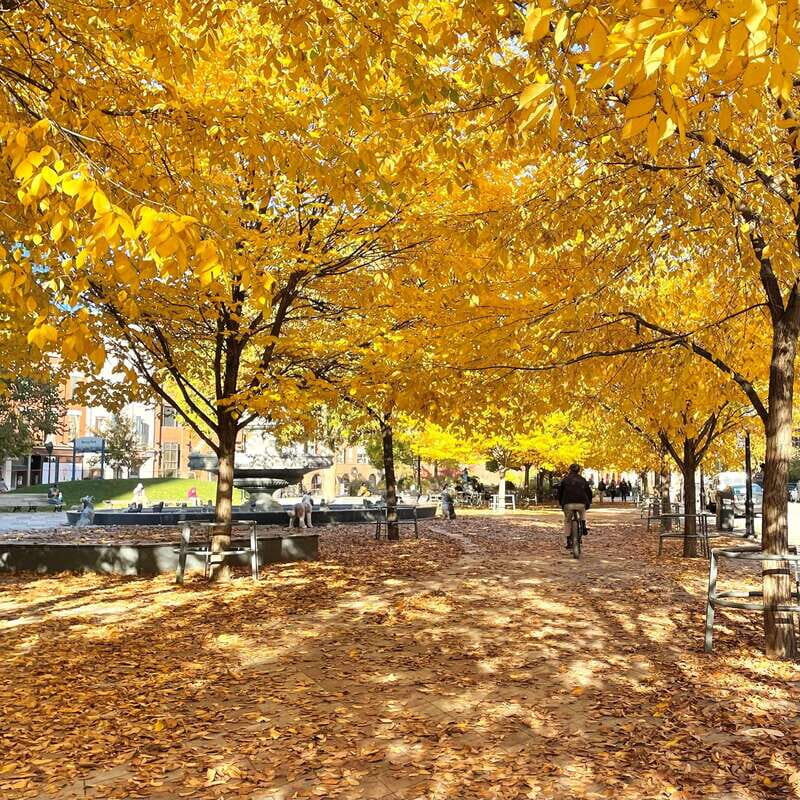
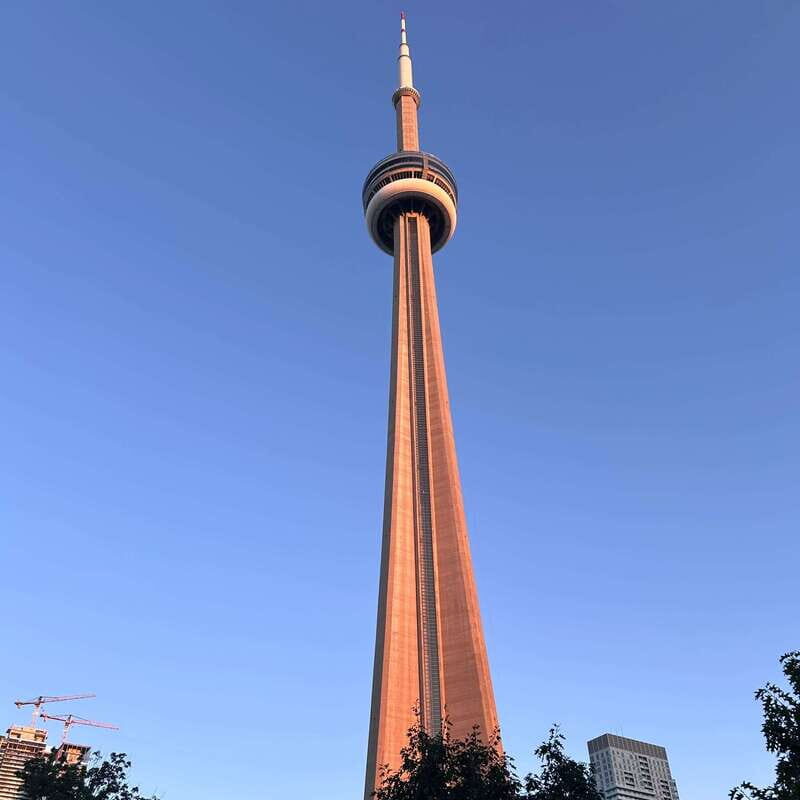
After you move on from the theatres and nightlife zone, the route heads toward the waterfront. Along the way, you pass big-name landmarks like CN Tower and the Rogers Centre (locals often call it the Skydome). You also get the kind of stories that explain why these places matter beyond photos—especially for first-time visitors who don’t yet know what to look for.
There’s a short break at the waterfront near Queen’s Quay Terminal. This matters more than it sounds. In a 3-hour tour, a breather lets you regain focus before the walk turns more “downtown navigation” and less “look-and-go sightseeing.”
If you’re hoping to go inside either the CN Tower or Rogers Centre, this tour won’t cover entry. It’s set up for orientation and context, not paid attraction time.
The real star: how PATH connects downtown (and saves your day)
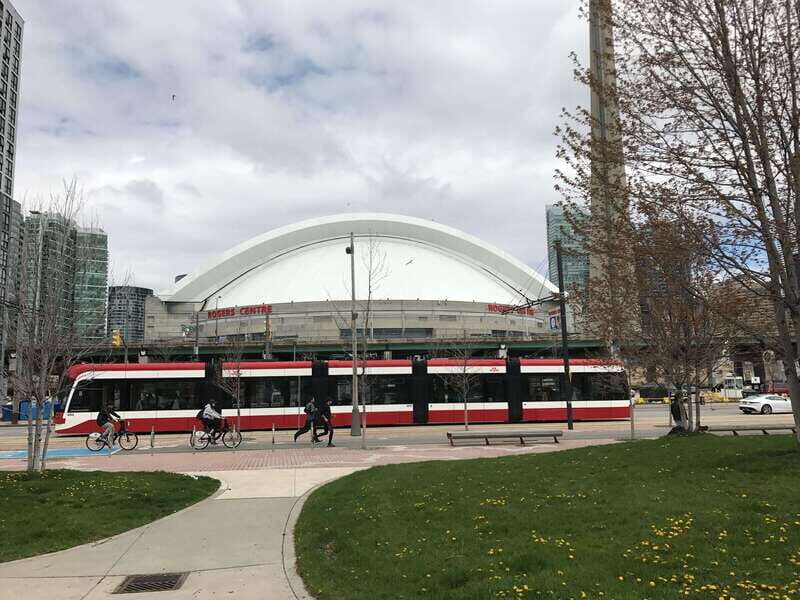
Then comes the move that often surprises people: you head into the PATH, the long underground pedestrian system. It stretches over 30 km (about 20 miles) and links across most of downtown, including more than 70 office towers.
This is the part I’d call the “Toronto cheat code.”
PATH can feel like a maze if you arrive on your own, especially when you’re juggling street crossings, subway entrances, and weather. On this tour, you’re shown how it works as a practical network, and you also get real examples of where you can pop in and out.
The PATH experience is more than walkways. It includes:
- lots of places to eat
- shops and services
- multiple subway stations
- hotels built into the system
That’s why this tour works well in rain or cold. You’re not just learning geography—you’re learning a coping strategy for Toronto’s weather swings.
Also worth noting: the tour includes entry to Toronto’s PATH and stops connected to the downtown transit hub areas, including Union Station. Even if you don’t memorize every corridor, you’ll leave with a mental map of how to get from “downtown landmark A” to “downtown landmark B” with fewer headaches.
Brookfield Place: Calatrava’s design moment you’ll remember
After you’ve had your PATH navigation “training,” the tour steps into a major architectural stop: Brookfield Place. The building was designed by Santiago Calatrava, and your guide uses it as a pause point to explain what you’re seeing.
This works because you’ve spent the earlier part of the tour learning function (how to move). Brookfield Place adds a layer of form, showing how downtown Toronto isn’t only practical—it’s visually ambitious too.
One practical benefit: Brookfield Place is a convenient landmark. After the tour, it’s easier to re-orient yourself because you now have a big, recognizable reference point in the middle of downtown.
Old Toronto on foot: the 19th-century mood shift
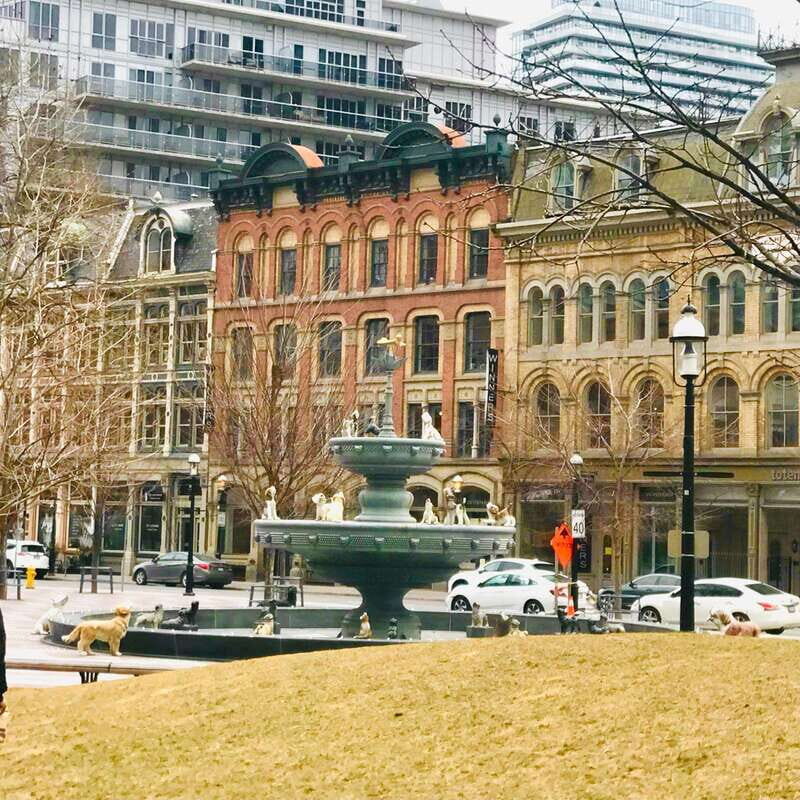
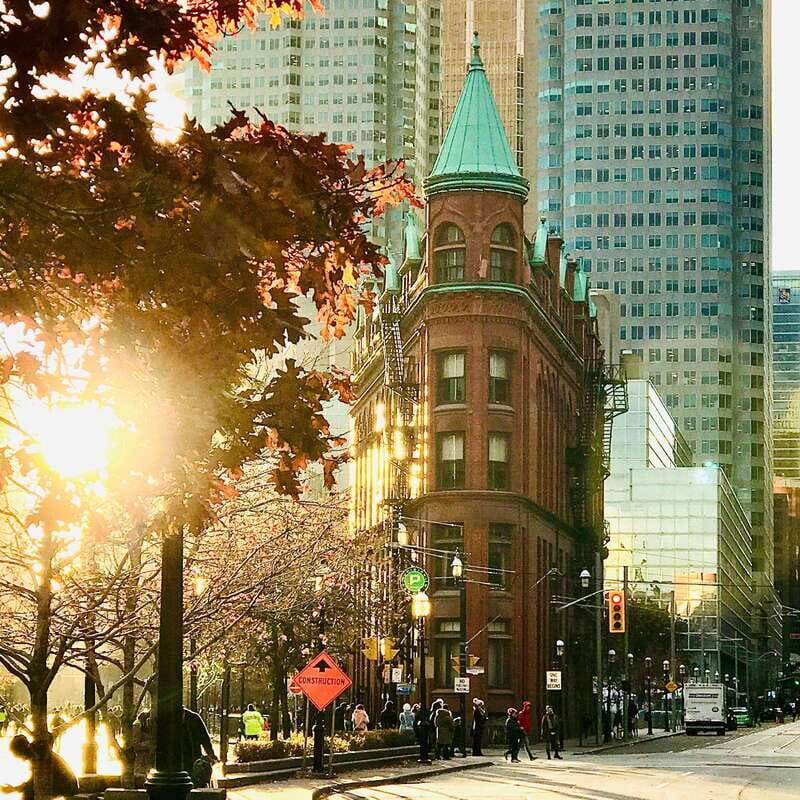
The final third brings you into Old Toronto, an area that feels different from the rest of downtown. You’ll see buildings tied to the city’s boom period in the 19th century, and the vibe is more classic and historically grounded than the office-tower and transit rhythm you saw earlier.
I like this pacing. You get modern Toronto context through PATH and major downtown structures, then you end by shifting into a neighborhood that helps you understand how the city grew. It’s the contrast that makes it click.
Old Toronto is also where you can better connect the dots between history and today’s lifestyle. Your guide also points toward good places to eat during and after the tour, so this isn’t only about old bricks. It’s about how that older street pattern and feel still shapes where people go.
You can also read our reviews of more city tours in Toronto




St. Lawrence Market: a strong ending, with local food direction
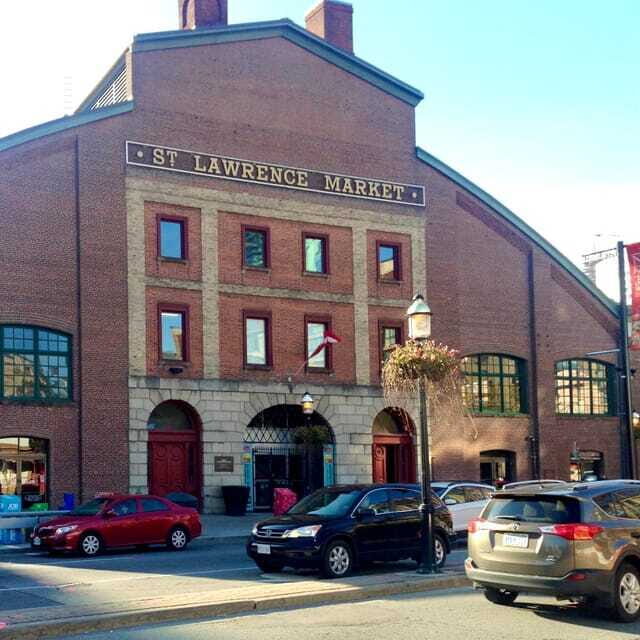
The tour finishes at St. Lawrence Market, and it’s a smart endpoint. It’s a real place you can keep using after the walking part ends.
In many rankings, the market places at the top, and your guide highlights popular venues and foods inside. Food and drinks aren’t included, but the market makes a natural “last stop” because it lets you turn knowledge into choices immediately.
If you want to keep your momentum, this is the kind of end spot where you can sample casually and still feel like you’re doing something worthwhile with minimal planning.
Your guide also gives recommendations for the best of the city, including tips about the Toronto Islands—how to get there and what to do once you arrive. For first-time visitors, that guidance can save a lot of decision-making later.
Tour pacing, group size, and who should say yes
This is a 3-hour walking tour with a small group of up to 10 participants. In practice, that tends to create two wins: the guide can keep conversation going, and you don’t lose all your time to crowd management.
The route isn’t described as extreme, but the tour does require moderate physical fitness. It’s not suitable for wheelchair users, and it’s also not set up for people with low fitness. If you know you walk slowly or need frequent rests, this may feel like too much in one go.
On the other hand, if you enjoy walking and you want to learn how downtown works—especially PATH—it’s a very efficient use of time early in your trip. It helps you get oriented fast, so the rest of your days don’t start from scratch.
Value check: is $38 a good deal for Toronto orientation?
At $38 per person for a 3-hour guided walk, the value comes down to what you’ll actually use afterward.
You’re not just paying for a route. You’re paying for:
- local guidance on where things are and how to move between them
- a practical walkthrough of PATH, which is hard to figure out alone
- strategic recommendations for areas like the Toronto Islands
- a tour structure that includes entry to several key indoor/outdoor points (Queen’s Quay Terminal, PATH, Union Station, Brookfield Place, St. Lawrence Market)
The things not included—like entry to the CN Tower and Rogers Centre—aren’t hidden fees. They’re clearly attraction-style add-ons. You’re getting the “how downtown fits together” experience, not a ticketed ride.
So, yes: for most first-time visitors who want a quick city-grasp in limited time, it feels priced like a practical orientation tool rather than a spectacle.
What I’d do before you go (small things that matter)

Bring a camera—it’s specifically suggested, and the tour includes multiple photo-friendly stops like the waterfront and Brookfield Place.
Because PATH is involved and the tour includes indoor/outdoor movement, be ready for changing walking conditions. The point is that you’ll have a way to move through downtown without constantly fighting the weather, which is a big part of why PATH matters here.
Most importantly, come with a curious mindset. This isn’t a “watch from the sidewalk” experience. Your guide keeps things interactive, and you’ll get more out of it if you use the chance to ask where you should go next.
Should you book this Toronto city walking tour?
Book it if you want the smartest early step in Toronto. If you’re trying to understand downtown fast—Entertainment District landmarks, waterfront orientation, and especially how the PATH system connects everything—this is a strong fit for the time you have.
I’d skip it if you’re using a wheelchair or you know you struggle with sustained walking. Also skip it if you’re expecting paid attraction entry at the end of each stop. This tour is built for direction, context, and local recommendations, not inside-the-venue sightseeing.
If you’re staying downtown and planning to come back out again later, this tour gives you a map you can actually use.
FAQ
How much does the Toronto city walking tour cost?
The price is $38 per person.
How long is the tour?
The tour duration is 3 hours.
Where does the tour meet?
It starts at the southwest corner of King Street West and Simcoe, beneath the small electronic billboard for Roy Thomson Hall.
What does the tour include?
It includes a 3-hour walking tour with a local guide, plus entry to Queen’s Quay Terminal, Toronto’s PATH, Union Station, Brookfield Place, and St. Lawrence Market.
Does the tour include entry to the CN Tower or the Rogers Centre?
No. Entry to the CN Tower and the Rogers Centre is not included.
Is the PATH part of the walking route?
Yes. The tour includes time in Toronto’s PATH, described as a long underground walkway system that connects downtown buildings.
Is the tour suitable for wheelchair users?
No, it is not suitable for wheelchair users.