Sex work left footprints on Old Toronto. This walking tour turns an ordinary evening stroll into street-level stories in a historic neighborhood, with the kind of details that make you look at familiar streets differently. I love the way the guide points out places you’d otherwise walk by, and I love the small-group feel that keeps the talk lively and personal.
The main consideration is the topic: it’s 18+ and not recommended for children, so it’s adult-focused history, not a light cruise.
In This Review
- Quick hits
- Why this Old Toronto walk feels different at 7 pm
- Finding your starting point: Terroni57 and the courthouse area
- How unmarked historic sites change the way you see Old Toronto
- The brothel stories: sex work, law, and the city’s money trail
- Architecture and street scenes you’ll actually remember
- Guide LK’s approach: lively, respectful, and question-friendly
- Price and value: is $21.73 worth it?
- Who should book this tour (and who might skip it)
- Should you book Historic Brothels of Old Toronto?
- FAQ
- Where does the tour start?
- What time does it start?
- How long is the walking tour?
- How much does it cost per person?
- Is the tour offered in English?
- Is bottled water provided?
- What’s included in the tour?
- Is this tour suitable for kids?
- What happens if the weather is poor?
Quick hits
- A small group (max 16) keeps the pace human and questions welcome
- Unmarked historic sites means you learn by noticing what’s already there
- Brothel histories tied to real city change connect personal lives to money and power
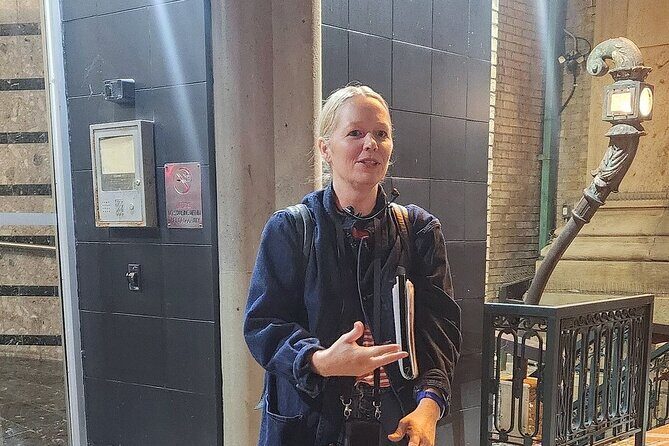
- Guide energy and Q&A stand out, with LK specifically praised for enthusiasm
- Bring your own water since bottled water isn’t included
Why this Old Toronto walk feels different at 7 pm
There’s a special kind of attention you only get on an evening walking tour. The streets in Old Toronto slow down just enough that you can actually look at what’s in front of you, not just where you’re heading. And that matters here, because the tour is built around the idea that scandal and survival lived in plain sight, tucked into buildings you might pass every day.
You’ll spend about 2 hours learning how old neighborhoods worked, how laws were enforced, and how society treated people whose work was treated as both useful and disposable. It’s not a lecture that leaves you half-asleep. The tone stays sharp and story-driven, and it’s paced so you can keep track of names, locations, and why the details mattered.
What I like most is that the subject isn’t handled like gossip. The better guides on this route, including LK (named in multiple comments), bring energy and a clear sense of purpose. You get the “what happened,” but you also get the “why it was possible,” which is the part that makes the walking map stick in your mind.
You can also read our reviews of more walking tours in Toronto


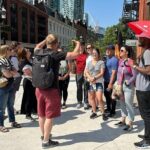
Finding your starting point: Terroni57 and the courthouse area
You start at Terroni57, 57 Adelaide St E, Toronto, and you end back at the same place. The start time is 7:00 pm, which is ideal if you want the walk to feel like part sightseeing and part story.
A helpful detail: the tour is near public transportation, so it’s not a pain to reach even if you’re juggling plans. And it’s a good sign that the meeting point is in a busy, central area. You won’t need to hunt down a remote address or wonder if you took the wrong exit.
The walking style is also practical. The group size is kept small (up to 16), so the guide can pause, regroup, and answer questions without turning it into a moving stampede. If you like tours where the guide can actually track the whole group, this format helps.
Also note: this is an evening activity, so wear shoes you trust. The tour assumes walking through a historic district with enough stops and turns that comfort matters.
How unmarked historic sites change the way you see Old Toronto
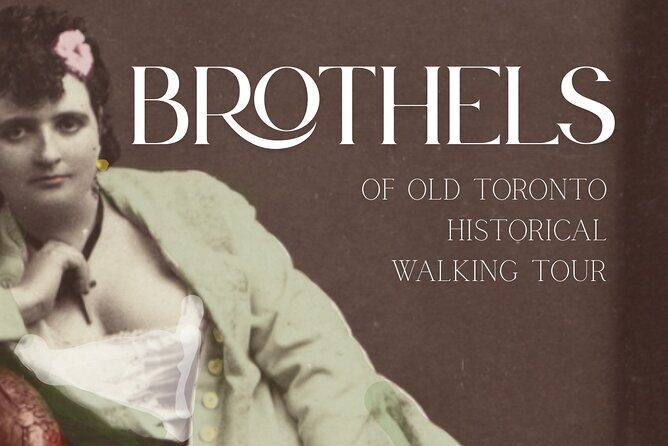
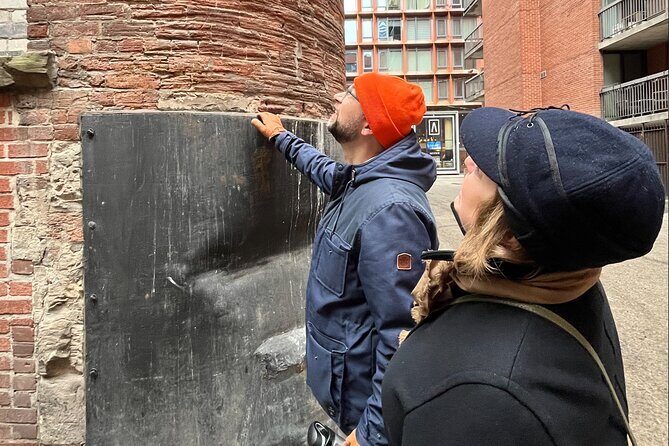
A lot of tours point at big landmarks and call it a day. This one works differently. The focus is on historic sites that aren’t obvious at street level—the kind of places where the building may look familiar, but the story behind it isn’t written on any sign.
That’s the educational magic trick. You’re learning to notice. Instead of only collecting dates, you’ll pay attention to how a neighborhood was built and used. You’ll also start connecting architecture and street layout to human behavior: where people could move discreetly, where institutions held power, and how the city’s wealth was produced.
This is also where the guide’s style matters. In comments about LK, people highlight that the tour is packed with history but still feels fun and conversational. That’s rare for a topic that could easily become heavy or overly grim. The result is that you’re less likely to tune out, because you’re being guided through the “so what” as much as the “what.”
And there’s a real sense of urgency in the storytelling too. Some of the details shared connect to older neighborhoods being replaced, which makes the walk feel like a snapshot of Toronto before more change takes over the blocks.
The brothel stories: sex work, law, and the city’s money trail
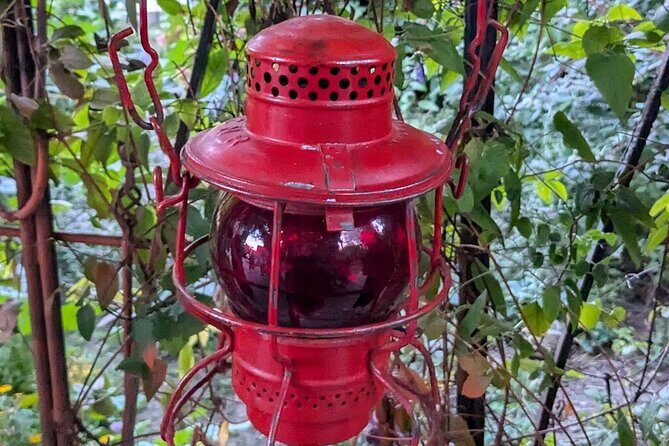
Yes, the tour is about brothels. But it’s not just tit-for-tat sensational history. The strongest version of this experience is how it ties sex work to the larger systems around it—how communities organized themselves, how wealth circulated, and how power operated when society pretended not to see.
One comment sums up the point well: the tour shows how Toronto’s wealth was accumulated on the backs of sex workers. That’s the kind of statement you don’t forget, because it reframes the neighborhood from entertainment gossip into labor history and economics.
You’ll also learn that the sex trade didn’t exist in a vacuum. It intersected with the city’s institutions and with how people enforced rules. Even when the subject is controversial, the guide keeps it grounded in the way the city functioned: who had money, who had authority, and how marginalized workers were treated.
If you’re the type who likes social history, this will land. And if you’re not, it still works because you’re seeing the topic through real places. The stories have context, and the walking route turns that context into something you can follow with your eyes as well as your ears.
Architecture and street scenes you’ll actually remember
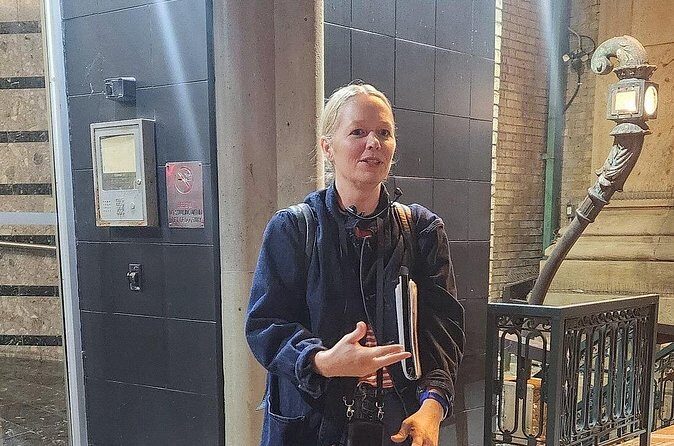
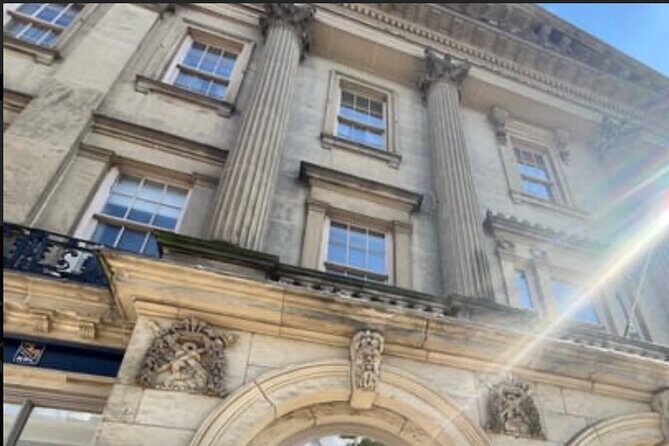
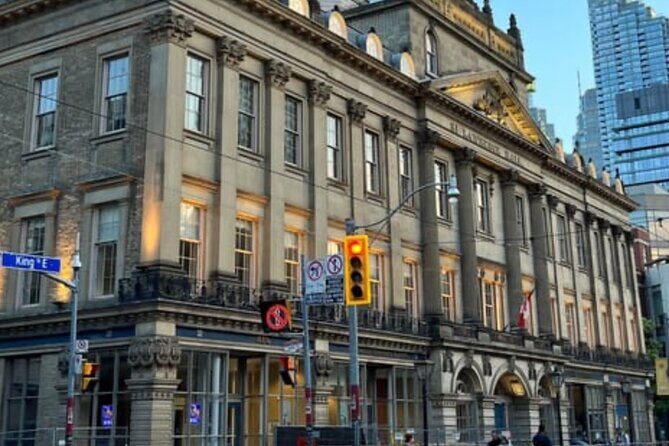
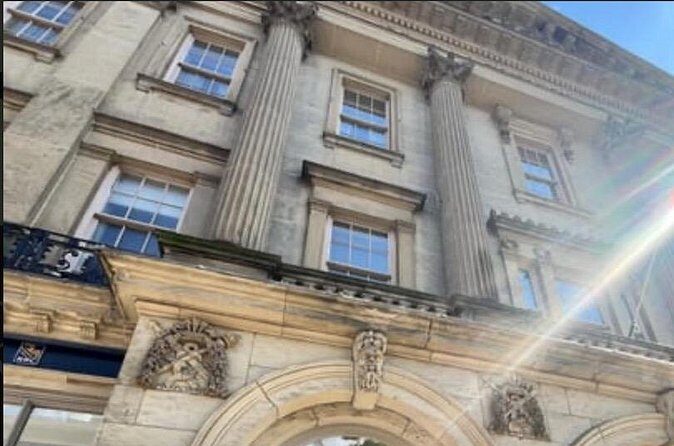
Old Toronto’s surviving buildings do more than look pretty. They’re evidence. As you walk, you’ll get a sense of how the streets supported daily life in earlier eras—where people lived, where commerce happened, and where reputations could be both protected and attacked.
This tour uses that fact to your advantage. Instead of asking you to memorize a timeline, it encourages you to build a mental map: this kind of street, this kind of building, this kind of neighborhood, led to these kinds of outcomes. That approach makes the information easier to recall later, especially if you’re planning to explore the city after the tour.
It also helps for photography and personal exploring afterward. You start noticing features you’d normally ignore—simple building details, the spacing of streets, and the way blocks hold stories. You may not photograph every stop, but you’ll walk away with sharper eyes for the next neighborhood you visit.
And because the talk is paced well, you’re not just watching the guide. You’re also watching the city.
You can also read our reviews of more historical tours in Toronto



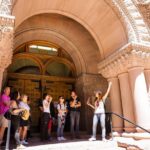


Guide LK’s approach: lively, respectful, and question-friendly
The human factor is a big deal on a walking tour like this. When the subject is sensitive, you need a guide who can keep the conversation clear and respectful without flattening the truth into clichés.
LK is specifically praised for being enthusiastic and knowledgeable, but the more useful part is how that knowledge shows up in the experience: people describe the tour as fun, well paced, and full of stories. There’s also praise for how the guide answers questions, which is important here. If you’re curious about the difference between myth and documented history, or you want to understand why certain practices existed, you’ll likely find it easier to ask.
Another plus: comments mention that the guide made an effort to account for accessibility needs within the group. That doesn’t mean everything is guaranteed for every situation, but it does suggest the guide is paying attention to real people and not running a robotic script.
If you’ve ever felt lost on a tour because the group is too big or the pace too fast, the small group size (max 16) plus a responsive guide style is a strong combination.
Price and value: is $21.73 worth it?
At $21.73 per person for an experience that runs about 2 hours, the value comes from what’s actually included. You’re paying for a guided walk through unmarked historic sites and for secret histories of infamous brothels. There isn’t an additional ticket fee layered on top, and bottled water is the one obvious omission—bring your own.
So the real question is: do you want story + place, or do you just want a list of facts? If you’re the first type, this is a fair price. You’re getting a live guide who can react to questions, adjust pace, and point out what you might miss on your own.
Also, this tour is booked reasonably far ahead on average (around 22 days). That’s usually a sign that people find it meaningful, not just another quick city walk. If you’re traveling in busy season, don’t gamble on last-minute availability.
Who should book this tour (and who might skip it)
This is a great fit if you:
- Like social history and want to understand how cities actually worked
- Enjoy guided storytelling tied to real street-level locations
- Prefer small groups and a Q&A-friendly format
- Want a Toronto tour that goes beyond standard highlights
It may be a poor fit if you:
- Want a family-friendly outing. The experience is 18+ and not recommended for children
- Prefer light, purely scenic content. This is history about exploitation, stigma, and survival
- Get uncomfortable with topics that are adult and frankly unpleasant
One more practical note: it depends on good weather. If conditions are poor, you may be offered a different date or a full refund. That’s normal for walking tours, but it’s worth keeping in mind when you’re planning the rest of your itinerary.
Should you book Historic Brothels of Old Toronto?
I think you should book it if you’re excited by the idea of learning history where it actually happened, in the places you can still stand. The format works because it’s small, timed well for the evening, and guided in a way that keeps the story understandable and engaging. The fact that LK is repeatedly mentioned for enthusiasm, pacing, and answering questions is a good indicator you’re likely to feel guided instead of rushed.
Skip it if adult subject matter won’t work for your group or you’re looking for a gentle introduction to Toronto. This isn’t that kind of tour.
If you decide to go, plan for an adult-focused walking experience, bring water, wear good shoes, and give yourself permission to look longer at the buildings around you. That’s where the payoff lives.
FAQ
Where does the tour start?
The tour starts at Terroni57, 57 Adelaide St E, Toronto, ON M5C 1K6, Canada.
What time does it start?
It starts at 7:00 pm.
How long is the walking tour?
It runs for approximately 2 hours.
How much does it cost per person?
The price is $21.73 per person.
Is the tour offered in English?
Yes, it’s offered in English.
Is bottled water provided?
No. Bottled water isn’t included, so you’ll want to bring your own water bottles.
What’s included in the tour?
You get a guided tour of unmarked historic sites and the secret histories of Old Toronto’s most infamous brothels.
Is this tour suitable for kids?
It’s marked as 18+ and is not recommended for children.
What happens if the weather is poor?
This tour requires good weather. If it’s canceled due to poor weather, you’ll be offered a different date or a full refund.