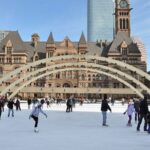
Toronto clicks fast with a local in charge. This private custom walking tour lets you choose what matters, then a local guide builds a route around your interests. You’ll also answer a short questionnaire before you meet up, so you’re not stuck with a one-size checklist.
I like two things a lot. First, the flexibility: you can pick a duration from 2 to 8 hours and skip sights you don’t want. Second, the guide energy—people like Jenn, Dave, and Christina clearly know Toronto in a practical, story-first way, not a lecture-first way.
One thing to consider: this is primarily on foot with no private vehicle. That’s great for neighborhoods and street life, but you’ll want comfortable shoes and you may use public transport between longer stretches (with any costs settled on the day).
In This Review
- Key things to know before you go
- City Unscripted Toronto: a local route built around your interests
- Roy Thomson Hall meetup and how pickup works on a walking tour
- The questionnaire that actually changes what you do
- Stop 1: Toronto library time—rare books and architectural details
- Stop 2: the eclectic neighborhood walk—shops, records, street art
- Stop 3: university architecture—Romanesque meets Gothic Revival
- Stop 4: Old City Hall (1899)—Romanesque civic landmark stories
- Stop 5: St. Lawrence Market since 1803—food culture and local identity
- What you’ll learn from guides like Jenn, Dave, James, and Christina
- Price and value: is $48.23 per person a good deal?
- Getting the most out of a 2 to 8 hour format
- Who this Toronto private tour suits best
- Should you book this Toronto Private Custom Tour?
- FAQ
- How long is the Toronto private custom tour?
- Is it really private?
- Do I get pickup from my hotel?
- Is the tour mostly walking?
- Are food and attraction tickets included?
- What if the weather is bad?
- Do I need to plan the route in advance?
- Can I bring a service animal?
- Can I cancel for a refund?
Key things to know before you go
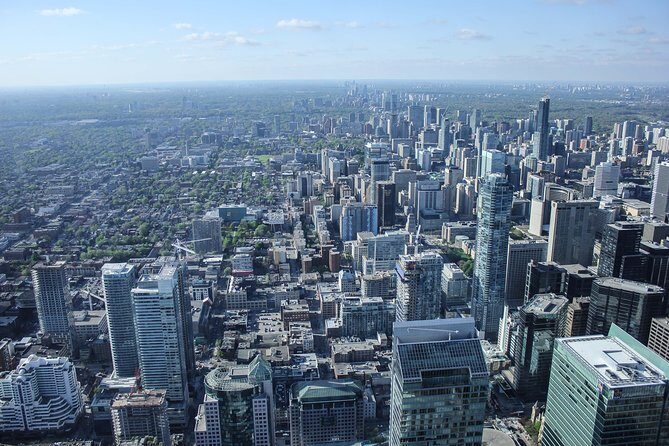
- Custom itinerary by questionnaire: you share your interests first, so the route reflects your style (food, architecture, hidden corners, whatever you name).
- Private experience for just your group: you’re not waiting for other people’s pace or preferences.
- A classic Toronto sweep, with smart flexibility: library, university architecture, Old City Hall, and St. Lawrence Market are part of the lineup.
- Walking-first format: the tour is designed to work on foot, but longer gaps may mean transit.
- Guides with real local instincts: you’ll get recommendations you can use after the tour, not just facts about buildings.
City Unscripted Toronto: a local route built around your interests

The best part of this tour is the premise: you’re not assigned a rigid “see everything” plan. You answer a short online questionnaire after booking, and then your host turns that into a route that matches what you actually care about—university architecture, quieter streets, bookish stops, street food style experiences, or markets.
This matters in Toronto because the city is spread out, and neighborhoods feel different from block to block. A custom approach helps you get your bearings fast, then spend your remaining time doing what you enjoyed most. It’s also why the tour works well across different travel styles: history lovers get the landmark architecture, and people who prefer everyday life get the shopping streets, food culture, and local rhythm.
And in the reviews, you can see what that looks like in real life. Guides like Jenn and Dave are praised for helping people get a feel for Toronto’s history and sights, while Prachi Thakkar is noted for being well prepared for the specific objectives of the tour. Christina’s name comes up with families who wanted history and Canada context without turning it into a dull classroom moment.
You can also read our reviews of more private tours in Toronto



Roy Thomson Hall meetup and how pickup works on a walking tour
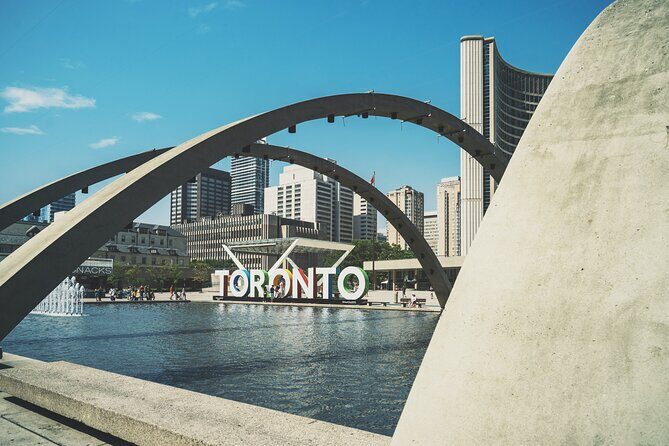
You start at Roy Thomson Hall (60 Simcoe St), and the tour ends back at the same meeting point. If you’re staying centrally, you may get a pickup on foot from your accommodation. If your hotel isn’t a match for the pickup area, you can choose a central landmark option instead.
Because it’s a walking experience, your guide will also think about practical pacing: how far you cover for your chosen duration, and where it makes sense to switch between quieter blocks and major sights. If you pick a longer time window, the route has room to move through multiple neighborhoods rather than staying glued to one zone.
The tour runs in English, and it’s set up for most people to participate. If you’re traveling with a service animal, that’s allowed. Also, since it’s near public transportation, it’s easier to build your day around it—especially if your next stop is downtown.
The questionnaire that actually changes what you do
Most “custom” tours ask for preferences. This one uses them to build the schedule before you arrive. After booking, you’ll get an online questionnaire link to share interests, must-sees, and preferences. Then your City Unscripted guide personally reaches out to shape a fully customized itinerary.
What I like is that the questionnaire gives you examples of angles you can choose: university architecture, hidden bookshops, and sampling street food in a vibrant market. Even if those are just starting points, it tells you what kind of guidance you’ll get. You’re not limited to grand monuments; you can steer toward everyday Toronto textures.
You can also influence the rhythm. If you want more stops where you can pause and take photos, say so. If you’d rather keep moving and cover the city at a brisk walking pace, that’s a different plan. The private setup makes that possible, because your guide is not balancing different groups’ needs at the same time.
Stop 1: Toronto library time—rare books and architectural details
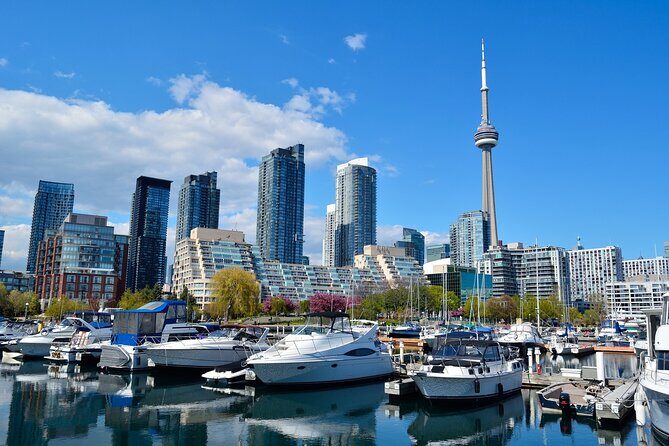
One of the tour stops is a major library that’s described as one of Canada’s treasured libraries, with thousands of rare and beautiful books and notable architectural elegance. This is a smart first stop because libraries tend to set a tone for the rest of the walk: thoughtful, civic-minded, and rooted in the city’s identity.
What you’ll get here isn’t just a photo op. Your host shares insights into the library’s history and design, so you understand why it’s considered special. The architectural blend and book-focused setting also works well if the weather isn’t great, since libraries are often more forgiving than outdoor-only sightseeing.
A practical tip: treat this as both a sight and a break. If your ideal day includes quick pauses, plan to linger a bit longer here. If you’re in a hurry, you can still get a lot from the story your guide explains—without needing a full self-guided book tour.
Stop 2: the eclectic neighborhood walk—shops, records, street art
Next is Toronto’s most eclectic neighborhood energy, the kind of area where vintage shops and record stores share space with international eateries and bold street art. Think of it as the city’s creative side—loud visually, but easy to wander once you’re in the mood.
This stop is valuable because it shows Toronto as a lived-in city, not just a set of landmark backdrops. Your guide can point out what to look for as you walk: the vibe behind a block, why certain storefronts show up together, and how street art fits into local culture.
One drawback to keep in mind: you might want to budget a little time for window browsing. If you rush through this area, you miss the point. But if you’re happy to slow down, this is where the tour often starts feeling fun in a real way—especially if you enjoy design, music culture, and neighborhood character.






Stop 3: university architecture—Romanesque meets Gothic Revival
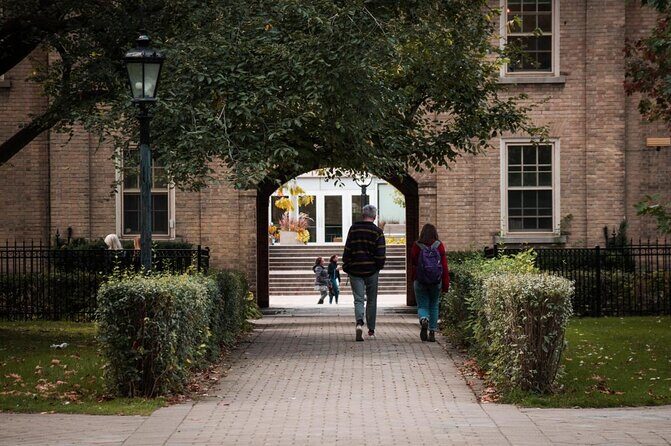
The tour includes a walk through the historic university campus, with its striking mix of Romanesque and Gothic Revival architecture. This is the kind of stop that can turn into either a quick pass or a memorable one, depending on how your guide tells it.
Here, your host highlights the university’s academic legacy and design heritage as you walk. That’s a big difference from simply seeing buildings from the outside. You’ll connect architecture choices to the era they came from and understand how the campus became part of Toronto’s identity.
If you’re the type who likes to look up at façades and notice patterns, you’ll enjoy this stop. If you’re not, no problem—just ask your guide to point out two or three things to focus on and then let the stories do the rest.
Stop 4: Old City Hall (1899)—Romanesque civic landmark stories
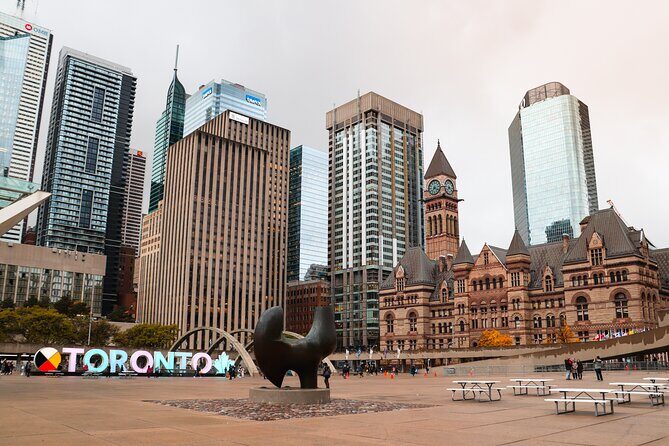
Old City Hall is described as a Romanesque civic landmark completed in 1899, and it’s one of Toronto’s most iconic structures. This is where you get the city’s civic and political story, but in a walking-friendly way that doesn’t require reading a pamphlet.
The value here is context. Your guide explains the design and historical significance, plus the role it played in the city’s development. It’s a classic Toronto lesson: how government buildings, public squares, and architecture signal power and ambition—then become part of everyday city life.
This stop also works well if you want strong photo angles. Civic landmarks often reward standing back and framing the full structure, not just close-up details.
Stop 5: St. Lawrence Market since 1803—food culture and local identity
The final stop is a market institution since 1803. Expect a sensory walk through local produce, artisanal goods, and multicultural food traditions that define the city’s identity. St. Lawrence Market is one of the easiest places to understand Toronto’s mix—because you can literally see it in the stalls and the food options.
Even though food and drinks are not included, the guide’s perspective can help you choose what’s worth your time. If you’re hoping to sample without overdoing it, ask your host what to look for and what to skip based on your tastes.
One practical consideration: markets can be busy depending on the time of day. If you’re short on time or sensitive to crowds, you’ll still get the story and architecture around the market area, but you may want to move with purpose.
What you’ll learn from guides like Jenn, Dave, James, and Christina
The reviews highlight something that matters for this kind of tour: guide personality and preparation. Jenn’s vibe is specifically mentioned as a reason the experience felt memorable—so expect an enthusiastic approach that turns “sightseeing” into understanding.
Dave is praised for helping people get a feel for Toronto, including its history and incredible sights. James is noted for keeping things fun and productive even when many places were closed, which is a realistic scenario in real travel. That tells me the guide role isn’t about checking boxes; it’s about adapting and still giving you the city story.
Prachi Thakkar stands out for exceeding expectations and having impeccable English, and Wolfgang is called out for a truly private, personalized tour with start and end points set to suggestions. Christina gets mentioned for delivering history that worked well for a family setting.
In short: you’re not just paying for movement around town. You’re paying for a local translator—someone who can connect the dots between neighborhoods, buildings, and how people live here.
Price and value: is $48.23 per person a good deal?
At $48.23 per person, this sits in a reasonable range for a private custom walking experience, especially because what’s included goes beyond a map. You get a dedicated host, a questionnaire-driven itinerary, and direct communication with the guide for planning and local recommendations.
Here’s what you should weigh for value:
- You’re paying for time with a private local, not for entry tickets. Most attractions are not included.
- You’re not tied to a fixed route. That flexibility can save you from wasting hours on sights you don’t care about.
- You’re walking. That means you don’t pay for private vehicles, but you should have the stamina for a walking day.
- Transit may cost extra if your route requires public transport between farther points.
If you’re traveling solo or as a small group, the private element can feel especially worth it. If you’re traveling with friends, also keep in mind that group discounts are available, which can improve the value fast.
Getting the most out of a 2 to 8 hour format
This tour’s duration flexibility is a hidden advantage. A 2-hour version is great if you want quick orientation plus a few key landmarks. A 4-hour or 5-hour window is where you can slow down, ask more questions, and actually enjoy the neighborhoods. Going toward 8 hours makes sense if you want both architecture stops and more time to wander shopping streets and market areas.
The biggest “success factor” is choosing a duration that matches your energy. Because it’s walking-based, don’t overbook the day. If you do, you’ll spend less time talking with your guide and more time just trying to keep up.
Also, bring a mindset of asking for help. When your host offers recommendations, treat that as part of the tour value. The best guides point you toward things that fit what you liked during the walk.
Who this Toronto private tour suits best
This is a good match if you want:
- A private experience with your own pace and interests
- A mix of neighborhoods, architecture, and market culture
- A local who can recommend what to do next based on what you enjoy
It’s also ideal if you like structure without rigidity. You’ll see several major Toronto anchors, but you’re not forced into a one-size sightseeing script.
Families can do well too, and the guide approach is praised for working for families who want history explained in a friendly way rather than a formal lecture vibe.
Should you book this Toronto Private Custom Tour?
Book it if you want Toronto’s main beats—library, university architecture, Old City Hall, and St. Lawrence Market—but you want them explained by a local who can steer the day toward your tastes. The customization, private attention, and guide enthusiasm are the reasons this tour can feel like more than a sightseeing walk.
Skip it only if you hate walking or you want a tour with lots of included admissions and meals. Since food, drinks, and tickets aren’t included, you’ll need to plan your own add-ons.
If you’re coming to Toronto for the first time and want a fast start that still feels personal, this one is worth putting on your list.
FAQ
How long is the Toronto private custom tour?
The duration is flexible, typically 2 to 8 hours. You choose your preferred length when booking, and your guide adapts the walk to fit that time.
Is it really private?
Yes. It’s a private tour/activity, and only your group participates.
Do I get pickup from my hotel?
Pickup is offered on foot if your accommodation is central. If your hotel isn’t on the list, you can choose a central landmark meeting option instead.
Is the tour mostly walking?
Yes. It’s primarily a walking experience, and no private vehicle is included. Public transport or taxis may be used for longer distances, if your host suggests it.
Are food and attraction tickets included?
No. Food, drinks, and tickets to attractions are not included. You can still get local guidance on what to eat and what’s worth your time.
What if the weather is bad?
Because it includes indoor stops like a major library, it can still work when weather isn’t ideal. You’ll also be walking, so wearing weather-appropriate clothing helps.
Do I need to plan the route in advance?
You’ll complete a short online questionnaire after booking, and your guide will reach out to craft an itinerary around your interests and must-sees.
Can I bring a service animal?
Yes. Service animals are allowed.
Can I cancel for a refund?
Yes. You can cancel up to 24 hours in advance for a full refund. If you cancel within 24 hours of the start time, the amount paid is not refunded.