REVIEW · SAINT FELICIEN
Saint Felicien: Admission to Zoo Sauvage
Book on GetYourGuide →Operated by Zoo sauvage de Saint-Félicien · Bookable on GetYourGuide
A boreal train ride changes how you see zoos. At Zoo Sauvage de Saint-Félicien, you spend your day in Boreal-themed habitats that feel more like a cold-weather nature area than a typical enclosure, and you do it with the famous Nature Trails Park train. I love the Boreal Train concept because you’re transported right into a boreal setting while animals stay free. I also like the emphasis on open habitats where multiple species can share space.
The trade-off? This isn’t built for maximum animal density in the way some big zoos are. If you’re expecting a long walk packed with constant sightings, the experience can feel a little pricey for the time you physically spend there.
In This Review
- Key highlights you’ll care about
- Boreal Train in Nature Trails Park: the cage-meets-wild concept
- Wild Zoo winter sectors: Arctic Tundra to Ethiopian Plateaus
- Animals “free” and you in cages: what that means in real life
- Train ride history stops and recreated villages: why it isn’t just animal viewing
- Hiking trails, snacks, and the multisensory film: pacing your day well
- Price and value at $46: who gets the best deal
- What to pack and how to enjoy Quebec winter at the zoo
- Accessibility, pets, and practical rules that affect your visit
- Who should book this admission (and who might want a different zoo)
- Should you book Zoo Sauvage Saint-Félicien admission?
- FAQ
- What does the Saint-Félicien Zoo Sauvage admission include?
- How much is the admission per person?
- How long is the ticket valid?
- Where do I go for the experience?
- Is this experience wheelchair accessible?
- Are pets allowed?
- Is the zoo experience available in winter?
- What sectors are in the pedestrian part of the Wild Zoo?
Key highlights you’ll care about
- Boreal Train in Nature Trails Park: a ride made for winter viewing, not a quick shortcut
- Animals in near-freedom: you’re the one contained, not the animals
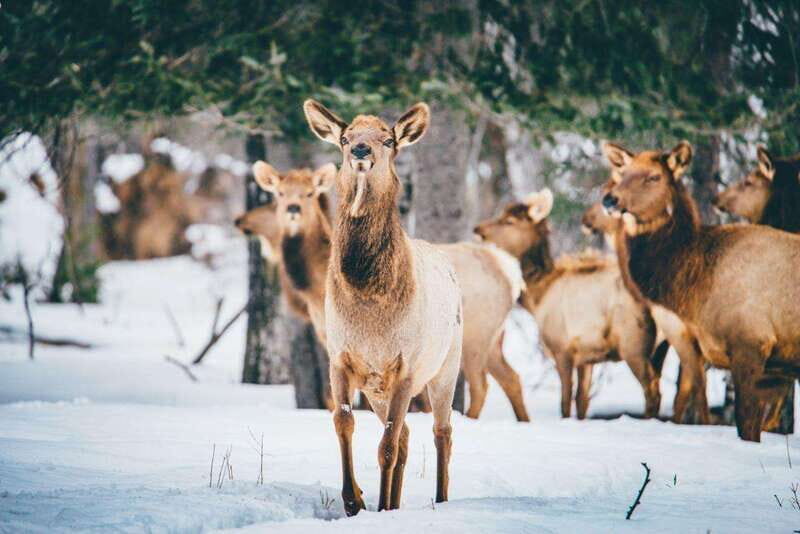
- Six winter sectors on foot: Arctic Tundra, Eastern Asia, Laurentian Forest, Mongolia, Rocky Mountains, Ethiopian Plateaus
- Snack time included: animal snacks are part of what you get during your visit
- Multisensory film: a different way to set the mood before you head outside
Boreal Train in Nature Trails Park: the cage-meets-wild concept
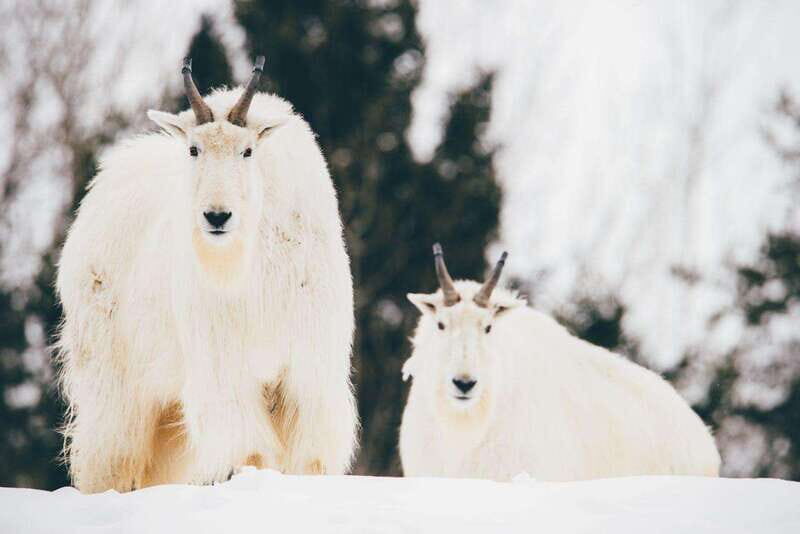
The core of your day is the train ride in the Nature Trails Park, the activity that made Saint-Félicien Zoo Sauvage famous. You board and ride through the setting with animals living close by, feeding, hiding, and sometimes confronting each other in the open. The key idea is simple and unusual: animals are free, and visitors are kept in a controlled way while you watch their world unfold.
That “you’re protected while they’re not” design is exactly why this feels different from a standard zoo stroll. Instead of looking at animals behind solid barriers, you’re observing them in environments meant to resemble their real habitats as closely as possible. You’ll also get the sensation of scale—wide space, winter air, and that quiet sense that you’re moving through an ecosystem rather than moving past cages.
The train is also where your timing matters. In winter, you can move between viewpoints without standing around in the cold as long as you might in a purely walking-only visit. It’s a smart format if you want winter beauty without turning the day into a survival test.
Wild Zoo winter sectors: Arctic Tundra to Ethiopian Plateaus
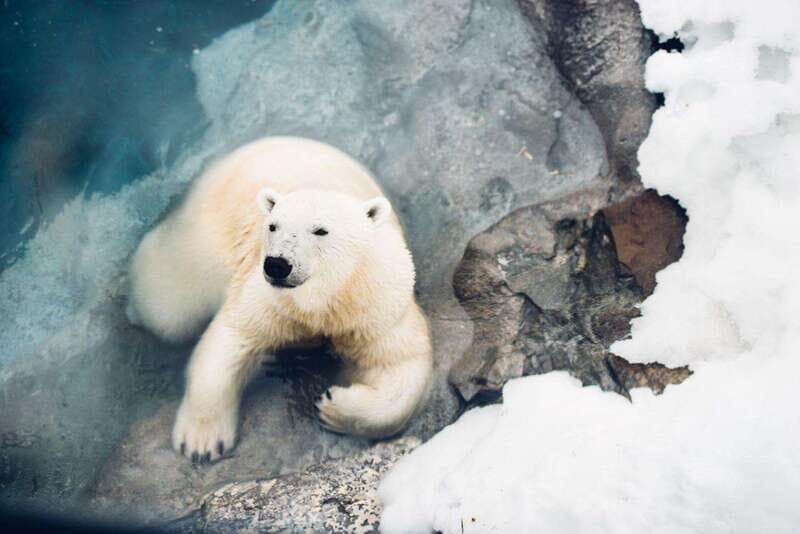
After (or alongside) the train, you can explore the pedestrian side of the Wild Zoo. In winter, it’s divided into six sectors, and the names are your quick map:
- Arctic Tundra
- Eastern Asia
- Laurentian Forest
- Mongolia
- Rocky Mountains
- Ethiopian Plateaus
I like this setup because it prevents the “everything looks the same” problem that can happen in animal parks. Each sector is meant to represent a different region and habitat style, so your brain gets a new reference point every time you turn a corner. You’re not just watching animals—you’re trying to understand how they live in different conditions.
It also helps to know what you’re looking for. The zoo is built around boreal biodiversity, and the animals are adapted to low temperatures common in Quebec. That means winter is not just the season you’re visiting; it’s part of the logic of the park. You’ll often see animals carrying on with regular behaviors, not acting like they’re trapped in a display for humans.
One practical point: walking in winter is slower. The sectors sound like a simple route on paper, but icy paths and cold weather can stretch your time. If you’re going for maximum animal sightings, plan for a steady pace and accept that “seeing” is often about patience, not rushing.
Animals “free” and you in cages: what that means in real life
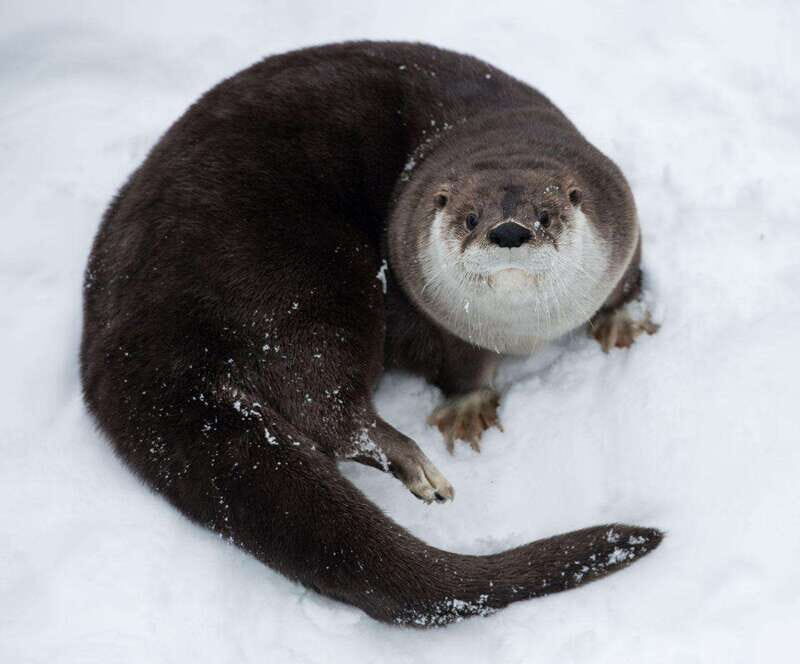
This zoo makes a bold claim: it’s the only zoo where animals are free and visitors are in cages. The line is attention-grabbing, but the practical takeaway is more about safety and observation than about drama.
In the train portion, the mesh train concept keeps visitors contained while the animals roam in open environments. In the walking portions, you’re still moving through habitats designed for the animals’ cohabitation, including situations where species may live together rather than being separated into single-species compounds. That’s a big reason why you may see animals in near-natural routines—feeding, hiding, and reacting to each other—like you’re watching a functioning habitat rather than a staged performance.
From a visitor standpoint, it’s also why your mindset matters. You’ll get the best experience if you treat it like wildlife watching in winter: watch quietly, give space, and let the animals come to you when they choose. If you approach it like a checklist, you might miss the moments when an animal decides to move, feed, or reveal itself from cover.
And yes, you can get close. One review notes that some animals, like red pandas, can be sleeping only a few meters away from visitors. That kind of proximity is part of the appeal, but it also means you’ll want to keep your distance where the park asks for it and follow the guidance from staff.
Train ride history stops and recreated villages: why it isn’t just animal viewing
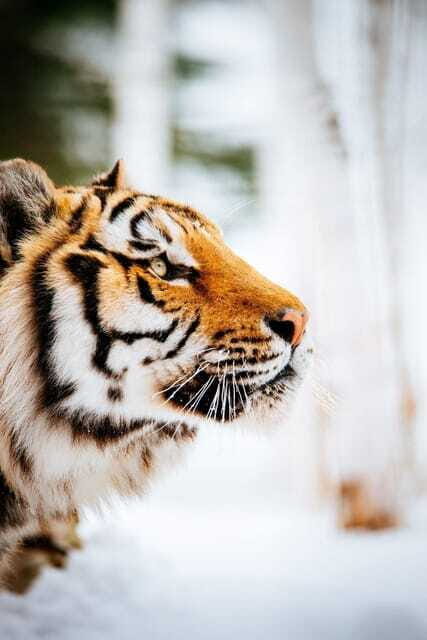
The Nature Trails Park experience doesn’t stop at animals. During your visit, you’ll have opportunities to see historical sites that recall the origin of culture and different eras of history. Some parts reference the story of early settlers, with village reconstructions that help you understand the broader “northern life” theme of the park.
I like this blend because it gives you a break from pure animal watching and helps the setting feel anchored. Winter can blur time—everything is cold and snowy—but these human-story elements give the visit context. You’re not only looking at Boreal ecosystems; you’re also getting a sense of how people lived in these environments and how the zoo frames that connection.
There’s also a practical benefit: the historical moments offer natural pause points. If you’re traveling with different ages or energy levels, those stops can help keep the day moving without everyone losing patience waiting for animals to appear.
Hiking trails, snacks, and the multisensory film: pacing your day well
Your admission includes access to hiking trails, animal snacks, and a multisensory film. That combination matters because it shapes how you can pace your visit.
If you’re arriving on a day with cold rain, you’ll be glad the experience isn’t only dependent on long outdoor walking. One review called out how the train shines even when weather isn’t perfect, and that makes sense—part of the time you’ll be inside the mesh train ride while still seeing wildlife and scenery outside.
The multisensory film is your inside-time buffer and a way to “tune in” before you head into the Boreal environment. I like to use that kind of pre-visit media for two reasons: it helps you understand the theme you’re about to see, and it gives your body a quick warm-up before you spend time outdoors.
Then there’s the animal-snacks component. You get snacks included, but you should always follow onsite instructions about how they’re meant to be used. Even when you’re not feeding animals directly, having that rhythm built into the visit can help you time your observation—when staff prompts snack-related moments, animals often shift their behavior and visibility.
A smart plan: don’t sprint through the trails. Take your time on the routes that feel most comfortable, and let the train and key sectors be your anchors. You’ll enjoy it more if your day has breathing room.
Price and value at $46: who gets the best deal
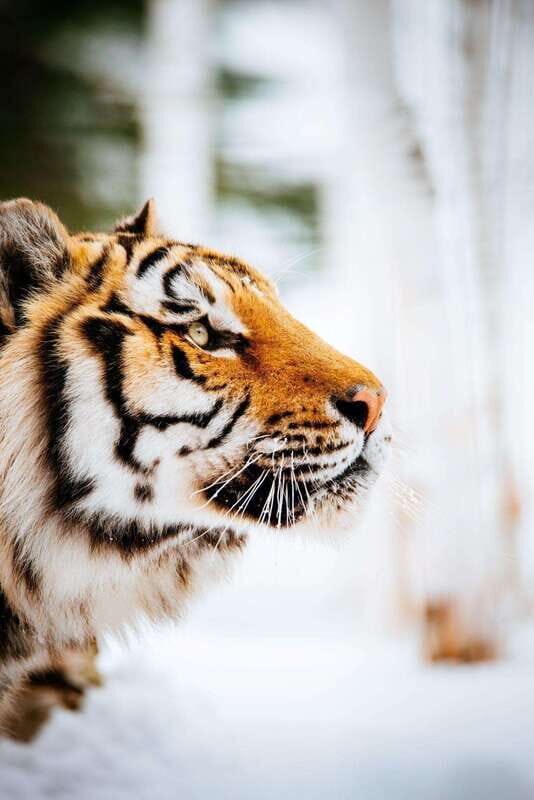
At $46 per person, this admission is clearly not a “cheap add-on.” The value depends on what you want most:
- If you care about how animals are displayed—especially the near-freedom model—the experience is more than just ticket entry. You’re paying for the format: the Boreal Train, the open habitats concept, and the themed winter sectors.
- If you’re expecting a long, nonstop parade of animals around every corner, you might feel like you saw fewer things than the price tag suggests.
One review rating was lower on the value question, pointing out that it can feel expensive for seeing only a limited amount. That’s a legitimate consideration. The zoo is built around quality viewing in nature-like habitats, not around squeezing in constant animal activity.
My advice: treat it as a winter-focused experience, not a “how many animals can I tick off” mission. If you love winter nature, enjoy patient wildlife watching, and appreciate the logic of keeping visitors contained while animals roam, the price starts to make sense.
Also remember: your ticket validity is 365 days. You’re not locking yourself into one day of perfect weather. This flexibility can improve value because you can choose the timing that suits your trip.
What to pack and how to enjoy Quebec winter at the zoo
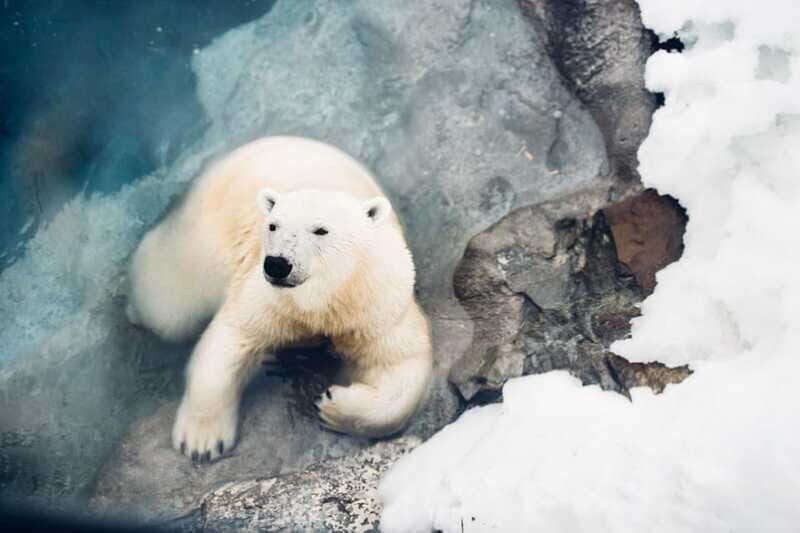
The zoo is described as an essential winter activity, and that’s the point: you’re coming for Borealia in cold weather. That affects everything—your comfort, your pace, and how long you’ll want to stay outside.
Bring warm layers and plan on winter walking time. Even with the train reducing some outdoor exposure, you’ll still spend time on the pedestrian part and around trails. If you dress for moving slowly and staying still, you’ll see more.
Comfort tip: wear shoes with good traction. The sectors are spread across different habitat themes, and winter footing can slow you down fast if your footwear isn’t up to it.
Finally, keep your expectations realistic. Animals in winter can be harder to spot at a moment’s notice. If you’re ready to watch patiently—watch for movement, listen for activity, and use the train ride for perspective—you’ll get more out of every sector.
Accessibility, pets, and practical rules that affect your visit
Zoo Sauvage de Saint-Félicien is listed as wheelchair accessible, which matters if you’re planning a family day where mobility varies. Since the experience includes both walking areas and a train ride, accessibility can be a big part of whether the day works smoothly for you.
Two other practical notes:
- Pets are not allowed (assistance dogs are allowed).
- The visit is designed for winter conditions, so plan accordingly.
The best way to keep your day comfortable is to consider how much time you’ll want to spend outside versus how much you’ll want to rely on the train ride for warmth and movement between areas.
Who should book this admission (and who might want a different zoo)
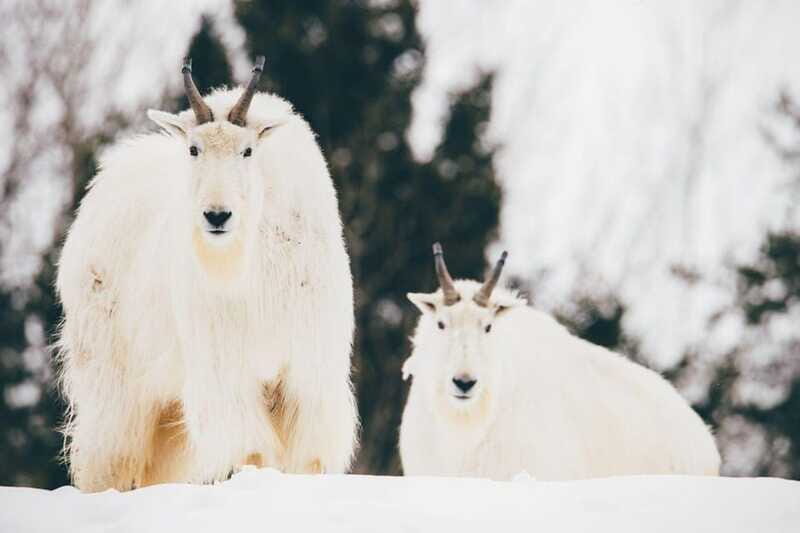
This admission works especially well if you fit one of these profiles:
- You enjoy winter nature and want to see animals in open, habitat-style environments
- You’re curious about the Boreal Train approach and the idea that visitors are contained while animals roam
- You like themed regions and don’t need a traditional city-zoo format to be satisfied
- You want a family-friendly winter outing where the park theme includes history and not just animals
You might skip or rethink it if:
- You only have a short window and need constant, easy animal viewing
- Your main goal is a dense lineup of species with frequent guaranteed sightings
- You’re sensitive to cold and don’t want to dress and move for winter outdoor time
Should you book Zoo Sauvage Saint-Félicien admission?
Book it if you want a winter experience that treats the Boreal environment as the main character. The Boreal Train and near-free habitats change the viewing style, and the winter sectors give you structure for exploring. I also like that you’re not stuck with one date—your admission is valid for 365 days, so you can choose the day that fits your schedule and weather tolerance.
Hold off if you’re shopping purely by price-to-animal-count. At $46, you’ll get the most value when you’re there for the concept: open habitats, winter-adapted animals, and a day built around watching nature work at a slower pace.
If you tell me when you’re going (month) and who you’re traveling with, I can help you decide the best approach for your timing.
FAQ
What does the Saint-Félicien Zoo Sauvage admission include?
It includes access to hiking trails, animal snacks, a train ride in the Sentiers de la Nature Park, and a multisensory film.
How much is the admission per person?
The price is $46 per person.
How long is the ticket valid?
The admission is valid for 365 days, with starting times depending on availability.
Where do I go for the experience?
Please go to Zoo sauvage de Saint-Félicien.
Is this experience wheelchair accessible?
Yes, it is listed as wheelchair accessible.
Are pets allowed?
Pets are not allowed. Assistance dogs are allowed.
Is the zoo experience available in winter?
Yes. Winter visiting includes observation in the walking section and in the Nature Trails Park aboard the mesh train, and the pedestrian part is accessible in winter.
What sectors are in the pedestrian part of the Wild Zoo?
The pedestrian part in winter is divided into six sectors: Arctic Tundra, Eastern Asia, Laurentian Forest, Mongolia, Rocky Mountains, and Ethiopian Plateaus.