REVIEW · QUEBEC CITY
Quebec City: Christmas Magic Walking Tour in Old Quebec
Book on GetYourGuide →Operated by Cicerone · Bookable on GetYourGuide
Winter in Quebec City is pure cozy. This 2-hour Christmas-themed stroll through Old Quebec turns cold stone streets into a story you can actually walk. I love the period-costumed, licensed guide and the chance to see the UNESCO Old Quebec highlights in a compact route. You get real context for the buildings, not just photos.
One thing to keep in mind: this tour mixes Christmas touches with a heavier lean toward history, so it may not satisfy you if you want big, staged holiday entertainment. Still, that trade-off works well if your goal is to understand why the city looks the way it does, especially in winter.
In This Review
- Key highlights I’d plan around
- Christmas Magic Meets Old Quebec’s Stone Streets
- Meeting Point on Sainte-Anne: Start Easy, Start On Time
- Route at a Glance: What You’ll See and Why It Matters
- Château Frontenac: More Than a Postcard Hotel
- Dufferin Terrace: The Winter Walk That Turns Views Into Context
- Notre-Dame-de-Québec Basilica: French Roots in Stone
- Place Royale: The Old City Core You Can Feel
- Your Guide in Period Costume: Why It Works in 2 Hours
- The Cold-Weather Reality: Rain or Shine Planning
- Price and Value: Is $28 Worth Two Hours?
- Who Should Book This Tour (and Who Might Want Another Style)
- Should You Book the Quebec City Christmas Magic Walking Tour?
- FAQ
- What is the duration of the Quebec City Christmas Magic Walking Tour?
- How much does the tour cost?
- Where do we meet for the tour?
- What’s included in the ticket?
- What languages is the live guide available in?
- Does the tour run if it’s raining?
- Can I get a refund if I cancel?
- What will we see during the tour?
Key highlights I’d plan around
- Château Frontenac viewpoints that help you read the shoreline and fort-city logic
- Dufferin Terrace winter walk with postcard views and practical sightseeing stops
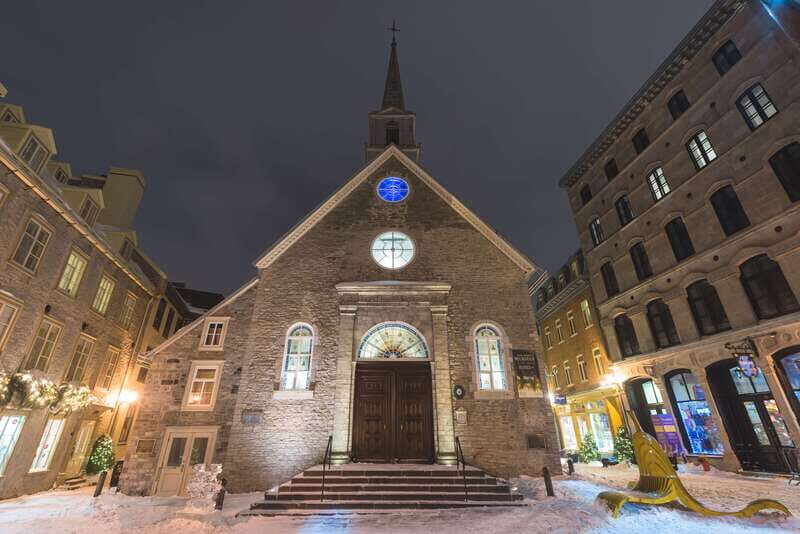
- Notre-Dame-de-Québec Basilica for French Catholic roots in Quebec City
- Place Royale so you can feel where Old Quebec’s early core still shows
- Small hot chocolate warm-up while your guide keeps the group moving
Christmas Magic Meets Old Quebec’s Stone Streets
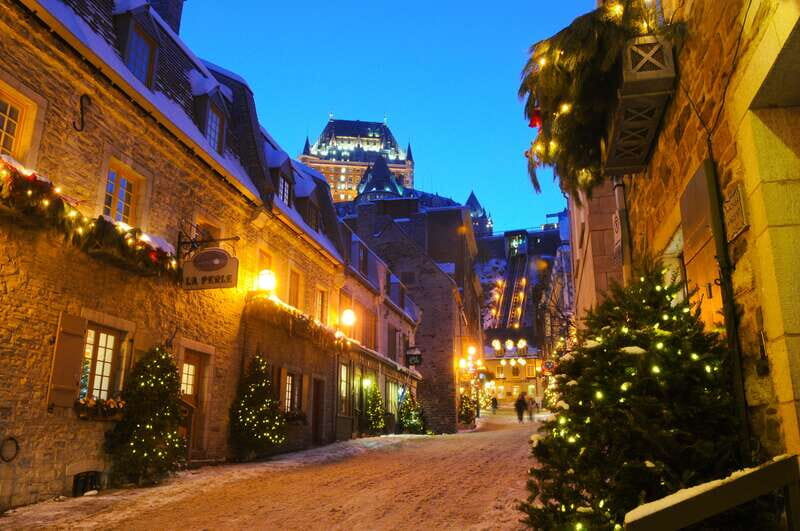
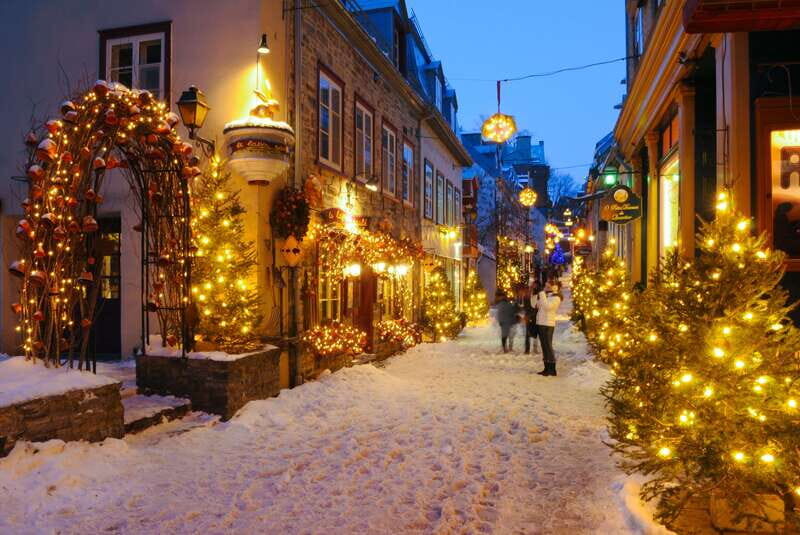
Quebec City at Christmas has a special kind of drama: sharp light, tree-shadowed corners, and that feeling that the city is older than your memories. This walking tour works because it gives you a script for what you’re seeing. You’re not just standing in front of famous spots; you’re learning the why behind them while you’re still within arm’s reach of the buildings.
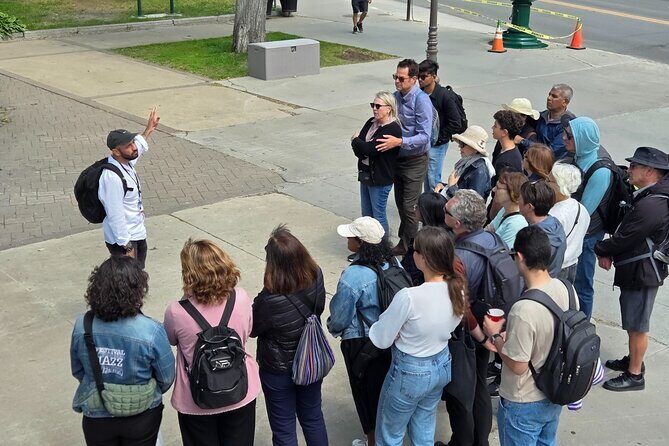
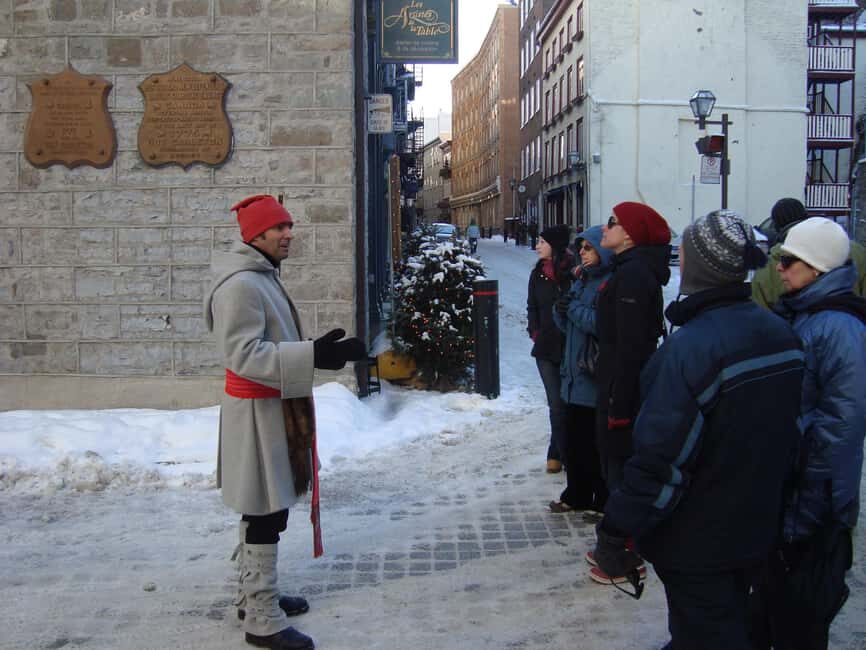
The biggest win for me is the guide experience. You’ll have a licensed guide in period costume, and the best tours are the ones where the character voice turns facts into images. Guides like Stacy, Sandrine, Yves, and Pierre (who even kept a humorous, inclusive character flow) are the kind of people who make history feel like it’s happening in the street, not in a textbook.
The second win is the efficiency. Old Quebec can be gorgeous but also overwhelming. Here, you cover the core highlights in about two hours, so you get that UNESCO World Heritage feeling without losing your whole day to wandering.
You can also read our reviews of more walking tours in Quebec City


Meeting Point on Sainte-Anne: Start Easy, Start On Time
You meet at the Cicerone Tour Desk inside the Tourist Information Center at 12, Sainte-Anne St., Québec (QC) G1R 3X3. If you like a backup plan, save the phone number 418-614-TOUR before you go, especially if you’re arriving by foot in the busy holiday season.
Two small practical tips that make this easier:
- Arrive a few minutes early so you can check the group and get warm before you start.
- Dress like it’s colder than you think. The tour runs rain or shine, every day of the year, which is great for planning—just means you should show up ready for damp air and icy steps.
Route at a Glance: What You’ll See and Why It Matters
The route focuses on Old Quebec’s most recognizable “anchors,” but with an added layer: you learn how the French heritage and early settlement shaped what’s still here today. Expect time at:
- Château Frontenac
- Dufferin Terrace
- Notre-Dame-de-Québec Basilica
- Place Royale
Even if you already know the names, the value comes from tying them together. Old Quebec wasn’t built randomly. It was built for defense, for river access, for trade, and for community identity. When you understand that logic, the streets start to make sense.
Château Frontenac: More Than a Postcard Hotel
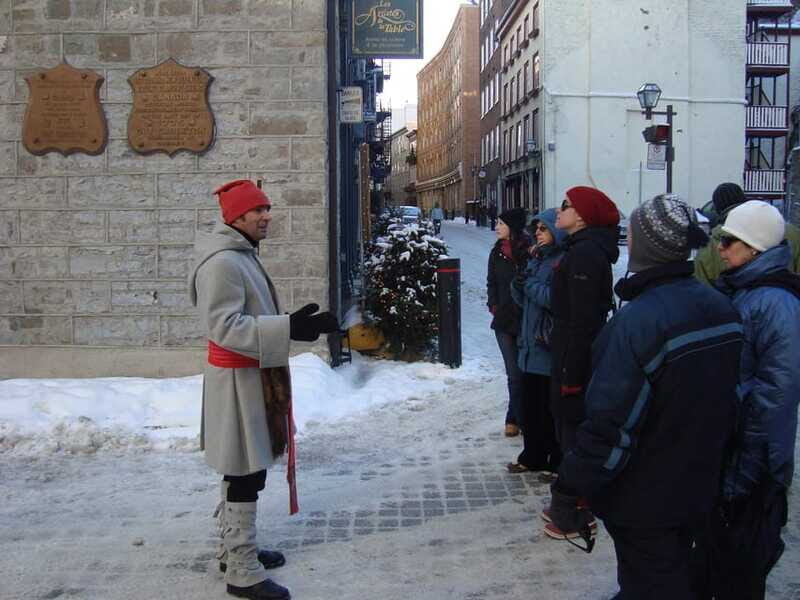
Château Frontenac is the city’s star, but it’s also a clue. It’s the kind of landmark that looks dramatic from every angle, yet it also represents how power and planning shaped Quebec City over time.
On this tour, your guide typically helps you connect three things as you look:
- where the city’s leaders wanted attention and presence
- how the St. Lawrence and the cliff-top terrain influenced decisions
- why the area’s topography matters for both defense and views
You’ll get those satisfying sightline moments where you can finally see what people mean by a “fortress city” feel. In winter, that matters even more, because the sky is clearer and the light bounces off stone and railings. It becomes easier to spot the structure of the place.
Possible drawback to expect here: the best viewpoints often require standing still for a moment. If the wind is strong, you’ll want a warm layer you can actually wear while listening.
Dufferin Terrace: The Winter Walk That Turns Views Into Context
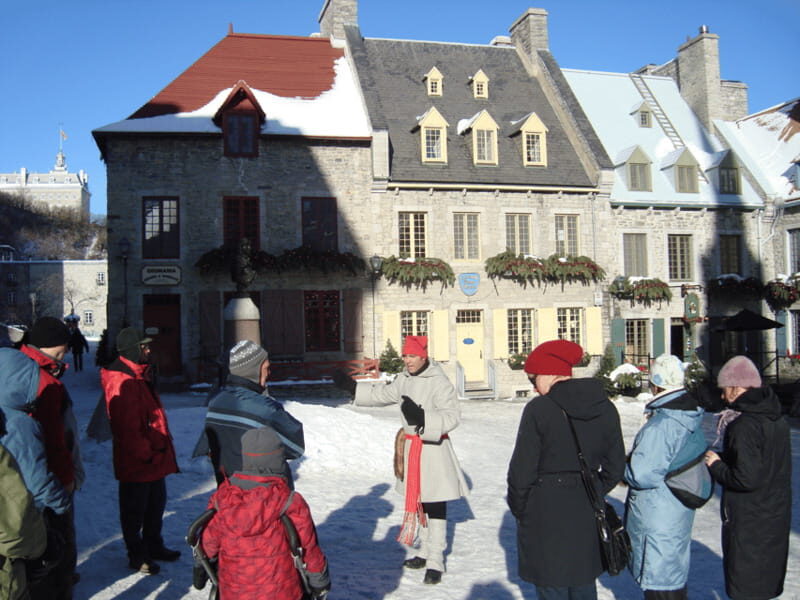
Dufferin Terrace is where Old Quebec slows down visually. It’s not just scenic; it’s a way of reading the city in motion. As you move along the terrace, your guide’s job is to help you translate what you see into what it means.
Why I like this stop:
- It helps you connect the big landmark (Frontenac area) to the city’s everyday street life.
- You get built-in pauses for photos and for getting your bearings fast.
In the cold, the terrace walk is also a practical test. Some days will feel biting even with December clothing. The good guides handle this by keeping you moving—then using short explanations to warm your brain while your body catches up.
One note to keep in mind: parts of Old Quebec involve stairs and uneven surfaces. If you’re sensitive to stairs, it’s worth planning for alternatives. Even one guest suggestion mentioned preferring a funicular option rather than stairs, which is a good reminder to think about your own comfort level before you commit.
You can also read our reviews of more city tours in Quebec City




Notre-Dame-de-Québec Basilica: French Roots in Stone
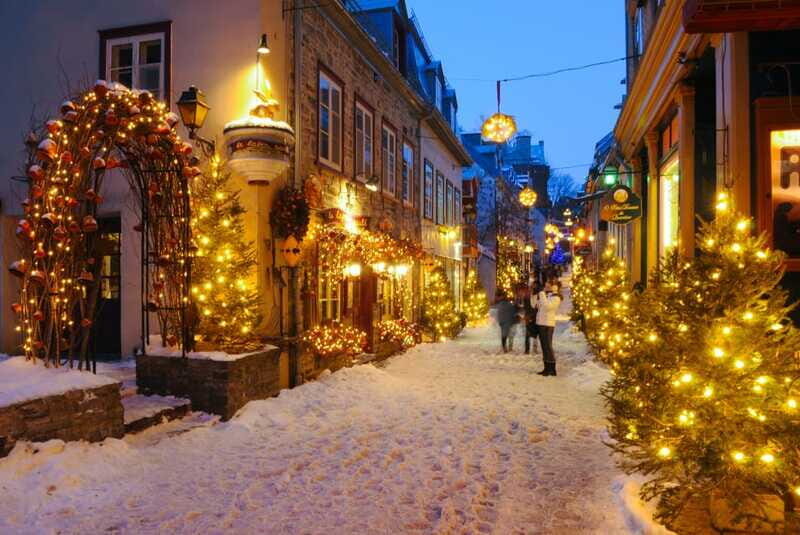
Notre-Dame-de-Québec Basilica isn’t just a pretty building. It’s a marker of identity. This is where you start to feel how the French presence shaped religious life, community gatherings, and the ceremonial side of city culture.
What I look for on tours like this is an explanation that helps the building make sense in context. Here, your guide ties the basilica to the broader story of the city’s French heritage. That turns the stop from scenery into understanding.
In winter, the basilica also offers a nice change of pace. Even if you can’t stay inside for long, you’re close enough to appreciate the scale and the details that make it feel like a real civic landmark, not just a tourist stop.
Place Royale: The Old City Core You Can Feel
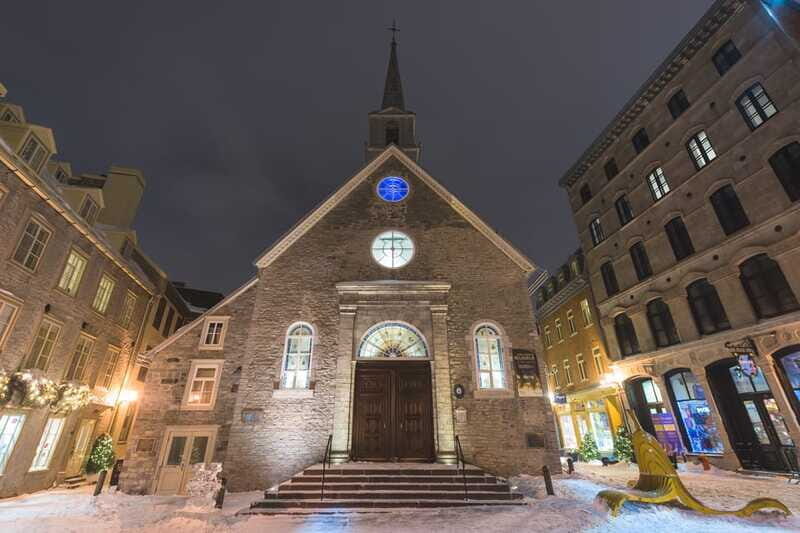
If Château Frontenac is the icon and Dufferin Terrace is the view, Place Royale is the “closer to the beginning” moment. It’s one of those stops where the streets and space help you imagine earlier life—market life, daily routines, and the practical reality of building a settlement that could survive.
This is also the stop where you can get the most out of a guide’s stories. Place Royale works best when someone helps you connect what’s visible now to what used to happen there. That shift in perspective is what makes the tour worth your time, even if you’ve walked Old Quebec on your own before.
Practical tip: take a second to slow down here. If you rush, you miss the texture of the square and the way nearby architecture pulls your eye into the historic core.
Your Guide in Period Costume: Why It Works in 2 Hours
You’re not just buying a route. You’re buying how someone tells the story while you walk it. This tour includes a licensed guide in period costume, and the impact is pretty immediate. It changes your attention. You start listening for cause-and-effect instead of just collecting facts.
From what I’ve seen described by different guide styles, the strongest tours balance:
- humor and character voice
- clear historical connections
- keeping the pace doable in cold weather
Some guides have been praised for staying in character the whole time, others for a warm, approachable tone. One guide even helped with a lunch recommendation near the route, which is the kind of small extra that makes a walking tour feel like local advice, not a lecture.
If you want to get the most value from this part: ask your guide for one practical suggestion beyond the tour. A quick question about where to eat nearby can save you time later.
The Cold-Weather Reality: Rain or Shine Planning
This tour runs rain or shine, every day of the year. That’s good news for you if your trip schedule is tight. It also means you should treat clothing like part of the plan, not an afterthought.
My go-to setup for Old Quebec in December:
- a warm base layer you can breathe in
- gloves with grip (you’ll use your hands a lot)
- a hat or hood for wind
- a waterproof layer if rain starts
Your guide should keep things moving, but you’ll still spend time outside near major landmarks. Hot chocolate helps. The tour includes a small hot chocolate, which works as a morale boost and a way to reset your body temperature.
Price and Value: Is $28 Worth Two Hours?
At $28 per person for a 2-hour walk, you’re paying for three things:
1) a licensed guide who can explain what you’re seeing
2) period-costume storytelling that makes the experience more memorable
3) a warm-up drink included in the ticket
Compare that to paying for a self-guided visit. You’ll spend the same amount of time outside, but without the narrative thread. For Old Quebec, that thread matters. The streets and buildings can look similar until someone helps you separate periods, influences, and why certain places became important.
Could you do it on your own for less? Sure. But if you’re the kind of traveler who wants the city to make sense quickly, this is priced like an efficient shortcut.
Who Should Book This Tour (and Who Might Want Another Style)
This works especially well if:
- you want to understand Old Quebec’s French heritage while seeing the key highlights
- you’re visiting for a short time and want a focused hit list
- you enjoy walking tours with character storytelling and short, punchy stops
It might be less satisfying if:
- you’re expecting mostly Christmas events, caroling, or seasonal activities
- you want a very deep history seminar with fewer stops and more explanation
There’s also a practical “hearability” variable. One note about the lack of microphone/amplifier came up. If you’re sensitive to hearing in open, windy spaces, arrive early and position yourself so you can hear clearly.
Should You Book the Quebec City Christmas Magic Walking Tour?
I’d book it if you want a smart, two-hour way to understand Old Quebec in winter. You’ll see the big names—Frontenac, Dufferin Terrace, Notre-Dame-de-Québec Basilica, and Place Royale—and the period-costumed licensed guide helps turn famous spots into a coherent story. The included hot chocolate is a small touch, but it makes the timing and weather feel more manageable.
I’d skip it or choose a different holiday-focused experience if Christmas is your main goal. This tour has Christmas magic, but it’s built on history first. If that sounds like what you’re after, you’ll likely have a very satisfying walk.
FAQ
What is the duration of the Quebec City Christmas Magic Walking Tour?
The tour lasts 2 hours.
How much does the tour cost?
The price is $28 per person.
Where do we meet for the tour?
You meet at the Cicerone Tour Desk – Tourist Information Center, 12 Sainte-Anne St., Québec (QC) G1R 3X3.
What’s included in the ticket?
The tour includes a licensed guide in period costume and a small hot chocolate.
What languages is the live guide available in?
The tour offers a live guide in English and French.
Does the tour run if it’s raining?
Yes. The tour takes place rain or shine, every day of the year.
Can I get a refund if I cancel?
Yes. You can cancel up to 24 hours in advance for a full refund.
What will we see during the tour?
You’ll visit key Old Quebec highlights including Château Frontenac, Dufferin Terrace, Notre-Dame-de-Québec Basilica, and Place Royale.