REVIEW · TORONTO
Toronto Islands: Morning or Twilight 3.5-Hour Bike Tour
Book on GetYourGuide →Operated by Toronto Bicycle Tours · Bookable on GetYourGuide
Biking Toronto by ferry beats the usual sightseeing. This 3.5-hour guided ride swaps city noise for quiet islands, with big harbor views and easy cycling on dedicated paths. You’ll cross the water first, then pedal through Toronto’s car-free island neighborhoods at a relaxed pace.
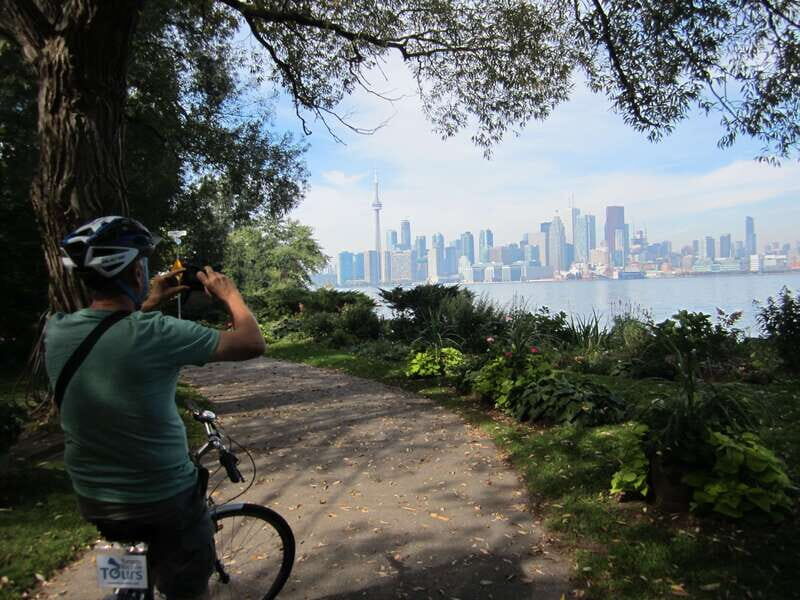
What I liked most: the skyline views. From the islands you get a different angle on downtown, especially at photo stops near beaches and parks, including iconic waterfront landmarks.
The other thing I really value is the way the tour keeps you moving safely. You’ll get helmet support, clear safety instructions, and guidance through traffic-adjacent moments with the plan to keep the ride comfortable for a wide range of riders. One thing to consider: the meeting point is in a parking garage (P2, section H), and you’ll also cycle out to the ferry, so plan extra time if you’re not totally comfortable on city bike lanes.
In This Review
- Key Things You’ll Notice on This Toronto Islands Bike Tour
- Toronto Islands by Ferry and Bike: Why This 3.5 Hours Works
- Finding the Meeting Point Near Dundas (Parking Garage, P2, Section H)
- Helmet Up and Bike Fitted: The Setup That Makes the Ride Feel Easy
- The Ferry Crossing: A Time-Saver With Skyline Payoff
- Car-Free Eastern Islands: Quiet Streets, Parks, and Beaches
- Gibraltar Point Lighthouse: Why One Landmark Is Worth the Stop
- Royal Canadian Yacht Club Area: Where History Meets Water Views
- Stories From the Guides: How the Tour Becomes More Than Scenic Cycling
- Morning vs Twilight: Picking the Right Light for Skyline Photos
- Safety and Comfort: What the Tour Actually Does to Keep You Relaxed
- Price and Value: What $99 Buys (and Why It Adds Up)
- Who This Tour Fits Best (And Who Might Want a Different Style)
- Should You Book This Toronto Islands Bike Tour?
- FAQ
- How long is the Toronto Islands morning or twilight bike tour?
- How much does the tour cost?
- What’s included in the ticket price?
- Do I need to bring my own bike and helmet?
- Where is the meeting point?
- Is the tour okay for beginners?
- What places will the tour visit?
- Is the tour guide available in English?
- Can children join the tour?
- Is there free cancellation?
- Is there any option to pay later?
Key Things You’ll Notice on This Toronto Islands Bike Tour

- A ferry ride that saves time and quickly switches you from downtown to island vibes
- Car-free island neighborhoods (the largest in North America, per the tour info)
- Photo-friendly scenery with skyline views plus stops like Gibraltar Point Lighthouse
- Well-managed pacing, with plenty of stops and an easy ride profile
- Snacks and water included, so you don’t have to think about supplies
Toronto Islands by Ferry and Bike: Why This 3.5 Hours Works
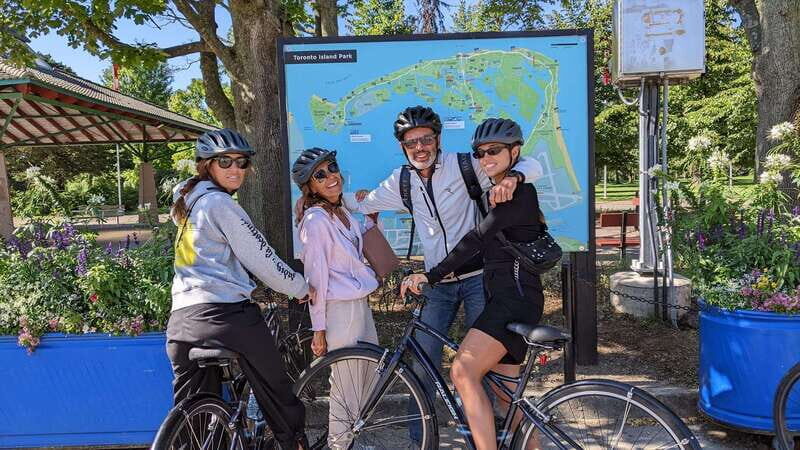
This tour is built for efficiency. In about 210 minutes, you cover the best parts of the island experience without spending half your day figuring out routes. The structure is simple: meet downtown, get set up, hop on a short ferry, then bike around the eastern islands where the pace feels noticeably different from the mainland.
What makes it feel worthwhile is the combo of three things: water views (from the ferry), cycling on mostly calm island routes, and a guided storyline that turns beaches, cottages, and landmarks into something you can actually place on the map. I like tours that make you stop often, not just roll forward and hope you notice everything.
You can also read our reviews of more cycling tours in Toronto


Finding the Meeting Point Near Dundas (Parking Garage, P2, Section H)
Your biggest “logistics moment” starts before you even see the island. The meeting point is in a parking garage about 50 meters south of Dundas, on the west side of the street. You enter the garage and follow yellow signs down to P2, then section H.
Here’s the practical tip: arrive early enough to walk slowly through the garage levels. People describe the street-level directions as hard to spot, and once you’re down at P2 it’s much easier. If you’re using your phone map, take a second to cross-check you’re in the right garage wing before you assume you’re late.
This matters because the tour itself runs on a schedule that includes getting everyone fitted and ready before the ferry crossing.
Helmet Up and Bike Fitted: The Setup That Makes the Ride Feel Easy

After you meet the guide, you’ll get fitted with a bike and a helmet. Helmets are mandatory, and the guides give safety instructions before each tour. That setup time is short, but it pays off because a comfortable bike fit makes the difference between relaxed pedaling and constantly adjusting your grip or seat.
The tour is described as suitable for beginner to advanced riders, and the actual ride plan follows through on that. You’ll be on quiet streets, park paths, and bike lanes, with stops built in. That means even if you’re an early rider, you’re not stuck pushing through nonstop motion.
If you want a small confidence boost before you start, do a quick check: brake feel, helmet strap snugness, and that your shoes feel stable on the pedals. You’re going to do enough pedaling that those details actually matter.
The Ferry Crossing: A Time-Saver With Skyline Payoff
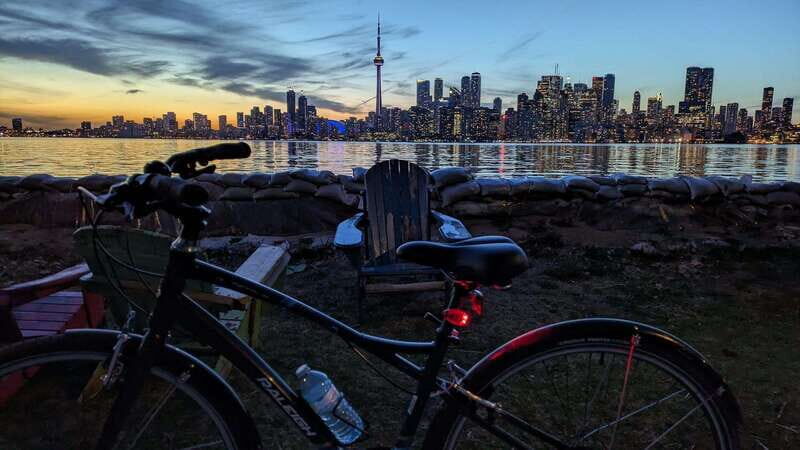
The ferry is more than a transit step. It’s the moment the tour changes tone. You trade the constant downtown hum for open water and a chance to look back at the city skyline from the harbor.
You’ll also see why this tour’s timing is smart. Instead of spending time getting around the waterfront by bike, the ferry gets you across quickly and makes the full loop feel like more of a day-trip outing. It’s also where you’ll start taking photos early, because the skyline view hits differently when it’s framed by water.
Car-Free Eastern Islands: Quiet Streets, Parks, and Beaches
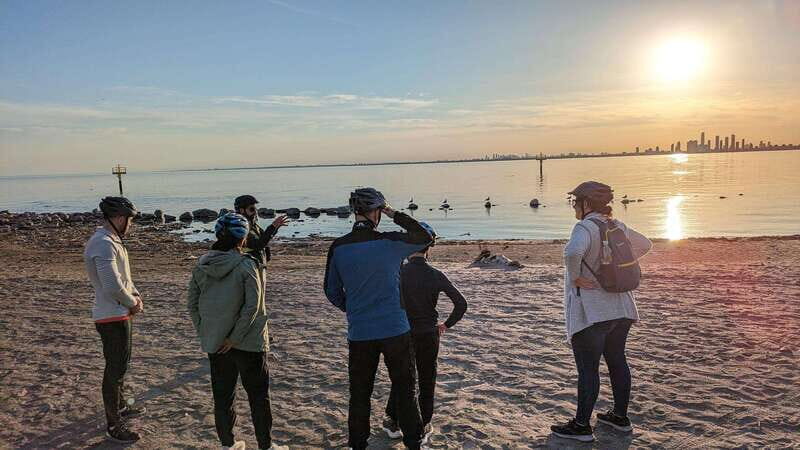
Once you’re back on land, the real appeal shows up: the island routes feel calm. The tour info calls this the largest car-free neighborhood in North America, and the practical effect is that you don’t need to white-knuckle your way around traffic.
You’ll bike through park areas and along beaches, plus past quaint cottages. One reason I like this part is that it feels like a break from the city while still being close enough to Toronto that the skyline stays in your visual memory. Even when you’re away from downtown, the skyline peek-through keeps the “this is Toronto from a different side” idea vivid.
The ride is kept at an easy pace with plenty of stops. That matters if you:
- want to enjoy scenery without doing a workout sprint,
- prefer guidance over constant map-checking,
- like photo pauses and quick storytelling moments.
A few more Toronto tours and experiences worth a look

Gibraltar Point Lighthouse: Why One Landmark Is Worth the Stop
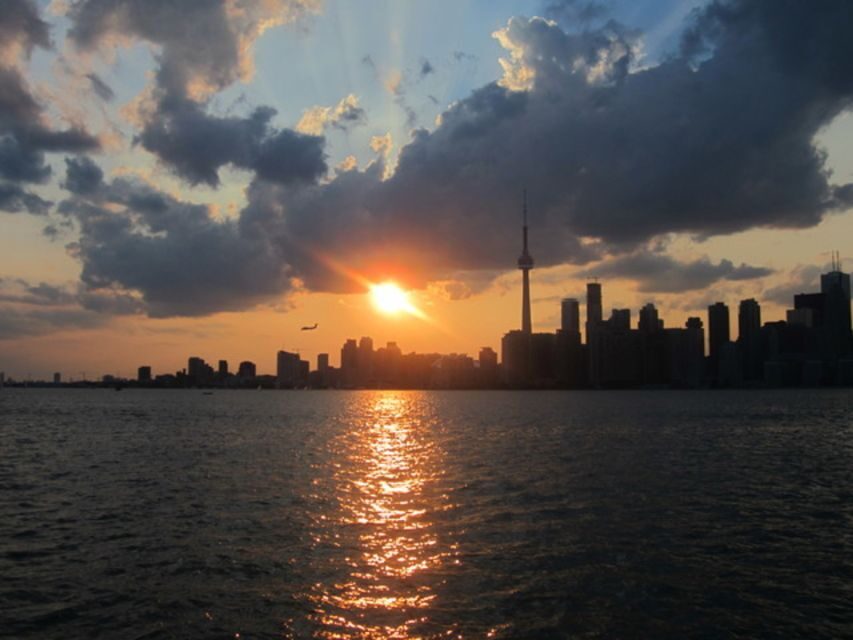
One of the named sights is Gibraltar Point Lighthouse, and it’s exactly the kind of stop that gives this tour its identity. Lighthouses are visual anchors, and when you pair that with harbor water and open sky, the area becomes instantly memorable.
Even if you don’t know the details yet, the guide’s stories help you connect the spot to what the islands have meant to Toronto over time. The lighthouse stop also tends to be the kind of place you can turn your head and get different angles of the shore and skyline.
In practical terms: plan to linger a bit here, even if the group moves on quickly. This is a photo-and-breathe stop.
Royal Canadian Yacht Club Area: Where History Meets Water Views
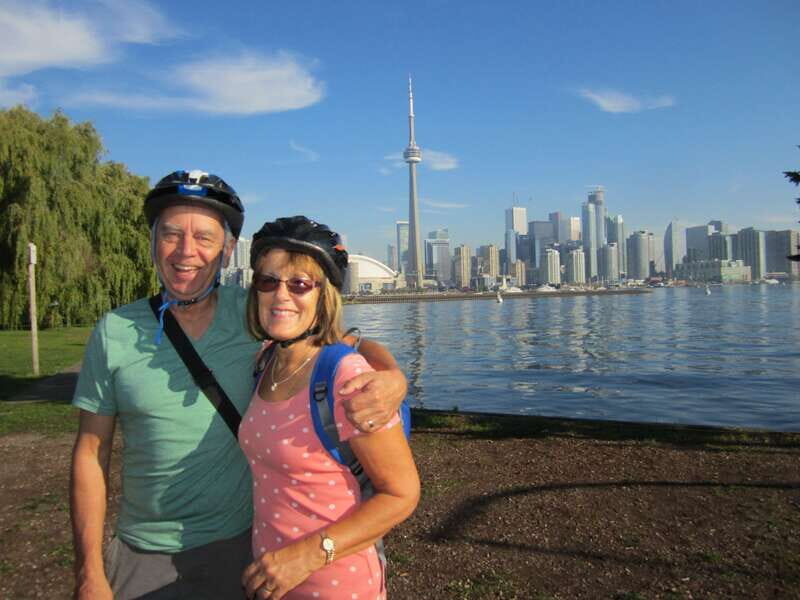
Another highlighted stop is near the Royal Canadian Yacht Club. This part of the ride helps you understand the islands as more than just parks and beaches. Waterfront institutions, shoreline design, and long-term use of the bay all show up in how the area feels.
The tour includes guide storytelling about key people and events from the island’s last 200 years, and that framing makes landmarks like this feel less random. You’re not just riding past a name—you’re getting context for why the islands developed into a place that people built lives around, season after season.
Stories From the Guides: How the Tour Becomes More Than Scenic Cycling

What keeps this tour from being only pretty bikes and harbor air is the guide narration. You’ll hear stories about key island people and events, plus fun facts that connect the dots between downtown and what’s out on the water.
Different guides bring different energy. Names that show up with strong consistency include Sydney, Ryan, Mariana, Oscar, Jenny, Consuelo, Sylvia, Marie, and Mina. The consistent thread is that guides focus on safety and pacing while still making the history feel like a living place, not a lecture.
One small but useful tip: ask the guide to take photos if you want them. Several people mention that the guide took photos for the group and later sent them along. If you’re traveling with someone and you want proof of the trip, this is a great way to get it without playing photographer for every stop.
Morning vs Twilight: Picking the Right Light for Skyline Photos

This tour runs in both morning and twilight formats, and timing changes the feel.
In the morning, you tend to get a calmer island experience. One of the strongest repeat themes is that early departures mean fewer people around, so the scenery feels peaceful and you can take photos without constantly stepping around crowds. The skyline still looks crisp, and the ride feels like a gentle start to the day.
Twilight adds a different kind of payoff. The skyline views at sunset can be stunning, and you’ll get a more dramatic sky over the water. If your main goal is photos and atmosphere, twilight is often the better call. You might also enjoy it if you’re trying to avoid the heat of midday in warmer months.
Either way, dress for changing waterfront conditions. Even when the ride is easy, the harbor can feel cooler than downtown.
Safety and Comfort: What the Tour Actually Does to Keep You Relaxed
Safety here is not just a checkbox. The tour info says the operator takes safety seriously and that you’ll be on quiet streets, park paths, and bike lanes. You’ll also get safety instructions before the ride, and helmets are mandatory.
The pacing is another safety layer. An easy tempo and regular stops reduce fatigue and make it simpler to stay in control. Many riders mention that the roads feel flat for most of the tour, with only small climbs around the start area. That matches the idea that this ride is meant to be approachable rather than punishing.
A practical note if you’re an unsure city cyclist: you do need to get from the meeting area toward the ferry. Some people find that initial stretch more stressful than the island riding itself. The good news is that the guides keep watch and manage the group so no one gets stranded behind or pushed into awkward gaps.
Price and Value: What $99 Buys (and Why It Adds Up)
At $99 per person, this isn’t a “cheap snack tour.” But it’s also not just a guided ride with nothing else included. Your price covers:
- bicycle and helmet rental
- ferry ticket
- tour guide(s)
- water and snacks
That combination is what makes the math work. If you were to rent a bike on your own, handle ferry costs separately, and then pay for a guide just to show you where to go, you’d likely end up spending similar money anyway—without the benefit of a planned route and stop-by-stop storytelling.
I also think this tour is good value because it saves you time. The ferry crossing and guided route mean you don’t burn hours assembling an island plan. You get the scenic loop plus context, in the same half-day window.
Who This Tour Fits Best (And Who Might Want a Different Style)
You’ll probably love this if you:
- want a break from Toronto traffic while still seeing the skyline,
- enjoy history through real places rather than museum-only stops,
- like a ride that works for different ability levels without feeling chaotic.
It also works for families in a specific way: children are welcome when accompanied by a parent or guardian, and the tour description emphasizes safety and quiet routing.
You might hesitate if you:
- hate bike riding in any urban portion at all, since the tour includes cycling to reach the ferry,
- dislike structured stops and prefer a longer, self-paced ride instead of a guided route.
For most people who can ride a bicycle, though, the “easy pace + quiet roads + frequent stops” approach is exactly what makes this tour feel relaxing rather than stressful.
Should You Book This Toronto Islands Bike Tour?
I’d book it if you want a simple, guided way to see the Toronto Islands without turning your day into logistics. The big wins are the car-free island riding, the skyline views, and the fact that your guide turns the stops—like Gibraltar Point Lighthouse and the yacht club area—into something you understand as you ride.
Just do two things to set yourself up for a smooth experience: arrive early for the parking garage meeting point, and plan to bring confidence for the initial ride toward the ferry. If that sounds manageable, this is a strong way to spend a half-day in Toronto.
FAQ
How long is the Toronto Islands morning or twilight bike tour?
The tour runs for 210 minutes (about 3.5 hours).
How much does the tour cost?
The price is $99 per person.
What’s included in the ticket price?
You get a bicycle and helmet, water and snacks, tour guide(s), and a ferry ticket.
Do I need to bring my own bike and helmet?
No. The tour provides a bicycle and helmet as part of the experience, and helmets are mandatory.
Where is the meeting point?
Meet in the parking garage approximately 50 meters south of Dundas on the west side of the street. Enter the garage, follow the yellow signs down to P2 level, and go to section H.
Is the tour okay for beginners?
Yes. The ride is set at an easy pace, uses quiet streets, park paths and bike lanes, and is suitable for beginner to advanced riders with plenty of stops.
What places will the tour visit?
The tour includes sights such as the Gibraltar Point Lighthouse and the Royal Canadian Yacht Club, plus parks and beaches on the islands.
Is the tour guide available in English?
Yes. The tour has a live English guide.
Can children join the tour?
Children are welcome when accompanied by a parent or guardian.
Is there free cancellation?
Yes. You can cancel up to 24 hours in advance for a full refund.
Is there any option to pay later?
Yes. You can reserve now & pay later, keeping plans flexible.