REVIEW · TORONTO
Downtown Toronto Bike Tour
Book on Viator →Operated by Toronto Bicycle Tours · Bookable on Viator
Downtown Toronto by bike feels like a shortcut. You’ll glide past the skyline and then into markets and neighborhoods where the city’s daily rhythm shows up fast. It’s a smart way to get your bearings, with a small group capped at 12 and a route designed for easy cruising.
I especially like two things here. First, the guide-led storytelling connects landmarks to street-level details, so you’re not just seeing Toronto—you’re understanding what you’re looking at. Guides such as Ryan, Mariana, Oscar, Carlos, and Consuelo have a strong reputation for keeping the ride fun and the group moving smoothly. Second, you hit a stack of top downtown spots—CN Tower, Toronto City Hall, Chinatown, Kensington Market, St. Lawrence Market, and the Entertainment District—without needing a car, transit hopping, or a complicated plan.
One thing to consider: this is downtown, so traffic and pedestrian crossings can make certain moments feel a bit tight. The good news is the route is easy and the guides focus on keeping everyone together, but you should expect normal city hustle in a few segments.
In This Review
- Quick hits before you pedal
- Meeting at Village by the Grange: where the ride starts
- The 3.5-hour plan: easy downtown riding with real stories
- CN Tower to Toronto City Hall: skyline icons with street-level context
- Chinatown, Kensington Market, and St. Lawrence: where Toronto smells like Toronto
- From the Financial District to the Eaton Centre: downtown in motion
- Art Gallery of Ontario, Entertainment District BIA, and Sugar Beach
- Bikes, helmets, and what to bring for comfort
- Pace, photo breaks, and how to get the most value
- Price and value: what $93.35 buys you in Toronto time
- Should you book this downtown Toronto bike tour?
- FAQ
- How long is the Downtown Toronto Bike Tour?
- Where does the tour start and end?
- Is the bike and helmet included?
- What’s included in the tour besides the guide?
- Is food included?
- How big is the group?
- What if the weather is poor?
- Is there a cancellation option?
Quick hits before you pedal
- 12-person small group keeps the pace human and the guide easy to hear
- Helmet + bike included, plus water and granola bars to keep energy steady
- A route that mixes icons like CN Tower with neighborhoods like Chinatown and Kensington Market
- Stops built for photo moments and short breaks, so you cover more ground than a self-guided ride
- A practical downtown loop that works well early in your trip so you can return later on foot or by transit
- You’ll be back near the start point in the Village by the Grange area, which makes reconnecting easy
Meeting at Village by the Grange: where the ride starts
The tour meets near 124 St Patrick St in downtown Toronto, right around the Village by the Grange area. If you’re coming by transit, this is a convenient part of the city to reach without fuss. The meeting point also matters because the whole tour is built as one connected loop—get the start right, and the rest flows.
Plan to arrive a few minutes early. One past rider ran into confusion near a parking structure and lost time before the group left. That’s not the tour’s fault, but it is a real reminder: downtown buildings can look similar, and the group departs on schedule. I’d rather you be early than sprinting around a garage trying to find a meeting spot.
What you can expect at the start: a quick meet-and-greet, then a brief orientation about the city and how the ride will work. You’ll be briefed before you hit the busier streets, which helps if you’re not used to cycling in a city.
You can also read our reviews of more cycling tours in Toronto


The 3.5-hour plan: easy downtown riding with real stories
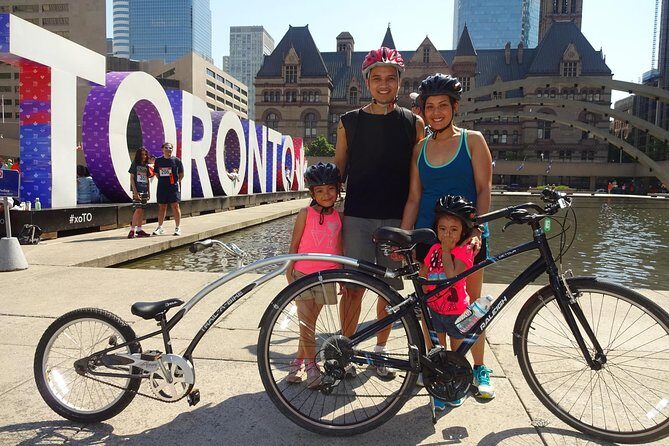
This is about 3 hours 30 minutes of riding time on an easy route. That matters because downtown Toronto can feel intimidating if you’re imagining nonstop traffic. The design here is to keep things manageable: steady pacing, group control, and frequent stops so you can reset.
The guide’s job is more than pointing left and right. You get context—how the neighborhoods formed, how architecture tells a story, and why specific areas feel the way they do today. It’s the difference between seeing a building and understanding why it became part of the city’s identity.
You’ll also notice how the tour balances “iconic” and “useful.” Yes, you’ll pass famous sights. But you’ll also spend time where Torontonians actually wander: markets, streets with character, and areas that help you map where you want to spend more time later.
Group size stays small—12 travelers maximum—so the guide can actually manage traffic crossings and keep you all together. That’s one of the reasons the ride feels more personal than the big-coach tours where you barely notice the person giving directions.
CN Tower to Toronto City Hall: skyline icons with street-level context

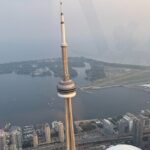
One of the first stops is the CN Tower. Even if you’ve seen it in photos, standing near it gives you scale. The guide typically shares insider stories about Toronto’s history and what the tower represents in the city’s modern identity. This is a good early stop because it gives your brain a landmark reference point before you head deeper into downtown.
Next up is Chinatown, which often surprises people. It’s not just a “look and leave” stop. You get the sense of how immigrant communities shaped the street life here, and you’ll likely notice details—signage, building styles, and the way the streets feel tuned to daily activity. If you like walking neighborhoods and then eating later, Chinatown is one of the best places to remember to come back.
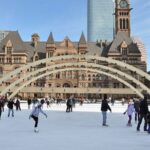
From there, you head to Toronto City Hall. City Hall is one of those buildings that looks dramatic in images, but the real value comes from the guide connecting it to civic life—why this kind of architecture shows up in certain cities, and how Toronto sees itself in the public space.
These stops work as a ladder: CN Tower gives you vertical wow, City Hall gives you civic context, and Chinatown gives you community texture. That mix is what makes the tour feel like more than a checklist.
Chinatown, Kensington Market, and St. Lawrence: where Toronto smells like Toronto
You’ll spend time in both Kensington Market and St. Lawrence Market, and they’re very different in feel.
Kensington Market is known for character and variety. On this tour, the stop is short, so you won’t do deep exploring in one visit. Still, it’s long enough to understand why people return. You can use the quick stop like a preview: notice the vibe, then plan a longer walk on your own later.
St. Lawrence Market is one of those places where the atmosphere alone teaches you something. The guide points out why it’s a go-to destination and how it functions in the city’s food culture. You’ll likely take a breather here, and the tour includes time to rest before moving on. This is also where buying a bite becomes your choice; food and drinks are not included beyond the provided snacks.
Here’s my practical take: these market stops are ideal if you like to travel with a plan, not a schedule. The tour gives you enough taste to decide what you want to revisit. If you’re hoping to eat a full meal at every stop, this tour may feel too fast. But if you want highlights plus direction, it’s a great setup.
From the Financial District to the Eaton Centre: downtown in motion
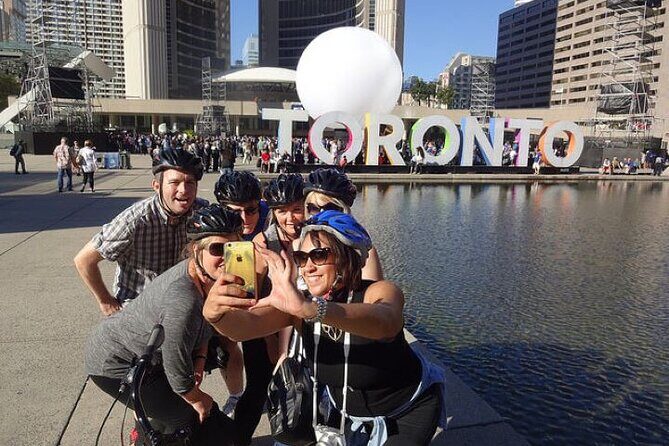
After you’ve built context with markets and landmarks, the tour threads through the Financial District. This segment gives you contrast—Toronto’s downtown face changes depending on time of day and street function. The guide’s stories here tend to connect the architecture and urban planning to what the area has become over time.
Then you hit CF Toronto Eaton Centre. It’s a major anchor downtown, so even if shopping isn’t your thing, it’s useful to understand where it sits and how crowds funnel through the area. The tour keeps the stop intentional and short, so you’re not stuck wandering a mall hallway for an hour. It’s more like a orientation stop: you’ll remember the location, and you can choose later if you want a longer browse.
This part of the route is also when city cycling skills matter most: holding position, tracking signals, and staying alert at intersections. The guide’s safety approach is a recurring theme—many riders mention feeling comfortable and kept together even when traffic and pedestrian flow got busier.






Art Gallery of Ontario, Entertainment District BIA, and Sugar Beach
Downtown Toronto has a “culture and leisure” side that people often miss if they only chase museums from the outside. Here, you get a stop at the Art Gallery of Ontario (AGO), which helps balance the commercial and civic stops earlier in the tour. Even if you don’t go inside (admission isn’t indicated as included), the exterior context and the surrounding area help you understand the art district’s placement in the city.
Next comes the Toronto Entertainment District BIA. This isn’t just a nightlife label—it’s about how the streets feel when they’re geared toward events, dining, and late-day energy. The guide helps you read the neighborhood like a map of where people gather.
Then you end at the waterfront area with Sugar Beach. This stop is a mood shift. It’s where Toronto starts feeling less like buildings and more like public space—walkable, open, and tied to the city’s relationship with the lake. It’s a strong way to close because it gives you a photo moment and a calmer feeling before heading back.
Timing note: after a few hours, you’ll appreciate that the stops aren’t endless. You get enough time to absorb the place and take photos, then move on.
Bikes, helmets, and what to bring for comfort
Good equipment matters on a bike tour. This one includes a bicycle and helmet, which is the baseline you want for a city ride. It also includes water and granola bars, so you’re not starting out hungry and dehydrated.
What I recommend you bring:
- Sunscreen and a water-resistant layer if weather looks uncertain
- Comfortable shoes you can walk in quickly during short stops
- A phone with enough battery for the inevitable picture-taking
- If you’re sensitive to wind off the lake, consider a light layer even in warmer months
Some riders have noted extra help for comfort when temperatures dropped, but you shouldn’t count on a specific gear item. Better to show up ready and use the provided water/snacks as your built-in pause.
And yes—bring your patience. Downtown crossings require attention from everyone, including you.
Pace, photo breaks, and how to get the most value
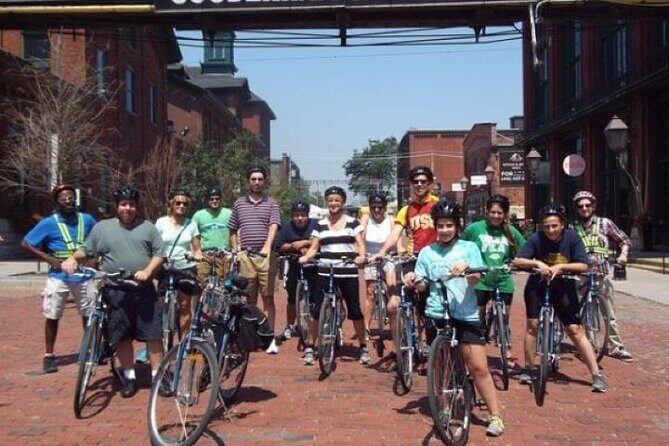
The tour is designed for flow, not long wandering. Many stops are short: you’ll typically get the story, a quick chance to look around, and time to take photos before moving on. That’s a plus if your goal is to cover many neighborhoods in a limited time window.
If you prefer slow travel where you linger for 30–60 minutes in each area, this tour can feel a bit “stop-story-photo-and-go.” It’s not the tour for that style. It’s the tour for learning the lay of the land quickly.
On the plus side, your guide may take photos as you ride past or stop for key sights. Some riders mention getting pictures afterward, though timing can vary. If you care about posting that day, take a few photos yourself too. It’s one of those small steps that saves you stress later.
Also, don’t underestimate how much easier this kind of cycling feels with a small group. When someone’s watching the route and keeping the line together, your brain stops doing math and starts enjoying the ride.
Price and value: what $93.35 buys you in Toronto time
At $93.35 per person for about 3.5 hours, this isn’t a bargain-basement activity, but it also isn’t out of line for a guided city experience that includes bike and helmet. The value equation is simple:
You’re paying for:
- A local guide shaping the route and pacing
- Included bike/helmet so you don’t handle rentals
- Included water and granola bars so you’re fueled
- Efficient coverage of many downtown areas in one day
If you were to rent a bike, figure out a safe route, then spend time researching stops and neighborhood context, you’d likely spend similar money plus a lot of mental effort. What you gain with a guided loop is direction. It can cut down on trial-and-error and helps you decide where to return later.
My take: this is a strong value if you’re short on time and you want a guided orientation to downtown Toronto. If you already know the city well and you just want a self-guided ride, you might not feel the same payoff.
Should you book this downtown Toronto bike tour?
I’d book it if you want an early-trip win: get downtown mapped fast, learn how neighborhoods fit together, and leave with a list of places you’ll want to revisit. The safety-focused guidance, small-group size, and mix of landmarks plus markets make it a practical “first taste” of Toronto.
You might skip it if you:
- Want lots of long explore time at each stop
- Are very uncomfortable with city cycling and tight pedestrian traffic
- Plan to eat full meals at multiple market stops during the ride (food isn’t included, and stops are brief)
If your goal is real orientation—skyline, culture spots, and everyday neighborhoods—this tour is a smart way to spend a morning or afternoon in Toronto.
FAQ
How long is the Downtown Toronto Bike Tour?
It runs about 3 hours 30 minutes.
Where does the tour start and end?
The tour starts near 124 St Patrick St, Toronto, ON M5T 2X8, Canada and ends back near the same meeting point.
Is the bike and helmet included?
Yes. Bike and helmet use are included.
What’s included in the tour besides the guide?
You get water and granola bars, along with the local guide and the use of a bicycle and helmet.
Is food included?
Food and drinks are not included, unless specified. The tour includes stops at markets where you can grab something on your own.
How big is the group?
The tour is limited to a maximum of 12 travelers.
What if the weather is poor?
The tour requires good weather. If canceled due to poor weather, you’ll be offered an alternative date or a full refund.
Is there a cancellation option?
Free cancellation is available. You can cancel up to 24 hours in advance for a full refund.