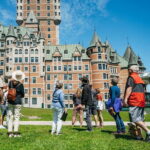
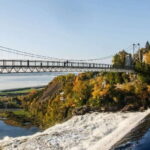
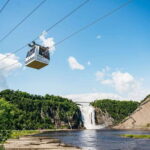
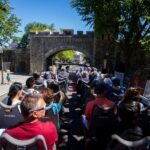
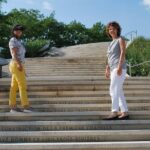
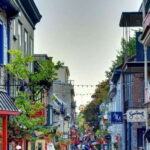
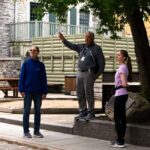
Two hours, and Quebec City looks like a postcard. This small-group photo tour takes you through Old Quebec’s most photogenic streets with a professional photographer coaching you on settings and angles, so you come away with images that look better than your usual grab-and-go shots. I love the hands-on feel, where you can experiment on the move, and I love that it works even if you shoot with a phone.
One key consideration: the route includes Breakneck Steps (L’Escalier Casse-Cou), so you should have moderate fitness and be comfortable with stairs. If stairs are a problem or your mobility is limited, this is probably not your best fit.
In This Review
- Key things I’d watch for
- A professional photo coach in Old Quebec: worth it?
- Meeting at Place d’Armes: quick instructions before you start shooting
- Stop 1: Old-Quebec streets where you practice framing and exposure
- Stop 2: Quartier Petit Champlain for detailed street photos
- Stop 3: L’Escalier Casse-Cou Breakneck Steps for strong perspective
- How the walk ends near the finish point and what that means for your photos
- Price and value: why $104.58 can make sense
- What to bring (and what to skip)
- Who this Quebec City photo tour fits best
- Should you book this photo tour?
- FAQ
- FAQ
- How long is the Quebec City Photo Tour?
- Where does the tour start?
- Where does the tour end?
- What is included in the price?
- Is a camera provided?
- What language is the tour offered in?
- How many people are in the group?
- Does the tour include hotel pickup or drop-off?
- Is the tour suitable for people who struggle with stairs?
- What if the weather is poor?
- Can I cancel for a full refund?
Key things I’d watch for
- Max 6 people means you’re not lost in the group
- Phone-friendly instruction if you don’t want to carry a camera
- Old Quebec + Petit Champlain give you varied streets and textures to practice with
- Breakneck Steps practice is great for dynamic angles, but physically demanding
- No hotel pickup so plan to reach Place d’Armes on your own
A professional photo coach in Old Quebec: worth it?
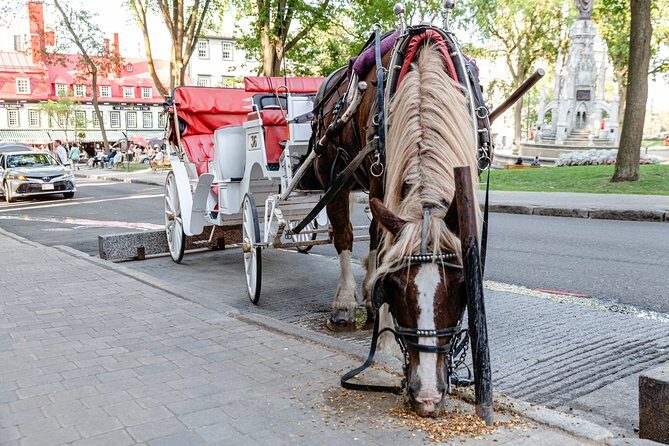
Quebec City is already photogenic. The difference on this tour is that you’re not just sightseeing—you’re getting real guidance while you walk. For me, the best part is how the photographer explains how to improve your shots on the spot, focusing on practical pieces like settings and angles. You’re not waiting until the end to get advice.
Another big value: this tour keeps the group small (up to 6). That matters. When you can actually hear instructions and get feedback on where to stand, your photos improve faster than if you’re stuck at the back and waving your phone around.
Finally, you’re not locked into one kind of camera. The tour notes that the camera isn’t included, but the experience is set up so you can still participate with what you have. In one standout example, people in the group used phones and still got useful tips—because the coaching is about how you shoot, not only what gear you own.
The only real downside is physical: the route includes the famous stairway, so this isn’t a sit-down photo session.
You can also read our reviews of more city tours in Quebec City

Meeting at Place d’Armes: quick instructions before you start shooting
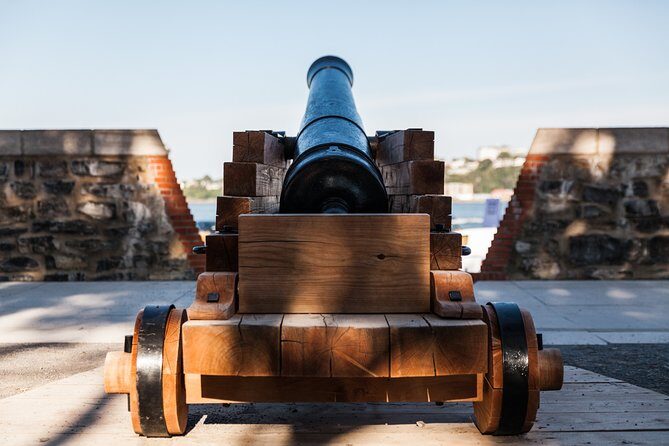
The tour starts at Place d’Armes in Quebec City (meeting point at Place d’Armes, Quebec City, QC). Sessions run daily across the window shown by the operator—morning, midday, and late afternoon options—so you can usually pick a time that matches your day.
When the walk begins, the photographer sets you up with photo basics before you head into Old Quebec. The goal isn’t to make you a technical wizard. It’s to help you get better results fast: how to frame a scene, how to aim your camera for the look you want, and how to think about common problems like blurry shots or flat-looking compositions.
If you’ve only ever used automatic mode, don’t worry. The coaching is designed for normal people who want their photos to look more intentional. And if you’re already comfortable with your camera, you’ll still get value because the emphasis is on angles—where you stand can change everything.
One more practical detail: this is a walking tour, and it does not include pickup or drop-off at hotels. So treat Place d’Armes as your anchor point, and plan to arrive there under your own steam.
Stop 1: Old-Quebec streets where you practice framing and exposure
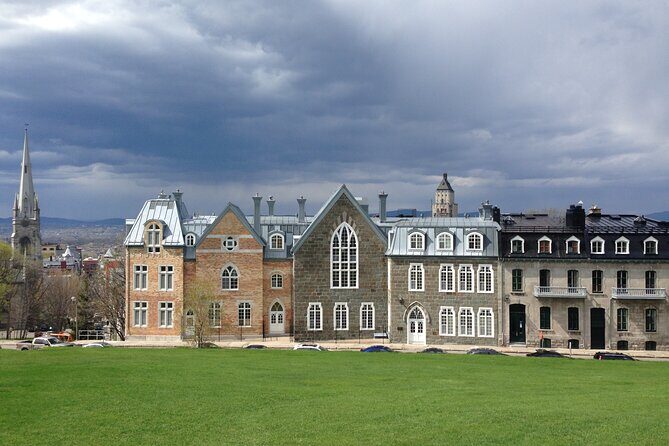
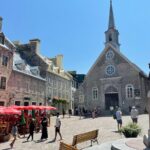
Old Quebec is the part everyone comes for. Stone buildings, classic streets, and that mix of historic charm with photo-friendly corners make it perfect for learning on the move.
At this first stop, your photographer’s job is to help you see what makes a shot work. That usually means pointing out how to line up the scene so it looks less like a postcard dump and more like a story. You’ll practice choosing angles that draw the eye through the frame—especially important in narrow streets where it’s easy to get distracting clutter.
It’s also a good place to experiment. The tour is short (about 2 hours total), so you’ll get time to try a couple different approaches rather than settling on the first decent view you find. If you like taking multiple versions of the same scene—wide shot, closer detail, different height—this stop supports that style.
Possible drawback here: Old Quebec can mean foot traffic. You might have to wait for a clear view of certain angles. That said, waiting is part of photography coaching—your photographer will help you use the time productively, rather than just letting it waste your tour time.
Stop 2: Quartier Petit Champlain for detailed street photos
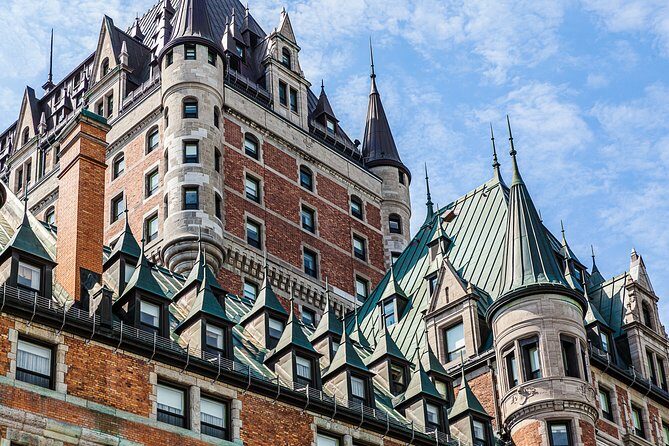
Next comes Quartier Petit Champlain, and this is where your photos start to look more varied. Petit Champlain gives you that charming street texture—layers of storefronts, walls, and passageways that reward close attention.
For a photo walk, variety is everything. Your first stop teaches you the big-picture view. Petit Champlain is where you can practice tighter compositions: details, patterns, and framing that makes the street feel deep instead of flat.
I like this part because it’s practical. If you’ve ever taken a photo of an old street and thought it looked good in person but disappointing in the image, this kind of coaching helps you fix the common causes: wrong perspective, cluttered composition, or picking an angle that hides the best features.
Also, this is a nice area to slow down and compare shots. The tour is designed so you can try different positions and then look at what works. That compare-and-adjust cycle is one of the fastest ways to improve, and it’s exactly what the pacing supports.
Stop 3: L’Escalier Casse-Cou Breakneck Steps for strong perspective
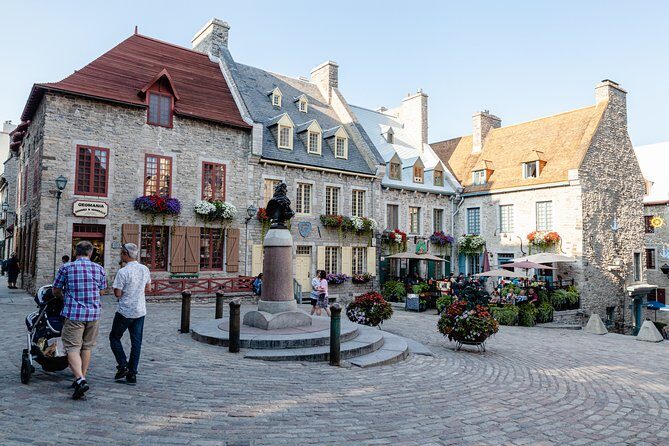
Then you hit the centerpiece challenge: Breakneck Steps (L’Escalier Casse-Cou). This is where you get dramatic angles and a sense of movement you can’t get from ground-level shots.
From a photo standpoint, stairs are gold. They create leading lines, height differences, and built-in depth. From a comfort standpoint, they demand respect. The tour info specifically warns that this experience isn’t recommended for people with problems on stairs or mobility issues. Even if you’re generally active, you’ll want to plan for the physical effort—because stopping to set up the shot can make the climb feel longer than you expect.
If you’re comfortable with stairs, this stop is a huge opportunity. You’ll likely experiment with how the slope of the steps changes your composition—shooting from below for height, or from higher ground for a wider view over the rooftops and streets.
If you’re not comfortable on stairs, be honest with yourself. This is one of the tour’s best learning moments, but it’s not the kind of place where you can simply skip the hard part and still get the full experience.
You can also read our reviews of more photography tours in Quebec City

How the walk ends near the finish point and what that means for your photos
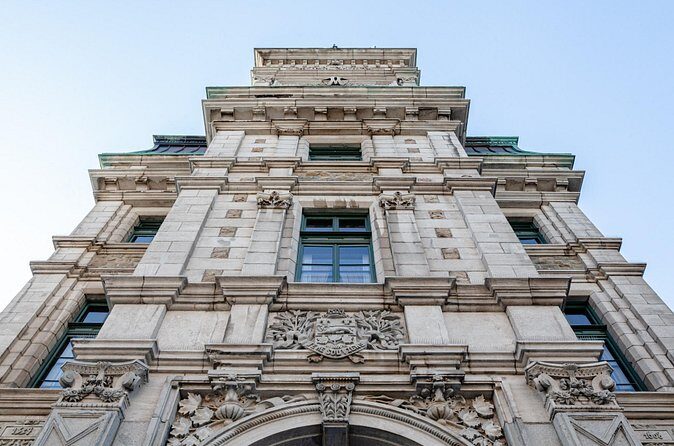
The tour ends back at the meeting point area (the activity finishes at/near the start point). At least one highlight from participant feedback mentions the route reaching the area of Place des Canotiers as part of the experience. So think of it as a loop through Old Quebec’s best photo zones rather than a one-way march into the unknown.
That loop format is useful for two reasons:
- You don’t lose your bearings. You’re always moving within familiar Central Old Quebec geography.
- You get a natural reset. When you return toward the end, you can clean up any last shots you’re unhappy with earlier.
Because the time is limited, finishing back close to where you started helps you avoid the “we ran out of time” feeling. If you’re the type who likes to check your results as you go, this structure is friendly.
Price and value: why $104.58 can make sense
At $104.58 per person for about 2 hours, the main question is: what are you really paying for?
You’re paying for:
- A professional photographer
- Instruction that helps you improve your shots during the walk
- A small group size that keeps the coaching focused
That’s different from a general walking tour where you learn a few facts and take a few pictures when you happen to stop. Here, the photographer’s role is to change your technique while you’re in the exact places where those techniques matter.
The best value angle is that you’re not limited to people who already know photography. The tour is explicitly about improving skills—settings, angles, and how to get better results. And since phone users can still participate, you’re not forced into buying equipment to make the tour worthwhile.
Is it pricey? Sure. But if you’re the type who wants your travel photos to look like you planned them, paying for coaching can save you time, frustration, and regret later.
What to bring (and what to skip)
You don’t need to bring a professional camera. The experience notes that the camera isn’t included, but the instruction is meant to help you work with what you have. If you’re using a phone, you still benefit from guidance on framing and angles—those don’t depend on expensive gear.
Here’s what I’d bring for a smoother experience:
- Your camera or phone with enough battery
- A charged power bank if you shoot a lot
- Comfortable shoes for a short walk with stairs
- Weather-ready clothing, since the tour needs decent conditions
One more practical note: the tour doesn’t include hotel pickup or drop-off, so you’ll want to know how you’ll reach Place d’Armes ahead of time.
Who this Quebec City photo tour fits best
This tour fits you best if:
- You want your photos to look better without learning everything from scratch
- You enjoy experimenting on the spot—moving a little, changing your angle, comparing results
- You’re comfortable walking and can handle stairs at least at a moderate level
It’s less ideal if:
- You have mobility limits or struggle with stairs, since L’Escalier Casse-Cou is part of the route
The group size (max 6) also makes it feel less intimidating. You’re not fighting for attention. The photographer can actually help you fix what’s not working.
Should you book this photo tour?
Yes, if your main goal is better photos with real coaching. I’d book it if you care about images more than facts-for-facts’ sake, and if you’re happy to walk for about two hours while practicing.
I’d skip it if stairs are a deal-breaker for you. Breakneck Steps is a major feature of the route, and the tour itself is clear that it’s not recommended for people with stair or mobility problems.
If you do book, show up ready to learn. The best results come when you’re willing to try a new angle instead of just taking the same safe photo you’d normally take. On this tour, that mindset is what turns Quebec City into a set of keepers.
FAQ
FAQ
How long is the Quebec City Photo Tour?
It lasts about 2 hours.
Where does the tour start?
The tour starts at Place d’Armes, Quebec City, QC.
Where does the tour end?
The activity ends back at the meeting point.
What is included in the price?
A professional photographer is included.
Is a camera provided?
No. A camera is not included.
What language is the tour offered in?
The tour is offered in English.
How many people are in the group?
The tour has a maximum of 6 travelers.
Does the tour include hotel pickup or drop-off?
No pickup and drop-off at hotels is included.
Is the tour suitable for people who struggle with stairs?
It is not recommended for people with problems on stairs, and it is also not recommended for people with mobility problems.
What if the weather is poor?
The tour requires good weather. If it’s canceled due to poor weather, you’ll be offered a different date or a full refund.
Can I cancel for a full refund?
Yes. You can cancel up to 24 hours in advance for a full refund. If you cancel less than 24 hours before the start time, the amount paid won’t be refunded.