REVIEW · QUEBEC CITY
Quebec City: Historic District Walking Tour (2h)
Book on GetYourGuide →Operated by Tommy Byrne · Bookable on GetYourGuide
Old Quebec makes a perfect classroom. In this 2-hour Historic District walk, I love the writer & historian style and the free Cathedral of the Holy Trinity access that turns scenery into context. The one drawback to note: it’s an express loop, so you’ll want comfortable shoes and patience if you’re hoping to linger forever at every photo spot.
What really makes this tour work is the way the guide stitches together centuries in plain language: first nations presence, the arrival of French settlers, the Royal colony of New France, Quebec City as a key capital in British North America, the Dominion of Canada era, and then the contemporary city you see today. You also get personal recommendations to avoid tourist traps, including a very specific warning about a bad rosé situation. Even better, the itinerary can shift to match your group’s needs, and it runs as a private group (up to 12) with French, English, and Spanish.
In This Review
- Key moments that make this tour worth your time
- Walking Old Quebec like a story, not a checklist
- Where you start at Rue Sainte-Anne (and how that sets the tone)
- Old Quebec’s first guided stretch: setting the timeline in 15 minutes
- Terrasse Dufferin: where the guide slows the city down
- Parc des Gouverneurs: a quick stop that helps you read the city’s power
- Ursulines Chapel: the short guided pause that adds depth
- Cathedral of the Holy Trinity: the included access moment that feels special
- Place Royale: a recognizable stop with real context
- Quartier Petit Champlain: the neighborhood part of the story
- Finishing at Théâtre Petit Champlain with next steps
- Price and value: $190 per group can be a steal or a splurge
- The most praised part: Tommy Byrne’s clear, patient guiding style
- Practical planning tips so the tour lands well
- Is this tour for you? Who will enjoy it most
- Should you book this Historic District Walking Tour?
- FAQ
- How long is the Quebec City Historic District walking tour?
- How much does the tour cost?
- What’s included in the tour?
- Where does the tour start?
- What languages are available?
- Is there a cancellation option?
Key moments that make this tour worth your time
- Tommy Byrne’s writing-and-history approach keeps facts clear and easy to follow.
- Cathedral of the Holy Trinity access is included, so you’re not just looking from the outside.
- Anti-tourist-trap advice comes with names and reality checks, including food warnings.
- Terrasse Dufferin, Parc des Gouverneurs, and the chapel stops keep the story moving.
- Old Quebec to Petit Champlain in a tight timeline helps you make sense of the whole district fast.
- Private group pacing with flexibility means the guide can adapt when questions pop up.
Walking Old Quebec like a story, not a checklist
Old Quebec is the kind of place where it’s easy to wander for hours and still feel like you only saw postcards. This tour helps because it’s built around a chronological thread—about 500 years—so the streets, buildings, and landmarks don’t feel random.
You’ll start in the Historic District with a guide who’s comfortable explaining big shifts in power and culture without getting heavy or academic. The result is practical understanding: you know what you’re looking at, and you know why it matters in the wider arc of Quebec City’s development.
You can also read our reviews of more walking tours in Quebec City


Where you start at Rue Sainte-Anne (and how that sets the tone)
The tour begins at 12 Rue Sainte-Anne, right in front of the Tourism Information Center. That matters more than it sounds. Starting at a clear, central spot means you can arrive with calm focus instead of spending your first 10 minutes sorting out where to meet.
From there, the walk is structured but not rigid. You’ll get guided time at multiple stops (the tour is set for about two hours total), and the guide can adjust the route based on what your group wants to prioritize. If you’re the kind of person who asks questions as you go, this format is friendly to that.
Old Quebec’s first guided stretch: setting the timeline in 15 minutes
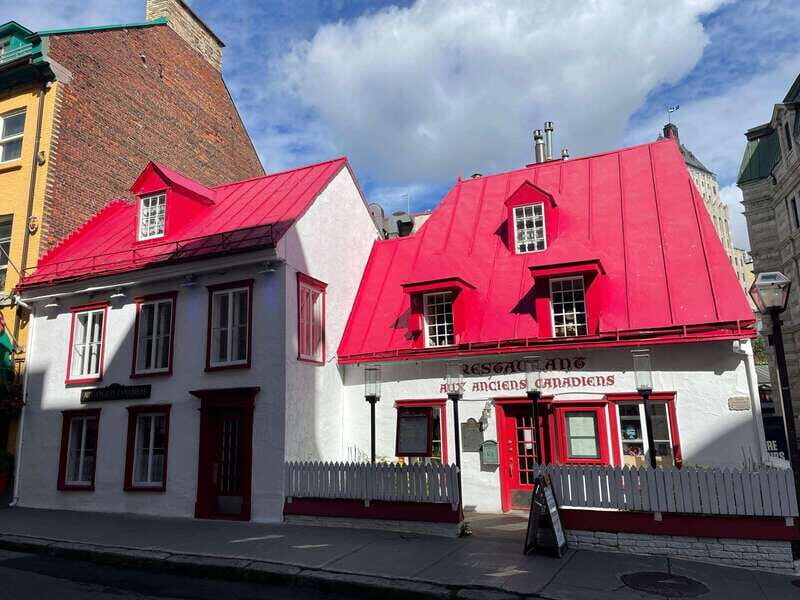
The tour’s first stop is in Old Quebec, with a 15-minute guided introduction. This is a smart move: the guide doesn’t wait until the middle of the tour to orient you.
Expect the story to begin with the earliest chapter mentioned—first nations—then move into the arrival of French settlers and the creation of the Royal colony of New France. This early framing helps everything that follows land better. When you later reach the areas tied to British North America and Canada’s evolution, you’ll have something to hang those eras on besides a vague feeling that it’s all old and impressive.
Practical note: at the start, your brain is still processing what’s where. If you want to take photos, do it quickly, then keep your attention on the guide’s timeline thread. It’ll pay off later.
Terrasse Dufferin: where the guide slows the city down
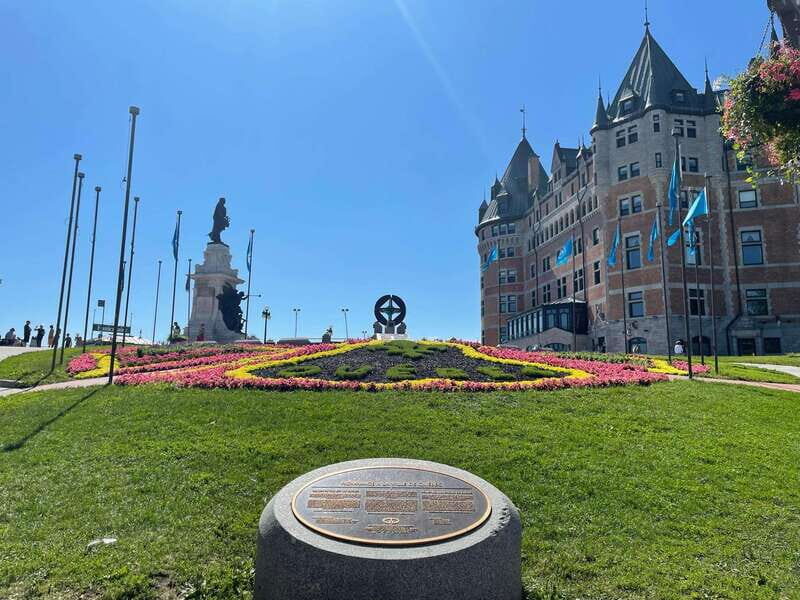
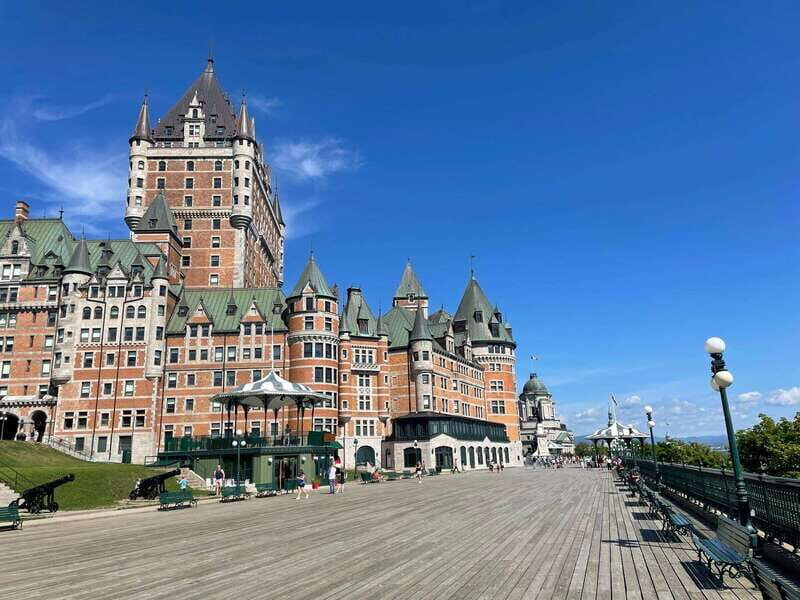
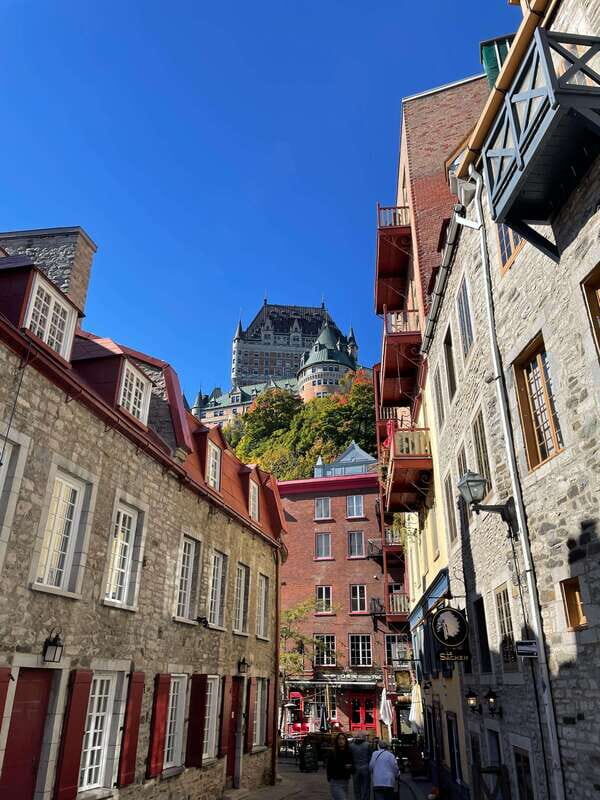
Next you head to Terrasse Dufferin for about 20 minutes of guided time. This is one of those stops where the tour feels like it’s giving you space to look closely and connect what you’re seeing to the narrative.
During this part of the walk, the guide’s job is basically to translate “big historical shifts” into street-level understanding. The story keeps moving—from French settlement into the period when Quebec City became a capital in British North America, and then forward toward the Dominion of Canada era. If you’ve ever felt overwhelmed trying to learn Old Quebec from brochures, this stop is meant to prevent that.
The only catch is that Terrasse Dufferin can be a busy area depending on the time of day. If your group hates crowds, consider going earlier in the day when the streets are less packed. (The tour itself is short, so timing matters.)
Parc des Gouverneurs: a quick stop that helps you read the city’s power
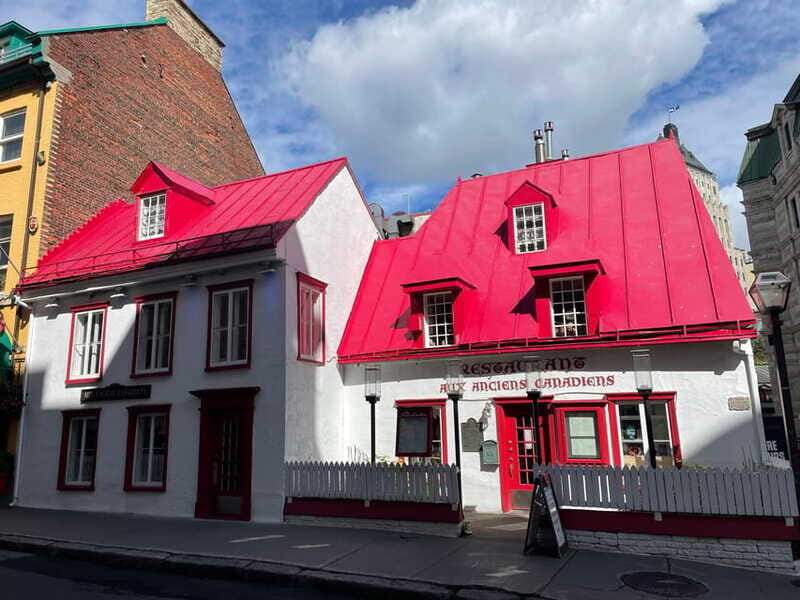
After that, you’ll walk to Parc des Gouverneurs for around 15 minutes. The name alone hints at governance and authority, and the guide uses the moment to keep the chronology tight.
Think of this stop as a hinge. Up to this point, you’ve been building the foundation. Here, the tour helps you notice how power shows up in the city—through what people built, what roles mattered, and how Quebec City’s identity changed with each era described in the tour.
Even if you’re not a history buff, you’ll likely appreciate this because it turns “look at the scenery” into “I understand why that mattered to the people living here.”
You can also read our reviews of more city tours in Quebec City





Ursulines Chapel: the short guided pause that adds depth
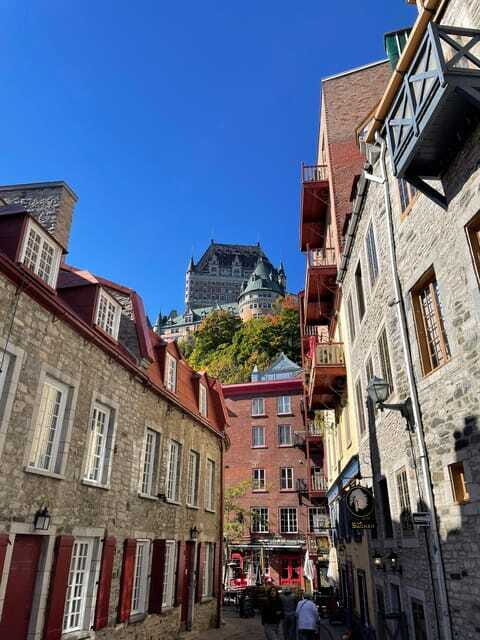
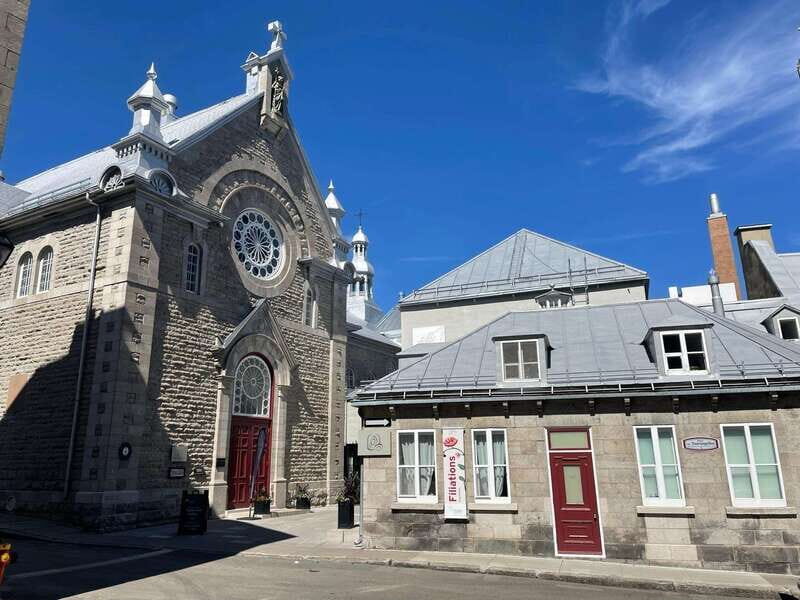
Then it’s Ursulines Chapel for about 10 minutes. This is a compact stop, so don’t expect a long sit-down experience. Instead, it’s a focused moment to add context to the cultural and social layers of Old Quebec.
What I like about this style of short stop is that it prevents museum-burnout. In a two-hour tour, you get a quick cultural touchpoint without losing the momentum of the bigger storyline.
A practical consideration: 10 minutes goes fast. If you want to read signs or take a clear photo, do it efficiently. Use the guided explanation as the main event, then add your own details afterward if you’re still curious.
Cathedral of the Holy Trinity: the included access moment that feels special
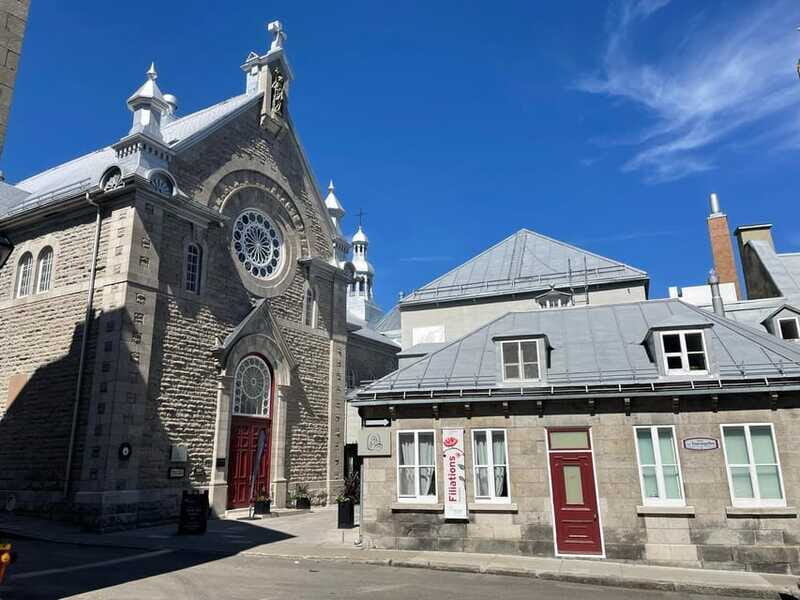
One of the best perks here is free access to the Cathedral of the Holy Trinity, plus about 15 minutes of guided time inside. This is described as exclusive access, and the tour clearly treats it as a highlight.
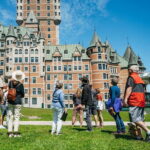
Why it matters for your experience: so many Old Quebec walks stay outside, so you only get part of the story. Here, the guide can connect what’s happening in the city’s timeline to an actual site tied to faith and community life. That makes the history feel less like a lecture and more like something you can stand in.
If your group enjoys architecture or you just like “okay, show me what you’re talking about,” this stop delivers. The tour doesn’t ask you to be an expert—it asks you to pay attention, and the space helps you do that.
Place Royale: a recognizable stop with real context
Next comes Place Royale with about 15 minutes guided. This is one of those places you’ll probably recognize from photos, which can be either a trap or a blessing.
On a tour like this, it’s a blessing because the guide uses it to keep the story moving through the eras mentioned earlier: French roots, shifting British influence, and the later Canadian era. In other words, you don’t just see a landmark—you understand what role the area played in the city’s development as explained during the walk.
For me, the value of Place Royale here is the framing. You’ll leave with a mental map of why the district evolved, not just that it looks historic.
Quartier Petit Champlain: the neighborhood part of the story
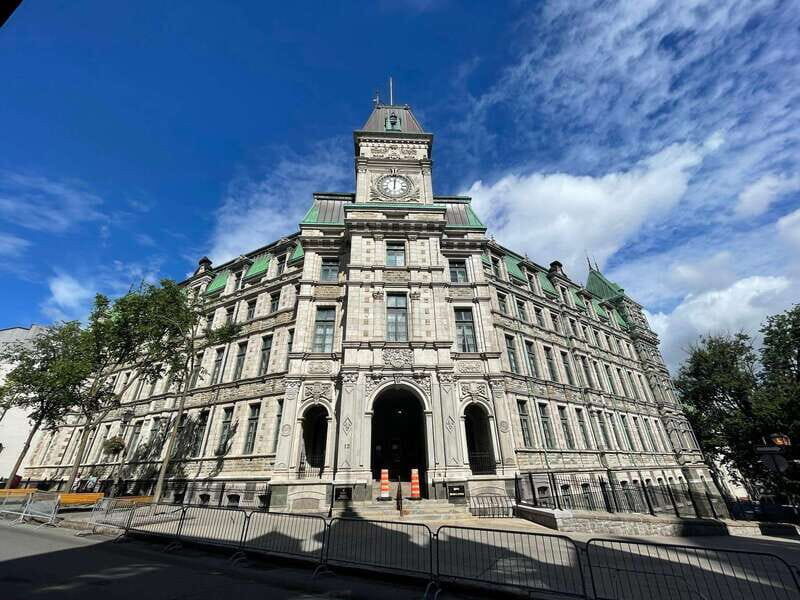
Now you reach Quartier Petit Champlain for around 15 minutes of guided time. Petit Champlain is where Old Quebec starts to feel more like a lived-in neighborhood than a set of monuments.
This segment also ties into the tour’s habit of linking history with daily life. A couple of details from the guide’s approach stand out from feedback you can count on: the guide’s interest in explaining how the city developed and how the river and surroundings shaped life. In one review, the guide’s explanations included the Saint-Laurent river and how different places fit into the bigger picture, not just where to walk.
If your goal is to understand Old Quebec quickly—then keep exploring on your own—this is a strong transition. You see the famous area, but you also understand how it connects to earlier centuries.
Finishing at Théâtre Petit Champlain with next steps
The tour wraps up at Théâtre Petit Champlain. Ending here makes sense because it places you right in an area where it’s easy to keep going: grab a bite, wander side streets, and compare what you saw on the tour with what you notice after.
What’s especially useful is that you don’t just get sightseeing. You get personal food recommendations and clear warnings about where not to spend your meal money. One review highlighted how the guide was patient while walking and how answers came naturally when questions popped up. That kind of interaction is rare on rushed tours, and it can change how you experience the rest of your day.
If you’re the type who likes to plan your evening while you still have the guide’s guidance fresh, this finish point is a good springboard.
Price and value: $190 per group can be a steal or a splurge
The price is $190 per group up to 12 for a 2-hour private walking tour. That structure changes everything. For a group that fills closer to 10–12 people, your per-person cost drops a lot, and you’re effectively paying for a personalized guide rather than a group bus tour.
If you’re only two people, it becomes a splurge by comparison, because you’re paying for the whole group rate. Still, it can be worth it if:
- you want private group pacing (not being stuck with mismatched shoe speeds),
- you care about the storytelling timeline,
- and you want included Cathedral access plus specific local advice.
In short: think of this as paying for a smart guide and flexibility, not just a route. If you can share the cost, it gets easier to justify.
The most praised part: Tommy Byrne’s clear, patient guiding style
The reviews place a lot of weight on the guide’s delivery—especially clarity, cultural sensitivity, and patience on foot. One review in Spanish described the guide’s cultural sensitivity and how he explained the importance of the city with a close, clear approach, plus patience while walking. Another English review praised how much was learned and how the guide answered questions related to the monuments and the history connected to the places visited.
One detail I think you’ll appreciate: the guide doesn’t just list spots. He connects them—Old Quebec, the river Saint-Laurent, Petit Champlain, Place Royale, and even context around Château Saint-Louis. That’s the difference between a tour that entertains and one that helps you actually understand the place before you leave.
Practical planning tips so the tour lands well
Here’s how to make this short tour work for you:
- Wear comfortable walking shoes. The tour is only two hours, but it’s still a real walk across multiple stops.
- Bring curiosity. This format rewards questions, and the guide’s style is built around explanation and discussion.
- Think about what you want most: history timeline, architecture/site access, or food and area guidance. The itinerary can shift to your group’s needs, so communicate preferences at the start.
- Keep your day flexible. Even though the core route is set, the pace is guided and may adjust based on the group.
One more tip that’s very “real travel”: with places this popular, you’ll see plenty of tempting signs for food. Follow the guide’s anti-tourist-trap advice—especially the warning about the awful rosé setup (mixing red and white leftovers). If you’ve ever been burned by a menu trick, you’ll understand why this matters.
Is this tour for you? Who will enjoy it most
This is a great fit if you:
- want a fast, structured orientation to Old Quebec,
- like history explained in everyday language,
- care about seeing at least one meaningful interior stop via included access,
- and prefer a guide who shares practical advice you can use right away.
It might be less ideal if you want a slow, deep, linger-at-every-corner style tour. This experience is designed to cover key areas in a tight time window. If you hate time pressure, choose your tour slot carefully so you don’t feel rushed after.
Should you book this Historic District Walking Tour?
I’d book it if your priority is understanding, not just photographing. The combo of a writer-historian approach, an included stop inside the Cathedral of the Holy Trinity, and real-world food warnings makes the two hours feel purposeful.
I’d also book it if you’re traveling in a small group and want a private format. For up to 12 people, the value math gets much easier, and you’re not stuck with an uneven group pace.
If, however, you prefer total freedom and don’t want guidance, you might be happier with a self-guided route. But if you want to leave with a clear timeline in your head—and a better plan for where to eat—you’ll likely feel like you got your money’s worth.
FAQ
How long is the Quebec City Historic District walking tour?
It runs for 2 hours.
How much does the tour cost?
The price is $190 per group, up to 12 people.
What’s included in the tour?
You get free access to the Cathedral of the Holy Trinity, a top-tier guide, and the ability for the itinerary to be adjusted based on your group’s needs.
Where does the tour start?
It starts at 12 Rue Sainte-Anne, right in front of the Tourism Information Center.
What languages are available?
The live guide is available in French, English, and Spanish.
Is there a cancellation option?
Free cancellation is available up to 24 hours in advance for a full refund.