REVIEW · CALGARY
Calgary: Gasoline Alley Museum Admission
Book on GetYourGuide →Operated by Heritage Park Historical Village · Bookable on GetYourGuide
Gasoline Alley makes the past feel mechanical. I love how the museum pairs restored cars and working vehicles with the petroleum-era objects that supported them, like antique gasoline pumps and company signage. One thing to keep in mind: this is a focused museum visit, so if you’re hoping for a big outdoor village day, you’ll want to plan that separately.
You’ll walk through displays that cover the 1900s to the 1950s and connect automobiles to the big social shift from horse and carriage to the motor car. I’m also a big fan of the way the museum includes some of the oldest automobile artifacts from before WWII, which turns the experience from “cool cars” into something more exacting and historical. If you visit when Heritage Park’s other areas are closed, you’ll still have Gasoline Alley, but you may feel like you compressed your day.
In This Review
- Key Highlights You’ll Notice Fast
- Where Gasoline Alley Museum Fits in Your Calgary Day
- The Main Hall: Restored Cars and Working Vehicles From 1900–1950s
- Gasoline Pumps and Petroleum Signage: The Fuel Story That Changes Everything
- The Automobile’s Social Impact: From Horse and Carriage to Motor Life
- World-Class Old Cars: Pre-WWII Artifacts That Beat the Usual “Vintage” Label
- Lower Showroom: The “Second Layer” You’ll Want to Add
- Planning for Timing: How to Spend Your 1 Day Smartly
- Who Should Book Gasoline Alley Museum Admission?
- Costs and Value: Is $10 Worth It?
- Practical Rules and Real-World Tips
- Should You Book This Admission?
- FAQ
- FAQ
- Where is Gasoline Alley Museum in Calgary?
- What does the $10 admission include?
- How long should you plan for Gasoline Alley Museum?
- Is there food or drinks included with admission?
- Are pets allowed inside the museum?
- Is wheelchair access available?
- Does Gasoline Alley Museum operate year-round?
- Is Gasoline Alley included with Heritage Park admission in summer?
- Are there restrictions on alcohol and drugs?
- How do you get to the meeting point using public transit?
Key Highlights You’ll Notice Fast
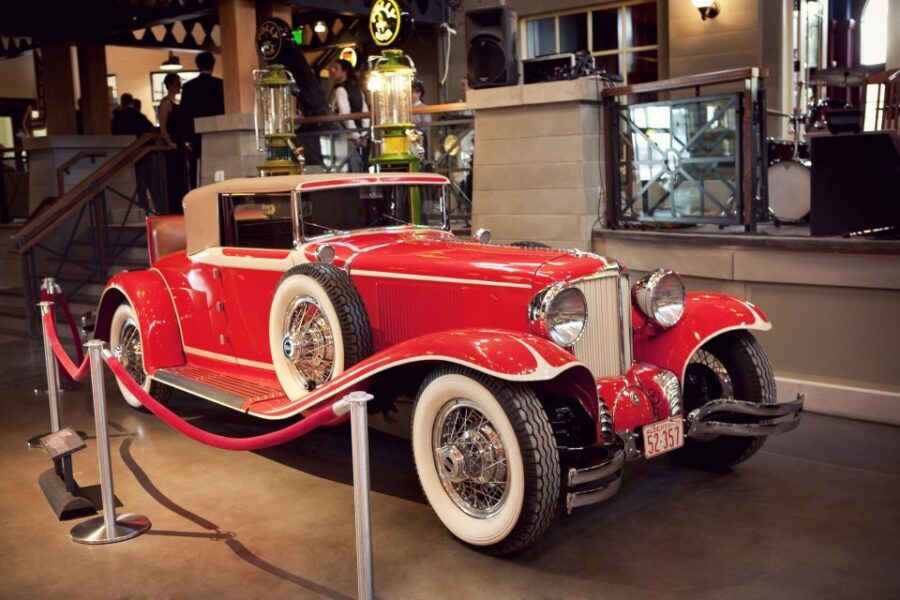
- Restored classics, trucks, and working vehicles from the early days through the 1950s
- Antique gasoline pumps and petroleum company signage that explain the fuel side of the story
- North American auto history with a clear link to changing life after cars became common
- Pre-WWII automobile artifacts that help you see how far the technology has come
- A lower showroom with even more artifacts to keep the visit from feeling one-note
- On-site interpreters to answer questions while you walk
Where Gasoline Alley Museum Fits in Your Calgary Day
Gasoline Alley Museum is part of Heritage Park Historical Village in Calgary, Alberta (meeting point: 1900 Heritage Dr SW, Calgary, AB T2V 1R1). At about $10 per person and designed for a 1-day visit, it’s an easy add-on if you like cars, design, or how everyday technology changes cities.
One practical note that affects planning: Gasoline Alley Museum is open year-round, while many other Heritage Park attractions are closed from mid-October to mid-May. In the summer months, Gasoline Alley is included with the general admission to Heritage Park Historical Village. So your best strategy is simple: check what’s open in the season, then decide whether to pair it with other Heritage Park areas or keep it a focused museum stop.
If you’re getting there by public transit, use the Heritage LRT Station and look for the shuttle bus to the Heritage Park area. That matters because the museum is not the kind of place you want to hunt around for after you’re tired.
You can also read our reviews of more museum experiences in Calgary



The Main Hall: Restored Cars and Working Vehicles From 1900–1950s
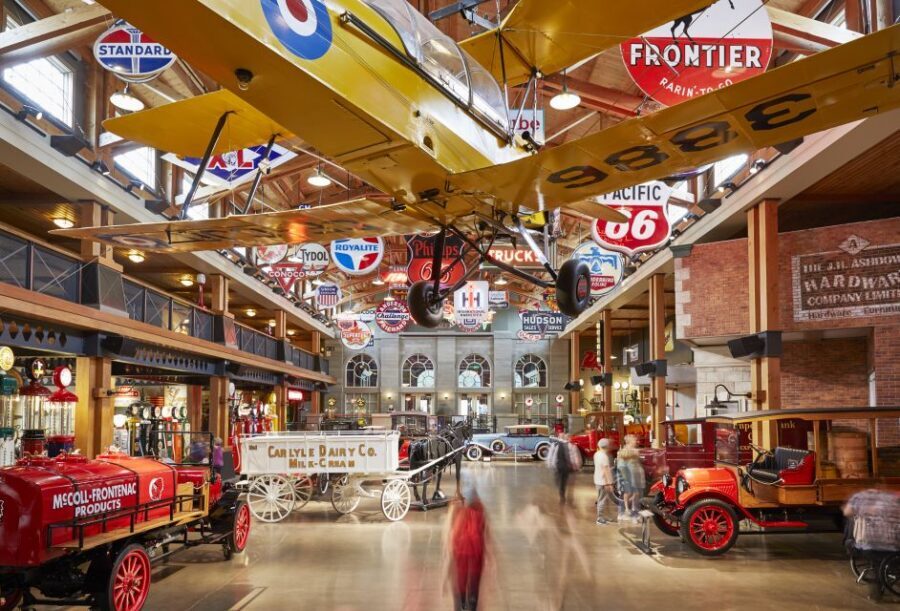
The first thing I’d steer you toward is the main display floor filled with classic cars, trucks, and working vehicles from the 1900s to the 1950s. This range is important. You’re not just seeing “old cars,” you’re seeing a period when vehicles evolved quickly and the entire system around them—roads, service, fueling—was growing too.
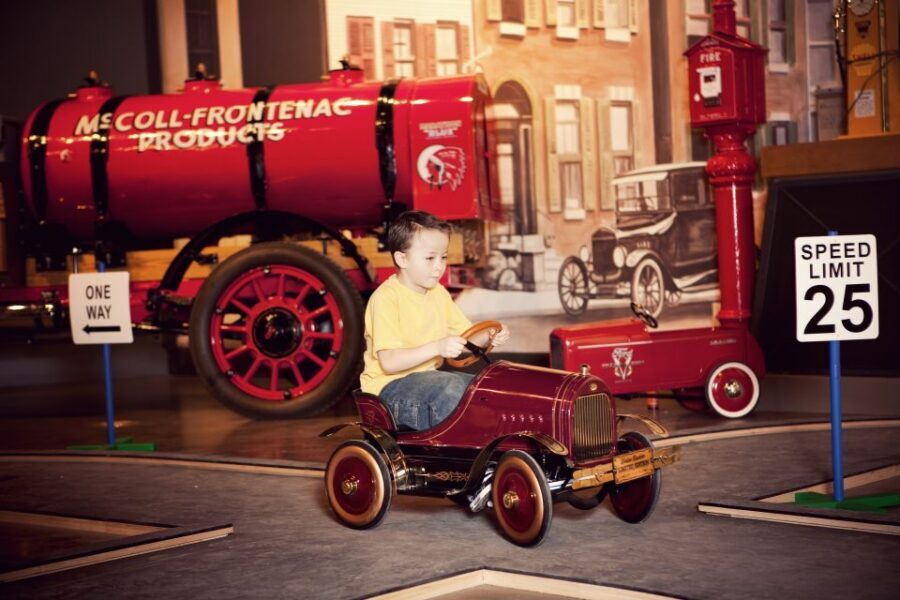
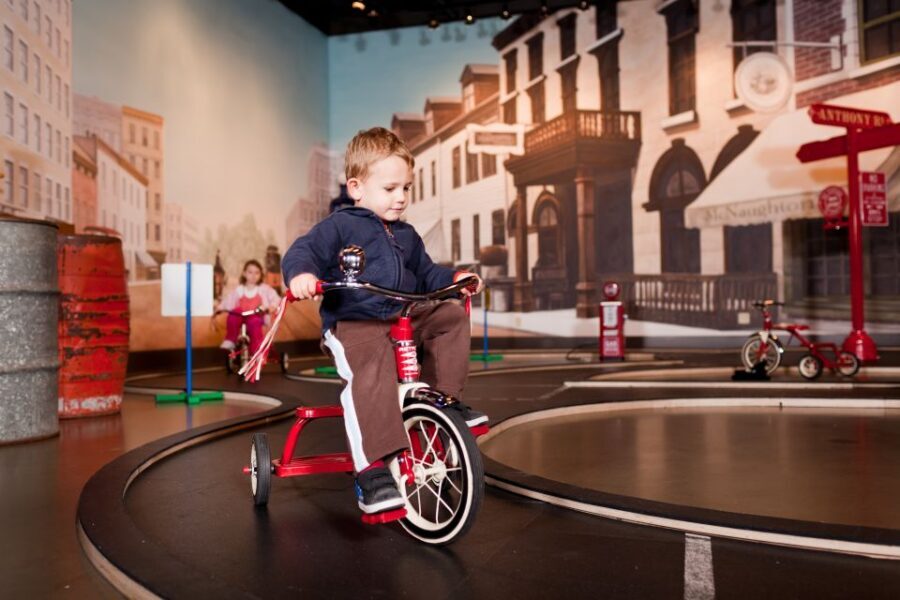
You’ll spend time admiring the restoration work and the way vehicles are staged in a way that helps you visualize what mattered at the time: utility, durability, and the overall look of early automotive design. It’s also family-friendly in a way that doesn’t feel like a toy museum. Kids can enjoy the scale and shapes; adults can appreciate the period details.
A possible drawback: if you’re the type who wants lots of deep written material before you even look at objects, you may wish you had more time. The museum is packed with things to see, and the best experience comes from moving with purpose and letting the interpreters guide your attention.
Gasoline Pumps and Petroleum Signage: The Fuel Story That Changes Everything
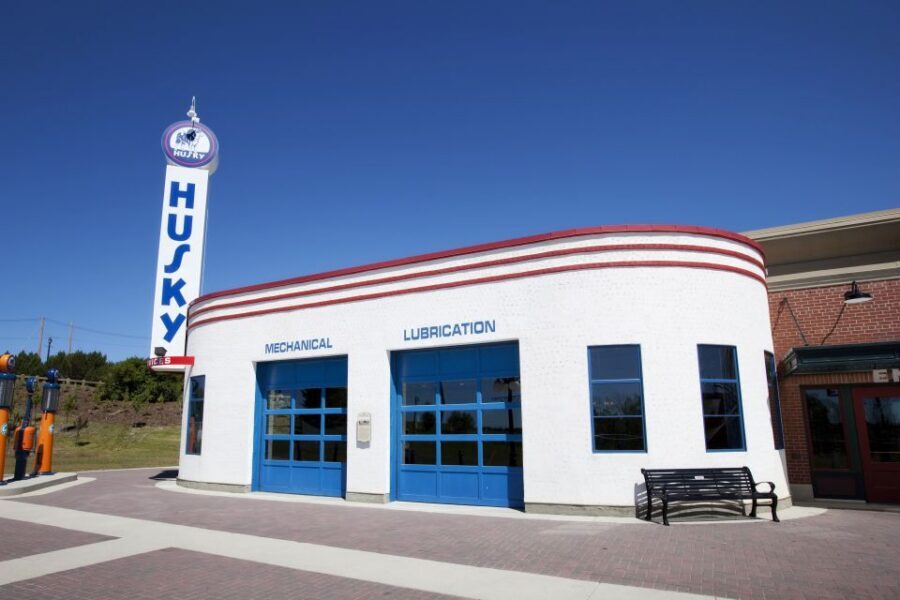
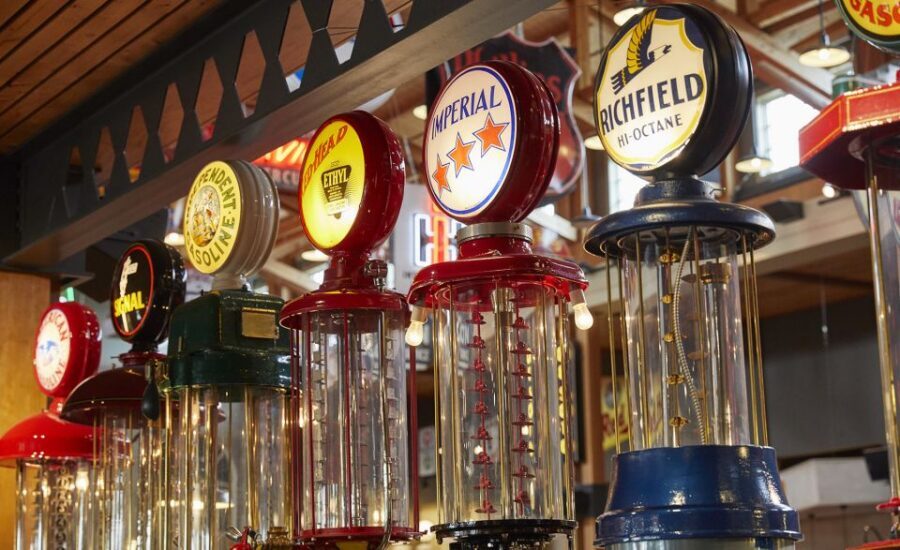
Gasoline Alley Museum isn’t just vehicle-focused. A huge part of the appeal is the museum’s collection of antique gasoline pumps and the signage from many historical petroleum companies. This is one of those details that makes the museum feel different from a standard car collection.
Why it’s valuable: gasoline pumps and brand signage tell you how fueling became public, standardized, and visible. You’re seeing how fuel culture formed as much as you’re seeing machines themselves. It’s the kind of object-based learning that sticks, because pumps are familiar even today—you just get to watch their design evolution in one place.
You’ll also notice that the museum’s thousands of memorabilia items help you connect small pieces into a bigger story. The result is a display that feels practical, not just decorative. Even if you’re not a “car person,” you can still appreciate the workmanship and design language behind the pumps and ads.
If you’re short on time, prioritize the pump and signage displays early. They’re among the most memorable items in the collection, and they set the tone for the rest of the visit.
The Automobile’s Social Impact: From Horse and Carriage to Motor Life
One of the most useful things about Gasoline Alley is that it doesn’t treat cars like isolated inventions. The museum explains the history of the automobile and the far-reaching social changes tied to the shift from horse and carriage to the motor car.
This matters for your understanding. Automobiles weren’t just new transportation. They changed how people moved, how work was organized, and how cities grew. The museum’s approach gives you a framework for what you’re looking at: vehicles and fuel systems aren’t only technology—they’re tools that rewired daily life.
As you walk, keep an eye out for the way displays suggest cause-and-effect: early vehicle needs connect to the rise of fueling infrastructure, and both connect to bigger shifts in everyday mobility. It’s a smart way to make a museum visit feel like more than a photo stop.
World-Class Old Cars: Pre-WWII Artifacts That Beat the Usual “Vintage” Label
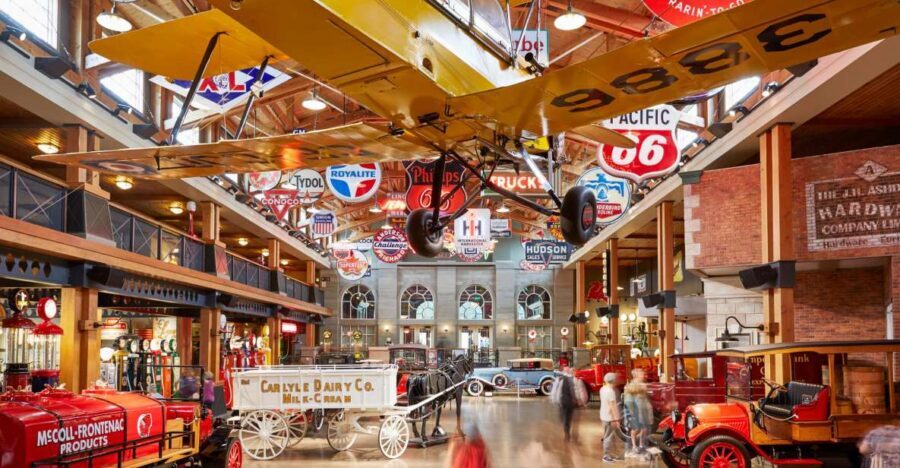
Gasoline Alley includes some of the world’s oldest automobile artifacts from before WWII. That’s a big deal if you care about mechanical history, because it puts you close to the earliest era of automotive development rather than only the well-known mid-century look.
What you’ll likely feel in the pre-WWII segment is a sense of how early the engineering ideas were—how much the industry experimented before the mainstream design we recognize today. Even without a technical background, the differences in form and function come across.
Possible consideration: if you’re expecting a lot of interactive elements (hands-on stuff), Gasoline Alley is more object-and-exhibit driven. The pay-off is that the artifacts are presented clearly enough for you to build context as you go, especially with on-site interpreters around to answer questions.






Lower Showroom: The “Second Layer” You’ll Want to Add
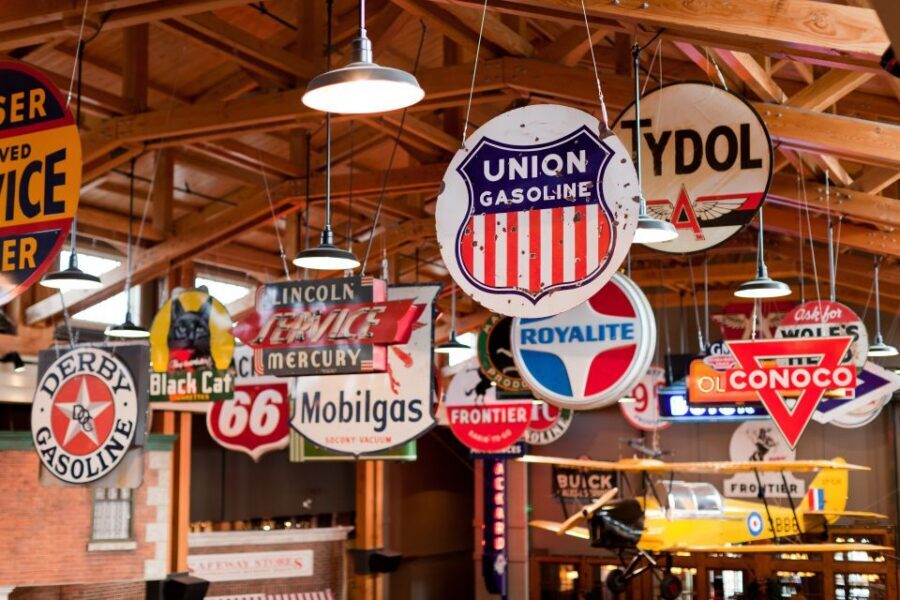
Be sure to also visit the lower showroom, which offers even more incredible artifacts. I like that the museum doesn’t compress everything into one floor. A lower level gives you a chance to reset your eyes, slow down, and spot details you might miss when you’re only going in one direction.
This is also where the visit can turn from “nice collection” to “this place is doing something.” When a museum adds a lower layer of artifacts, it signals that the collection has depth. In Gasoline Alley, that depth is built around the automobile and the fuel ecosystem around it.
Practical tip: don’t rush your way past the lower showroom just because you’ve already seen a lot of cars. The museum’s biggest strengths—pumps, signage, and early auto artifacts—are exactly the kind of things that reward a second look.
Planning for Timing: How to Spend Your 1 Day Smartly
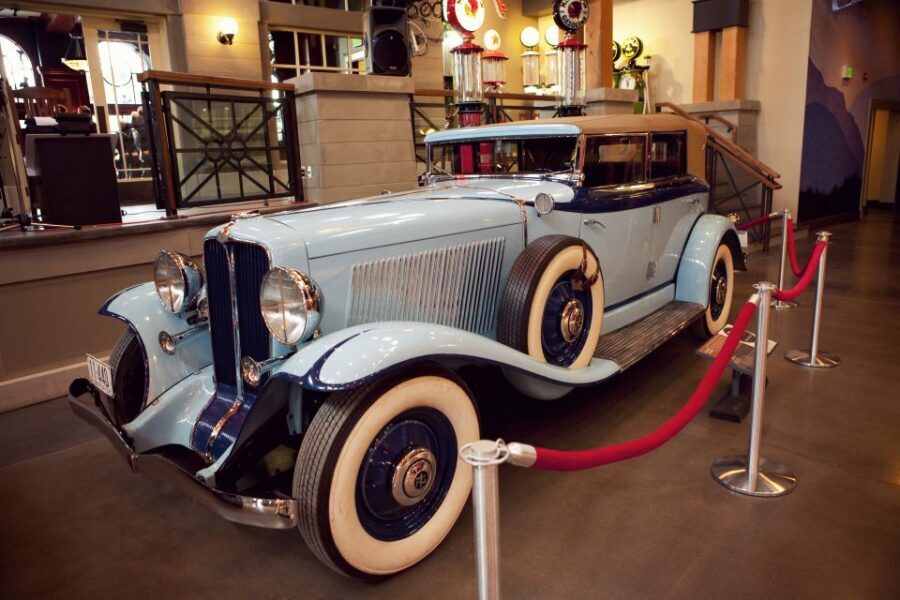
Because this is a 1-day experience, I’d plan your time around the museum’s structure: start with vehicles, then spend time on pumps and signage, and finish with the lower showroom and any interpretive areas that connect the story.
If you’re traveling as a couple or solo, give yourself enough time to circle back once. If you’re with kids, aim for a path that keeps attention: cars first (quick excitement), then fuel objects and signage (visual variety), and then the lower showroom (fresh discovery again).
Where people go wrong is treating it like a quick walkthrough. Gasoline Alley is at its best when you let the exhibits build a picture: how vehicles appeared, how fueling systems supported them, and how society changed when cars became common.
Who Should Book Gasoline Alley Museum Admission?
This is a great fit if you:
- Like classic cars, design, or industrial-looking objects
- Want a clear connection between technology and everyday life
- Enjoy museums where the story is told through objects, not just big walls of text
- Need a plan that works year-round in Calgary
It’s also a good choice for families. The museum is positioned as family-friendly, and the combination of vehicles, pumps, and signage gives kids plenty to look at without making it feel like a shallow attraction.
If you’re only interested in one era of cars, you might find the broad 1900s–1950s range a lot to take in. But that range is also what makes the story feel complete.
Costs and Value: Is $10 Worth It?
At $10 per person, Gasoline Alley Museum is priced like a focused, high-value museum stop. You’re paying for:
- A restored classic vehicle collection spanning multiple decades
- A large display of antique gasoline pumps and petroleum company signage
- Explanations of North American automobile history and social change
- Access to the lower showroom
- On-site interpreters during your visit
Here’s the key value point: the museum isn’t only selling nostalgia. It connects the look of cars to the systems around them—fueling is a major part of why cars changed life. That makes the exhibits more informative than you might expect from a car-themed museum.
And if you’re visiting in summer, there’s a practical bonus: Gasoline Alley Museum is included with general admission to Heritage Park Historical Village. So if you already plan a Heritage Park day, you’re getting more than just a single exhibit stop.
Practical Rules and Real-World Tips
Some basic rules to plan around:
- Pets are not allowed
- Alcohol and drugs are not allowed
On the logistics side:
- Wheelchair accessibility is available
- The museum is open year-round, but other Heritage Park attractions have a seasonal closure window (mid-October to mid-May)
One more “make it easier” tip: if you’re trying to fit Gasoline Alley into a larger Heritage Park day, check what else is open first. In winter months, Gasoline Alley stays accessible, but the overall village experience can be more limited.
Should You Book This Admission?
Yes—if you want a compact museum that teaches you something while staying fun. Gasoline Alley is strongest when you’re interested in both sides of the story: vehicles and the fuel-world objects (pumps and signage) that made driving practical.
I’d book it if:
- You’re in Calgary for a limited time and want a high-signal stop
- You like restored machinery and period branding details
- You appreciate museums where interpreters can help you connect the dots
I might skip it or adjust your expectations if:
- You’re only interested in the most famous mid-century car styles and don’t care about fuel history
- You were hoping for a full-day outdoor village experience during the winter closure months (since many other areas close mid-October to mid-May)
FAQ
FAQ
Where is Gasoline Alley Museum in Calgary?
It’s at 1900 Heritage Dr SW, Calgary, AB T2V 1R1, Canada.
What does the $10 admission include?
Admission to Gasoline Alley Museum is included, along with on-site interpreters.
How long should you plan for Gasoline Alley Museum?
It’s listed as a 1-day experience.
Is there food or drinks included with admission?
No. Food and drinks are not included.
Are pets allowed inside the museum?
No, pets are not allowed.
Is wheelchair access available?
Yes, the experience is wheelchair accessible.
Does Gasoline Alley Museum operate year-round?
Yes. Gasoline Alley Museum is open year-round.
Is Gasoline Alley included with Heritage Park admission in summer?
Yes. In summer months, Gasoline Alley Museum is included with the general admission to Heritage Park Historical Village.
Are there restrictions on alcohol and drugs?
Yes. Alcohol and drugs are not allowed.
How do you get to the meeting point using public transit?
For guests using public transportation, a shuttle bus is available from the Heritage LRT Station.