REVIEW · BRITISH COLUMBIA
Whale Watching Adventure Vancouver
Book on Viator →Operated by White Rock Sea Tours and Whale Watching Vancouver · Bookable on Viator
Whales and suits make for a wild four hours. This Whale Watching Adventure Vancouver heads out from Surrey and aims for Biggs killer whales and humpbacks, with other marine mammals possible across BC’s coast. I like that the trip runs with a 100% whale sighting guarantee from April to October, so you’re not just rolling the dice.
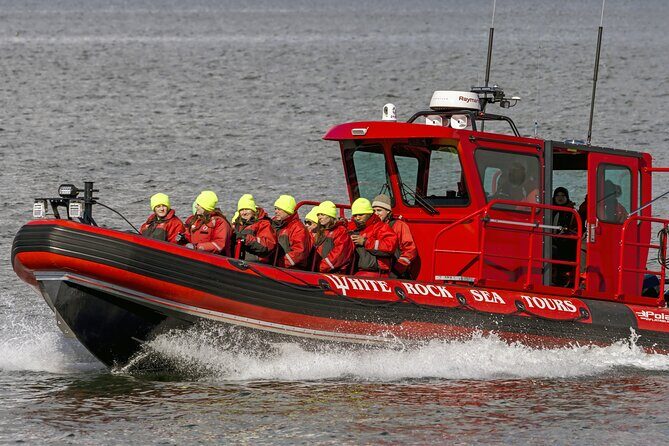
I also like the no-stress comfort setup: life jackets plus Mustang Survival floatation suits are provided, so you can stay warm without hunting for the right gear first. And with a maximum of 12 travelers, you’ll feel like you’re in a real small group, not a crowd.
One possible drawback: it’s time on the water, and they ask for moderate physical fitness, plus they don’t recommend it if you’re pregnant or in poor health.
In This Review
- Key highlights you’ll care about
- What You’re Actually Hunting For Off the BC Coast
- Who This Tour Fits Best (And Who Might Want Another Plan)
- Price and Value: What $202.77 Buys You Here
- Before You Go: Surrey Meeting Point and Timing Reality
- On the Water: What the Boat Day Feels Like
- Gulf Islands National Park Reserve Stop: Why It’s More Than a Photo Break
- Gear That Actually Helps: Suits, Gloves, and Staying Useful on Deck
- The Sighting Guarantee: What You Should Expect If It’s Slow
- How Many People Are You Really Sharing the Boat With?
- What to Expect From the Crew (And Why the Tone Matters)
- A Balanced Take: Pros, Possible Downsides, and Reality Checks
- Should You Book Whale Watching Adventure Vancouver?
- FAQ
- How long is the Whale Watching Adventure Vancouver tour?
- Is there a guarantee that you will see whales?
- What species might you see?
- What should I wear?
- Are food and drinks included?
- Who can’t take the tour?
Key highlights you’ll care about
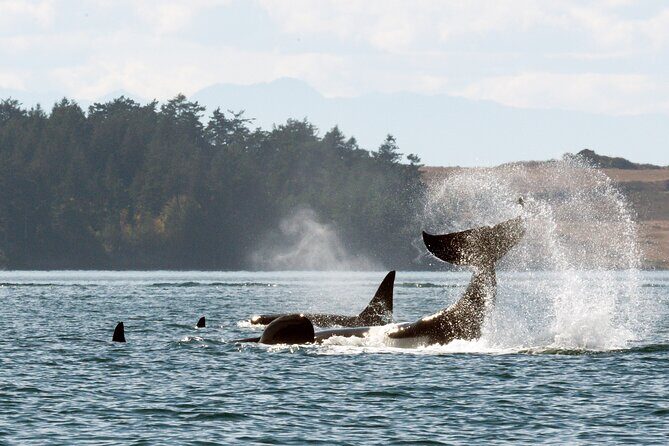
- 100% whale sighting guarantee (April–October): see whales or return free
- Small boat size (max 12 travelers): more room, easier viewing
- Warmth included: life jackets and Mustang Survival floatation suits provided
- Variety of animals: Biggs killer whales, humpbacks, grey whales, minke whales, plus seals and sea lions
- Gulf Islands National Park stop: a special change of pace on the route
- English-speaking team with pros aboard: professional guide, local guide, and tour escort
What You’re Actually Hunting For Off the BC Coast
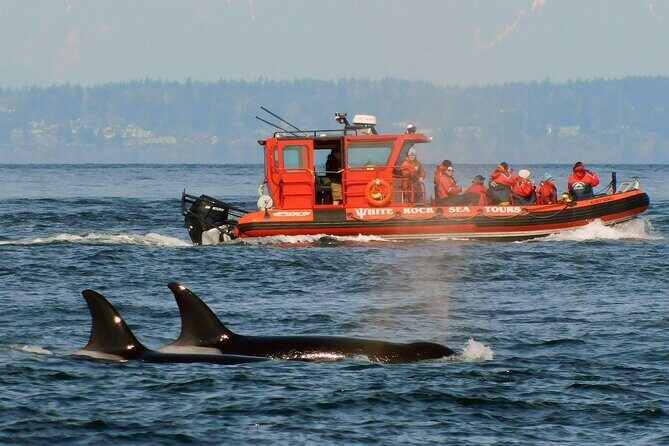
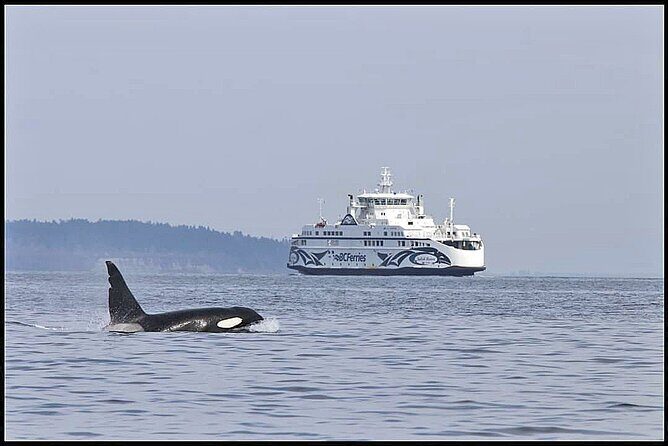
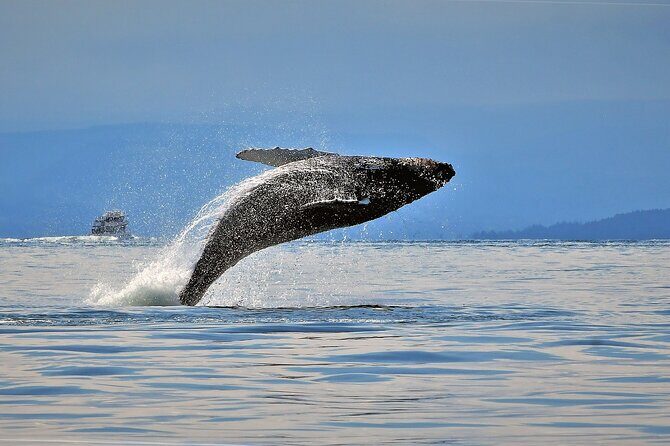
This trip is built around one simple idea: put you on the water where the chance of real sightings is as high as possible. The focus isn’t just whales on a poster. It’s the full mix of coastal wildlife—Biggs killer whales, humpbacks, grey whales, minke whales, plus sea lions, harbour porpoise, and seals.
That matters because it changes what “success” feels like. Even when the day’s stars aren’t the first animals you spot, you’re still likely to see something moving, surfacing, feeding, or resting nearby. I like that the operator lists multiple species upfront. It signals they’re looking broadly, not only for one headline animal.
You’ll also be in a region where the coastline and island setup can change fast. Wind, currents, and where animals are hanging out all shift. The guide’s job is to adapt and keep searching with purpose—so you spend your time scanning, not guessing.
You can also read our reviews of more whale watching tours in British Columbia
Who This Tour Fits Best (And Who Might Want Another Plan)
This is a strong pick if you’re traveling with a first-time whale watch expectation. The professional guide and local guide approach helps turn random sightings into something you can actually understand in the moment. It’s also a good fit if you want a guided day without the stress of logistics or gear shopping.
It’s also ideal if you like a smaller group. With up to 12 travelers, you’ll get better sight lines and less “everybody cram forward” chaos. That’s a real quality-of-life factor on boats.
Still, read the health guidance carefully. It’s not recommended for people in poor health or who are pregnant. And you’ll want moderate physical fitness, since boarding, moving on the deck, and standing for viewing can be part of the deal—especially if conditions require careful movement.
If you’re prone to seasickness, you might want to plan for that too, even though the tour data doesn’t get into medical details. When weather changes, so can comfort on open water.
Price and Value: What $202.77 Buys You Here
At $202.77 per person, this isn’t the cheapest activity on the Vancouver area calendar. The value comes from what’s bundled into the experience, not just the fact that whales exist somewhere out there.
Here’s what your money covers:
- A guided boat outing with a professional guide, local guide, and tour escort/host
- Life jackets and Mustang Survival floatation suits (warmth and safety gear provided)
- The operator’s 100% whale sighting guarantee (April–October)
And what it doesn’t cover:
- Food and drinks
That last bullet is important for planning. With no meals included, you’ll want to check whether you’re doing breakfast or packing snacks based on your schedule. The tour runs about 4 hours (approx.), with trips varying in duration, so a light plan beats getting hungry while you’re trying to stay comfortable in cool coastal air.
When I look at the total package—gear included, guides onboard, and a formal guarantee—the price feels more like paying for a well-run day at sea than just buying a ticket to hope for the best.
Before You Go: Surrey Meeting Point and Timing Reality
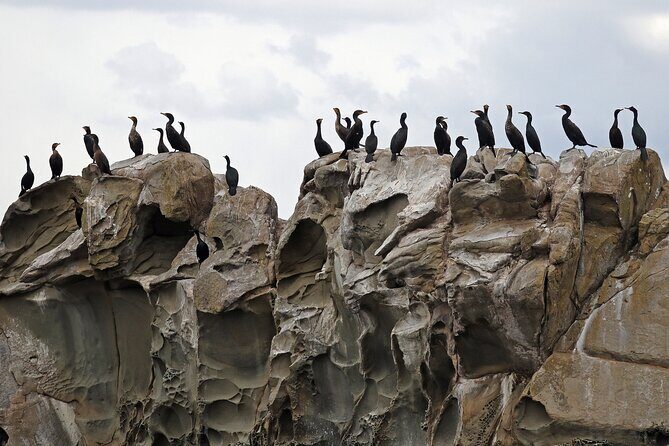
You meet at 12555 Crescent Rd, Surrey, BC V4A 2P2, and the tour ends back at the meeting point. They note the start area is near public transportation, which can help if you don’t want to deal with parking stress.
Timing wise, expect a 3–5 hour outing window depending on conditions. They also reserve the right to cancel or delay due to weather, mechanical problems, or unforeseen circumstances. Boats may be late in those scenarios too. That doesn’t mean it will happen—it means the operator is being honest that the ocean controls the schedule sometimes.
One more practical note: they mention island stops are dependent on weather, animal location, and operational factors. So while there’s a planned stop, you should treat it as weather-aware, not guaranteed in every exact form.
On the Water: What the Boat Day Feels Like
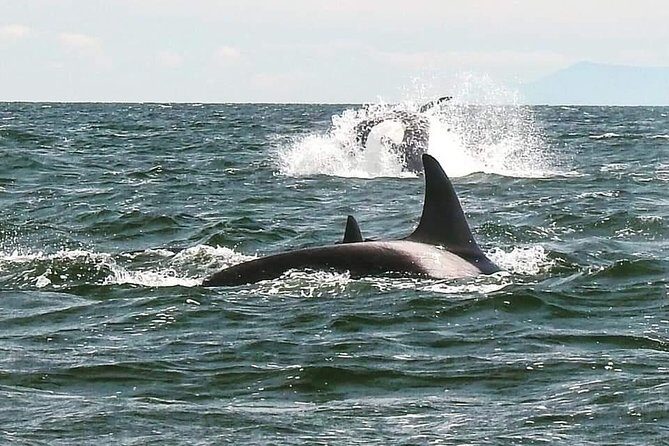
This kind of whale watching day is part searching, part patience, part quick bursts of excitement when something breaks the surface. Your guide’s job is to keep the effort organized—where they look, how they reposition, and when it’s time to slow down and observe.
The operator calls out a 100% whale sighting guarantee from April through October. In plain terms, that means if you don’t see whales during that window, you’re invited back for a free future trip. It’s backed by the operator being part of a larger network of whale-watch companies, which helps with coordination and communication across operators.
In the moment, that network is hard to see. What you’ll notice is that the crew isn’t casual about scanning and repositioning. They’re doing work to make the day count.
Also, since you’re hunting multiple possible species—whales plus porpoise, sea lions, and seals—you’re not just waiting for one dramatic event. You might spot smaller marine action even if the bigger whale show takes a little longer.
Gulf Islands National Park Reserve Stop: Why It’s More Than a Photo Break
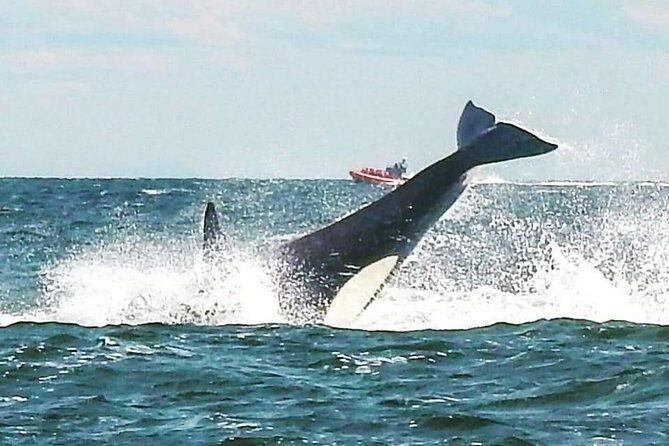
The itinerary includes Stop 1: Gulf Islands National Park Reserve of Canada. Even without a long onshore schedule described, this stop matters because it adds a change of scenery during the outing.
Why I like that: whale watches can become a repetitive rhythm—scan, wait, reposition, repeat. A park-based stop gives your eyes a break from open water and helps break up the day into sections. It also makes the outing feel grounded in the region rather than only a boat ride.
There’s also a hint from past outings that you might get a quick break near Daturna Island, depending on conditions. That’s not something you should plan around like a sure thing, but it’s a good example of how the day can include small coastal moments, not just time straight out at sea.
The tradeoff is that island stops are weather and animal dependent. So if conditions make landing or timing tricky, you may not get the same on-route rhythm.
Gear That Actually Helps: Suits, Gloves, and Staying Useful on Deck
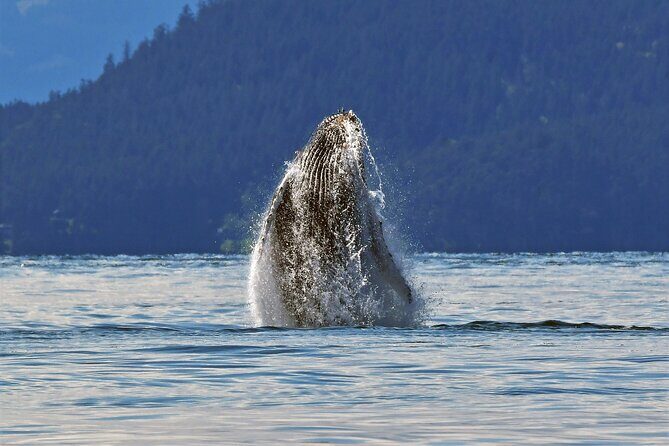
Here’s the big practical win: you don’t show up to the coast and cross your fingers for warm clothing. They provide life jackets and Mustang Survival floatation suits, including one- and two-piece options from XS to XXXL. That’s a major value add because it reduces the chance you’ll underpack and end up miserable.
You still need to dress smart. Wear layered clothing, and the recommendation is a fleece sweater plus gloves and a toque (knit cap). Waterproof footwear is a good idea because deck water and spray happen on the coast.
If you have them, bring:
- a rain jacket and rain pants
- sunglasses
Even on a clear day, coastal glare can be intense. Sunglasses also help you watch longer without squinting.
I’ll be blunt: this matters more than people expect. Whale watching succeeds when you can stand, look, and focus for longer stretches. Warmth and comfort keep your attention where it should be—on the water.
The Sighting Guarantee: What You Should Expect If It’s Slow
The guarantee is the headline feature, but you’ll want to understand what it implies. From April to October, the operator offers a 100% whale sighting guarantee: see whales or return for free.
That return can be comforting, especially on a trip where weather can play judge and jury. The ocean can be unpredictable. Knowing there’s a structured promise helps you book with less stress.
Also note the way they handle weather cancellations: if the experience is canceled due to poor weather, you’ll be offered a different date or a full refund. That keeps you from losing the money when conditions make the trip unsafe or impossible.
The key takeaway: the guarantee doesn’t mean every boat leaves with whales guaranteed on the first hour. It means the operator is committed to resolving a no-whale outcome in a concrete way during the main season.
How Many People Are You Really Sharing the Boat With?
A maximum of 12 travelers is a big deal. On smaller boats, you’re more likely to get:
- clearer sight lines
- less shoulder-to-shoulder movement
- a calmer viewing environment
It also changes the feel of the guide interaction. A guide can actually point, explain, and manage the deck without constantly raising their voice or moving people around to keep everyone safe.
For many first-time whale watchers, that smaller group factor is part of why the day feels like a guided adventure rather than a crowded tour slot.
What to Expect From the Crew (And Why the Tone Matters)
This tour includes a professional guide, local guide, and a tour escort/host. That combination tends to work well for whale watching because you get both interpretation and practical coordination.
One name that has shown up in guidance for these outings is Steve. When he’s leading a group, the emphasis is on being friendly and knowledgeable, with the crew making the first whale watch feel like an event you can enjoy, not a lecture you have to sit through.
What you should look for from your side: ask questions, listen for what they’re searching for, and watch how they react when something is spotted. Whale watching is a lot easier when you understand what you’re being asked to look for.
A Balanced Take: Pros, Possible Downsides, and Reality Checks
This trip’s biggest strength is straightforward: the combination of a guarantee, proper gear, and a guided search. Most people don’t struggle with the concept of whale watching. They struggle with cold gear, bad comfort, and vague searching. This tour tackles those friction points directly.
Potential downsides to keep in mind:
- No food or drinks means plan your snack and hydration.
- Expect weather-driven schedule changes. Delays or canceled departures can happen.
- You’ll need moderate physical fitness, plus the tour isn’t recommended in poor health or for pregnancy.
- Island stops are dependent, so don’t treat them as guaranteed in the exact format you imagine.
For most visitors, though, these are manageable. The operator makes the rules and gear clear enough that you can show up prepared.
Should You Book Whale Watching Adventure Vancouver?
I’d book if you want a whale watch experience that takes comfort and results seriously. The Mustang Survival floatation suits, small group size, and 100% whale sighting guarantee from April to October make this feel like a true professional operation, not a gamble wrapped in marketing.
You should skip or seriously rethink it if you’re not comfortable with time on a boat, if you fall into the health categories listed, or if you know you’ll be unhappy without food included. Also, if you’re visiting outside the April–October peak season, you’ll want to check how the guarantee applies for your travel dates.
If your goal is to see whales, learn what you’re seeing, and do it in practical warmth with a crew that keeps the day moving, this is a very sensible choice for Vancouver-area wildlife time.
FAQ
How long is the Whale Watching Adventure Vancouver tour?
Tours run about 4 hours (approx.), and actual duration can vary in the 3–5 hour range.
Is there a guarantee that you will see whales?
Yes. There is a 100% whale sighting guarantee from April to October. If you don’t see whales, you’re invited back on a future trip for free.
What species might you see?
The tour lists potential sightings of Biggs killer whales, humpbacks, grey whales, minke whales, sea lions, harbour porpoise, and seals.
What should I wear?
Wear layered clothing. They recommend fleece, gloves, and a toque. Use waterproof footwear, and consider a rain jacket and pants plus sunglasses.
Are food and drinks included?
No. Food and drinks are not included.
Who can’t take the tour?
The tour is not recommended for those in poor health or for those who are pregnant. Children should be at least six years old, with younger children only allowed at manager discretion.