REVIEW · QUEBEC CITY
Guided tour « from the bee to the bottle » with tasting – English
Book on Viator →Operated by Apikol - Distillerie · Bookable on Viator
Quebec’s bee-to-bottle story starts fast. In about an hour at Apikol – Distillerie, you follow how the honey-bee world links to fermentation, distillation, aging, and bottling. I like that it is not just talk: you get a real guided look at production, and you finish with a guided tasting.
Two things I’d book for: the owner-led explanation of the whole chain from hive to glass, and the chance to taste a mix of sparkling mead plus spirits you can pick based on preferences. The only drawback to flag is simple: the tasting involves alcohol, so plan around that when you think about transportation.
In This Review
- Quick hits to know before you go
- Bee to bottle at Apikol: what that 60 minutes really feels like
- Entering the hive-to-honey-to-spirits workflow (Stop 1: Apikol)
- The bee and honey part: more than a cute intro
- The production chain: fermentation, distillation, aging, bottling
- What I like about the format here
- One possible consideration
- The tasting: how to choose your 2 spirits (and what you’ll likely notice)
- Add-ons are possible
- Why the tasting is worth doing here
- Transport tip that makes a real difference
- Where it is in Quebec City: reach it easily, then stay flexible
- Value for $21.58: why this price makes sense for what you get
- Who should book this tour (and who might not love it)
- Is this worth booking? My call
- FAQ
- FAQ
- How long is the guided tour from the bee to the bottle?
- What is the price per person?
- What language is the tour offered in?
- How many people are in the group?
- What’s included in the tasting?
- Where is the meeting point, and does the tour end there too?
Quick hits to know before you go
- Owner-style guidance in English: you tour with a guide who is one of the owners (an expert voice, not a scripted lecture).
- Full process in one hour: interpretation of bees, honey extraction, fermentation, distillation, aging, formulation, and bottling.
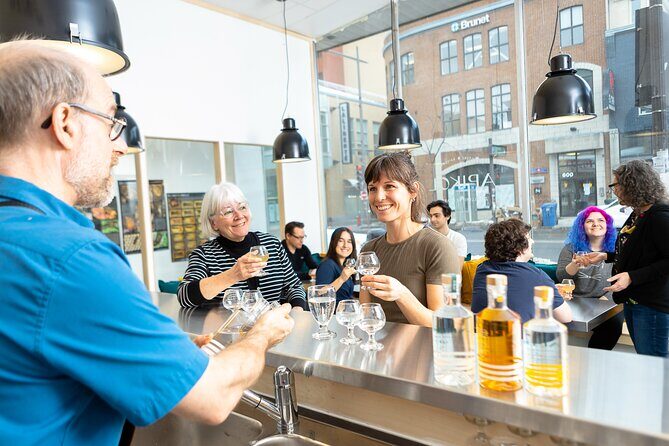
- Tasting included with choice: you get 3 products, including sparkling mead and 2 spirits out of a set of options.
- Small group cap: up to 8 travelers, so questions actually get answered.
- Onsite production: you see the distillery setting right in the city, minutes from the core area.
- Buy on-site: products are for sale at the distillery rather than in stores.
Bee to bottle at Apikol: what that 60 minutes really feels like
This is the kind of tour that works even if you know almost nothing about bees. The format is short, paced, and practical. You do not wander for hours. You focus on a single story: how bees produce honey, and how that honey becomes alcoholic drinks.
The best part is the way the guide connects the steps. You hear how extraction turns into fermentation. You hear what distillation does. You hear why aging matters. Even if you are not a “food nerd,” it clicks because the process is explained in a logical order, not as a list of buzzwords.
And then the tasting lands while the story is still fresh. That helps you understand what you just heard, because you can compare aromas and flavors across the mead and the spirits. In other words: your brain gets both the how and the payoff.
You can also read our reviews of more food & drink experiences in Quebec City
Entering the hive-to-honey-to-spirits workflow (Stop 1: Apikol)
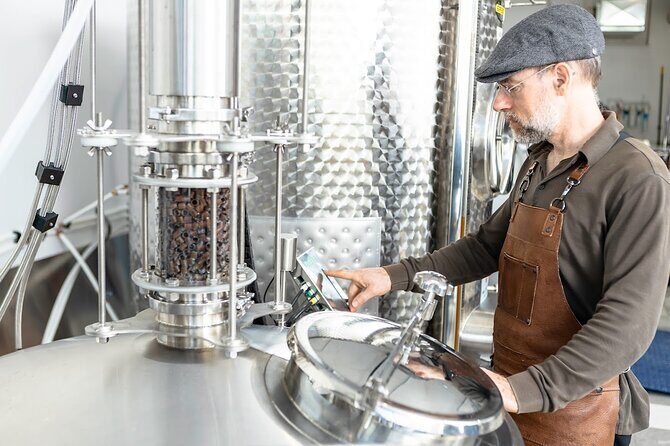
Your first stop is Apikol, where the entire tour stays on site. You go through an interpretation of the bee itself and how honey is harvested, then the guide walks you through how honey turns into fermented drinks and, later, distilled spirits.
The bee and honey part: more than a cute intro
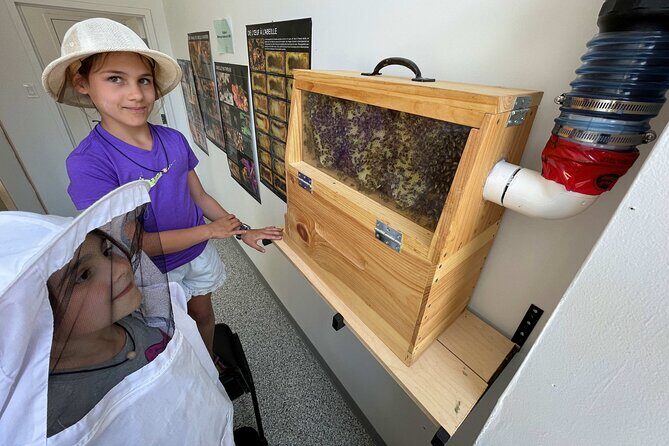
You start with the basics of bees and their role. The tour includes interpretation of bees, plus honey extraction and transformation. You end up with a clearer sense of why honey is such a useful ingredient for drinks. It is not just sweetness. It is a base that interacts with fermentation and then gets shaped again through distillation.
A nice detail: the guide explains these steps in a way that makes the end result feel earned. You can tell the process is the point, not just a showroom.
The production chain: fermentation, distillation, aging, bottling
After the bee-and-honey section, you get the heart of the story. The guided tour covers:
- extraction of honey
- fermentation
- distillation
- aging
- formulation
- bottling
This is where you start to understand the differences between mead and spirits. Mead is tied to fermentation. Spirits are about distillation and the choices that come after, including aging and formulation. You do not need a chemistry degree. The guide keeps it grounded in what you’ll actually taste later.
You may also end up chatting with someone like Nadine, a co-owner who is repeatedly referenced by name in responses. Even if it is not her personally leading your session, the tone tends to be owner-level: friendly, direct, and eager to answer questions.
What I like about the format here
You get a true guided explanation, not a self-paced audio tour. You also get enough time for questions because the group size is capped at 8. That matters. When you can ask follow-ups, you leave with real understanding.
You can also read our reviews of more guided tours in Quebec City


One possible consideration
Because the whole tour is about production steps, it may feel more “process-focused” than “nature-focused.” If you came only for dramatic wildlife moments or a scenic outdoor walk, this is not that. It is inside the production story.
The tasting: how to choose your 2 spirits (and what you’ll likely notice)
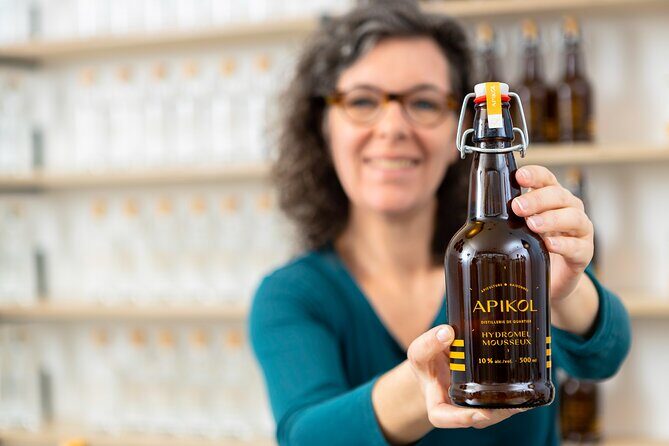
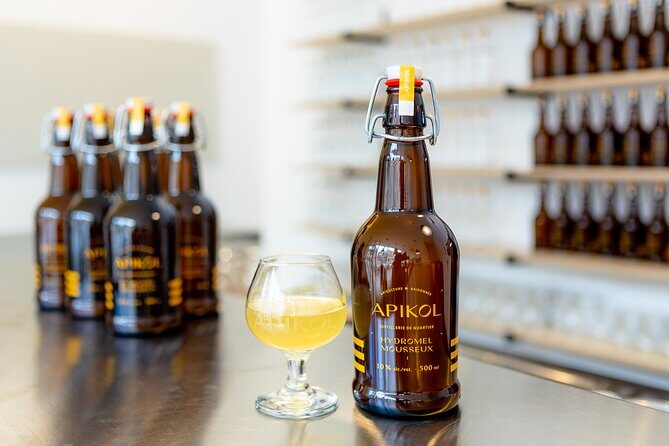
The tasting is built into the experience and comes after the guided part. You get 3 products total, led by an expert. One of the highlights is the inclusion of sparkling mead, plus 2 spirits from an available set of options.
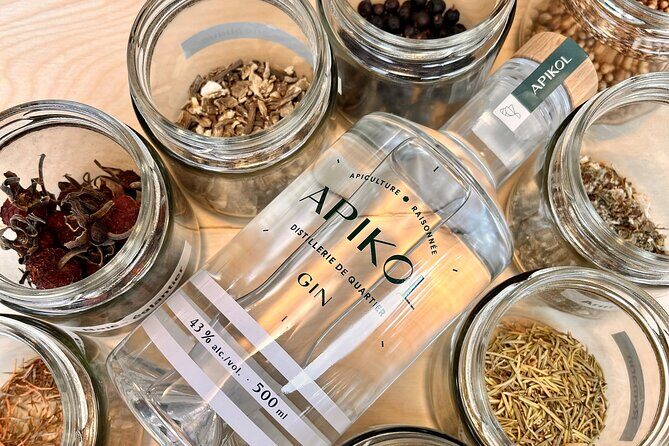
A key detail that helps you get good value: the tasting lets you choose between spirits based on your preferences. The tasting set includes 4 spirits options overall, and you taste 2 of them. That means you are not stuck with the default pour if your tastes lean toward one style over another.
From the experience description and guest feedback, spirit options can include things like vodka and gin. So if those are your go-to categories, you can ask to steer your choices there.
Add-ons are possible
If you want more than the included 3, you can add others for a small supplement. This is handy when you realize you like one style and want a second comparison.
Why the tasting is worth doing here
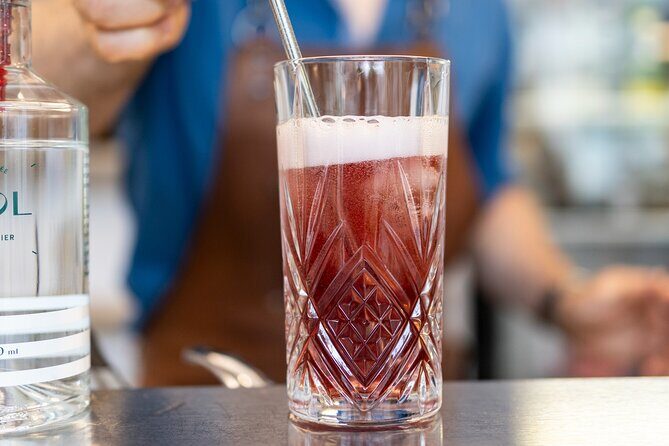
A tasting is common. But this one matches the tour. You hear about fermentation, then you taste sparkling mead. You hear about distillation and aging, then you taste spirits made from honey-derived inputs.
You also get time for your senses to do the work. Guests often mention surprising aromas and tastes. That makes sense: honey-based drinks can land differently depending on how they are fermented and distilled, and how long they are aged.
Transport tip that makes a real difference
One review calls out a practical truth: do not drive if you want to make the most of the tasting. Alcohol is part of the deal here. If you are staying in or near Old Québec, plan on walking, a taxi, or public transit.
Where it is in Quebec City: reach it easily, then stay flexible
The meeting point is 627 Boulevard Charest E, Québec, QC G1K 3J5, Canada, and the tour ends back at the same spot. That “back where you started” finish helps when you’re building plans around it.
Location-wise, you are in the city, close to major areas. One helpful note from the experience team: it is within walking distance of Old Québec. That means you can pair it with a morning or afternoon in the historic core without a big scheduling headache.
Also, the tour is near public transportation. In plain terms: you can plan it even if you are not renting a car.
Value for $21.58: why this price makes sense for what you get
At $21.58 per person, this is priced like a short activity with a built-in tasting. You are not paying only for entry. You are paying for:
- a guided, owner-led explanation of the bee-to-bottle chain
- a tasting of 3 products (including sparkling mead)
- a small-group setup (max 8)
That combination is the value play. Many experiences either teach without tasting, or taste without enough explanation. Here, you get both in about an hour, so you are not losing half a day to fit it in.
And because it is a mobile-ticket experience, you do not need a paper shuffle to get started.
Who should book this tour (and who might not love it)
This fits best if you like hands-on food and drink learning, even if you are a casual fan. You’ll likely enjoy it if you want:
- a short guided experience in English
- a clear explanation of how honey becomes mead and spirits
- a tasting where you can choose which spirits to sample
It also makes sense as a small-group outing. With a max of 8 travelers, it feels personal rather than crowded.
Who might skip it? If you want a long outdoor adventure or a purely sightseeing tour, this will feel too production-focused and too short. Also remember: the tasting involves alcohol, so plan your day accordingly.
Is this worth booking? My call
If you have even a mild curiosity about bees or honey-based drinks, I think this is an easy yes. The short length helps. The owner-led process helps. And the tasting helps you connect the story to the flavor, which is where these tours win.
Book it especially if you’ll be near Old Québec and you want something different from the usual city sights. And if you do drink, treat it like a planned tasting stop: then you can enjoy the rest of your day with less stress.
FAQ
FAQ
How long is the guided tour from the bee to the bottle?
It’s approximately 1 hour.
What is the price per person?
The price is $21.58 per person.
What language is the tour offered in?
The tour is offered in English.
How many people are in the group?
The tour has a maximum of 8 travelers.
What’s included in the tasting?
You’ll taste 3 products: sparkling mead and 2 spirits chosen from a set of 4. You may be able to add other products for a small supplement.
Where is the meeting point, and does the tour end there too?
The tour starts at 627 Boulevard Charest E, Québec, QC G1K 3J5, Canada and ends back at the meeting point.