REVIEW · TORONTO
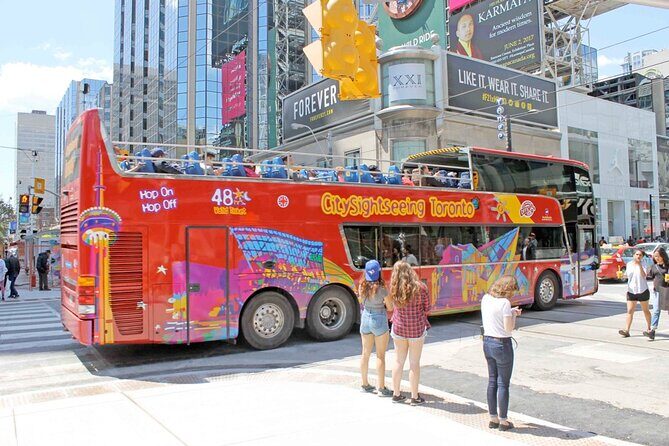
City Sightseeing Toronto Hop-On Hop-Off Bus Tour
Book on Viator →Operated by City Sightseeing Ltd - USA and Middle East · Bookable on Viator
Toronto has a lot going on. This hop-on hop-off loop makes it simple to see CN Tower area highlights without fighting traffic or figuring out transit. I like that the stops are set up like a sightseeing checklist, so you can plan quick visits or stay onboard for the whole circuit.
My second favorite part is the 48-hour pass style pacing, plus live audio commentary and multilingual headphone narration that help you connect the dots as you ride. On my watch list is how guides can add energy and local stories, and names like Marcel and Marilyn pop up in real customer notes for being especially upbeat and helpful.
One thing to consider: bus frequency can feel inconsistent in busy seasons and in winter, so you’ll want to watch the timetable closely and build in a little buffer between hops.
In This Review
- Key things I’d circle before you ride
- Entering Toronto by Bus: Why This Route Makes Sense
- Price and Value: Is $49.50 Reasonable for a 2-Hour Loop?
- Where You Board (and How Not to Lose Time)
- Quick timing tip
- The Stops Along the Route: What Each One Lets You Do
- 1) Sankofa Square (Start Point)
- 2) 551 Yonge St (Yonge & Wellesley)
- 3) 33 Yorkville Ave (Yorkville)
- 4) 4 Avenue Rd (Park Hyatt / Royal Ontario Museum area)
- 5) Casa Loma
- 6) Spadina & Bloor
- 7) 318 Dundas St W (Art Gallery of Ontario / Chinatown)
- 8) 277 Front St W (CN Tower North / MTCC)
- 9) Bremner Boulevard (CN Tower South / Ripley’s Aquarium)
- 10) Radisson Blu / Harbourfront (City Sightseeing boat tour)
- 11) 19 Front St E (Hockey Hall of Fame / Meridian Hall)
- 12) Witteveen Meats (St. Lawrence Market South Building)
- 13) 300 Front St E (Distillery District)
- Audio: Headphones, Languages, and When Guides Shine
- What to watch for
- Comfort and Season: Winter Can Change the Ride
- A simple winter strategy
- The Real Trade-Offs: Timing, Crowds, and Stop-Finding
- Waiting can ruin your day plan
- Stop-finding can cost time
- Tipping requests can be awkward
- Who Should Book This Tour (and Who Might Prefer Something Else)
- Should You Book City Sightseeing Toronto?
- FAQ
- How long is the City Sightseeing Toronto hop-on hop-off loop?
- What does a 24-hour or 48-hour ticket include?
- Where can I redeem my mobile or paper voucher?
- Is there live narration and are there multiple languages?
- Which major sights are on the route?
- Are attraction entry tickets included?
- Can I cancel for a full refund?
Key things I’d circle before you ride
- 24- or 48-hour flexibility so you can reboard instead of cramming everything into one trip
- Multilingual audio + English live commentary with headphones included, so language usually isn’t a dealbreaker
- A stop at the CN Tower North/South areas so you can choose how to pair it with nearby sights
- Weather-ready comfort like covered and heated top-deck seating in colder months
- A route built for walkable landmarks across key neighborhoods, not just one downtown strip
Entering Toronto by Bus: Why This Route Makes Sense
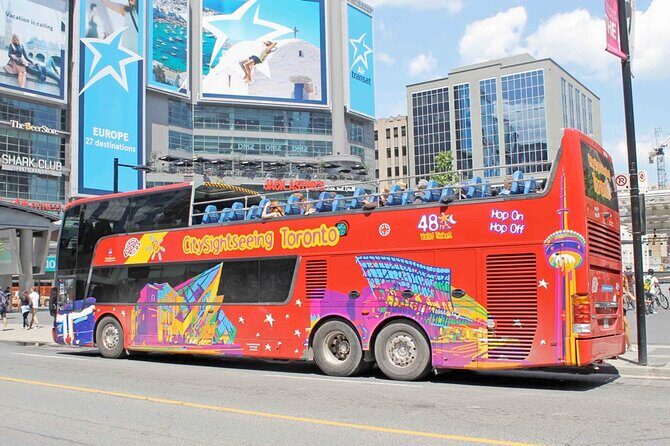
A good hop-on hop-off tour should do two jobs. First, it should get you oriented fast. Second, it should help you decide where you want to spend actual time. This City Sightseeing Toronto bus tour does both, because it loops through central areas where a lot of the classic sights are packed relatively close together.
You’re not locked into one schedule. You can do the full loop and treat it like your orientation pass, then hop off later to return to whatever caught your eye. Even if you’re only in Toronto for a short window, the tour acts like a moving map: you watch the city from the bus, then pick where it’s worth walking around.
The stop list is also the kind you can build a day around. It passes by major Toronto touchstones such as the CN Tower area, Hockey Hall of Fame, St. Lawrence Market, the Distillery District, and landmarks tied to the Royal Ontario Museum and Casa Loma. If you like that “see it first, then decide” approach, this tour fits.
You can also read our reviews of more city tours in Toronto


Price and Value: Is $49.50 Reasonable for a 2-Hour Loop?
At $49.50 per person, you’re paying for convenience, not just transportation. The value shows up when you use the flexibility, not when you treat it like a one-and-done ride.
Here’s the practical math. The loop takes about 2 hours to about 2 hours 15 minutes, and your pass is valid for 24 or 48 hours depending on what you buy. That means you can potentially ride the same route again, or hop on and off multiple times over a day or two. If you’re the type who enjoys a second round—checking views again in different light or revisiting a stop because the lineup was long—48-hour tickets are usually where the value kicks in.
If you’re only going to do one quick loop with no hopping, the cost can feel harder to justify. One guest even pointed out the real trade-off: if you’re time-crunched, waiting at stops can erase the savings you thought you’d get.
So I’d frame it like this: the tour is good value when it saves you from taxis and from bouncing around with too many transfers. It’s less of a steal if you struggle with timing and end up waiting longer than planned.
Where You Board (and How Not to Lose Time)
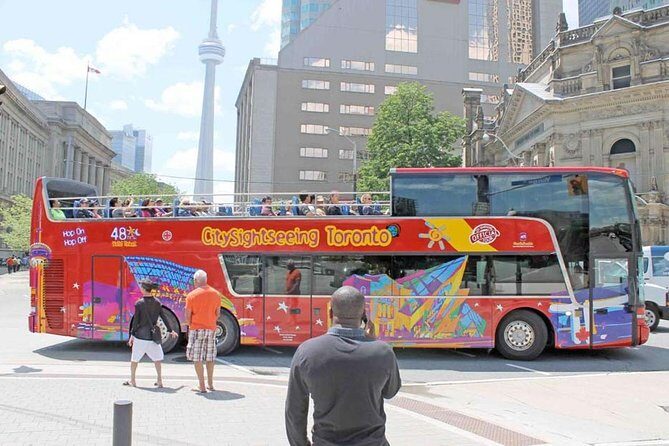
Your tour is tied to a central starting point, but you’re not forced to begin there. With your voucher, you can redeem at any bus stop using a mobile ticket. If you have a paper voucher, it must be redeemed at bus stop 1 (Sankofa Square).
This matters because Toronto is big enough that a “wrong” boarding spot can waste an hour fast. If you’re arriving from another neighborhood by transit, it’s worth confirming the exact stop name on your ticket before you walk over. A few people said they found it difficult to spot the stops to board, especially when they wanted an easy map in an app.
Also note the daily service window: the first departure from Stop 1 is 10:00am and the last is 4:00pm. That doesn’t mean you can only ride until then, but it does mean your best odds of smooth hopping come earlier in the day.
Quick timing tip
Plan your first ride as a “routing pass.” I like hopping off later only after you’ve seen the whole loop once. That reduces the chance you’ll waste time guessing which direction is best for walking and reboarding.
The Stops Along the Route: What Each One Lets You Do
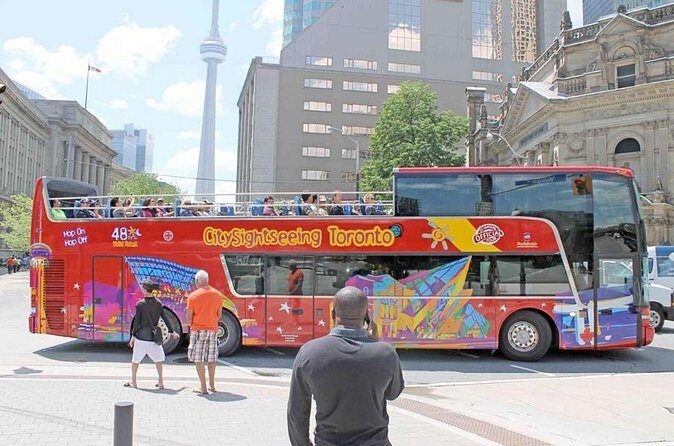
The tour is designed as a loop through central neighborhoods. Each stop is basically an invitation to add a short walk or a longer visit, then get back on when you’re ready.
Below is what you can expect at each of the major stops, plus one reality check for each.






1) Sankofa Square (Start Point)
This is the main anchor stop. If you have a paper voucher, this is also where you must redeem it. Starting here makes things easier because you’re tied to the core departure schedule.
Reality check: if you’re late or if you’re hunting for the stop, this is where delays can start stacking up.
2) 551 Yonge St (Yonge & Wellesley)
This is your Yonge Street access point, good for getting into a central feel of Toronto. If you’re staying around downtown and want a quick entry point into neighborhoods, this stop can work well.
Reality check: traffic and crowds in this core area can slow the bus, so watch the time if you’re hopping off to catch something scheduled.
3) 33 Yorkville Ave (Yorkville)
Yorkville is a strong “walk-around” zone. If you want to spend time strolling rather than just photographing from the sidewalk, this stop is convenient.
Reality check: depending on the day, it can be easier to pass through than to park your plans here for long without checking your next bus window.
4) 4 Avenue Rd (Park Hyatt / Royal Ontario Museum area)
This is a convenient jump-off point near the Royal Ontario Museum name listed on the route. It’s also a good stop if you want to structure your ride around one anchor attraction and then fill the rest with nearby wandering.
Reality check: if you’re sensitive to schedule changes, build in time. Some people reported the narration and stop timing didn’t always line up as expected once they hopped back on.
5) Casa Loma
This stop is exactly what it sounds like: it’s placed for access to the Casa Loma area. It’s a helpful inclusion because it gives you a neighborhood-feeling visit without needing a separate transit plan.
Reality check: if you hop off and lose track of the schedule, your time on foot can stretch beyond what you expected.
6) Spadina & Bloor
This is a cross-neighborhood connection point. It’s useful when you want to balance the downtown sights with a different street-life feel.
Reality check: this part of the route can be a little harder to time if buses are spaced out more than expected.
7) 318 Dundas St W (Art Gallery of Ontario / Chinatown)
This stop is built for pairing two kinds of plans: an art stop and a Chinatown-area walk, based on the labels used for this stop.
Reality check: if you’re visiting both in one outing, give yourself extra time to move between the two, then plan to reboard without rushing.
8) 277 Front St W (CN Tower North / MTCC)
This is one of the CN Tower zones on the route, and it’s marked as CN Tower North / MTCC. If you want to aim your sightseeing around that icon and build everything else around it, this is a logical stop.
Reality check: a few guests noted audio narration worked before the CN Tower stop but was less reliable after hopping back on. When audio matters to you, I’d keep an eye on volume and device pairing.
9) Bremner Boulevard (CN Tower South / Ripley’s Aquarium)
This is the other CN Tower-area stop, plus the Ripley’s Aquarium label. If you want to approach the CN Tower from a different angle or pair it with the aquarium area, you can choose the stop that matches your walking direction.
Reality check: if you’re hopping between the two CN Tower-area stops, you may end up doing more walking than you planned—so stick with one stop unless your schedule is flexible.
10) Radisson Blu / Harbourfront (City Sightseeing boat tour)
This stop ties in with Harbourfront, and it’s labeled for a city sightseeing boat tour. Even if you don’t book anything else, it’s a good place to reset and decide what your “after the bus” plan should be.
Reality check: if you’re chasing a boat departure, buffer your reboarding time. A missed bus link here can cascade into missed timing elsewhere.
11) 19 Front St E (Hockey Hall of Fame / Meridian Hall)
This stop puts you near the Hockey Hall of Fame and Meridian Hall labels. It’s a strong choice if you want your day anchored around a single iconic indoor outing.
Reality check: this section can be schedule-sensitive. If you’re strict about arrival times, consider doing this on the earlier part of your pass day.
12) Witteveen Meats (St. Lawrence Market South Building)
This is a handy stop for St. Lawrence Market area access. If you like browsing and snack stops, this is the one you’ll likely return to at least once.
Reality check: market areas can get crowded, so it’s smart to set a reboarding time and treat that like a hard deadline.
13) 300 Front St E (Distillery District)
This is the Distillery District stop. It’s a classic “spend time on foot” destination, and the bus makes it easier to reach without parking hassles.
Reality check: the payoff is higher if you’re not trying to do too many other hops back-to-back. It’s a better use of time if you let it be your main walk.
Audio: Headphones, Languages, and When Guides Shine
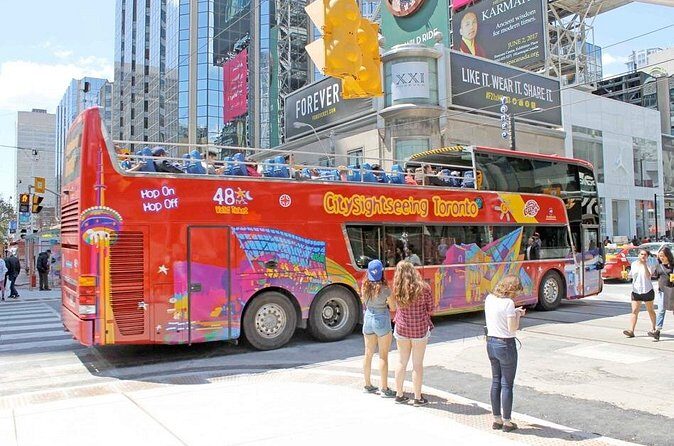
You’ll have two layers of storytelling. There’s live English on some departures, and there are headphones with multilingual audio in 9 languages. Live guided tours can vary by day, so one day’s experience won’t be identical to another.
This is where the guide matters. Real examples include Marcel (praised for being great and staff-friendly), Mashaal (praised for knowledgeable, helpful narration), Marilyn (praised for being informative and energetic), Pietra (praised for being fun and lively), and Grace (some people found the commentary less to their taste, but the tour still scored well).
What to watch for
A few people reported issues: narration that was hard to hear, or narration that seemed to work before a stop and then falter after they boarded again. That’s not something you can fully prevent, but you can reduce the frustration by keeping expectations realistic: the bus is moving, headphones can be fiddly, and sound quality can vary.
If audio is your main reason for paying, I’d aim for the top deck when possible and keep your ears on during the first hour. That’s when you’re most likely to get the story flow that helps you plan later hops.
Comfort and Season: Winter Can Change the Ride
Toronto weather can turn a sightseeing plan into a suffering contest. The good news: people specifically praised the covered, heated top deck in colder months. That’s a big deal because it means you can chase views without feeling trapped in the cold.
The less-fun news: bus availability can change in winter. One review warned that in winter only one bus might run the route, and the wait can feel like about two hours. Another mentioned long gaps at stops compared with posted expectations, with waits ranging from roughly 45 minutes to an hour.
A simple winter strategy
If it’s cold out, don’t treat the schedule like a suggestion. Time your hop-offs so you’re not stranded waiting near a stop for the next bus. If you’re sensitive to indoor vs outdoor comfort, plan to spend time on the heated upper deck first, then hop off only when you’re confident you can reboard quickly.
Also, expect city driving conditions to affect the ride. One guest suggested avoiding the route when there are major stadium events because traffic and honking can make the bus ride less pleasant. That’s common sense in any city: if you hear a lot of horn noise, your ride quality drops.
The Real Trade-Offs: Timing, Crowds, and Stop-Finding
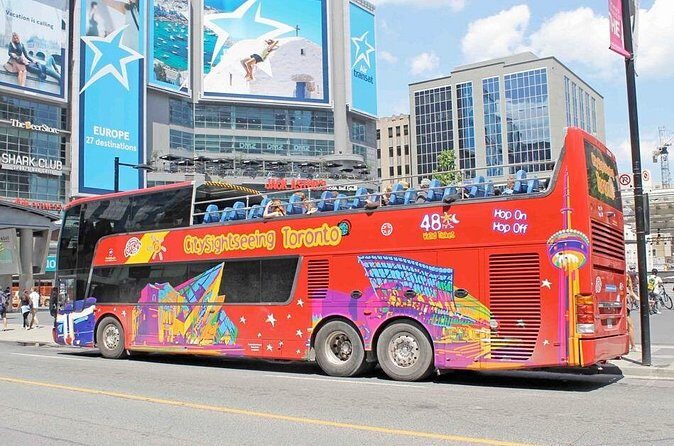
The main downside repeated in practical feedback isn’t the bus itself. It’s what happens around it.
Waiting can ruin your day plan
Some guests expected tighter intervals but experienced longer gaps. Others said the schedule seemed off by minutes, enough to make missing a bus hurt more than it should.
Stop-finding can cost time
A few people struggled to find boarding stops and wanted easier guidance inside booking apps. If you’re arriving without roaming data or you hate hunting, screenshot the stop list and plan to walk straight to the exact address/name on your ticket.
Tipping requests can be awkward
One review said a guide was overly aggressive about asking for tips and even suggested a specific amount. I can’t tell you what the standard tipping norms are for your guide or your departure, but I can say it’s smart to decide your approach ahead of time so you don’t get caught off guard.
Who Should Book This Tour (and Who Might Prefer Something Else)
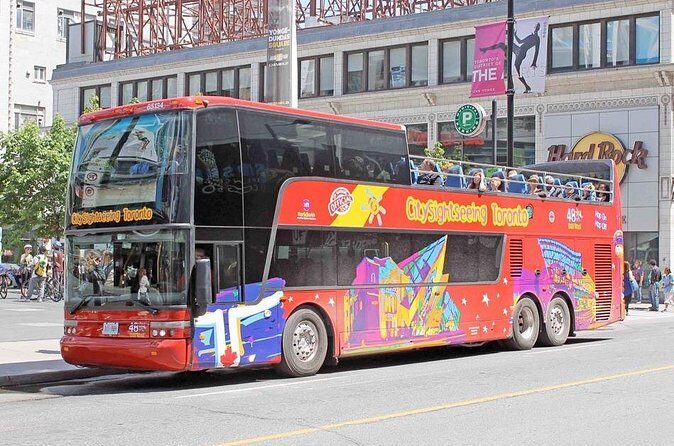
This is best for you if:
- You want a first-time orientation in central Toronto.
- You like the flexibility of hopping on again within your 24 or 48-hour window.
- You’re okay using the bus as a planner, then spending your time on foot at the stop you liked.
It might be less ideal if:
- You’re in Toronto for such a short time that waiting at a stop would feel like a major loss.
- You’re the kind of traveler who wants zero schedule friction.
- You strongly prefer fully guided, attraction-by-attraction storytelling rather than a bus loop with variable commentary quality.
If your travel style is “I want the overview, then I want freedom,” this tour fits that well.
Should You Book City Sightseeing Toronto?
I’d book it if you want an easy, repeatable way to see Toronto’s major anchor sights without committing to one fixed day plan. The 24/48-hour flexibility is the real engine behind the value, especially if you enjoy a second look at the city or if your plans tend to run late.
I wouldn’t book it if your itinerary is razor-thin and you can’t tolerate the possibility of longer waits between buses. In that case, you might get more satisfaction from a private plan or a strictly timed strategy, because this tour’s success depends on you matching your hop-offs to bus timing.
My final call: if you use the loop as your orientation pass, treat reboarding time as a must, and pick your top deck comfort priorities, you’ll likely feel like you paid for convenience—not stress.
FAQ
How long is the City Sightseeing Toronto hop-on hop-off loop?
The tour takes about 2 hours to about 2 hours 15 minutes, depending on the time of year and traffic.
What does a 24-hour or 48-hour ticket include?
You get a hop-on hop-off bus pass valid for 24 or 48 hours, and you can hop on and off as many times as you like during that validity window.
Where can I redeem my mobile or paper voucher?
With a mobile ticket, you can redeem it at any bus stop along the route. With a paper voucher, you must redeem it at bus stop 1 (Sankofa Square).
Is there live narration and are there multiple languages?
Yes. You can get live English or multilingual audio commentary, and there is also audio guide in 9 languages with headphones.
Which major sights are on the route?
The route includes stops near CN Tower (North and South areas), Hockey Hall of Fame, Distillery District, St. Lawrence Market, Casa Loma, and more, with specific stop names along Yonge Street, Yorkville, and Front Street.
Are attraction entry tickets included?
No. The tour includes access to stops and sightseeing, but entry to attractions is not included.
Can I cancel for a full refund?
Yes. You can cancel for a full refund up to 24 hours before the experience’s start time.