REVIEW · CAMPBELL RIVER
Campbell River: 4 Hour Whale & Wildlife Tour by Covered Boat
Book on GetYourGuide →Operated by Eagle Eye Adventures Campbell River · Bookable on GetYourGuide
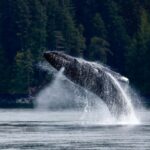
Whales feel close on this Campbell River cruise. This covered boat tour glides through Discovery Passage and Johnstone Strait, and the onboard specialist can help you spot orcas and other marine life while the hydrophone does its thing.
The main drawback is that water and weather set the tone: the rapids can make the ride bouncy, and rough conditions can also limit what you see.
In This Review
- Key things to know before you go
- Why this Campbell River route is built for whale and wildlife spotting
- Coast Marina check-in: 15 minutes early or lose your spot
- From Coast Marina to Strait of Georgia: setting your wildlife radar
- Johnstone Strait wildlife: whales, dolphins, seals, and bears
- Hydrophone and expert spotting: why sound matters here
- Learning about the Discovery Passage and its island setting
- Devils Hole and The Drain rapids: thrill, tradeoffs, and comfort tips
- Weather-proof wildlife time: being covered helps, but sightings still depend
- Photo odds: getting close without the chaos
- Value check: is $246 per person worth it for four hours?
- Who this tour suits best (and who might want a calmer plan)
- Should you book this Campbell River whale and wildlife tour?
- FAQ
- How long is the Campbell River whale and wildlife tour?
- Where does the tour depart from?
- What should I bring?
- Is there a hydrophone on the tour?
- Do I need to sign a waiver before boarding?
- What wildlife might I see?
- Is the tour wheelchair accessible?
Key things to know before you go
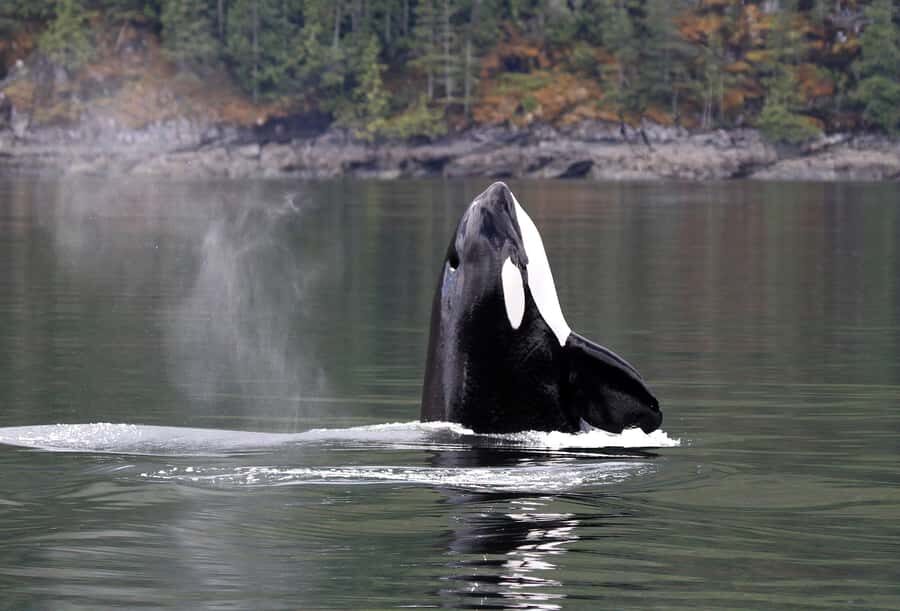
- Discovery Passage route between Vancouver Island and the mainland, then north into Johnstone Strait
- Hydrophone listening for whale sounds, plus live spotting support from your nature specialist
- Warmth and cover built in with gloves, hats, and survival suits on board
- Thundering ocean rapids on sections like Devils Hole and Aaron Rapids (The Drain), when conditions allow
- Relaxed wildlife viewing with a good chance to get photos close to the action
Why this Campbell River route is built for whale and wildlife spotting
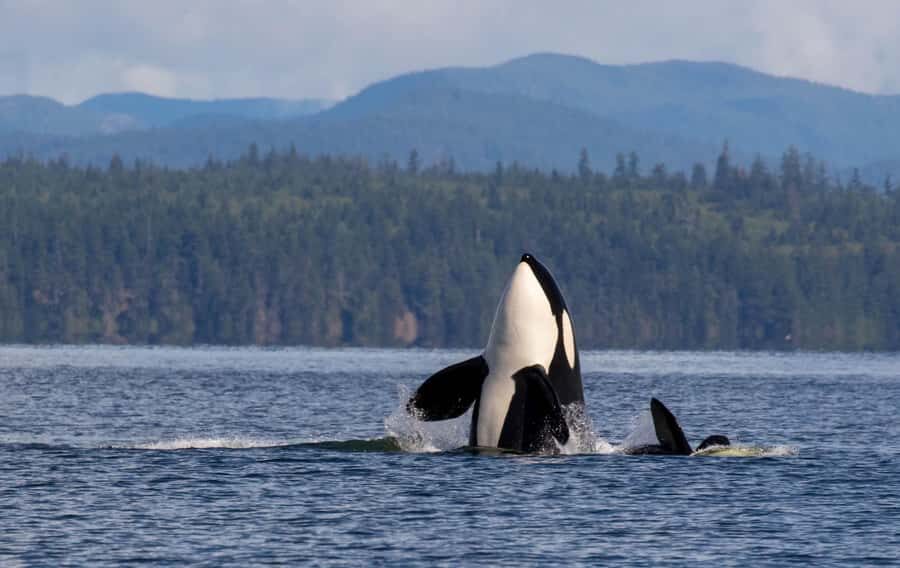
This isn’t just “a boat ride.” The whole plan follows the waterways where animals naturally move through food-rich corridors. You start by cruising sheltered channels with wild forest scenery, then head north toward Johnstone Strait, where sightings can get more exciting.
I like that the tour is designed around time on the water and active searching, not vague promises. You’re out long enough to adapt: if you don’t catch the first clue, the guide can keep scanning, and the hydrophone adds another layer to finding whales by sound, not just by sight.
You also get the variety that makes this area fun even when whales are shy. The route can bring dolphins, porpoises, seals, sea lions, and even bears—black bears, cinnamon bears, and possibly grizzlies—depending on conditions and where wildlife is positioned.
You can also read our reviews of more boat tours in Campbell River
Coast Marina check-in: 15 minutes early or lose your spot
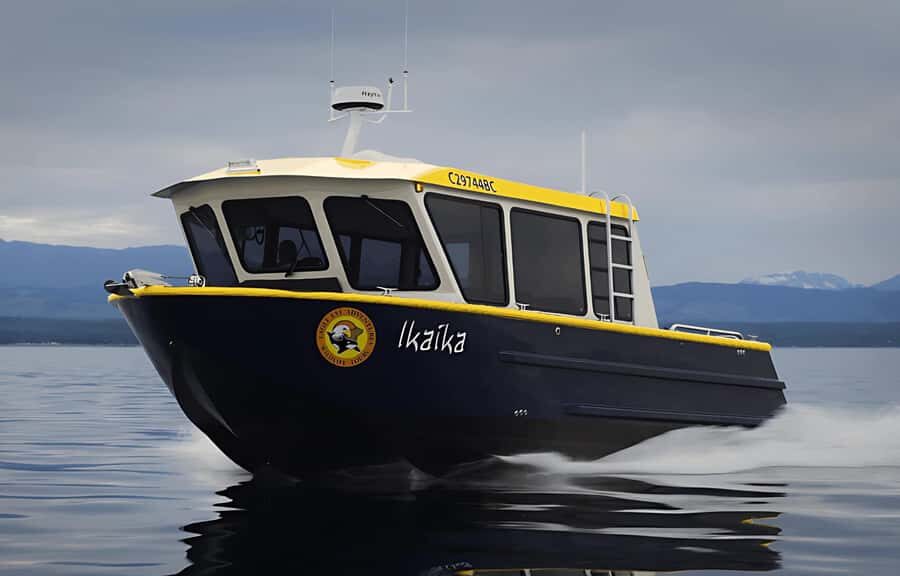
Everything starts at Eagle Eye Adventures Headquarters at Coast Marina (1003D Island Highway). The day begins with a short safety briefing, then it’s gear up, suit up, and get ready to move.
You’ll want to show up early because the check-in rule is strict: you must be checked in, suited up, and ready at least 15 minutes before departure. If you’re late, you forfeit the booking with no refund. It’s one of those “not hard, just don’t wait until the last minute” situations.
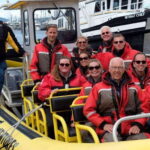
What’s also practical: the tour provides gloves, hats, and survival suits, and the boat has on-board washrooms. You just bring closed-toe shoes. That’s a big deal on the water, because wet decks plus bare ankles equals regret.
From Coast Marina to Strait of Georgia: setting your wildlife radar
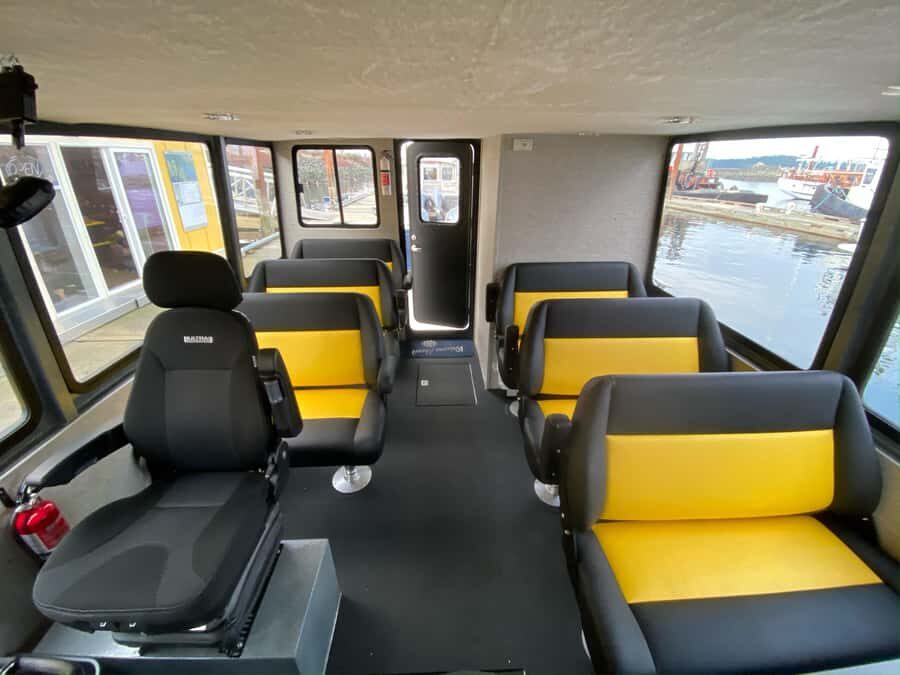
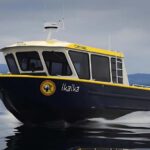
After you meet and get briefed, you board the covered boat and head into the Strait of Georgia. The scenery here matters because it helps you settle into the day. Between Quadra Island and Vancouver Island, the waterways cut through dramatic forest, and you can start scanning right away.
This is also where the tour’s pacing feels right for wildlife watching. You’re not rushed into rapids. You’re given time to get your bearings, notice birds and floating debris, and learn how your guide reads the water.
As you continue north, the tour’s “wildlife timeline” typically becomes clearer. Early on, you’re often looking for signs—marine life activity, surfacing patterns, and what the guide is tracking. Then, as you widen into Johnstone Strait, the chances increase for the bigger animal moments.
Johnstone Strait wildlife: whales, dolphins, seals, and bears
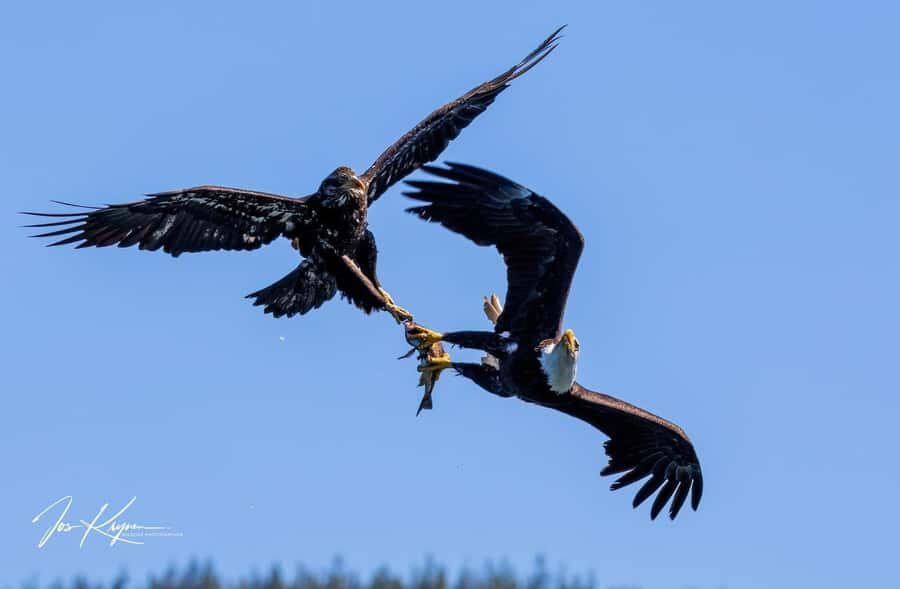
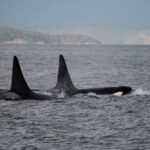
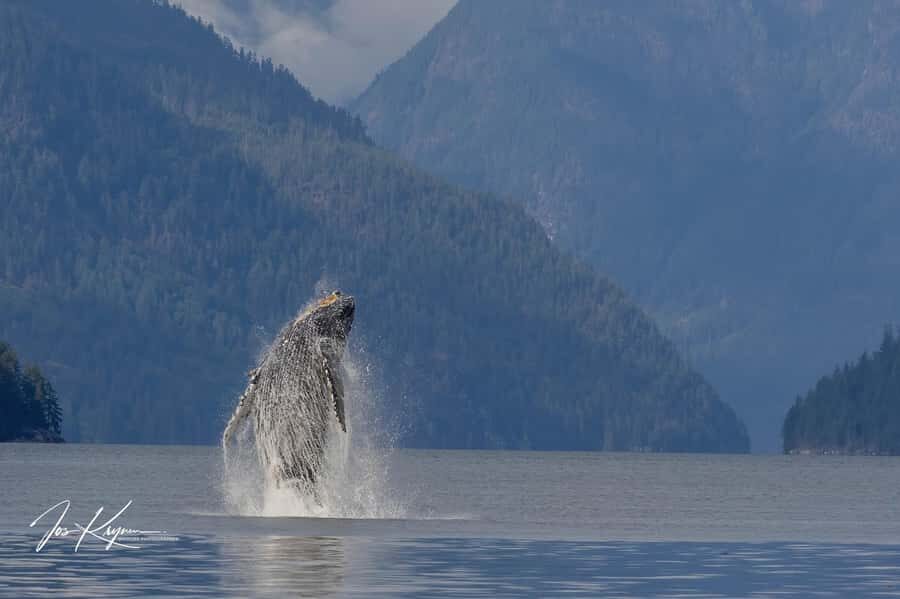
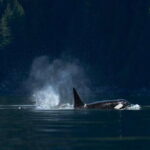
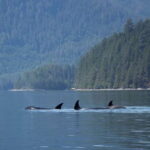
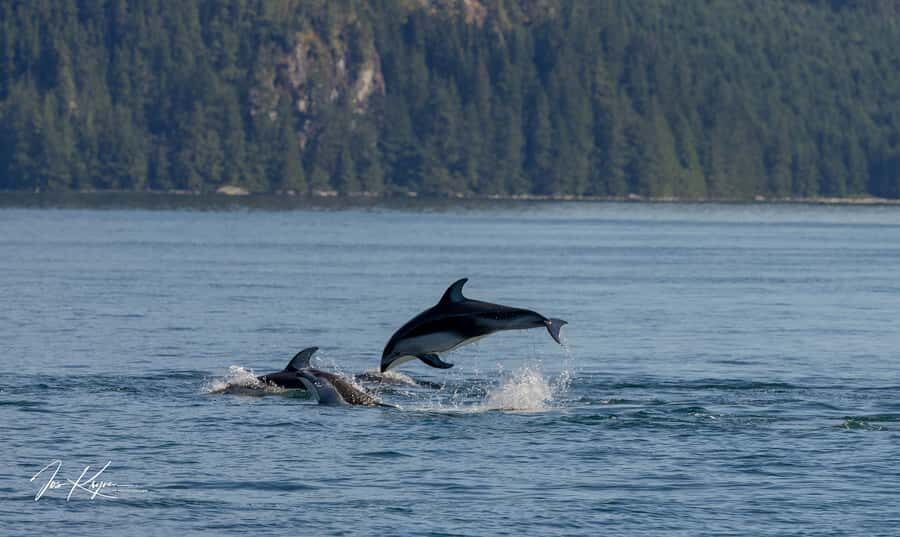
Once you’re in the wider waterway, the potential sightings broaden. You might see orcas, minke whales, Pacific white-sided dolphins, porpoises, and sea lions. You might also spot seals hauled out along the shorelines.
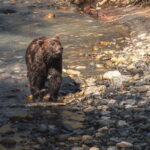
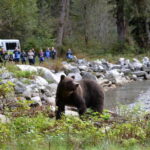
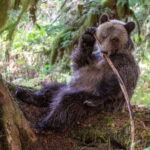
Then there’s the bear factor, which is one of the reasons people like this tour beyond classic whale watching. Your guide may look for black bears and cinnamon bears, and there’s even a chance of grizzlies. No one can guarantee that, but the route and timing put you in a reasonable position to notice them if they’re active.
I also like that the commentary is tied to what you’re seeing in real time. On some runs, the guides make quick work of the “what am I looking at” question, including pointing out how to distinguish animals and behaviors. Guides like Gibson and Josh come through in the way they explain what’s happening without turning it into a lecture.
One extra bonus you may catch: birds. In at least some departures, you can see lots of eagles in the mix. Even if your main target is marine life, that bird activity can keep the viewing great between whale moments.
Hydrophone and expert spotting: why sound matters here
The hydrophone is one of those features that makes the tour feel more like understanding the ocean rather than just watching it. You listen as the specialist guides you through what whale calls can mean in the area, and it can help connect distant sightings with behavior you might not notice from the surface alone.
Practically, this gives you something to do even when visibility is flat. If wildlife is out of immediate view, sound can still keep you engaged. It’s also a reminder that whales aren’t only found by luck; they’re part of a system, and you’re learning how to read it.
The best part is how the guide uses the info. Instead of giving you random facts, they tie the “what you’re hearing” to “where you’re looking.” That’s why the experience often feels smooth and confident rather than chaotic—groups stay chill because there’s a plan.
You can also read our reviews of more whale watching tours in Campbell River
Learning about the Discovery Passage and its island setting
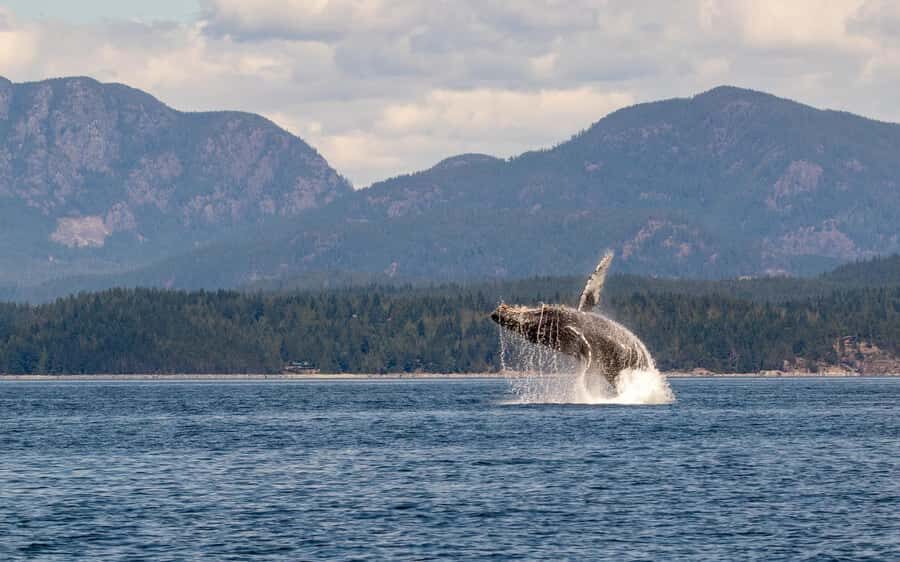
You’ll also hear about the Discovery Passage area and the islands it connects—how this channel network has shaped movement through the region. Even when you can’t picture the exact map in your head, the guide’s explanations give meaning to what you’re passing: why certain shorelines look the way they do, how the waterways channel wildlife, and how the islands fit into the bigger picture.
This is where the tour’s live education really pays off. It’s not just facts. It’s context that makes your sightings feel less random. When you know the general “why” behind the route, you spend more time noticing and less time guessing.
If you’re the kind of person who likes travel that teaches you something useful (not just a souvenir story), this part is worth paying attention to.
Devils Hole and The Drain rapids: thrill, tradeoffs, and comfort tips
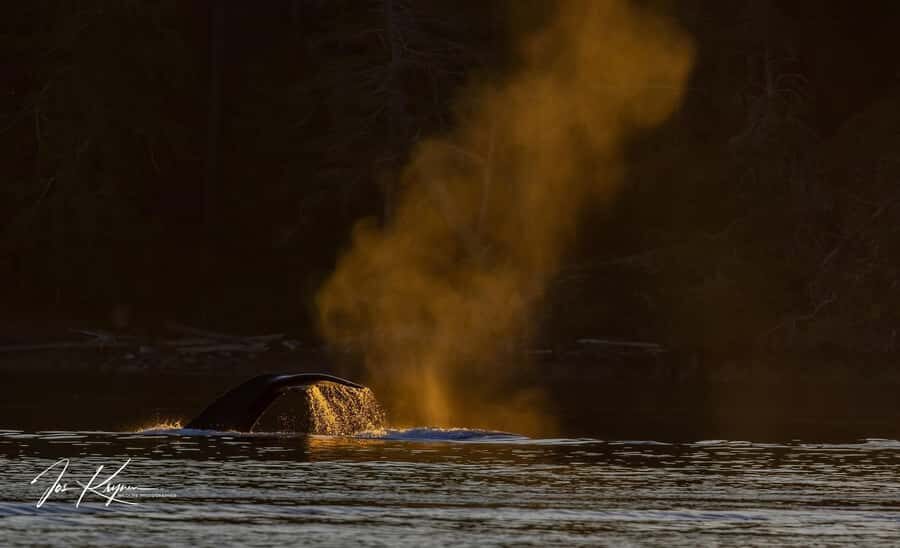
Yes, you may run serious ocean rapids. The plan includes sections like Devils Hole and Aaron Rapids, also called The Drain. Those names aren’t there for marketing color. They’re tied to the reality that this coastline can get fast and rough.
Here’s the balanced part: the ride can be bouncy when conditions line up for it. In one account, the later part of the trip got so rough that the passenger worried about their back. In another, the group didn’t go through the rapids they expected. Translation: what you experience can vary with water conditions and decisions made on the day.
So if you’re prone to motion discomfort, plan smart. Wear your survival suit correctly, keep both feet stable with closed-toe shoes, and hold onto what you’re meant to hold onto. Also, don’t treat it like a calm nature cruise. It’s wildlife watching with real coastal energy in the mix.
Weather-proof wildlife time: being covered helps, but sightings still depend
One of the big upsides is that you’re on a covered boat, so rain and spray don’t immediately turn the day into misery. And getting gloves and a survival suit means you’re not relying on your own jacket stack alone.
Still, wildlife sightings depend on conditions. On rough weather days, you may find fewer whales or any whales at all. The ocean has its own opinions about what’s easy to spot.
So I’d frame it like this: you’re buying better resilience against the elements, not a guarantee of perfect viewing. If the forecast looks wild, that covered setup helps you keep going without freezing or soaking through.
Photo odds: getting close without the chaos
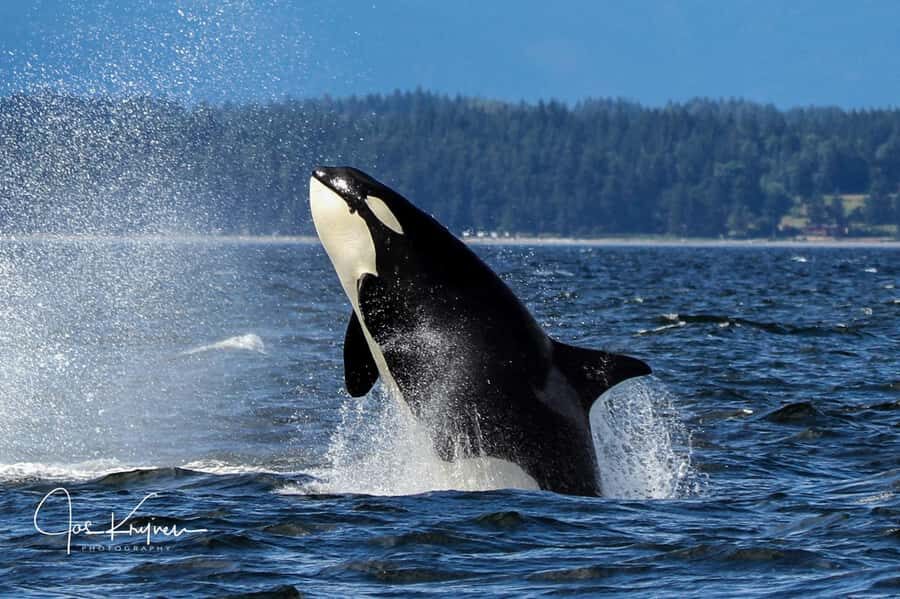
Your best photos come from two things: positioning and timing. The tour’s covered boat design helps keep you ready to react, and the guide’s spotting helps you know where to look fast.
Because the experience aims to get you close to wildlife, you’ll want to be ready with your camera or phone but also keep safe. If the guide says move or adjust, do it promptly. If you hesitate, you miss the moment—and whales don’t schedule your batteries.
Also, expect spray. Even on covered days, coastal water can get where it wants. Keep your gear protected, and keep your body posture stable when the boat changes speed, especially near rapids.
Value check: is $246 per person worth it for four hours?
At $246 per person for about 4 hours, you’re not paying for just scenery. You’re paying for guided search, a specialist who can explain what you’re seeing, and gear that reduces the weather factor: survival suits, gloves, hats, plus snacks and drinks and washrooms on board.
That combination matters. Many whale-watching options either leave you cold and wet or require you to arrive fully equipped. Here, you can show up with closed-toe shoes and get the rest handled. For a four-hour window, that’s real convenience value.
The most honest way to judge value is to ask what you care about most. If you want whales plus education plus the hydrophone feature, and you’re okay with some motion, the price starts to make sense as a complete package.
Who this tour suits best (and who might want a calmer plan)
This tour fits you well if you:
- want a real wildlife-and-education experience, not only whale spotting
- don’t mind that ocean conditions can add some bounce
- like having a specialist explain what you’re hearing and seeing (with guides like Gibson and Josh setting the tone)
- want a chance at a mixed menu: whales, dolphins, seals, sea lions, and possible bears
It might be less ideal if you:
- get motion sick easily or have concerns about rough water
- need guaranteed whale sightings in any weather
- are traveling with kids under 5, since the tour isn’t suitable for that age group
Also, you should plan to avoid bringing alcohol and drugs, since they’re not allowed.
Should you book this Campbell River whale and wildlife tour?
I’d book it if your top priorities are a covered boat, guided wildlife spotting, and time on Discovery Passage plus Johnstone Strait with hydrophone listening. The route gives you variety beyond one animal, and the gear support makes weather less of a deal-breaker.
If you’re sensitive to rough rides, go into it expecting the possibility of bouncier water near rapids like Devils Hole and The Drain, and consider asking your team about what conditions are like closer to departure. And if you’re hoping for a specific whale species, remember that ocean wildlife is never guaranteed.
One last practical note: you can cancel up to 24 hours in advance for a full refund, and you can reserve without paying immediately. That flexibility is handy in a place where the water and weather can change your day fast.
If that sounds like your kind of adventure, this is a strong choice for a memorable Campbell River day on the water.
FAQ
How long is the Campbell River whale and wildlife tour?
The tour duration is 4 hours.
Where does the tour depart from?
All tours depart from Eagle Eye Adventures Headquarters at Coast Marina, at 1003D Island Highway, Campbell River, BC.
What should I bring?
Bring closed-toe shoes. The tour also provides gloves, hats, and survival suits.
Is there a hydrophone on the tour?
Yes. The tour includes hydrophone listening.
Do I need to sign a waiver before boarding?
Yes. All guests must complete and sign a tour waiver before departure.
What wildlife might I see?
You might see whales and dolphins such as orcas, minke whales, Pacific white-sided dolphins, and porpoises, plus seals and bears (black bears, cinnamon bears, and possibly grizzly bears).
Is the tour wheelchair accessible?
Yes, the tour is listed as wheelchair accessible.