REVIEW · CAMPBELL RIVER
Campbell River: Grizzly Bear Expedition with Lunch
Book on GetYourGuide →Operated by Big Animal Encounters · Bookable on GetYourGuide
Grizzly sightings in Bute Inlet feel unreal. I love the odds of close-up grizzly bear watching around salmon runs, and I love that the whole experience is shaped by local First Nations guides who help you read the river and the forest. This is one of those wildlife days where you’re not just looking at animals, you’re learning what makes them show up where they do.
Before you go, consider the trade-off. At $586 per person, the price is steep, and you’ll spend real time outside during the land portion, so bring gear for damp, wind, or chill.
In This Review
- Key Things That Make This Grizzly Bear Day Work
- From Campbell River to Orford Bay: The Heated Ride That Sets the Tone
- Orford Bay Lunch: Fuel for the 3-Hour Bear Hunt
- The Orford River Viewing Phase: How You Actually Find Grizzlies
- Bonus Wildlife on the Way: Whales, Eagles, and That Wild Moment of Surprise
- What You’ll Likely See: Salmon, Bears, and the Real Meaning of “Natural Habitat”
- Price and Value: Is $586 Worth It for a Full Day?
- Getting Ready: What to Bring and What to Skip
- Who This Tour Fits Best (and Who Should Rethink It)
- Booking Considerations That Matter on Day-of Wildlife Time
- Should You Book the Campbell River Grizzly Bear Expedition?
- FAQ
- FAQ
- How long is the Grizzly Bear Expedition with Lunch?
- What is the group size?
- Where does the boat depart from?
- Is lunch included?
- Is the boat heated and covered?
- What wildlife might I see besides grizzly bears?
- Are drones and flash photography allowed?
- What should I bring for the day?
- Is this tour suitable for young children?
Key Things That Make This Grizzly Bear Day Work
- First Nations-led wildlife viewing that explains what the bears are doing and why
- A heated, covered boat with onboard bathroom for the Bute Inlet ride
- Raised viewing platforms plus ground viewing spots along the Orford River
- Salmon timing driving the entire action, from bears to eagles
- Big marine mammal chances on both ways: humpbacks, killer whales, and more
From Campbell River to Orford Bay: The Heated Ride That Sets the Tone
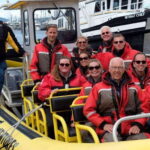
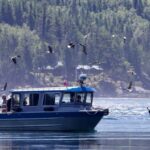
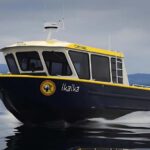
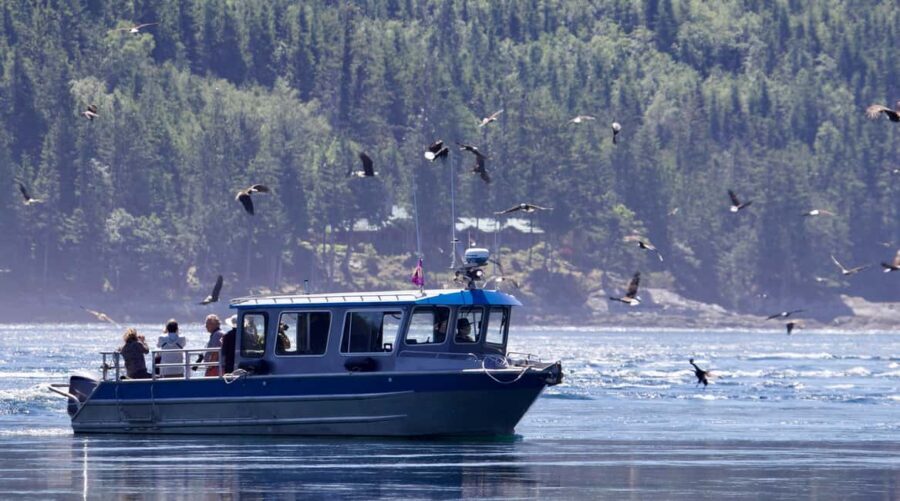
The day starts at Big Animal Encounters in Campbell River, with a short safety briefing to get everyone pointed the same direction. Then you board a comfortable, heated, covered vessel. This matters more than people expect. Even when the sky looks fine, the Pacific can feel chilly once you’re out on the water for a couple of hours.
The cruise to Orford Bay takes about 2 hours. You’re not stuck in one spot either. With the boat covered, you can still watch without getting hammered by spray, and you can focus on marine life as you go. On the water, your best wins tend to be the animals that surface on their own schedule, not yours. That’s why a warm cabin and covered seating is a quiet quality-of-life upgrade.
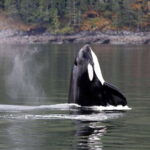
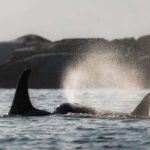
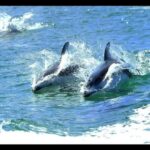
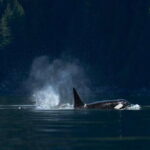
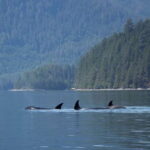
During this stretch, you may spot whales and dolphins, plus smaller wildlife along the way. The tour specifically notes chances for killer whales, humpback whales, Pacific white-sided dolphins, Dall’s porpoises, and also sea lions and seals. Even when the big animals don’t show up, you’re getting the payoff: you’re traveling into the real habitat, not just looking at it from a distance.
Tip I’d follow: wear layers you can peel off. You might feel warm on the boat, then step outside and feel the cold again on shore.
A few more Campbell River tours and experiences worth a look
Orford Bay Lunch: Fuel for the 3-Hour Bear Hunt
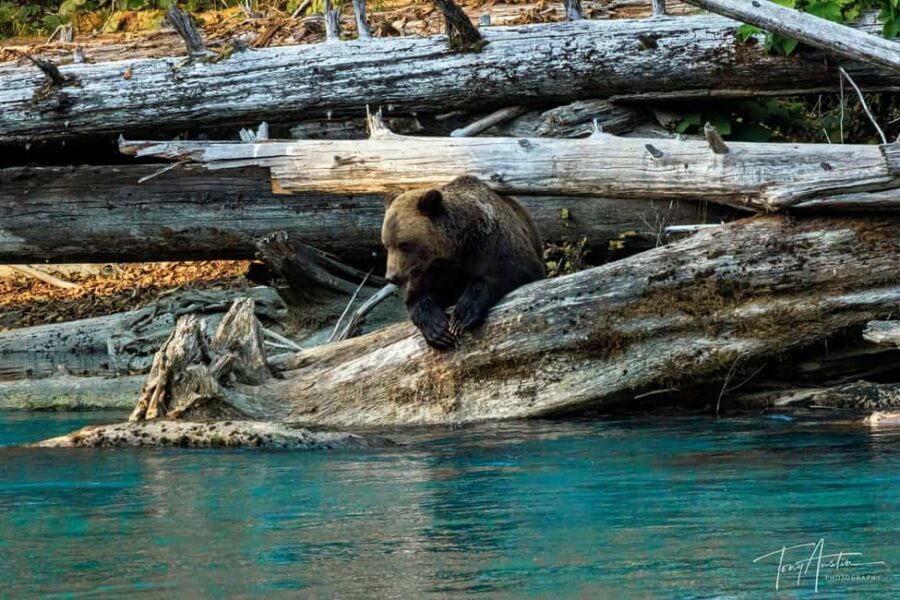
Once you reach Orford Bay, you get about an hour for lunch. It’s a proper break, and it’s part of the value: lunch is included and prepared by a local business. That means you’re not scrambling to find food after you’ve been traveling and scanning the water.
Why this stop is more important than it sounds: the best bear-watching often rewards patience. After lunch, you move into a full 3-hour stretch of walking, bus transport, and wildlife viewing. A real meal keeps your energy steady so you can focus on the next phase instead of thinking about snacks.
The day’s rhythm also helps you. You’re arriving after the water portion, then shifting to land and river viewing. That’s a smart match for how the animals use the area. Bears are tied to salmon movement. When salmon are running, the whole ecosystem turns into a busy neighborhood: bears, birds, and other mammals showing up to take advantage.
If you’re the type who gets stomach-sensitive on boats, you’re in good shape here because the tour builds in a meal. Just don’t forget your basics. Bring sunscreen and a hat, because the glare can hit fast once you’re off the water.
The Orford River Viewing Phase: How You Actually Find Grizzlies
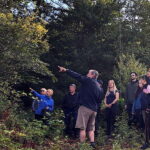
This is the core of the experience: around 3 hours spent in Orford Bay along the Orford River area, using both bus transport and viewing platforms. The tour brings you up the river by bus to multiple raised wildlife viewing platforms and ground viewing locations.
This layout is practical. Bears are powerful, but they’re also wild and unpredictable. Raised platforms help you scan bigger areas safely and with less disturbance. Ground viewing spots help when animals come closer to the riverside edge. The mix increases your odds because you’re adapting to animal movement rather than guessing from one fixed viewpoint.
Local First Nations guides play a big role here. They don’t just point. They help you understand what you’re seeing and what the animals are likely doing next. In areas like this, knowing animal behavior is the difference between seeing a bear and understanding what’s happening around the bear.
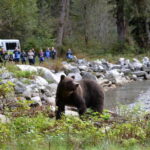
The tour targets grizzlies feeding in the salmon-rich environment. You’re in the place where salmon spawn and then feed becomes the main story. As salmon show up, bears move through the forest and along the river to take advantage.
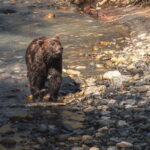
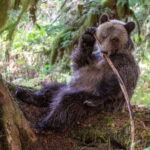
In the best moments, you’re not just looking at one bear. You might see a mother with cubs fishing in the river, another mother and a cub, and sometimes a family resting in the trees. The tour’s focus is clearly on these natural family dynamics, not staged encounters.
You can also see other wildlife during this land portion. The tour notes Roosevelt elk and bald eagles as possibilities. With salmon running, birds often become your early warning system. If eagles start working a particular stretch, it usually means food and activity are nearby.
One consideration: bear viewing can mean waiting. And because this is wildlife, you can’t control how long an animal stays in view. Your best move is simple: keep your eyes moving, stay patient, and follow your guide’s cues.
Bonus Wildlife on the Way: Whales, Eagles, and That Wild Moment of Surprise
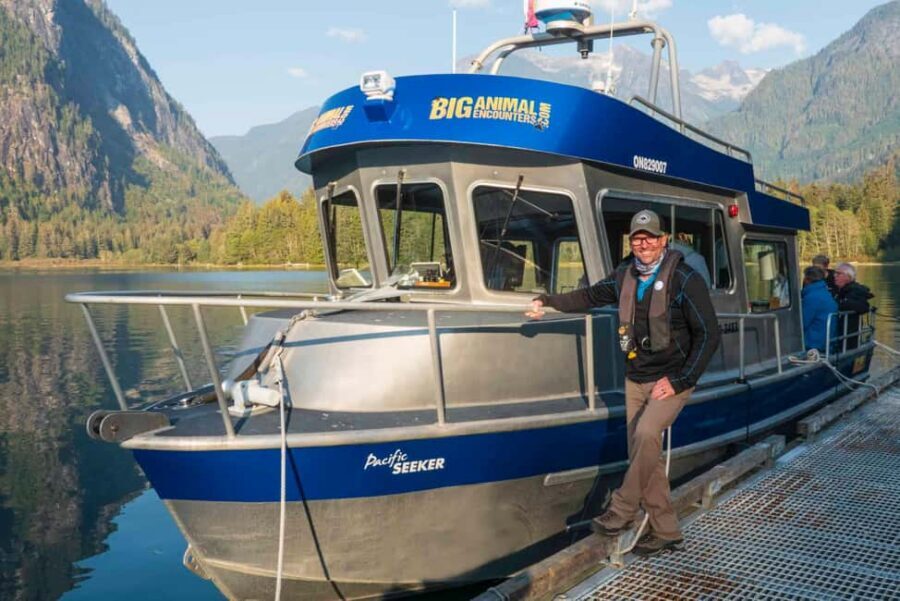
Part of what makes this tour feel special is the wildlife stacking. It’s not only grizzlies on land. During both the outward and return water rides, you may see a range of marine life.
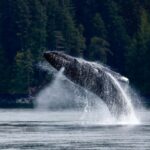
On the way out and back, the tour specifically lists killer whales, humpback whales, Pacific white-sided dolphins, Dall’s porpoises, black bears, seals, and sea lions. And that’s on top of the land wildlife you’re hunting after lunch.
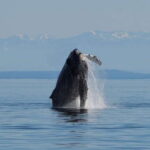
The marine portion can deliver the memorable kind of moment that stays with you for years: a whale surfacing at the horizon while you’re still trying to process everything else on the river. On at least some outings, you can even get sightings like a gray whale, which shows up as a reminder that the Pacific can be generous when timing lines up.
And don’t ignore the birds. The day’s land-focused viewing also creates chances to spot bald eagles and even golden eagles in some conditions. It’s not guaranteed, but when birds are active, it often means something’s happening in the area.
Practical note for your eyes: watch the water edges as much as the open water. Many marine animals show up closer than you expect, then disappear fast.
What You’ll Likely See: Salmon, Bears, and the Real Meaning of “Natural Habitat”
This tour sells a straightforward promise: grizzlies in the wild. But here’s the deeper value you should look for: understanding the relationship between food and behavior.
The Orford River salmon runs create the setup. When salmon spawn and become available, bears enter the scene from the surrounding forest. They don’t show up because someone promised them a viewing tower. They show up because the ecosystem is feeding them.
That’s why the guides’ role matters. Knowing how salmon behavior pulls wildlife changes your viewing. When you see disturbance in the water, you’ll know what it might signal. When you see bears moving through forest edges, you’ll understand why they’re following pathways to reach the river.
If you’re lucky, you’ll see a mother with cubs actively fishing. Or you might see a family resting after feeding. Those are not just cute moments. They’re evidence of how the area supports family life when food is consistent.
And just so you’re clear about expectations: you’re watching animals behave like animals. That means sometimes you’ll see clear action, and sometimes you’ll see less. You’re paying for access, guidance, and a high-probability habitat, not for a guarantee of a specific bear doing a specific trick.
Price and Value: Is $586 Worth It for a Full Day?
At $586 per person, this is a premium wildlife outing. There are two ways to judge the value: what you get, and what you avoid.
What you get:
- A heated, covered boat ride (2 hours each way) into Bute Inlet
- Local Indigenous guides who focus on interpretation and safe viewing
- A 3-hour land-and-river viewing experience with bus transport and raised platforms
- Lunch included, made by a local business
- Small group size, capped at 12 people
What you avoid:
- Crowds that overwhelm sightlines
- The hassle of finding the right viewing area on your own
- Sitting in a cold, uncovered boat for hours while you wait for wildlife luck
For the kind of habitat this trip targets, access and guidance are a major part of the cost. You’re also spending a full day in a real wildlife zone, not half a day of short stops.
Is it expensive? Yes. But if grizzly viewing in the wild is a top priority for your trip to Vancouver Island, this price is less about comfort and more about maximizing your odds with the right people and the right setup.
If you’re debating: consider what you’d pay for a similar guided day once you add transportation, meals, and the cost of trying to do the same route independently.
Getting Ready: What to Bring and What to Skip
This tour gives you a list for a reason. You’ll be outdoors and moving between water and land, and you’ll want to protect your comfort so you can focus on the wildlife.
Bring:
- Sunglasses (glare off the water is real)
- Hat
- Camera
- Snacks (helpful if you want something between lunch and later)
- Sunscreen
Not allowed:
- Smoking
- Drones
- Flash photography
- Alcohol and drugs
- Feeding animals
- Alcoholic drinks in the vehicle
- Strong fragrances
That last one is easy to overlook. But it matters for wildlife and for people riding close together.
My camera advice: keep your settings ready before animals surface or step into view. A fast adjustment beats fumbling in the moment.
Who This Tour Fits Best (and Who Should Rethink It)
This trip is designed for adults and older kids. It’s not suitable for children under 8 years, which tells you the pace and the outdoor time are built with that age group in mind.
It’s a great fit if:
- You want grizzly bears in a natural, salmon-driven setting
- You value Indigenous-guided interpretation, not just animal spotting
- You’re comfortable spending hours outside during the land portion
- You want a small group experience (12 people max)
It may be less ideal if:
- You’re sensitive to cold or wind and don’t like being outdoors
- You expect guaranteed grizzly sightings at a specific moment
- You’re traveling with a child under 8
Also, because there’s a bus component up the Orford River and multiple viewing locations, this is better for travelers who are steady on their feet and okay with some walking and waiting.
Booking Considerations That Matter on Day-of Wildlife Time
You’re dealing with wildlife, weather, and timing. That means the best way to “win” is to show up prepared and flexible.
- Dress in layers, even if the morning looks mild.
- Pack your hat and sunscreen early. It’s the type of day where you’ll look up at the hills and forget your skin exists.
- Bring snacks, even though lunch is included. You might want something for the late part of the day.
- Expect the day to follow a rhythm: boat out, lunch, land viewing, then whale watching again on the way back.
If rain happens, it doesn’t automatically ruin the day. The Pacific can be wet and still deliver the goods, because bears and whales don’t follow our weather preferences.
Should You Book the Campbell River Grizzly Bear Expedition?
If you’re coming to Vancouver Island with grizzlies as a must-see, I think this is a smart booking. The combination of a heated boat ride, small group size, and Indigenous-led guidance gives you a better chance to see what matters and understand it while you’re there.
But if you’re budget-driven, there are cheaper wildlife experiences out there. And if you’re expecting a casual stroll with guaranteed sightings, adjust your mindset. This is wildlife watching with real odds, not a zoo.
FAQ
FAQ
How long is the Grizzly Bear Expedition with Lunch?
The tour runs for 8 hours.
What is the group size?
It’s limited to 12 participants.
Where does the boat depart from?
The boat departs from the Campbell River Marine Adventure Centre.
Is lunch included?
Yes. Lunch is included and is made by a local business.
Is the boat heated and covered?
Yes. The vessel is heated, covered, and includes a bathroom onboard.
What wildlife might I see besides grizzly bears?
You may also see killer whales, humpback whales, Pacific dolphins, Dall’s porpoises, black bears, seals, sea lions, Roosevelt elk, and bald eagles, depending on conditions.
Are drones and flash photography allowed?
No. Drones are not allowed, and flash photography is also not allowed.
What should I bring for the day?
Bring sunglasses, a hat, a camera, snacks, and sunscreen.
Is this tour suitable for young children?
No. It’s not suitable for children under 8 years.