REVIEW · CAMPBELL RIVER
Campbell River: Whale Watching and Wildlife Viewing Day Tour
Book on GetYourGuide →Operated by Campbell River Whale Watching · Bookable on GetYourGuide
Cold spray, big wildlife, and a day that flies by. This Campbell River tour is built for serious sighting time in the Salish Sea, Discovery Passage, and Johnstone Strait, with a certified naturalist guide plus the captain helping you read the water like a local. I love that the crew doesn’t just point and hope, they explain what you’re seeing, and I love the practical comfort details like onboard washrooms (yes, even on the Zodiac). The one drawback to plan for: if weather turns rough, this kind of ocean day can mean route changes or even cancellation.
You’ll also get real choices in how you ride. Go for a covered vessel when you want shelter and indoor seating, or choose the Zodiac style if you want maximum wind, spray, and that open-coast feeling. Either way, the goal is the same: maximize time looking for orcas, then stack the odds for humpbacks, dolphins, bears, sea lions, and more.
In This Review
- Key Highlights You’ll Actually Care About
- A Real 8-Hour Wildlife Day, Not a Quick Tour Loop
- Covered Vessel vs Zodiac Style: Pick Your Comfort Level
- The Water Route: Salish Sea, Discovery Passage, Johnstone Strait
- What You’ll Look For: Orcas, Then the Whole Food Chain
- How the Naturalist Guide Makes the Day Worth It
- The Onboard Comfort Details That Save Your Day
- Lunch Stop and Wildlife Moments Beyond Orcas
- What to Bring (So You Don’t Spend the Day Freezing)
- Photos and Wildlife Viewing Tips That Actually Work
- Price and Value: Is $291 Worth It?
- Who Should Book This Whale Watching and Wildlife Day?
- Quick Reality Check on Weather
- Should You Book This Campbell River Day Tour?
- FAQ
- How long is the Campbell River whale watching day tour?
- Where does the tour operate?
- What wildlife can you expect to see?
- What food is included during the day?
- Do you have a choice of boat types?
- Are washrooms available during the tour?
- What should I bring for the outing?
- Are drones allowed on this tour?
- What is the cancellation policy?
Key Highlights You’ll Actually Care About
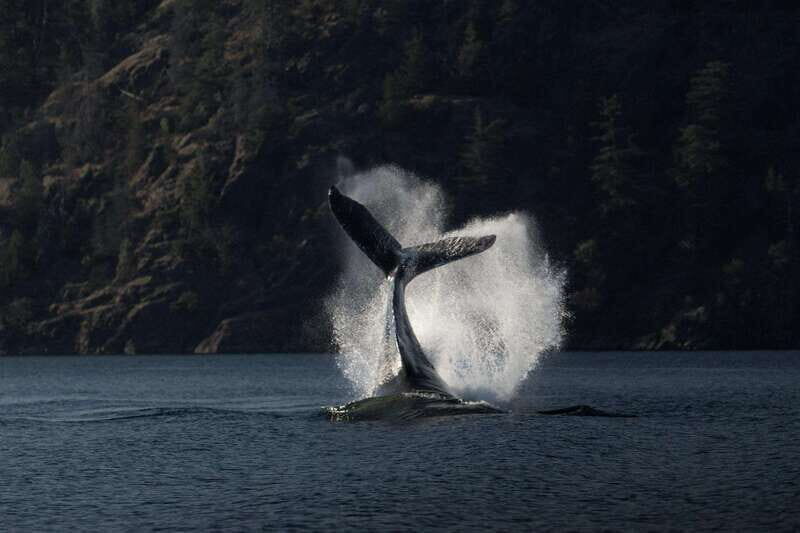
- Orca-first scheduling with an extended 8-hour day so you’re not rushing past wildlife windows
- Two vessel options: covered boat for comfort, Zodiac style for open-air viewing
- Nature interpretation from a certified naturalist guide and captain that helps you understand behavior
- Onboard washrooms, even on the Zodiac—rare and genuinely useful on a long outing
- Lunch plus hot and cold drinks included during the day’s wildlife hunting
A Real 8-Hour Wildlife Day, Not a Quick Tour Loop
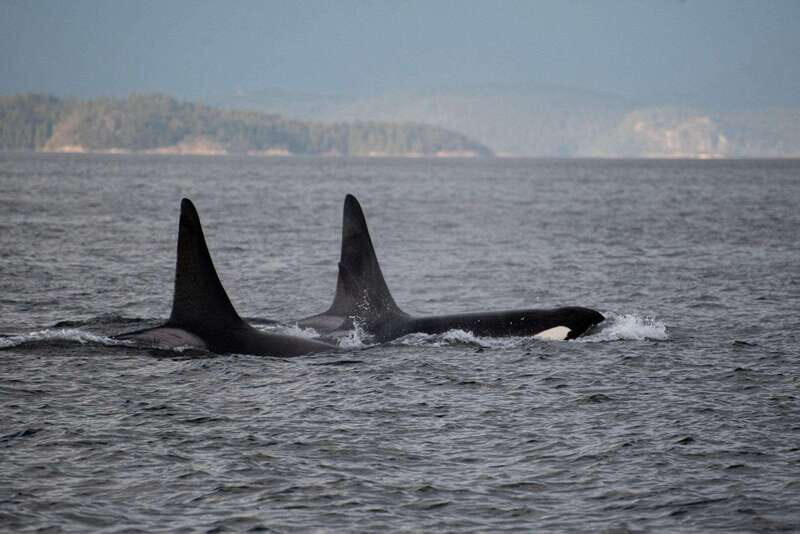
This is the kind of day trip that makes sense if you’re the type who wants more than one or two quick sightings. The route is designed around the waters where whales and other wildlife show up, and the long time on the water gives the crew space to keep searching when conditions shift. You’re not just buying a ticket—you’re buying hours with staff who know how to work the day.
What I like most is the intent behind the schedule. The tour is explicitly orca-focused, and the extra time lets you actually stay with wildlife when the action happens. That means if you get orcas, you’re more likely to see the “story” unfold—how they move, feed, and interact—rather than watching a short pass and immediately turning back out.
One more thing: this isn’t marketed as a “touch everything” experience. It’s built around observation and interpretation. That’s a good thing. You can spend your energy watching instead of chasing, and the guide’s job becomes translating what the animals are doing.
You can also read our reviews of more whale watching tours in Campbell River
Covered Vessel vs Zodiac Style: Pick Your Comfort Level
You have two different ways to experience the water, and your choice will shape how the day feels.
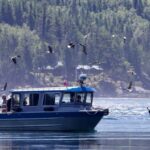
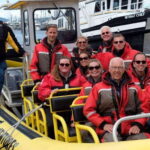
If you book the covered vessel, you get indoor seating plus space outside for viewing. That’s a smart pick if you’re traveling with family, want protection from spray, or simply get cold faster than average. It also tends to make the day easier if you want to keep your camera gear organized and you’d rather not deal with constant wind.
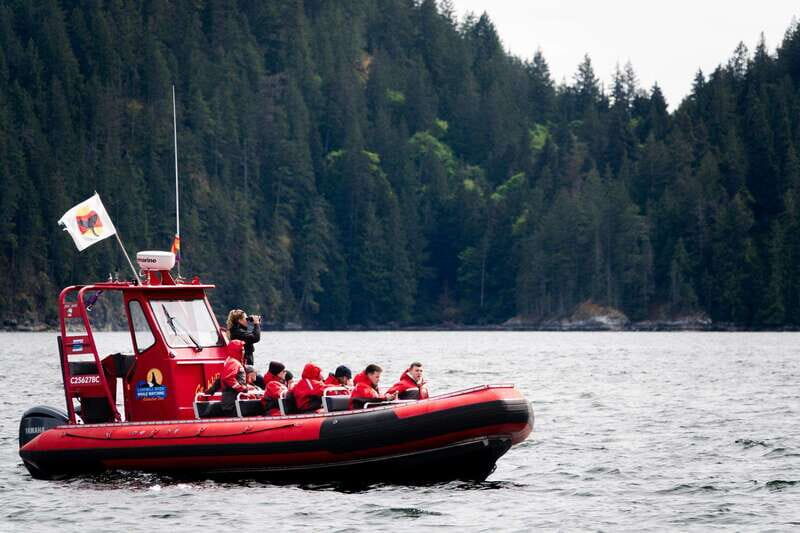
If you choose the Zodiac style, you’re signing up for open-air West Coast energy. You’ll feel the wind more, and you’ll likely get the best “I’m on the water” sensation. The tradeoff is simple: you’ll want warm layers and a hat, because sea spray and breeze can get chilly quickly even when the air feels warm.
Either way, comfort isn’t an afterthought. The standout practical detail is onboard washrooms, and multiple guides emphasize that this holds even on the Zodiac. That matters more than it sounds when you’re out for a full day.
The Water Route: Salish Sea, Discovery Passage, Johnstone Strait
The tour spans a few key areas: the Salish Sea, Discovery Passage, and Johnstone Strait. You don’t need to memorize the geography to benefit from it. What matters is that these waters are part of the system where marine life concentrates, so the crew can focus their search rather than “wandering” without a plan.
With whale watching, timing and location are everything. An orca sighting might be brief, or it might last long enough to circle back and compare behavior. The extended day gives the team room to stay flexible when the water changes. In practical terms, that means more chance you’ll get repeat looks, and not just one lucky moment.
Also, you should expect a “working day” feel. This is wildlife viewing, not a lazy cruise. You’ll move with purpose, and the guide and captain will be scanning constantly. It’s a big part of why you can feel confident that the time is being used well.
What You’ll Look For: Orcas, Then the Whole Food Chain
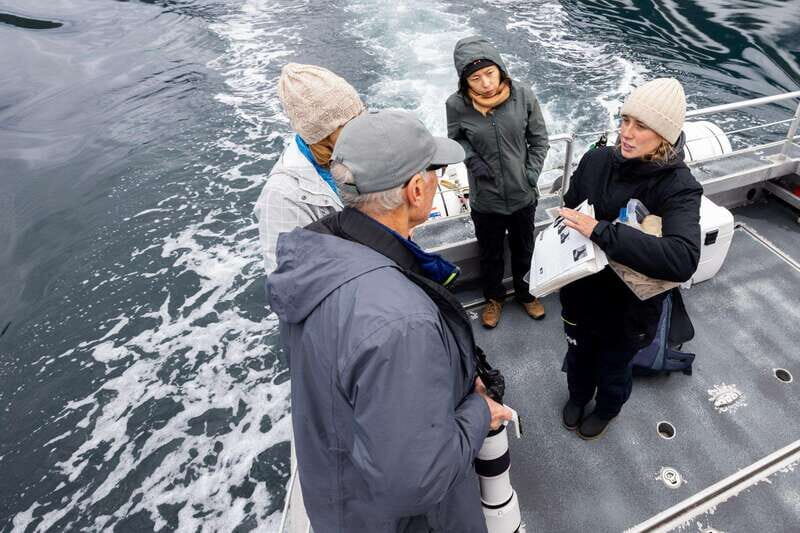
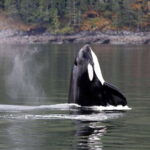
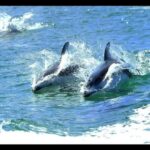
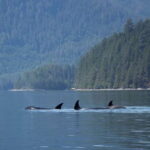
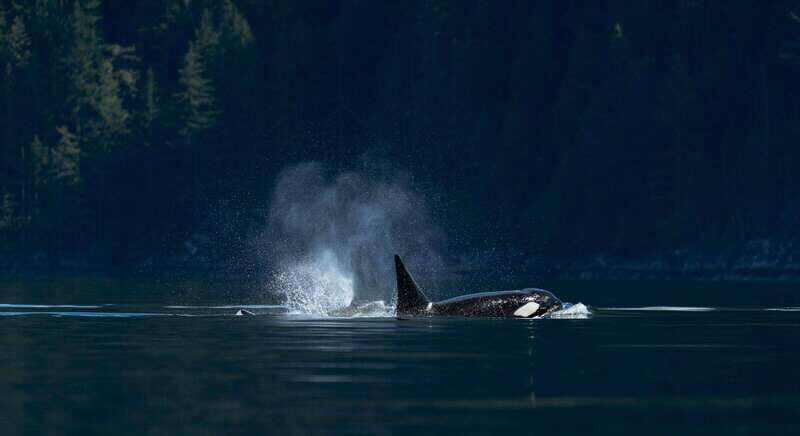
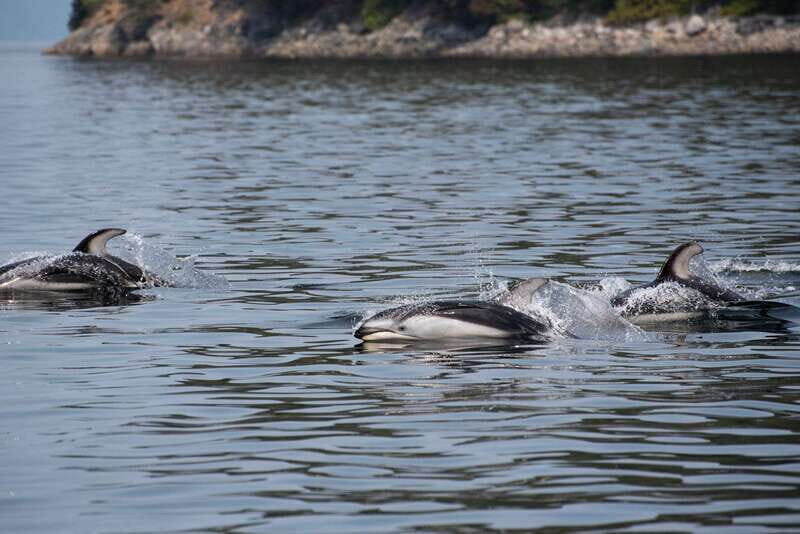
The big headline is orcas. The tour is designed with the idea that you’ll spend quality time aiming for them. But the day isn’t only about one species. You’re likely to see a mix, often including humpback whales, Pacific white-sided dolphins, and other wildlife that shows up around the same productive waters.
And here’s where the interpretation really pays off. When the guide helps you connect the dots—what you’re seeing and what it likely means—you start to notice patterns. For example, you can understand why a group of seabirds might be relevant, why marine mammals may show up close to each other, or why the captain might change course quickly.
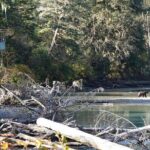
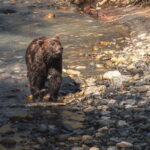
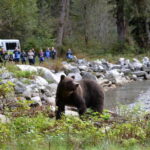
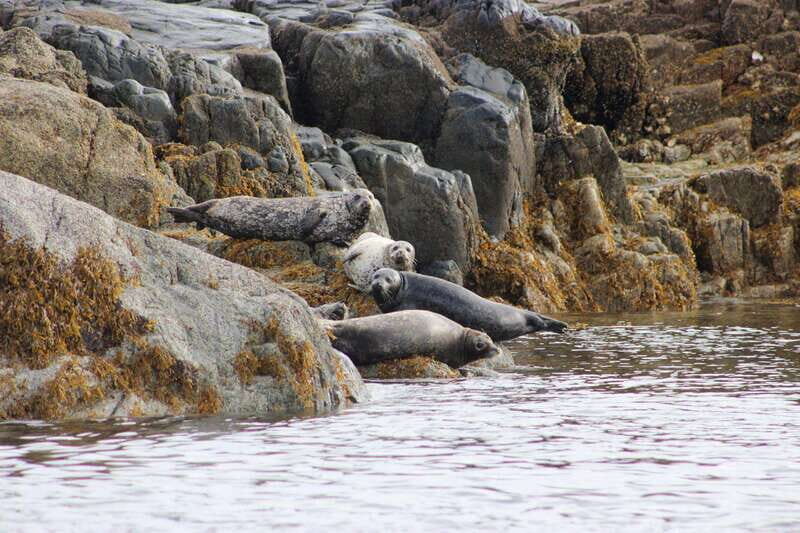
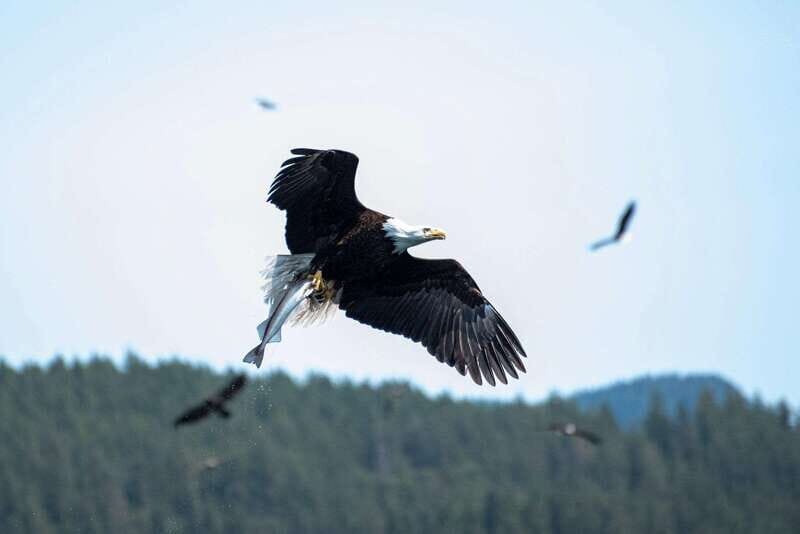
Based on the sightings people talk about most, you may also run into land and nearshore wildlife like bears, plus sea lions and harbour seals. Eagles and smaller birds can also appear, and one highlight that stands out in these kinds of days is wildlife beyond the whales. That’s part of why an 8-hour trip is better than a short outing—you get more chances for the “extras.”
How the Naturalist Guide Makes the Day Worth It
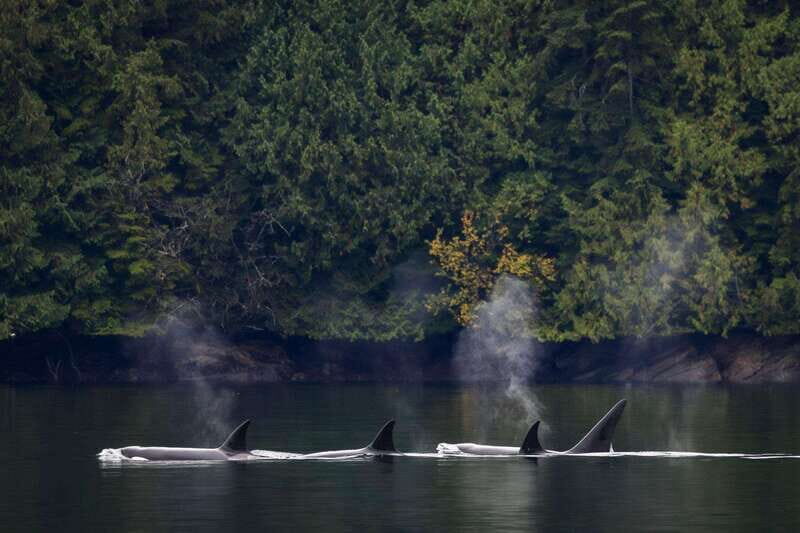
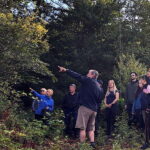
This is where the tour earns its reputation. The day includes nature interpretation from a certified Naturalist Guide and the captain. Their job isn’t just to identify animals; it’s to help you understand what you’re watching—so the sighting sticks in your mind after you’re back on land.
From the way guides are described, the best ones are patient and tuned in to what the group wants. You’ll hear clear explanations about behavior and movement, and they’re set up to answer questions instead of just doing a lecture and moving on. That kind of communication turns a “we saw whales” day into a “now I understand why this happened” day.
You may hear guide names like Becks, Brad, Jerek, Jerke, or Garek associated with this experience. The important part isn’t the name—it’s the pattern behind it: safe operation, enthusiasm, and practical knowledge that helps you spot details you’d otherwise miss.
A few more Campbell River tours and experiences worth a look
The Onboard Comfort Details That Save Your Day
A long day on the water sounds romantic until your body asks questions. This tour tries to solve those discomfort issues upfront.
First, there’s lunch and coffee/hot chocolate/tea included. That means you don’t have to gamble on finding food later or manage your day around snack breaks. You can stay focused on wildlife instead of doing a mental budget for meals.
Second, there are onboard washrooms, and people specifically call out that it works even on the Zodiac. That’s a big deal if you’re on medication, traveling with kids who don’t love delays, or you just want to keep your energy up.
Third, if you ride the Zodiac, you get a floatation suit. That’s the kind of gear that quietly improves everything—warmth, safety, and confidence. One of the most practical tips you’ll get is to treat clothing as part of your sighting kit, not an afterthought.
Lunch Stop and Wildlife Moments Beyond Orcas
You’ll stop for lunch during the day, and it’s not just a sandwich thrown at you. People mention a very nice lunch at a beautiful little place, with hot and cold drinks included. That’s a real reset point in an 8-hour itinerary.
This is also where you might get a secondary highlight that isn’t whales—like a small bird feeding moment. In at least one memorable day, a hummingbird feeding experience became a standout. It’s the kind of reminder that this area isn’t just “whales only.” You’re in a living coastal ecosystem, and smaller wildlife can steal the show for a few minutes.
Just remember: these moments depend on what’s happening that day. Treat lunch as both a meal and a pause button, not a guaranteed performance.
What to Bring (So You Don’t Spend the Day Freezing)
Bring the basics, then bring warmth. Even when the weather feels decent, water spray and wind can cool you fast.
From the practical guidance shared for this tour, here are the essentials:
- Warm clothing and layers you can adjust
- Camera (and closed-toe shoes so you can move comfortably on board)
- Sunscreen and an extra layer or sweater
- Sturdy walking shoes or runners
One highly useful tip: pack something you can protect your head and ears with. A warm hat helps because sea spray and breeze can make your ears feel cold even if temperatures are high. If you’re wearing the floatation suit hood on the Zodiac, keep in mind it can also help you avoid wind slapping your head around.
Also: binoculars are not required, but cameras do matter—whales don’t pose on your schedule. If you have binoculars, you’ll likely enjoy scanning when the crew calls out activity.
Photos and Wildlife Viewing Tips That Actually Work
The biggest “make it better” factor for photos is being ready before the moment happens. With whale watching, the best scenes often arrive quickly—then you need to track movement, not just frame a still object.
A few sensible habits:
- Use layers so you can stay outside longer and keep your hands steady.
- Don’t wait until you see whales to start filming or shooting; check settings and stabilize your grip.
- When the guide calls something out, shift your attention fast, then slow down. Let your eyes adjust.
If you’re traveling with family, the covered vessel often makes it easier to coordinate who’s watching where. On the Zodiac, you’ll probably feel more movement and wind, so be extra careful with gear.
And one non-negotiable: drones are not allowed. You’ll want to keep your focus on the crew’s viewing rules and enjoy the wildlife without extra equipment.
Price and Value: Is $291 Worth It?
At $291 per person for an 8-hour day, you’re paying for time and for expertise. Short tours can feel like a hit-or-miss gamble. This one is structured to reduce that feeling by staying out longer and aiming specifically for orcas.
Here’s where the value shows up:
- Naturalist interpretation plus the captain’s onboard scanning means you’re not just watching—you’re learning.
- Lunch and hot/cold drinks included reduces “hidden costs” and makes the day more comfortable.
- Onboard washrooms are a genuine value add on a full-day format.
- The extended time improves the odds of quality sightings, not just quick flashes.
The main reason someone might feel it’s expensive is the same reason others call it worth it: you’re buying an all-day experience with a real operational plan. If you want a quick half-day, you may feel you’re paying for extra hours you won’t use. If you want maximum time on the water with expert help, the price starts to look fair.
Who Should Book This Whale Watching and Wildlife Day?
This tour fits best if you:
- Want an 8-hour wildlife day rather than a short outing
- Care about understanding what you’re seeing, not only seeing it
- Enjoy open-water viewing and can dress for cold spray
- Travel as a mixed group (adults, pairs, families), especially if you choose the covered vessel
It’s not suitable for children under 4 years, based on the tour’s stated limit. If you’re traveling with very young kids, you’ll want to plan around their comfort with wind, sitting time, and safety gear.
If you’re hoping for a relaxed cruise vibe with minimal scanning and minimal movement, this might feel too “active.” This is wildlife searching with a purpose.
Quick Reality Check on Weather
This is the ocean. The tour notes it may cancel in adverse weather or with insufficient bookings. That’s not a flaw—it’s how responsible marine wildlife operations work. The best way to get value is to book with flexibility (the tour offers free cancellation up to 24 hours in advance and reserve now pay later).
Think of it as: you’re buying the chance to see wildlife in the Salish Sea system, and nature sets the rules.
Should You Book This Campbell River Day Tour?
If you’re deciding between a quick whale outing and a full-day format, I’d lean this way for most people. The combination of orca-focused time, naturalist-level interpretation, and the practical comfort items like washrooms and lunch makes the day feel structured instead of chaotic.
I’d book it if you want more than a one-sighting story, and you’re comfortable dressing for wind and sea spray. I’d skip it if you’re set on a very casual, slow-paced outing, or if your group can’t handle long periods on the water.
If you do book, do one thing that pays off immediately: pack warm layers and a hat. Then let the captain and naturalist do what they’re trained to do—find the wildlife, explain it, and keep you safe while you watch the coast do its thing.
FAQ
How long is the Campbell River whale watching day tour?
It runs for 8 hours.
Where does the tour operate?
The tour explores the Salish Sea, Discovery Passage, and Johnstone Strait.
What wildlife can you expect to see?
The tour is focused on finding Orca and also aims for sightings such as humpback whales, Pacific white-sided dolphins, bears, sea lions, and more.
What food is included during the day?
Lunch is included, along with coffee/hot chocolate/tea.
Do you have a choice of boat types?
Yes. You can choose a covered vessel with indoor seating and outdoor viewing space, or a Zodiac-style vessel for more open-air viewing.
Are washrooms available during the tour?
Yes. Washrooms are available onboard, including even on the Zodiac.
What should I bring for the outing?
You should bring warm clothing, a camera, and closed-toe shoes. Sunscreen can also be helpful.
Are drones allowed on this tour?
No, drones are not allowed.
What is the cancellation policy?
Free cancellation is available up to 24 hours in advance for a full refund.