REVIEW · CAMPBELL RIVER
Campbell River: Grizzly Bear-Watching Tour with Lunch
Book on GetYourGuide →Operated by Homalco Wildlife and Cultural Tours · Bookable on GetYourGuide
Grizzlies on the edge of the Great Bear Rainforest. This full-day tour from Campbell River takes you through the Salish Sea toward Bute Inlet, then into Homalco territory for a land-based bear search around Orford Bay and the Orford River/Algard Creek systems. I especially love the way the Homalco guides weave wildlife behavior with local culture, so it feels more grounded than a standard animal-spotting trip.
The biggest downside to plan around: you’re looking at about 3 hours on land for bears, while the rest of the day includes boat time and travel, so bear-time isn’t the entire schedule.
In This Review
- Key things I’d pencil into your trip plan
- From Campbell River to Bute Inlet: the Salish Sea boat leg
- Entering Homalco territory: how the Orford Bay land portion works
- Bear-watching odds: salmon runs, Algard Creek, and the Orford River
- Dockside lunch in Orford Bay: food with a view
- Respectful wildlife viewing: how to get great photos without crossing lines
- What guides actually add: local culture, real names, and plain answers
- Price and value: is $460 worth it for a full-day bear tour?
- Who this tour suits best (and who should skip it)
- Should you book this grizzly bear tour with lunch?
- FAQ
- How long is the tour?
- Where do I meet the tour?
- Is lunch included?
- Are grizzly bear sightings guaranteed?
- What time of year is best for grizzly viewing here?
- What should I bring?
- Are drones or tripods allowed?
- Do you offer hotel pickup and drop-off?
Key things I’d pencil into your trip plan
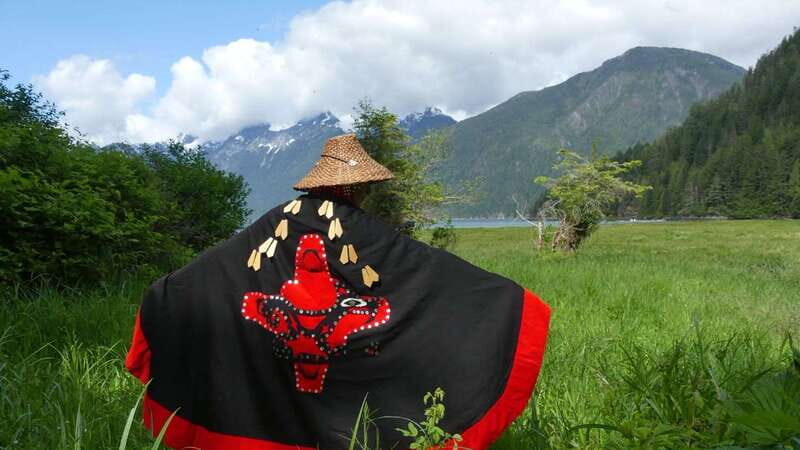
- Homalco First Nations guidance connects grizzly behavior, salmon runs, and local territory in plain language.
- Raised viewing platforms and planned bus transfers help you watch comfortably without pushing into the animals’ space.
- Orford Bay dockside lunch puts food with an estuary view, not a cramped indoor stop.
- Salmon-season bear patterns change by month, so your odds depend on when you go (August through October is the key window).
- Small-group feel keeps questions possible and helps you follow the safety rhythm.
From Campbell River to Bute Inlet: the Salish Sea boat leg
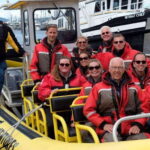
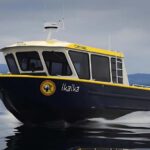
Your day starts in Campbell River, meeting at the Homalco Wildlife & Cultural Tours office at the Coast Marina. From there, you head out toward Bute Inlet via the Salish Sea, and this portion matters because it sets expectations: wildlife viewing here isn’t just “bears or nothing,” it’s a layered day.
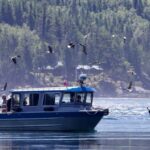
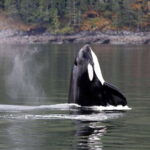
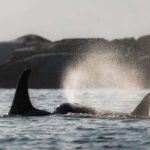
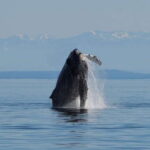
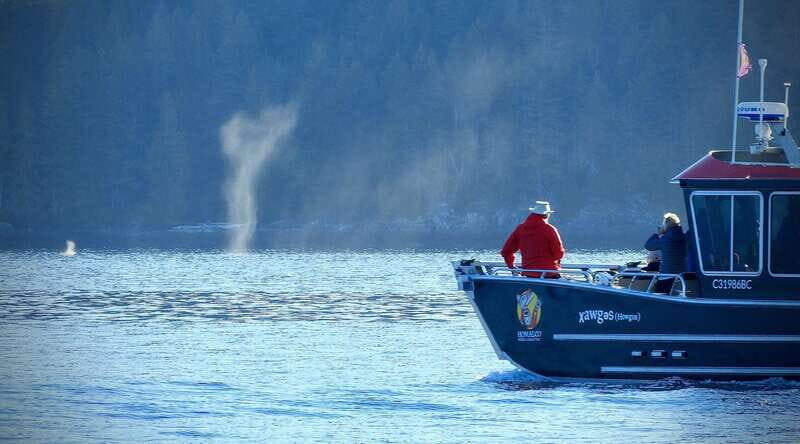
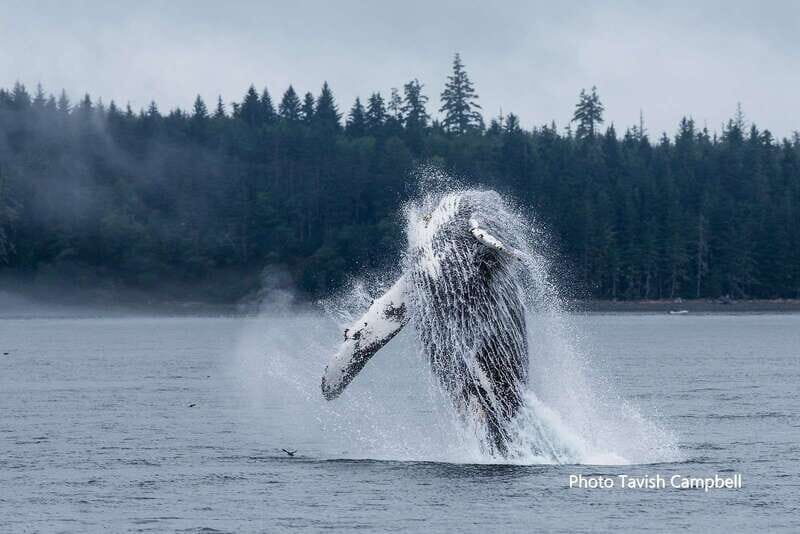
On the water, you may spot marine life along the route. The boat crew includes a captain and naturalist team (names you might hear include Holly and Debra), and they’re set up for questions and on-the-spot identification. Some departures have included sightings like humpback whales and orcas, plus sea lions along the way—so even if bear counts vary on land, you’re still busy with your eyes.
Practical tip: bring the stuff that makes a boat day easy. Warm layers, rain gear, and binoculars make a big difference because coastal weather shifts fast. Also remember the rules: drones and tripods aren’t allowed, so plan on handheld framing and steady spotting instead.
A few more Campbell River tours and experiences worth a look
Entering Homalco territory: how the Orford Bay land portion works
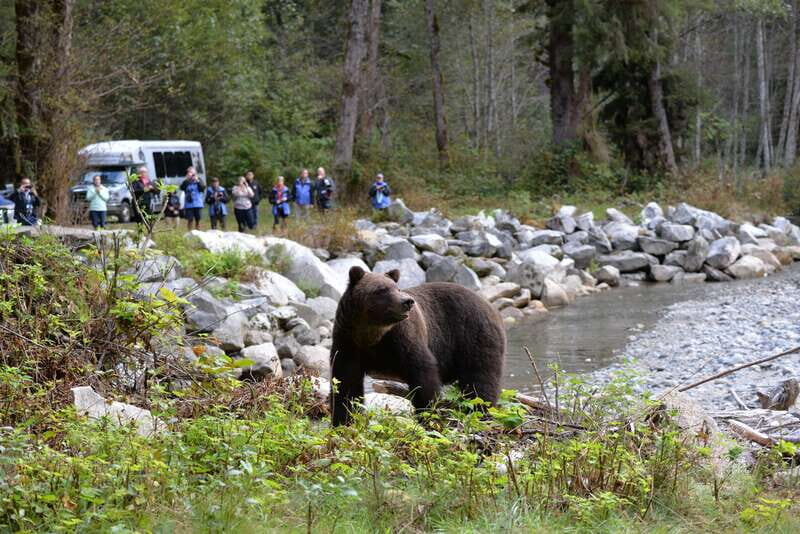
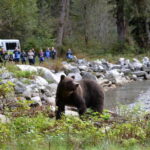
Once you reach Orford Bay, the tour shifts into a land experience focused on grizzlies. Indigenous guides transport you by bus to different viewing areas—some from raised platforms, others from prime ground spots—based on where bears are actively feeding. That approach is important because it keeps you in safe, respectful positions while maximizing the time you spend actually looking.
The core goal is to see χawgəs (grizzly bears) moving through salmon-feasting terrain during a special seasonal window. Guides share what to look for, how salmon movement affects bear routes, and how Homalco people relate to the land. If you like your wildlife tours with context (instead of a constant scramble to “find the animal”), this is one of the strongest parts of the day.
Timing-wise, expect roughly a 3-hour land segment for the bear search. In real life, that time gets used efficiently: you’ll move between areas when activity changes, then pause to scan from the best angles available. It’s not a hike-and-hope setup. It’s more controlled, which is good for comfort and safety—just know you won’t always spend long uninterrupted stretches staring at one hillside.
Toilets are available on the vessels, which helps if you’re sensitive to timing on a long day.
Bear-watching odds: salmon runs, Algard Creek, and the Orford River
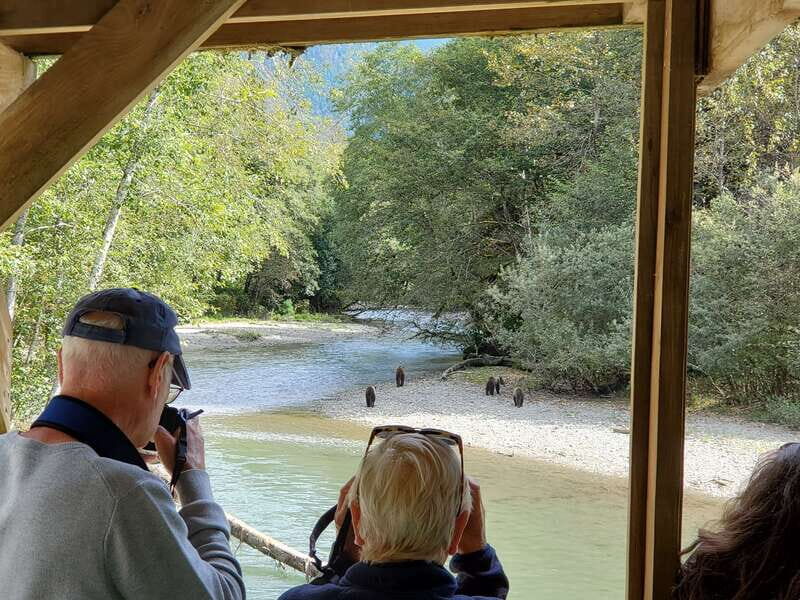
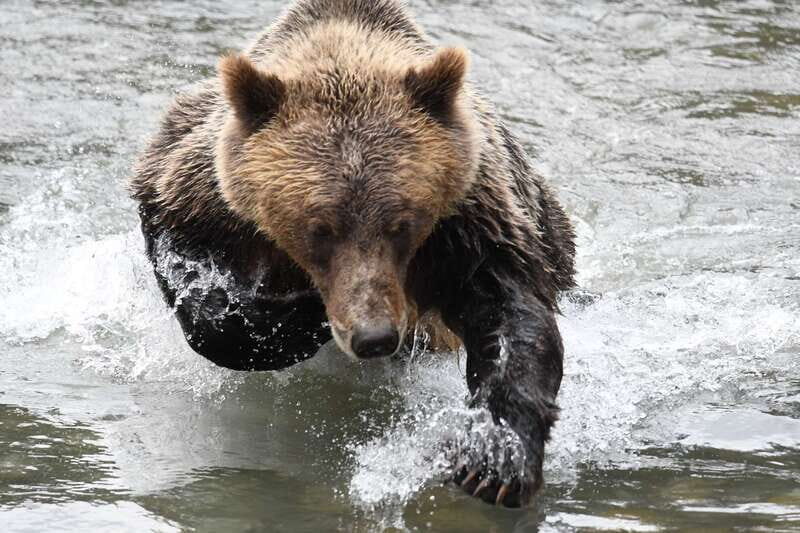
This is a grizzly tour built around a specific food source: spawning salmon. The Orford River and Algard Creek channels provide salmon spawning grounds, and the viewing locations used by the guides depend on where bears are active that day. That means there isn’t one guaranteed “bears at this exact spot” promise—and the tour clearly treats grizzly viewing as nature-first, not schedule-first.
Here’s what you can expect across the main season window, and why it affects what you’ll see:
- Mid-August to early September: around mid-August, the annual salmon run starts in Orford Bay. Early in the season, bears often spend more time foraging for grasses, berries, and shellfish as they wait for salmon movement higher in the system.
- September onward: once salmon hunting ramps up in the rivers, bear activity tends to concentrate where the fish are moving and spawning. September also typically brings the highest visitor volume, and weather transitions toward the rainy Coastal Temperate Rainforest patterns.
- October: days get shorter and weather becomes more changeable, but the viewing can feel quieter and intimate when bears are still working the food source.
Climate change is also explicitly part of the reality right now. That matters because bear timing and weather patterns may shift compared with a “typical year,” so your best move is to arrive flexible. If you’re the type who only travels for one exact date, September planning might feel like the sweet spot—but August and October can still be very rewarding if bears are active where the guides guide you.
Bottom line: you’re increasing your odds by going during the salmon window—and the guides are choosing sites based on bear behavior, not just tradition or geography.
Dockside lunch in Orford Bay: food with a view
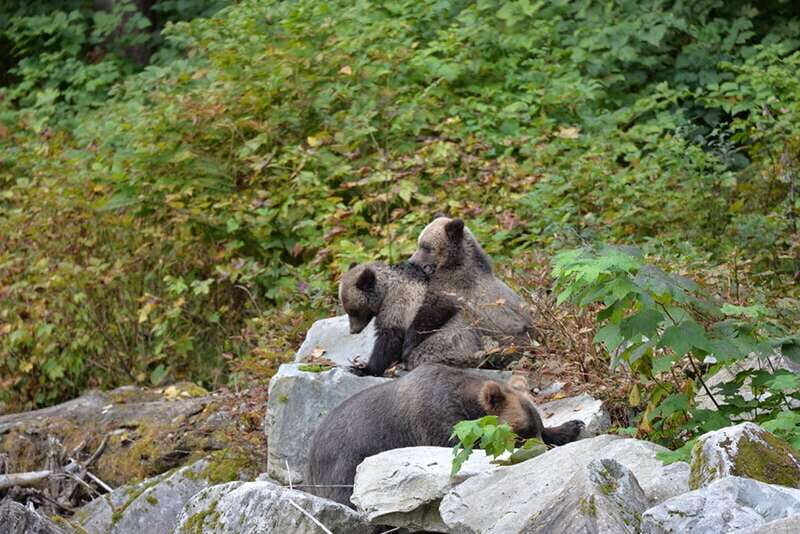
Lunch is served at the dock in Orford Bay, and that’s not a throwaway detail. Eating with an estuary view turns “break time” into a chance to keep scanning for movement.
In past departures, lunch has included a big sandwich plus a cookie and a hot drink. If you have dietary restrictions, note that at least one gluten-free need was accommodated, so it’s worth sharing your needs ahead of time when you book.
Even if you think you’ll barely taste your lunch because you’ll be watching bears, go ahead and eat. You’ll be outdoors and moving, and a real meal keeps you focused for the next viewing stretch.
Respectful wildlife viewing: how to get great photos without crossing lines
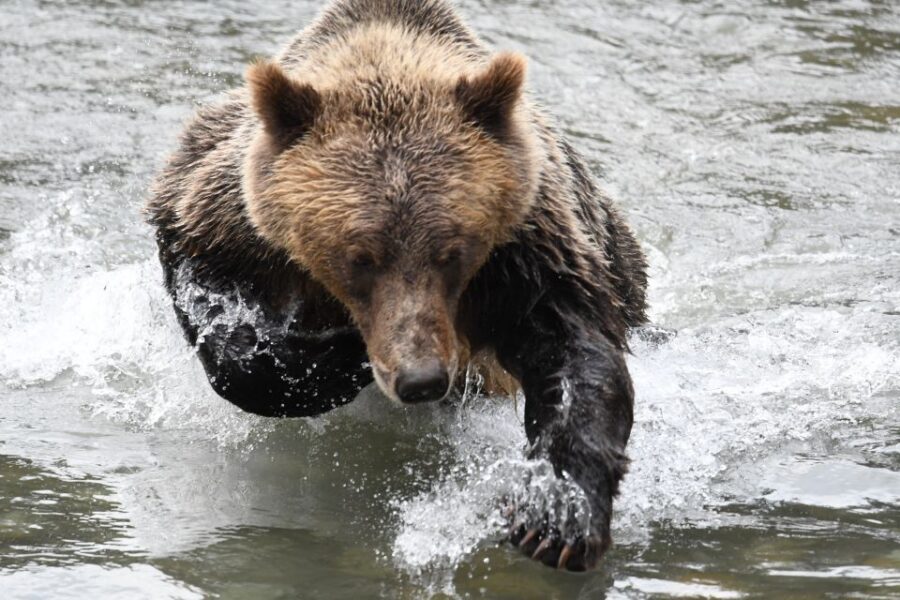
This tour is designed to keep viewing comfortable and respectful. You use raised wildlife viewing towers or other planned spots instead of wandering. That’s a big deal for two reasons.
First, it reduces disturbance. Second, it improves your chances of seeing what matters—body position, feeding behavior, and movement direction—because you’re not constantly relocating.
In terms of what kind of proximity you might experience, there’s real variability. Some groups have had dramatic moments, including sightings where a bear was very close (one group noted about 5 meters away) while still following proper behavior. The tour’s overall tone is clear: treat this as wild wildlife, not a photo opportunity that overrides safety.
Practical photo advice that fits the rules:
- Use your zoom lens and plan to shoot from viewing platforms rather than trying to reposition.
- Keep your camera ready during moves between spots.
- Skip tripods (they’re not allowed), so practice stable handheld or use support like your stance and elbows.
What guides actually add: local culture, real names, and plain answers
The best tours don’t just point. They explain.
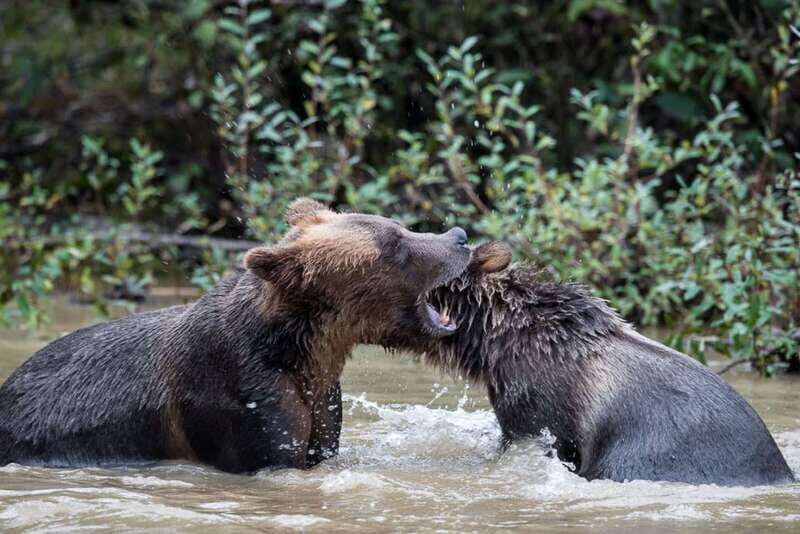
This one leans hard on Homalco knowledge—language, land ties, and how salmon and grizzlies fit into the cycle leading up to winter hibernation. You’re also told the big picture: grizzlies travel long distances to feeding areas like Algard Creek and the Orford River to fatten up before winter.
You might meet different staff depending on your departure, but the names that have shown up include:
- Boat crew: Holly (captain) and Debra (naturalist/mate)
- Indigenous guides on land: Kaylin and James
- Other guide names mentioned include Janet, Guy, and Dude
That variety is normal for multi-guide operations. What matters for you is the approach: interactive, question-friendly, and connected to the place.
Also, part of the trip price supports bear conservation and salmon restoration, plus Homalco language and cultural rejuvenation and employment/career options for Homalco people. If you care about value beyond the day’s sightings, this is one of the clearer “your money has a purpose” components in the offer.
Price and value: is $460 worth it for a full-day bear tour?
At $460 per person, this isn’t a budget activity. But it’s also not only a “find a bear” transaction.
You’re paying for:
- Full-day transportation from Campbell River to Orford Bay and back (including the boat portion and land transfers)
- Guided interpretation from Homalco hosts focused on salmon and grizzly cycles
- Lunch plus snacks and drinks
- Small-group dynamics and the ability to interact one-on-one with guides
The value comes from the structure: you’re not roaming without support, and you’re not just looking from one generic viewpoint. The guides use multiple viewing locations and viewing platforms depending on bear activity, which is exactly what you want when the animals decide where and when they feed.
The fair warning: grizzly sightings aren’t guaranteed. You can have a slow day, weather can shift, and routes may vary to keep things safe. If you’re the type who needs a guaranteed outcome, this kind of tour is always a risk. But if you can accept that nature runs the schedule, you’re set up well.
Who this tour suits best (and who should skip it)
This is best for you if:
- You’re comfortable spending a full day outdoors on Vancouver Island’s coast
- You want a bear tour with First Nations cultural context, not just wildlife spotting
- You like guided scanning and planned viewpoints rather than long hikes
- You’re aiming for the salmon-season grizzly pattern (August through October)
It’s not a great fit if:
- You need wheelchair access or you have back problems (the tour specifies these as not suitable)
- You’re traveling with children under 10
- You currently have a cold or feel unwell (the tour asks you not to join)
- You want to bring equipment like drones or tripods (not allowed)
- You need alcohol/drug access (not allowed)
If you’re going with kids 10–17, ensure they’re accompanied by an adult, since that age group requires adult supervision.
Should you book this grizzly bear tour with lunch?
If your priority is a respectful grizzly viewing day tied to salmon behavior and Homalco guidance, I’d say this one is worth serious consideration. The mix of boat time toward Bute Inlet, land time at Orford Bay with planned viewing platforms, and lunch at the dock with estuary scenery creates a full “place-based” day.
Book it if you can handle weather, you pack smart, and you’re okay with wildlife outcomes being unpredictable. The guide approach—choosing viewing sites based on bear activity—gives you the best possible odds without pretending you can control nature.
Skip it if you’re going purely for guaranteed bear sightings or if long outdoor time on a moving day sounds like misery. Also, if you’re sensitive to motion or you can’t manage uneven coastal conditions, take the not-suitable guidance seriously.
FAQ
How long is the tour?
The tour duration is 510 minutes, which is about 8.5 hours. Check availability for your start time.
Where do I meet the tour?
Meet at the Homalco Wildlife & Cultural Tours office at the Coast Marina. Plan to arrive 15 minutes early and park in the Tyee Plaza Shopping Centre parking lot across the street (avoid spaces marked for the Coast Discovery Inn).
Is lunch included?
Yes. Lunch is served at the dock in Orford Bay, and the tour also includes snacks and drinks.
Are grizzly bear sightings guaranteed?
No. Wildlife sightings can’t be guaranteed, even though the guides do their best to find animals. Weather and animal behavior can affect what you see.
What time of year is best for grizzly viewing here?
The tour focuses on the salmon spawning season, with typical viewing patterns described from mid-August through October. Where bears are active can shift with climate and daily conditions.
What should I bring?
Bring warm clothing, rain gear, hiking shoes, a camera, binoculars, biodegradable sunscreen, and insect repellent.
Are drones or tripods allowed?
No. Drones and tripods are not allowed on this tour.
Do you offer hotel pickup and drop-off?
Hotel pickup and drop-off are not included. You’ll need to get to the meeting point yourself.