REVIEW · CAMPBELL RIVER
Vancouver Island: People Water Land – Indigenous & Whales
Book on GetYourGuide →Operated by Homalco Wildlife and Cultural Tours · Bookable on GetYourGuide
Whales are only half the story here. The People Water Land tour pairs Salish Sea wildlife with an interpretive walk at the Homalco village site of Aupe.
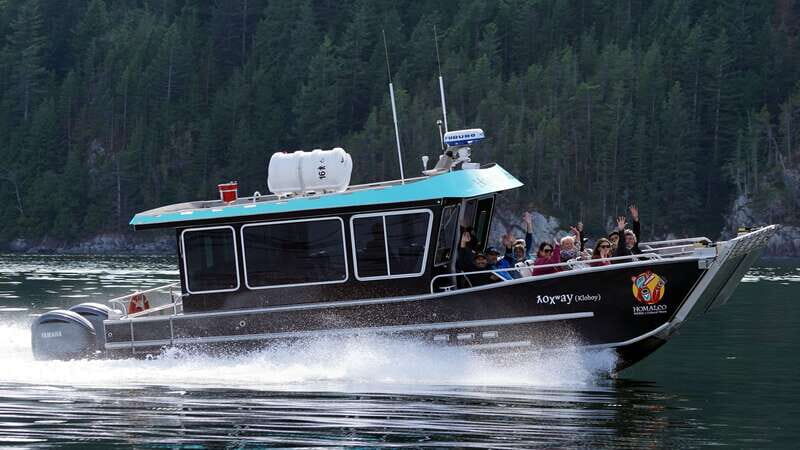
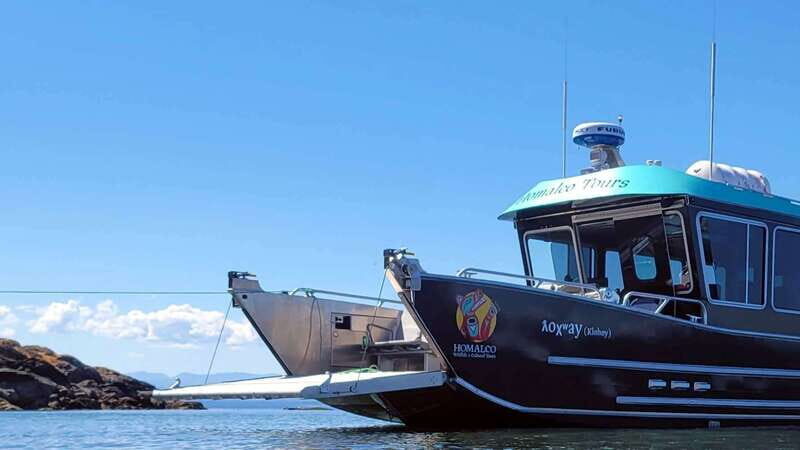
I especially like the custom landing craft setup with inside and outside seating, so you can chase sightings without freezing. You also get a guided cultural layer led by a First Nations guide and skipper team.
My second favorite part is the hands-on moment—working with cedar bark to make your own bracelet—paired with stories shared on the ground at Aupe. One consideration: whales (and other wildlife) are always weather- and timing-dependent, and the land portion asks you to be comfortable walking about 2 km on uneven trails.
In This Review
- Key points worth your attention
- People Water Land from Campbell River: what a 5-hour mix feels like
- The boat ride: heated landing craft, inside/outside seats, and real viewing
- Salish Sea whale watching: what you might see and how to spot it
- Aupe village site: Homalco interpretation, stories on the ground, and cedar bracelet making
- Timing, lunch, and the small-group advantage (max 12)
- Price and value: is $272 actually fair for what’s included?
- What to bring (and what to skip): comfort rules that matter on this tour
- Who this tour suits best (and who should pass)
- Should you book People Water Land: Indigenous & Whales?
- FAQ
- FAQ
- How long is the People Water Land tour?
- What time does the 7:00am departure run?
- Is pickup and drop-off included?
- Where do I meet the tour?
- What is included in the price?
- Are there inside and outside seats on the boat?
- Is there a toilet onboard?
- What wildlife might I see?
- Is the tour suitable for young children?
- What fitness level do I need for the walk?
- What happens if weather prevents the tour?
Key points worth your attention
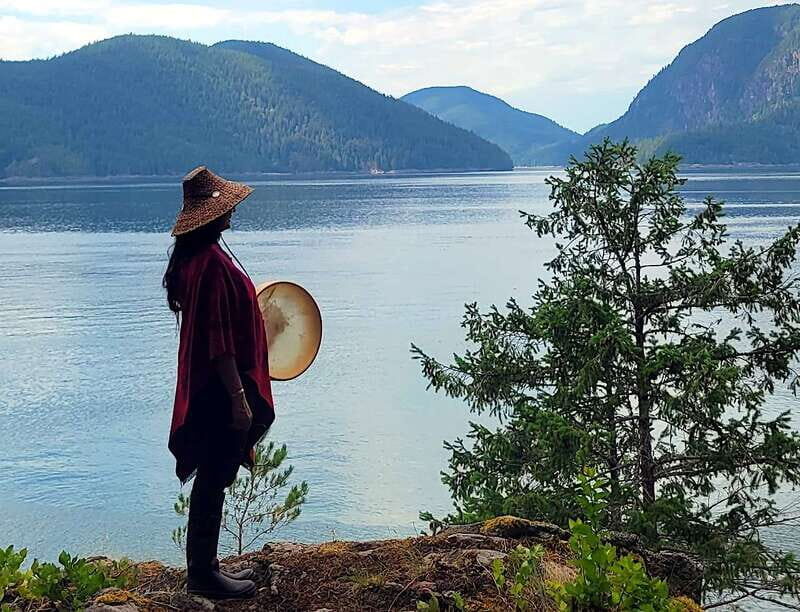
- Homalco-owned tours: the experience is 100% owned by the Xwémalhkwu (Homalco) First Nation, and your money supports local programs and conservation.
- Custom landing craft comfort: heated and covered boats, plus inside/outside seating and a toilet onboard.
- Small group size: limited to 12 participants, which helps the guide keep the focus on you and your questions.
- Aupe walk plus village context: you step off at the historic site of Aupe and learn on foot with Homalco interpretation.
- Hands-on cedar bark (Taχəmay): you’ll weave a cedar bracelet, not just watch from the sidelines.
People Water Land from Campbell River: what a 5-hour mix feels like
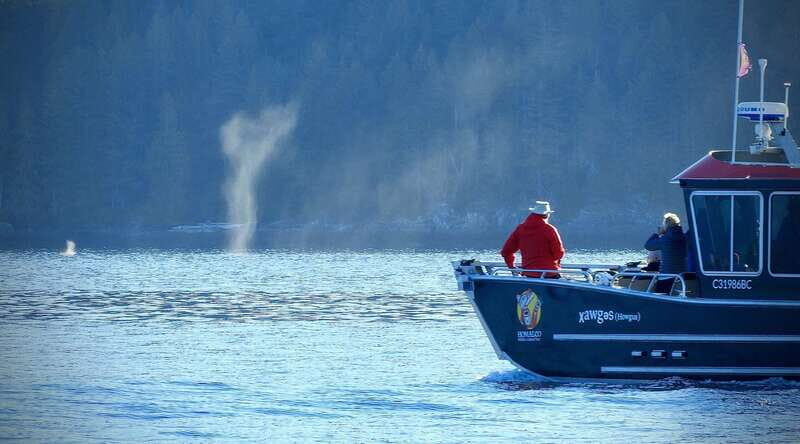
This is a short day—about 5 hours—that tries to do two things well: show wildlife in the Salish Sea and explain the human relationship to that place. The tour runs from 7:00am to 12:00pm, so you get the morning energy when wildlife activity can be strong and the coast feels crisp.
The day starts with a First Nations guide and a skipper working as a team. That matters because you’re not only looking outward at whales and eagles—you’re also listening inward to language, stories, and what this territory means. You’ll travel from the Campbell River area by boat and then transition to land at Aupe for a guided walk.
The land part is not a stroll on a paved path. You’ll walk roughly 2 km on trails that can include slippery rocks and uneven ground. If that sounds doable for you with the right shoes and caution, the mix of marine life and village-site learning can feel like one connected story instead of two separate activities.
You can also read our reviews of more tours and experiences in Campbell River.
The boat ride: heated landing craft, inside/outside seats, and real viewing
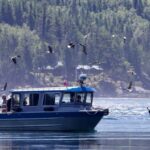
The boat is built for comfort and for sightings. You’ll be on a brand new heated and covered landing craft with a choice of inside and outdoor open seating. That sounds like a small detail until you’re standing at the rail thinking about your toes. With heated interiors for quick breaks and outdoor seating when a whale surfaces, you’re less likely to miss the moment.
A few practical design perks also help the experience feel smoother:
- The boat has a toilet, so you’re not racing back and forth at the wrong time.
- You get unobstructed views suited to whale watching rather than feeling trapped behind glass.
- Routes and timing can shift depending on whale sightings and weather, so you want a vessel that stays comfortable through small changes.
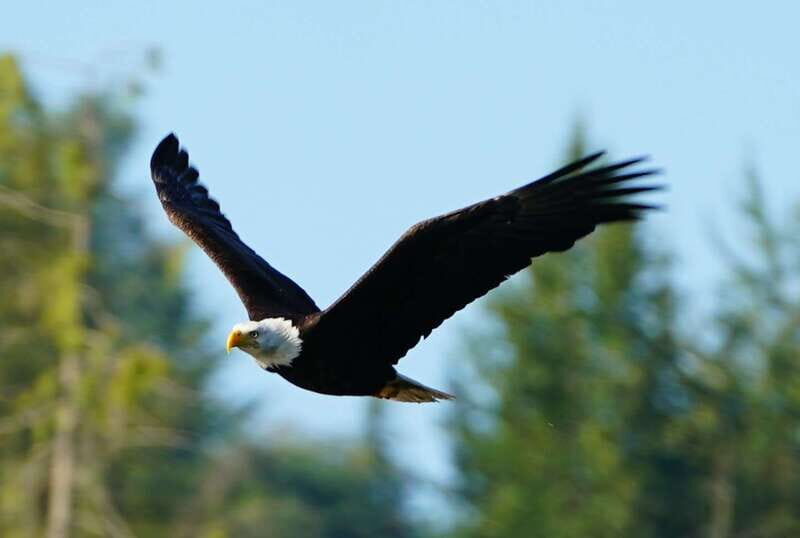
You’ll also get live commentary with the First Nations guide during the voyage. That means the ride isn’t just travel time. Even while you’re waiting, you’re learning what to look for—like when to watch for whales (Qʷ̓ənɛs), eagles (Q̓aykʷ), and other coastal wildlife.
Salish Sea whale watching: what you might see and how to spot it
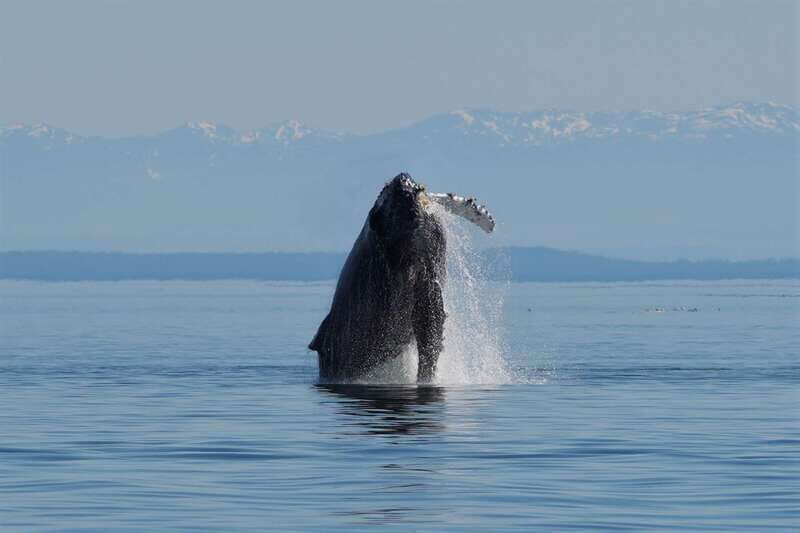
Whale watching in the Salish Sea is never guaranteed. The tour is built around the real nature of the place: animals move, conditions change, and sightings are earned. Still, you can expect the guide team to actively scan and work the timing when possible.
Here’s what the tour specifically sets you up to watch for:
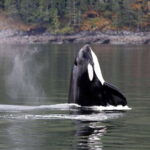
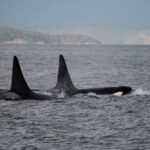
- Orcas
- Humpback whales
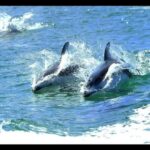
- Dolphins
- Sea lions
- Plus other wildlife you might encounter, depending on the day, such as harbor seals and eagles.
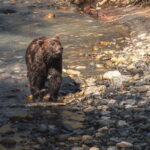
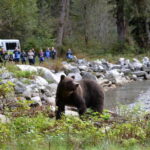
There’s also a chance for a special coastal sighting: at Aupe, lucky people may even see the resident black bear (Mɛxaɬ). That’s not something you can bank on, but it’s a nice reminder that this area is alive beyond whales.
Want to improve your odds and your view quality? Bring your binoculars. Also, dress for motion and spray—warm layers and rain gear help you stay outside long enough to catch the full rhythm of blow, surfacing, and movement. If you’re stuck inside for half the trip because you’re cold, you’ll feel like you missed part of what you paid for.
Aupe village site: Homalco interpretation, stories on the ground, and cedar bracelet making
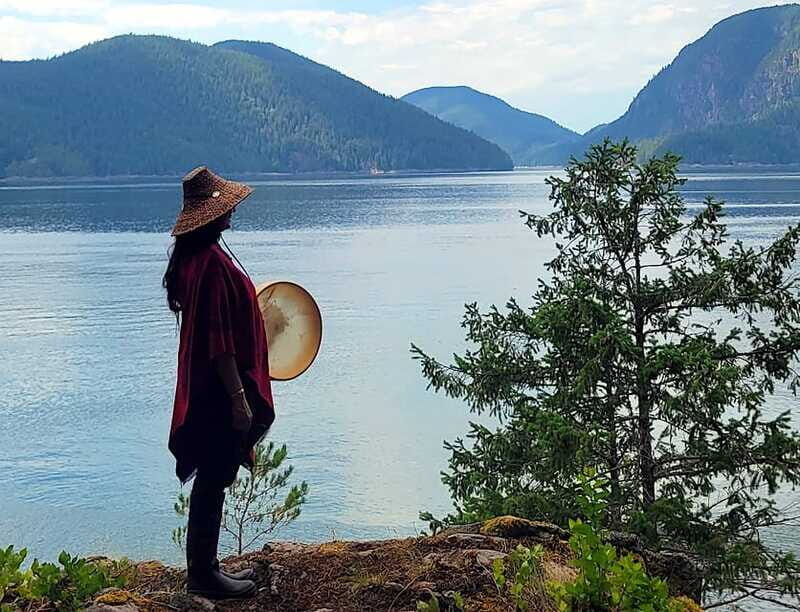
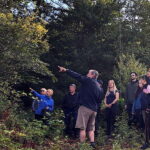
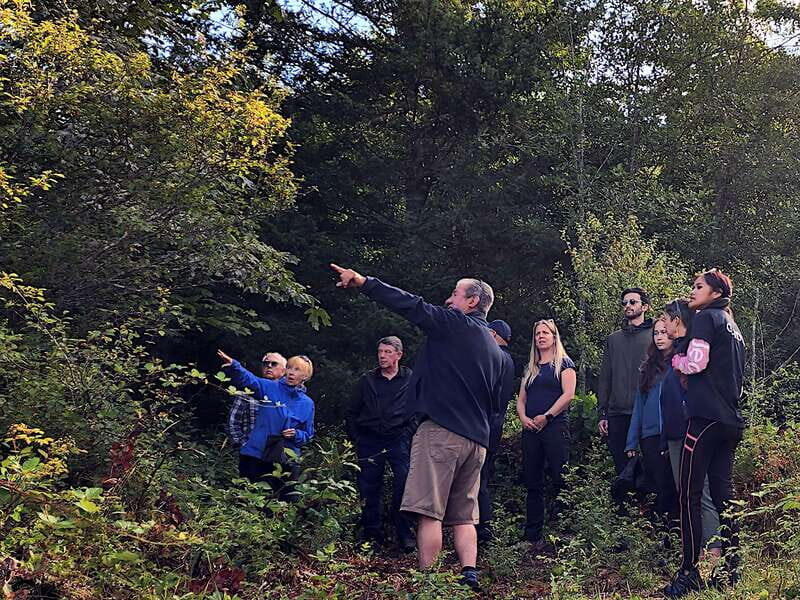
The heart of the cultural side happens after the boat portion. You arrive at the historic First Nation village site of Aupe and step off into an interpretive walk around the former Homalco village area.
On land, the pace shifts. You’re not scanning the water for spouts. You’re listening—while also looking at what’s left behind and what nature has taken over. Expect a guided narrative about life in this remote Northwest Island setting, plus context that helps you understand why this place matters.
One of the most memorable parts is the hands-on cedar bark (Taχəmay) experience. You’ll learn to work with cedar bark and weave your own cedar bracelet. This isn’t just craft for craft’s sake. It’s a way to connect materials, traditional practice, and meaning—something you can take home as a small physical reminder of what you learned.
The guide also shares traditional stories, language, and legends. You’ll hear Indigenous place-related names and concepts tied to wildlife and the land. It’s a powerful pairing: whales and eagles out on the water, then the cultural framing when you’re standing at the village site.
In practice, the Aupe portion is where the tour becomes more than a wildlife outing. You leave with an understanding of how the people of Xwémalhkwu (Homalco) view the relationship between people, land, and sea—not as separate categories, but as one system.
Timing, lunch, and the small-group advantage (max 12)
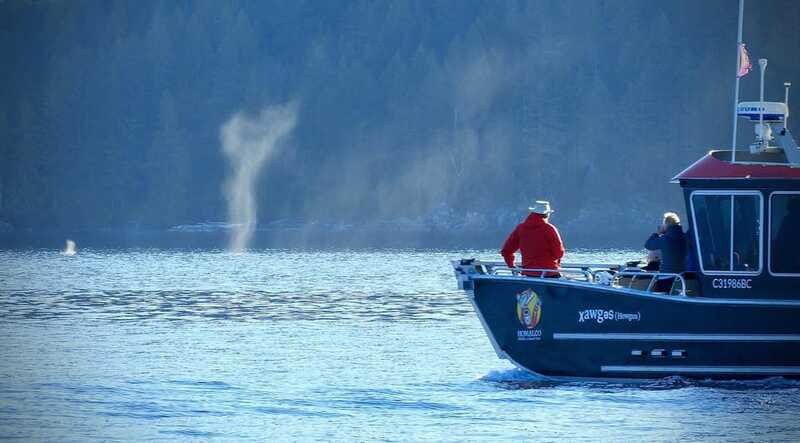
The tour stays focused by keeping everything tight in a half-day format: boat out, wildlife watching, and then the Aupe walk and cultural activities before returning by late morning.
You’ll get lunch, snacks, and beverages included. This is another value point because it keeps you from turning the trip into a food scramble. You can also use the stops and meal timing to warm up a bit before you head back outside for any late sightings.
The small-group cap of 12 participants is more than a number. It tends to make the guide’s job easier: you can hear explanations clearly, ask questions without waiting forever, and move as a group without constant bottlenecks. On the water, it can also help the skipper manage where you’re positioned for the best possible viewing.
On days when whales are active, you’ll feel the tour hit its stride. On days when sightings are farther out or fewer, the cultural component keeps the time from feeling empty. That balance is a big reason this experience rates well overall.
Price and value: is $272 actually fair for what’s included?
$272 per person is not a budget price. But for what you get, it can feel fair—especially compared with half-day tours that only deliver a boat ride.
Here’s what supports the value:
- A live First Nations guide with interpretive commentary
- A skipper working alongside the guide
- Custom heated boat with inside/outside seating and a toilet
- Lunch, snacks, and beverages
- The cedar bracelet hands-on activity
- Direct support for whale research, salmon restoration, Homalco youth cultural programming, plus local employment and career options
That last piece is important. This isn’t just an experience that happens near a community. The tour provider is 100% owned by the Xwémalhkwu (Homalco) First Nation, and part of your cost supports restoration and youth programming. So even if the wildlife is shy on a particular morning, your money still has a clear purpose tied to environmental and cultural revitalization.
Still, the one thing you can’t force is wildlife. You’re paying for the chance plus the cultural education, not a guaranteed list of whale sightings. If you’re the type who gets frustrated when nature does its own thing, go in with flexible expectations.
What to bring (and what to skip): comfort rules that matter on this tour
This is a practical tour. Do not overthink it, but do pack right.
Bring:
- Warm clothing
- Rain gear
- Hiking shoes (appropriate traction matters)
- A camera
- Binoculars (encouraged)
- Layers you can adjust as you move between heated interior and outdoor seating
Not allowed:
- Tripods
- Pets
- Smoking
- Alcohol and drugs
- Littering
- Open-toed shoes, including sandals or flip-flops
- High-heeled shoes
- Unaccompanied minors
There’s also a basic fitness requirement: you need to be physically fit enough to walk 2 km on trails that may include slippery rocks and uneven ground. If you have back problems, the tour is listed as not suitable.
One more small but real tip: arrive early. The meeting point is at the Tyee Plaza Shopping Centre parking lot, but park away from areas designated for the Coast Discovery Inn. You’ll want time to check in and handle the activity waiver before departure.
Who this tour suits best (and who should pass)
This works best for people who want a morning that combines:
- Whale watching with a comfortable boat setup
- Culture taught by a First Nations guide, including language and hands-on cedar work
- A walk at a specific village site rather than only a viewpoint
It’s family-friendly for ages 10+, and people aged 10–17 must be accompanied by an adult 18+. It’s also a good option if you like structured half-day trips that don’t eat your whole day.
It’s not ideal if:
- You’re under 10
- You have back problems
- You’re uncomfortable walking on uneven, possibly slippery trails
- You want a totally guaranteed wildlife checklist (nature decides)
If you’re comfortable with layers, walking shoes, and the idea that sightings are variable, you’ll likely enjoy the way this tour weaves together the sea and the people tied to it.
Should you book People Water Land: Indigenous & Whales?
If you want a whale watch that also explains why the place matters to the Xwémalhkwu (Homalco) First Nation, I think this is a smart pick. The mix of a small group, heated custom boat, and a guided walk at Aupe gives you more than a standard sightseeing cruise.
Book it if:
- You like wildlife but also care about cultural context
- You’re okay with some walking on uneven trails
- You want a tour where part of your fee supports research and restoration, not just a van ride and a photo stop
Skip it (or choose something else) if:
- You need a fully paved, low-walking experience
- Your back or mobility limits you on trail surfaces
- You’re not comfortable with variable wildlife sightings
FAQ
FAQ
How long is the People Water Land tour?
The excursion lasts 5 hours.
What time does the 7:00am departure run?
The tour runs from 7:00am to 12:00pm.
Is pickup and drop-off included?
No. Pickup and drop-off are not included.
Where do I meet the tour?
Meet at Tyee Plaza Shopping Centre parking lot. Don’t park in the areas designated for the Coast Discovery Inn. Arrive about 20 minutes prior.
What is included in the price?
The tour includes lunch, snacks, and beverages, plus live commentary with a First Nations guide.
Are there inside and outside seats on the boat?
Yes. The boat has inside and outside seating and is heated and covered.
Is there a toilet onboard?
Yes, toilet facilities are available on the vessels.
What wildlife might I see?
You’re looking for whales (including orcas and humpbacks), dolphins, sea lions, and eagles. Other animals may also appear depending on conditions.
Is the tour suitable for young children?
The minimum age is 10 years old. Children aged 10 to 17 must be accompanied by an adult 18+.
What fitness level do I need for the walk?
You must be physically fit enough to walk about 2 km on trails that may include slippery rocks and uneven ground. Appropriate footwear is required.
What happens if weather prevents the tour?
If the provider can’t operate due to poor weather or unforeseen circumstances, you receive a full refund.