REVIEW · QUEBEC CITY
Quebec City: Winter Walking Tour in Old Quebec
Book on GetYourGuide →Operated by Cicerone · Bookable on GetYourGuide
Winter turns Old Quebec into a living museum. This 90-minute walking tour follows a local guide through more than 400 years of Old Quebec, from snowy ramparts to river-level streets.
I especially like two things: the guide’s lively, period-style storytelling, and the fact that you see both the Upper and Lower parts of town in one smooth route. One heads-up: if you’re brand-new to Québec history, some details can feel like a lot while you’re also dealing with winter cold and footing.
You’ll start inside the walled city, then work your way through viewpoints, squares, and churches—before dropping toward the Petit-Champlain District near the St-Lawrence. The best part is how the tour connects daily life back then to what you’re standing in today, even when everything is glazed in snow and ice. I’d consider the pace carefully if you hate walking on uneven winter sidewalks; it’s a true walking tour, rain or shine.
In This Review
- Key things you’ll notice on this Old Quebec winter walk
- Why a winter walking tour works so well in Old Quebec
- Inside the fortifications: snowy streets and the big skyline moment
- Dufferin Terrace: your best St-Lawrence view stop
- Upper Town landmarks: churches, monuments, and the city’s spine
- The guide’s period character: how the stories stay memorable
- Dropping toward the river: Petit-Champlain and the French roots story
- How to handle winter walking without cutting the experience short
- Price and value: is $22 worth 90 minutes?
- Should you book this Winter Walking Tour of Old Quebec?
- FAQ
- What’s the duration of the Old Quebec winter walking tour?
- How much does the tour cost?
- Where does the tour take place?
- Will the tour happen in bad weather?
- What languages are available for the guide?
- Is there a live guide, or is it self-guided?
- Does the tour include areas inside and outside the fortifications?
- What stops or sights are included?
- Is there flexibility in how you pay or book?
- What’s the cancellation window?
Key things you’ll notice on this Old Quebec winter walk
- A costumed, story-first guide who keeps the history moving instead of turning it into a lecture
- Upper and Lower Town in one go, including areas both inside and outside the fortifications
- Major landmarks without the maze, like a stop with views from Dufferin Terrace
- Churches and public squares that explain how the city organized daily life
- Petit-Champlain at river level, with context on the French presence in North America
Why a winter walking tour works so well in Old Quebec
Old Quebec is famous in summer, sure. But winter is when the city’s rhythm becomes easy to understand. The cold shapes how people move, where they gather, and what they value—so the stories land differently when you’re actually standing in that weather.
This tour is designed for that exact moment. You’re not just getting pictures; you’re getting orientation. In about 90 minutes, you learn how the city’s “layers” fit together: fortifications above, river life below, and neighborhoods in between.
I also like the tight time window. Ninety minutes is long enough to get bearings and meaningful context, but short enough that you’re not stuck outside until your hands give up. With a rating around 4.9 and a steady stream of positive feedback, it’s clear people leave feeling like they got value for their time.
You can also read our reviews of more walking tours in Quebec City


Inside the fortifications: snowy streets and the big skyline moment
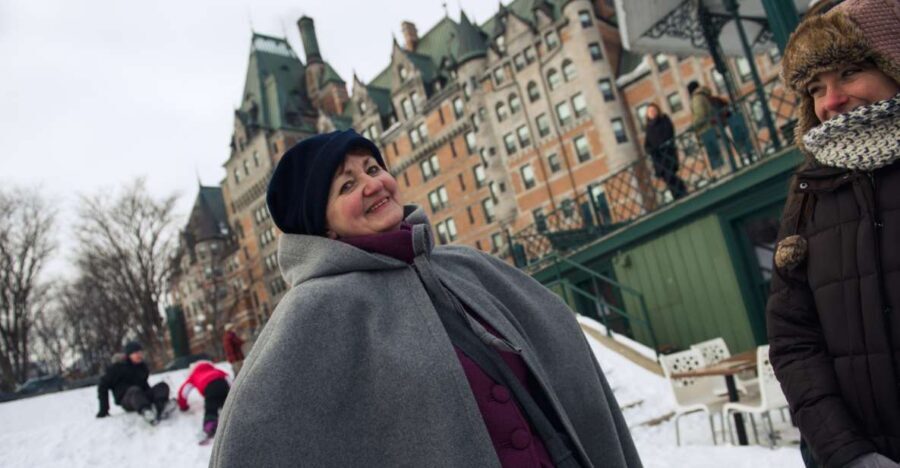
You’ll begin with a walk through the walled city on snowy streets. That matters, because the fortifications aren’t just walls on a map—they’re part of how the city protects itself and how the neighborhoods developed.
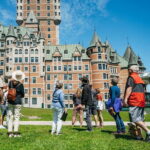
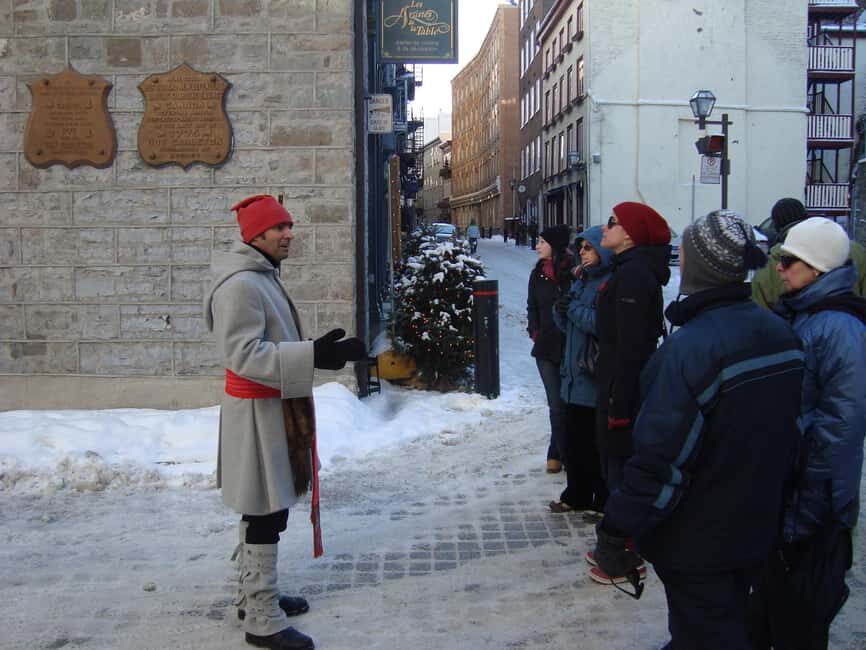
Early on, you get a classic Old Quebec anchor: a look at Fairmont le Château Frontenac. You may have seen it in photos, but during this kind of winter stroll, it becomes more than a postcard. It turns into a point you can mentally use while you wander later—like a compass rose for the area.
From there, expect the guide to connect architecture and layout to everyday life across centuries. The goal isn’t to memorize dates. It’s to understand why you’re seeing what you’re seeing: why the streets bend the way they do, why certain squares and routes feel central, and how Upper Town identity differs from the river-facing vibe down below.
One small consideration: the tour includes plenty of historical context, and if you’re not starting with much background, you’ll need to stay focused. Winter also adds distractions—wind, cold air, and slippery patches—so slower moments to absorb might help you more than rushing through the story.
Dufferin Terrace: your best St-Lawrence view stop
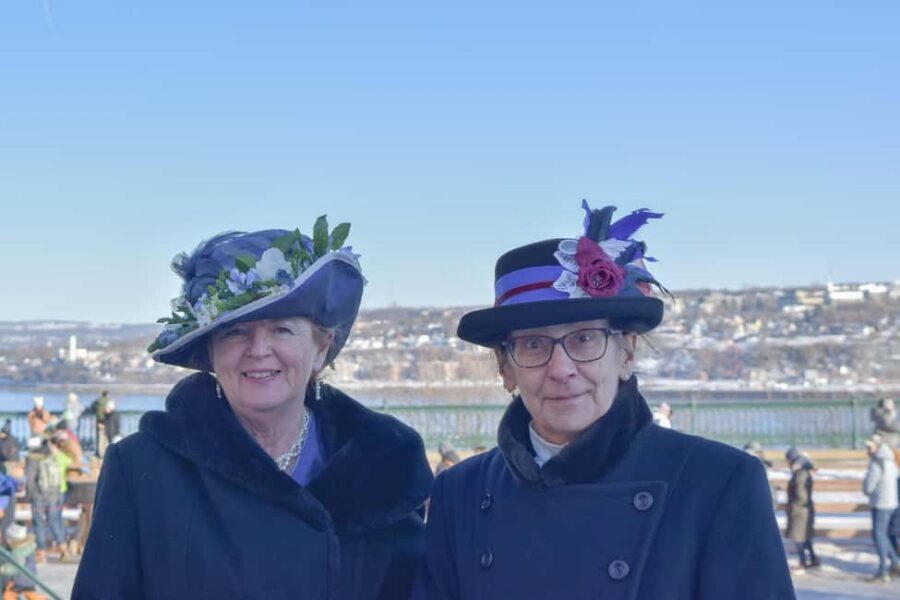
At some point you’ll make a dedicated stop on Dufferin Terrace. This is where the city opens up. The viewpoint over the St-Lawrence River is the kind of moment that helps you understand the geography behind the history.
In winter, the river feels different. You’re not chasing summer views; you’re looking at how the city relates to a cold, powerful waterway. That context makes the story of trade, travel, and daily survival easier to grasp—especially since the guide frames it around how people lived, not just what happened.
This pause also helps you reset. Walking in cold weather adds up fast, and a viewpoint stop gives your legs a breather while you take in the scene. If you’re the type who likes learning while also enjoying the outdoors, this is one of the best “two birds” parts of the tour.
Upper Town landmarks: churches, monuments, and the city’s spine
As you move through the Upper Town, you’ll pass notable public spaces and sites that shaped community life. The tour is the right mix of practical and dramatic: you get buildings you can recognize later, plus explanation for what those buildings meant.
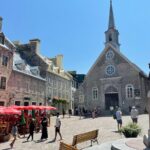
Two churches are specifically highlighted: Holy Trinity Cathedral and Notre-Dame-de-Québec Cathedral and Basilica. Don’t treat them like quick photo stops. When a guide points out what to look for and ties the architecture to the city’s development, you’ll understand why these places are so tied to Québec identity.
You’ll also walk by public squares and monuments. These aren’t random decorations; they show how the city honored people and events, and how community spaces gathered residents over time. In winter, these areas feel especially “public,” because people tend to move toward sheltered corners and active meeting points.
I like that the tour doesn’t just hit the most famous objects. It gives you a sense of the city’s spine—where the important paths run and how the built environment guides your movement.
The guide’s period character: how the stories stay memorable
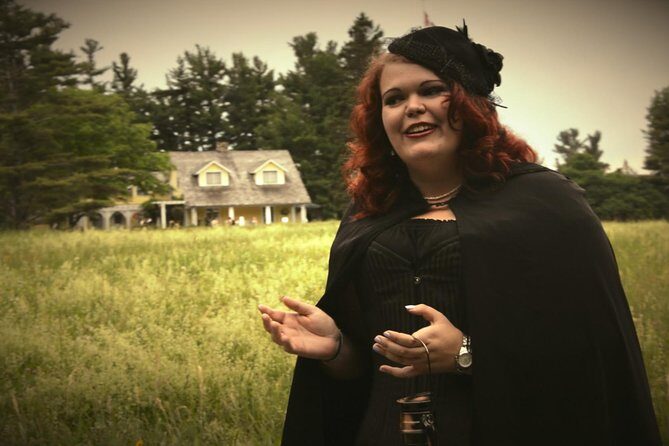
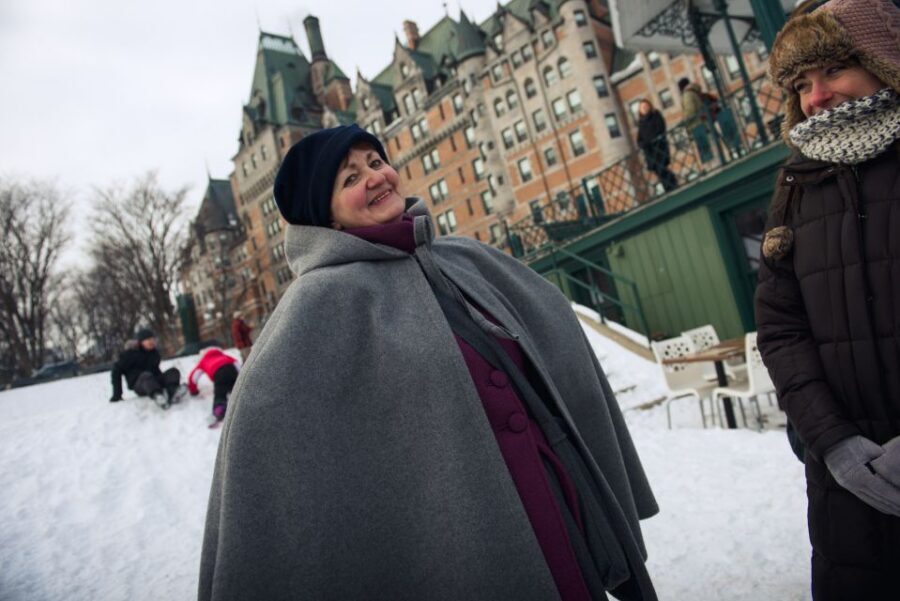
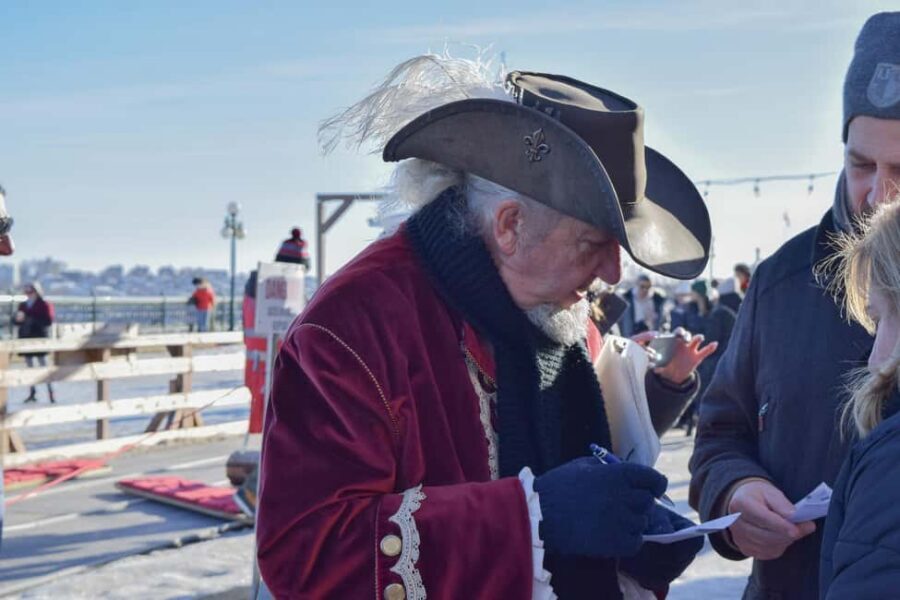
A big part of why this tour gets such strong ratings is the live guide. The tour is led in English or French, and the guide appears as a period character—costumed and ready to tell the city like it’s a scene you’re walking through.
One detail that stands out from what people describe: guides can be especially engaging and fun. For example, one guide named Chantelle is specifically mentioned for dressing in character and keeping the group lively while still being informative. That combination matters. In a short tour, energy and clarity are what separate a good walk from a memorable one.
What I’d watch for: the history is entertaining, but it can get dense if you expect only surface-level talk. If that’s you, lean in by asking a quick question when the guide gives you a moment to do so—or just focus on the “why” behind what you see (how the city worked, not just what it looked like).
You can also read our reviews of more city tours in Quebec City




Dropping toward the river: Petit-Champlain and the French roots story
Next comes the shift toward the Petit-Champlain District, described as the cradle of the French fact in North America. This change of scenery is more than cosmetic. It helps you see how Old Quebec isn’t one flat postcard—it’s layered, with different identities at different elevations.
You’ll get to appreciate Petit-Champlain at the level of the St-Lawrence River. In winter, this river-level feel is strong. The streets and walkways seem more intimate and practical, like a place built for closeness, not just sightseeing.
The guide’s job here is to connect the district to what the city represents. Instead of treating “French heritage” like a slogan, the tour frames it as a lived reality—what the city became, how it adapted, and how people shaped their environment.
This section is where many people start thinking: okay, now I know where I am. Once you understand the Upper-to-Lower transition, your self-guided exploring after the tour becomes easier and less guesswork.
How to handle winter walking without cutting the experience short
Winter in Québec City is not a minor detail; it’s part of the whole point. You’re learning about how people adapted, so you should also adapt as a visitor. If you go in thinking you’ll stay comfortable the entire time, you’ll be disappointed. If you go in prepared, the cold becomes part of the charm.
Wear layers you can manage. A hat and warm gloves make a huge difference. If you’re not sure about traction, choose footwear that grips well on icy patches. The tour keeps moving, and the description makes it clear it runs rain or shine, so you should be ready for mixed conditions.
Also, plan your expectations. This is a walking tour, so you won’t get a slow, sit-down museum experience. It’s built for storytelling on the move—short stops, meaningful sights, and a guide who helps you make sense of them fast.
Price and value: is $22 worth 90 minutes?
At $22 per person for a 90-minute guided walk, this is priced like a city-orientation experience rather than a long excursion. And that’s the right framing. You’re paying for a skilled local guide, a route that covers both Upper and Lower Town, and stops at major landmarks like Frontenac and Dufferin Terrace plus key churches.
Given how people describe the guides—engaging, fun, informative, and helpful for getting bearings—that value usually makes sense. Even if you’re not a deep history person, the tour seems to give practical context that helps you explore on your own afterward.
One more value angle: in Old Quebec, winter sightseeing can be short on comfort. A guided route that keeps you organized is worth something. It reduces the “where do I go next?” fatigue and lets you focus on what you’re seeing.
Should you book this Winter Walking Tour of Old Quebec?
I think this tour is a great choice if you want a fast, guided way to understand the city’s structure—fortifications up high, river life down low—without turning your day into a logistics puzzle. The mix of storytelling, landmarks, and the walk to Petit-Champlain makes it a strong start, especially when you have limited time in winter.
Book it if you enjoy learning in the outdoors and you like guides who bring history to life. Consider skipping (or adjusting expectations) if you want a slower pace, minimal talking, or a history lesson that assumes no context at all. The tour runs in winter weather, covers ground, and packs in a lot of meaning for the time you have.
FAQ
What’s the duration of the Old Quebec winter walking tour?
The tour lasts about 90 minutes.
How much does the tour cost?
The price is $22 per person.
Where does the tour take place?
It’s in Quebec City, specifically around Old Quebec, including Upper and Lower parts of town.
Will the tour happen in bad weather?
Yes. It takes place rain or shine.
What languages are available for the guide?
The live tour guide is available in English and French.
Is there a live guide, or is it self-guided?
It’s a live guided walking tour.
Does the tour include areas inside and outside the fortifications?
Yes. The route includes parts of town inside and outside Quebec’s fortifications.
What stops or sights are included?
You’ll visit major Old Quebec areas and landmarks such as the Fairmont le Château Frontenac area, Dufferin Terrace (with views over the St-Lawrence River), public squares and monuments, and churches including Holy Trinity Cathedral and Notre-Dame-de-Québec Cathedral and Basilica. You also reach the Petit-Champlain District.
Is there flexibility in how you pay or book?
There’s a reserve now & pay later option, so you can book your spot and pay nothing today.
What’s the cancellation window?
You can cancel up to 24 hours in advance for a full refund.