REVIEW · QUEBEC CITY
Quebec: City Tour, Montmorency Falls & Île d’Orléans Tour
Book on GetYourGuide →Operated by Unitours Inc. · Bookable on GetYourGuide
Quebec City in one organized day. You’ll get a guided sweep through Old Quebec plus the newer parts of town, then head out past the city gates for Île d’Orléans and the iconic Montmorency Falls. I love the way the tour connects tight, storybook streets like Petit Champlain and Escalier Casse-Cou to bigger city landmarks such as Château Frontenac and the Art Deco Price Building. I also like the balance: you’re not just stuck taking photos in the old quarter. You’ll see the countryside and get big, real-world views of Côte-de-Beaupré and Montmorency Falls.
The one drawback to plan for is time creep. The tour is advertised as 7 hours, but if you’re trying to squeeze it into a strict schedule, build in a buffer because the day can run longer than expected.
In This Review
- Key Highlights You’ll Actually Care About
- Musée du Fort Meeting Point: Easy Start, Real Structure
- Old Quebec Walking Stops: Petit Champlain and Place Royale Up Close
- Petit Champlain and Escalier Casse-Cou
- Place Royale and Old-Europe Inspiration
- Château Frontenac Views
- The Price Building and City Landmarks: Modern Quebec in the Same Breath
- Plains of Abraham: Where the 1759 Battle Changed Things
- Côte-de-Beaupré Road Trip: Old Routes and Real Scenery
- Île d’Orléans: The Cradle Story Comes With Viewpoints
- Montmorency Falls: 274 Feet of Drama and Winter Fun
- Winter note: ice climbing potential
- How to use your free time well
- Price and Value: $71 for Transport, Guide, and Entrance Fees
- Who This Tour Fits Best (and Who Might Want a Different Plan)
- Should You Book This Quebec City and Île d’Orléans Tour?
- FAQ
- Where do I meet the guide for the tour?
- How long is the tour?
- What’s included in the tour price?
- What languages is the live guide available in?
- What are the main places you’ll visit in Quebec City?
- Do you visit Montmorency Falls?
- Do you visit Île d’Orléans?
- What should I wear?
- Is the tour cancellation flexible?
- Is there an option to book now and pay later?
Key Highlights You’ll Actually Care About
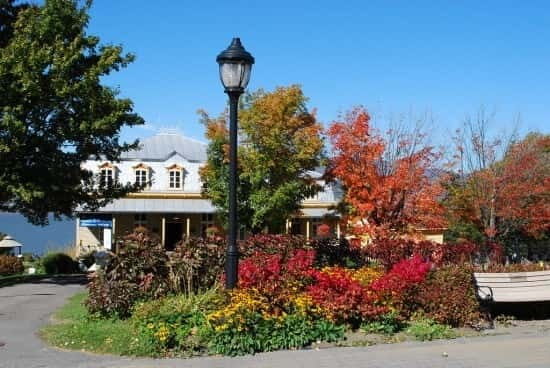
- Old Quebec focus (not a drive-by): walking + guided stops in the streets around Petit Champlain and Place Royale.
- Landmark mix: Château Frontenac, Plains of Abraham, and the Art Deco Price Building all land in the same route.
- History that has locations: you’ll visit where the 1759 battle between French and English forces happened at Plains of Abraham.
- Côte-de-Beaupré road trip flavor: you’ll trace the scenic region tied to one of North America’s oldest roads.
- Île d’Orléans views + French roots: the island is framed as a cradle of French civilization in North America.
- Montmorency Falls with winter notes: 274-foot (83-meter) falls with free time for a walk and winter ice-climb possibilities.
Musée du Fort Meeting Point: Easy Start, Real Structure
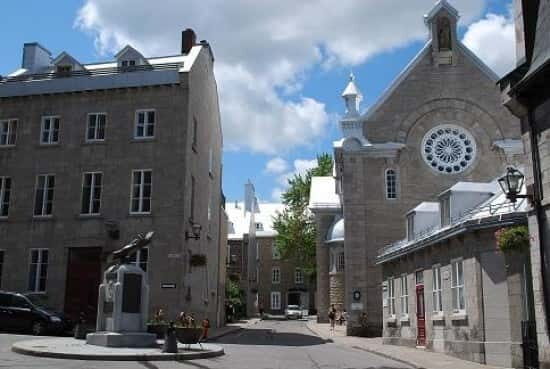
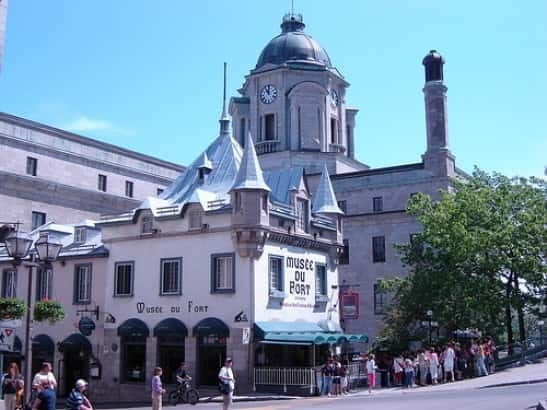
Your day starts at Musée du Fort, where you’ll meet your guide right in front of the museum. You should look for a bus marked Unitours or Quebec Tours. This matters more than it sounds. Quebec City has lots of compact streets and different entrances to the Old Town area, so having one clear starting point cuts stress fast.
Once you’re onboard, the day is set up like a moving guided walk: you’ll do a guided portion on foot, then ride between areas, then stop again for viewpoints and more time to explore. The pacing is designed for a first-timer’s route: get your bearings quickly, learn the major stories, and still have enough time to enjoy the scenery without feeling rushed.
Practical note: wear comfortable shoes. You’ll be walking more than you might expect for a bus tour, especially around Old Quebec.
You can also read our reviews of more city tours in Quebec City


Old Quebec Walking Stops: Petit Champlain and Place Royale Up Close
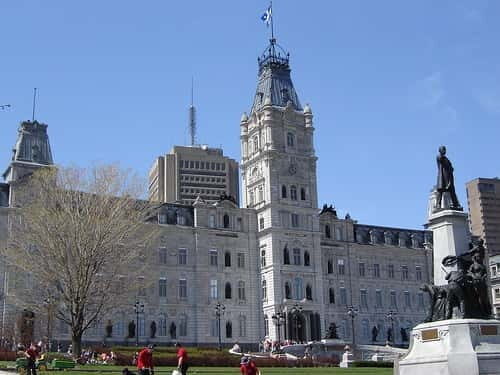
Old Quebec is where the tour earns its keep. You’ll spend about 2 hours in the core area, combining a guided tour and walking with photo stops and scenic rides along the way. The goal isn’t to memorize facts. It’s to understand how the city’s layout shaped its look and its stories.
Petit Champlain and Escalier Casse-Cou
One of the best parts is the way the tour routes you through Petit Champlain, known for winding streets and that unmistakably French-influenced feel. From there, you’ll connect the street-level charm to a very specific landmark: Quebec’s oldest public stairs, the Escalier Casse-Cou. It’s the kind of detail that turns a photo stop into something you remember.
Place Royale and Old-Europe Inspiration
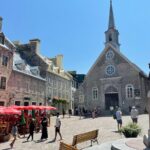
You’ll also see Place Royale, a key area where the architecture and narrow streets are inspired by European styles. Even if you’ve seen “Old Town” before, Place Royale tends to click because it feels intentionally compact—like you could walk it a hundred times and still notice something new.
Château Frontenac Views
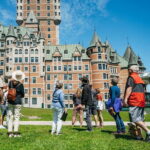
Then there’s Château Frontenac, perched high and dramatic on a cape. On this kind of tour, you’re not just hearing that it’s famous—you’re seeing why it’s a visual anchor. When a building sits like that, it shapes what photographers do, where people gather, and even how the city “faces” the river.


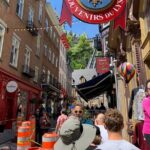
The Price Building and City Landmarks: Modern Quebec in the Same Breath
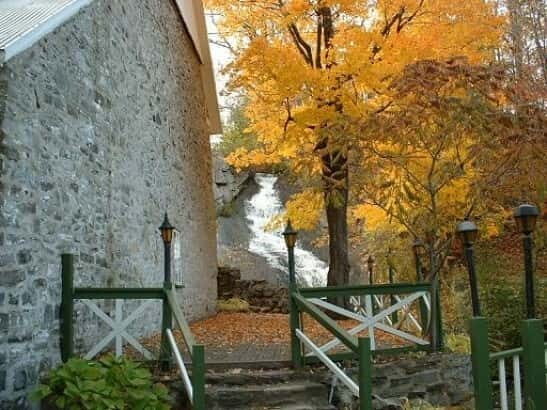
Quebec City isn’t only stone streets and turreted hotels. The tour also highlights the Art Deco Price Building, described as one of the oldest skyscrapers in Canada. That one stop helps you connect the dots between the old and the more modern city identity.
This matters because Quebec City has layers. If all you do is Old Quebec, you come away with a postcard version. But when you also see a landmark like the Price Building in the same day, the city feels more like a living place, not a set.
As you move between viewpoints and neighborhoods, you’ll also get a sense of everyday city life—small cues like how streets feel at street level, not just how they look from a distance. That’s a big part of why this tour format can be better than self-guided wandering when you’re short on time.
Plains of Abraham: Where the 1759 Battle Changed Things
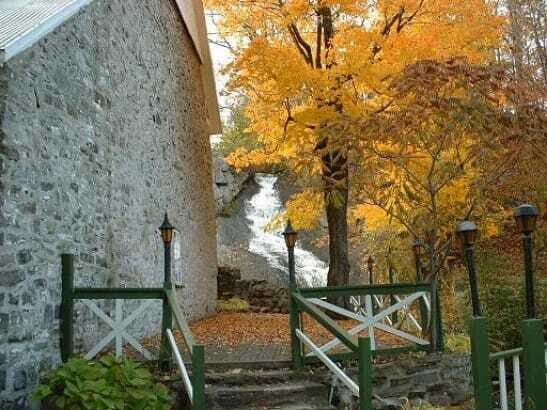
A major storyline stop is the Plains of Abraham, where the famous battle between French and English armies took place in 1759. Even a short time here can make Quebec City’s identity click, because this isn’t abstract history. It’s tied to a place you’re standing in.
What I like about including Plains of Abraham in a day tour is that it gives you context for everything else. When you’re later looking at architecture or old civic spaces, you start to understand why this city mattered so much to competing empires.
Also, this is one of those stops where the atmosphere helps. You don’t need a long lecture to feel the openness of the space, and that openness makes the battle site feel real rather than distant.
Côte-de-Beaupré Road Trip: Old Routes and Real Scenery
Once you’re out toward Côte-de-Beaupré, the tour shifts tone from tight Old Quebec to wide, scenic drives. This is where the route becomes more than sightseeing—it turns into the kind of regional experience that helps you understand why Quebec has so many recognizable “zones.”
You’ll learn that the area is tied to one of North America’s oldest roads, which gives the drive extra weight. Roads carry stories the way buildings do, because they’re the threads that connect settlements over time. In practical terms, it also means you’ll spend more time looking out at the scenery instead of only looking forward at a guide speaking into a microphone.
A note on timing and how it feels: bus rides can be long in winter and can feel slow if you don’t like waiting. But the tradeoff is clear views and a low-effort way to see countryside without coordinating separate transportation.
Île d’Orléans: The Cradle Story Comes With Viewpoints
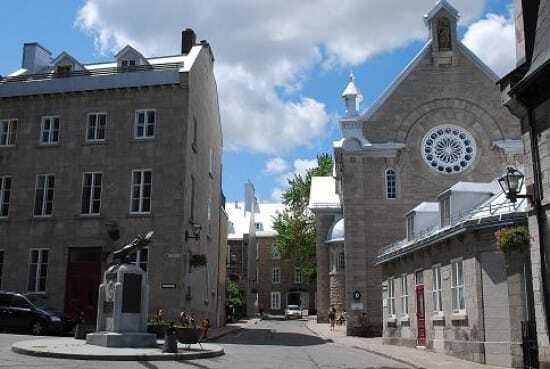
Île d’Orléans is framed as the cradle of French civilization in North America, and the tour makes that idea tangible by pairing it with what you can see from the road and viewpoints. You’re not getting a deep dive into every village on the island, but you are getting the sense of place.
This stop tends to be for people who want more than city highlights. If you’ve already seen Old Montreal or other historic cores, this is a different kind of French connection—more about continuity and region than about one single fortified center.
Keep your camera ready during the ride sections too. The day is designed with scenic pauses, not just long transfers. That matters because Île d’Orléans and the surrounding areas shine best when you can actually look.
Montmorency Falls: 274 Feet of Drama and Winter Fun
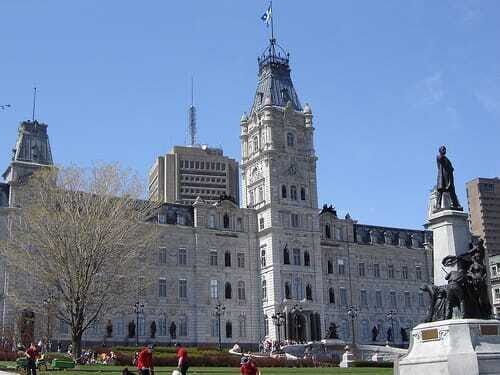
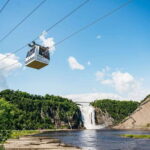
Then comes the headline: Montmorency Falls. You’re given about 45 minutes for free time and a walk, plus scenic views on the way in. The falls are 274 feet (83 meters) tall, which is big enough that you’ll feel it even if you’re not a hardcore waterfall person.
Winter note: ice climbing potential
In winter, Montmorency Falls freezes over, and it can allow adventurous ice-climb attempts. You won’t need to be an ice climber to appreciate the effect. Seeing the falls under winter conditions changes their texture and scale. If you’re visiting during colder months, this becomes one of the most interesting “only in this season” moments on the route.
How to use your free time well
With a shorter window, you’ll want to prioritize:
- walking for sightlines
- taking photos from multiple angles
- keeping an eye on weather (cold plus wind can drain energy faster than you think)
If you’re traveling with anyone who tires quickly, this stop is still flexible because you can choose how far you go during that free time.
Price and Value: $71 for Transport, Guide, and Entrance Fees
At $71 per person for a 7-hour-style outing, this is positioned as a value option if you want guided structure. The biggest value factor is what you’re not paying extra for: transportation, a guide, and entrance fees are included.
That means you’re buying time saved and guidance earned. Instead of figuring out how to get from Old Quebec to Plains of Abraham to Montmorency Falls and out toward Île d’Orléans, you’re paying someone to do the route planning and storytelling.
Is it perfect value for everyone? Not necessarily. If you love total freedom and you’re comfortable driving or taking transit at your own pace, you might prefer an on-your-own day. But if you want an organized route that covers both the historic core and the scenic outskirts, the price is easier to justify.
Also, the day’s language support matters. The tour is offered with a live guide in French and English, which is great for many people. Just know the narration can shift between languages, and if you find bilingual narration hard to follow, plan accordingly.
Who This Tour Fits Best (and Who Might Want a Different Plan)
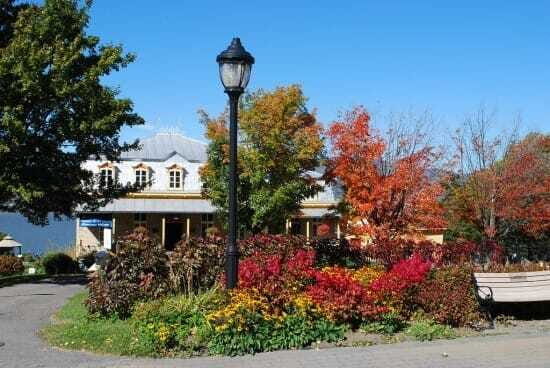
I think this tour fits best if you’re:
- visiting Quebec City for the first time and want a sensible route
- short on time but want more than Old Quebec (you get the countryside too)
- interested in the French-English 1759 story tied to a real location
- the kind of person who likes learning from a guide but still wants photo and walk breaks
It may feel less ideal if you:
- have a hard time window later in the day (because the day can run longer)
- prefer single-language narration with no switching
One more detail from real-world experience: guides can vary in tone day to day. I’ve seen accounts where the guide was extremely attentive and safety-focused, including clear, clean explanations and practical tips for exploring the attractions. I’ve also seen a separate note about an interaction on the bus feeling awkward and a bilingual format that was harder to follow. Translation: most of the time it’s well run, but if you’re easily thrown by audio switching or uncomfortable moments, keep expectations grounded.
Should You Book This Quebec City and Île d’Orléans Tour?
Book it if you want a smart, guided “best of” route that links Old Quebec’s most photographed streets and landmarks to Plains of Abraham, then carries you out to Côte-de-Beaupré, Île d’Orléans, and Montmorency Falls. The inclusion of transportation, entrance fees, and a live guide helps the day feel like good use of time rather than a complicated logistics project.
Skip or consider another option if your schedule is tight or you hate any possibility of the day running long. Also think twice if you strongly prefer one language throughout, since this tour operates bilingually.
If you like structure, iconic stops, and a mix of city and countryside in one go, this is a solid way to experience Quebec City beyond the walls.
FAQ
Where do I meet the guide for the tour?
You’ll meet your guide in front of Musée du Fort. Look for a bus with Unitours or Quebec Tours written on it.
How long is the tour?
The duration is listed as 7 hours.
What’s included in the tour price?
Transportation, a guide, and entrance fees are included.
What languages is the live guide available in?
The guide offers live narration in French and English.
What are the main places you’ll visit in Quebec City?
You’ll see key sights in Old Quebec, including areas like Petit Champlain and Place Royale, plus major landmarks such as the Art Deco Price Building and Château Frontenac. You’ll also stop at the Plains of Abraham.
Do you visit Montmorency Falls?
Yes. You’ll visit Montmorency Falls with free time and walking time, plus scenic views on the way.
Do you visit Île d’Orléans?
Yes. The tour includes time on Île d’Orléans, known as the cradle of French civilization in North America.
What should I wear?
Wear comfortable shoes, since there is walking during the tour.
Is the tour cancellation flexible?
Yes. Free cancellation is offered up to 24 hours in advance for a full refund.
Is there an option to book now and pay later?
Yes. You can reserve now and pay later to keep your travel plans flexible.