REVIEW · QUEBEC CITY
Quebec City Shore Excursion: Grand Walking Tour of Quebec City
Book on Viator →Operated by Tours Voir Quebec · Bookable on Viator
Old Québec is best on foot. This Upper-and-Lower Town shore walk mixes major sights with a clear timeline, so you get oriented fast without it turning into a lecture. I love how the guide ties the city’s story from 1608 to today to what you’re standing in front of. I also love that the tour finishes near the funicular, making it easy to keep exploring after the walk. One catch: it’s mostly an outside walking tour, so you shouldn’t plan on lots of time going inside buildings.
The pace is built for cruise days: small group size (up to 15), about two hours, and a meeting point and finish area that are only a short stroll from the port. It runs in English with a mobile ticket, and it keeps going in typical Quebec weather, so you’ll want to dress for wind and cold.
You’ll cover the places that define Old Québec, from the Upper Town down to the Lower Town feel, including the Place Royale area, Château Frontenac views, and the Notre-Dame-des-Victoires area. You also get the defense-and-fortifications angle, including how the walls shaped a city that still looks like it belongs to another century.
In This Review
- Quick hits before you book this Quebec City shore excursion
- How the tour flows from the cruise area to the Lower Town finish
- First stop: Upper Town (Haute-Ville) and the 1608-to-now orientation
- Place Royale: where the city’s origin story becomes visual
- Fortifications, Citadelle, and the defense logic you’ll remember
- Notre-Dame-des-Victoires and the limits of “seeing it all”
- Getting the most out of photos and pacing on a downhill route
- Price and value: what $27.78 buys you in Quebec City
- Who this walking tour suits best (and who should think twice)
- Should you book this Quebec City shore excursion?
- FAQ
- How much does the Quebec City Grand Walking Tour cost?
- How long is the tour?
- Is the tour offered in English?
- Where do we meet for the tour?
- Where does the tour end?
- Is port pickup and drop-off included?
- How much walking is involved and is it for all fitness levels?
- What if my cruise ship is delayed?
- Can I cancel for a full refund?
Quick hits before you book this Quebec City shore excursion
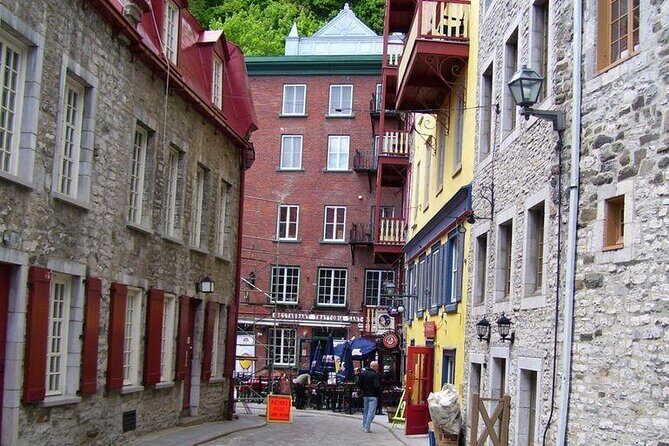
- Upper Town to Lower Town downhill route that helps you see more without fighting a steep climb
- Place Royale + Château Frontenac area views in the heart of Old Québec
- Fortifications and defense story: why the walls mattered for centuries
- Notre-Dame-des-Victoires and major landmarks on a tight, guided timeline
- Small group of up to 15 for a calmer experience and easier Q&A
How the tour flows from the cruise area to the Lower Town finish
This is the kind of Quebec City shore excursion that works well on limited-port-time days. You meet at 12 Rue Sainte-Anne, then head into the Upper Town first. Since the start is described as a short walk from the cruise port, you’re not burning time on transfers. That matters, because in Quebec City, time disappears fast once you start walking cobblestones and stairs.
The walk is designed to go downhill from the beginning to the end. That sounds simple, but it’s a big deal when you’re already tired from getting off a ship. You’ll still do plenty of steps, but you’re not doing a brutal uphill march for two hours.
At the end, the tour finishes near the Funiculaire du Vieux-Québec (listed at 16 Rue du Petit Champlain). From there, it’s about a 5-minute walk to the cruise ship terminal, which is exactly what you want when you’re trying to stay on schedule.
One practical note: the tour is operating in all weather conditions, and it’s recommended that you have moderate physical fitness. That means you’ll likely be out there in light rain or cold wind, so bring a jacket you’ll actually wear.
You can also read our reviews of more walking tours in Quebec City


First stop: Upper Town (Haute-Ville) and the 1608-to-now orientation
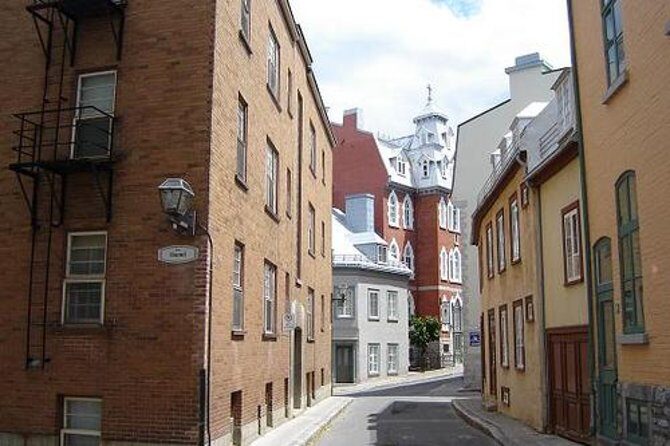
Starting in Haute-Ville gives you the best angle for understanding Quebec City. You’re not just seeing pretty streets; you’re getting a sense of where the power and early settlement sat, and why that mattered. The tour’s framing runs from the city’s beginning in 1608 to the present day, which helps you connect the dots as you move.
You’ll also get a real sense of how Quebec City is laid out. The Upper Town feels like the “old authority” side, while the Lower Town feels more like daily life and commerce. Even if you’ve seen photos of the skyline, walking the route helps you learn the geography quickly.
Expect guided storytelling as you go, with stops aimed at big anchors: the historic core, the fortress setting, and the signature views. In reviews, guides like Yves, Paul, Anne, and Helene are highlighted for keeping the walk lively and moving at a controlled pace. That’s a good sign for you if you’re the type who wants facts without feeling like you’re reading a textbook on the street.
The only “watch out” mindset for this part: you’re outdoors, on uneven surfaces. Cobblestones and stone steps are part of the game. Bring shoes with solid grip. If you do, you’ll enjoy the flow instead of thinking about your footing.
Place Royale: where the city’s origin story becomes visual
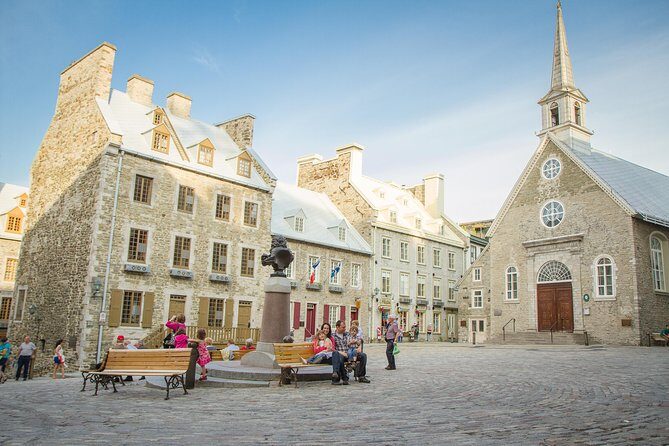
Place Royale is one of the spots that makes Quebec City feel unmistakably French-Canadian. The tour positions this area as a key moment in the story of French America, so you’re not only admiring buildings—you’re getting the “why this place matters” context while you’re standing there.
You’ll spend time walking through Place Royale and then take in the Château Frontenac area. Even if you’ve seen Château Frontenac postcards, seeing it from the street level gives you a better sense of scale. It sits like a landmark you can’t ignore, and on a walking route you naturally collect multiple viewpoints without needing a separate ticketed stop.
This is also where you’ll start noticing the relationship between the city’s layout and its identity. The Old Québec look isn’t random. It’s tied to settlement patterns, defense needs, and social hierarchy. A good guide will point out what to look for in stonework and street alignment, and help you understand why the city grew the way it did.
The other reason I like this stop for first-time visitors: it gives you an emotional payoff early. You get the classic Quebec City scene before your legs are completely done. That keeps your energy up for the next phase, which is where the defense story really takes shape.
Fortifications, Citadelle, and the defense logic you’ll remember
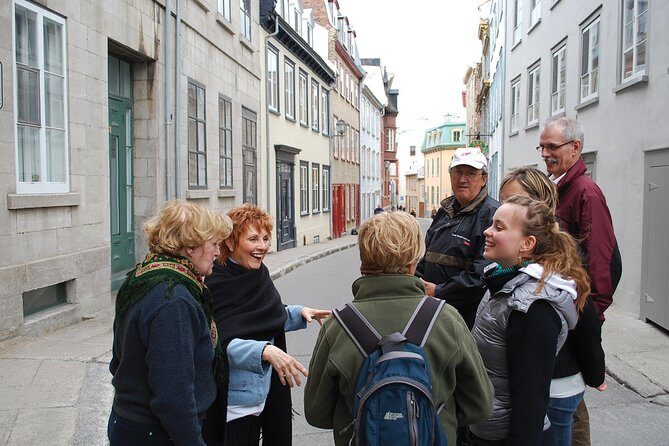
Quebec City isn’t famous only for old streets. It’s famous for being one of North America’s only remaining fortified city settings, and the tour leans into that. You’ll learn how the walls functioned over centuries and why they were essential in a place where survival depended on more than just good luck.
A key detail you should listen for: Quebec City is described as the only walled city north of Mexico. That fact isn’t just trivia. It’s a reminder that this place was built to last—and to protect people when borders were far less secure than they are today.
As you walk, you’ll also hear about the Citadelle of Québec, which is described as an active military installation and official residence of the Canadian monarch and the Governor General of Canada. That connection between “history” and “still in use” makes the fortress story feel real rather than dusty.
The tour also includes time at the Fortifications of Québec area, where the design makes more sense once you understand what the walls were meant to do. When you’re standing near the right stretches, you start to see how defense shaped daily movement and planning.
If you’re the type who likes to ask questions, this is the part to do it. In multiple guides’ styles mentioned in feedback, Q&A and storytelling are a big part of what makes the walk feel like an experience rather than a checklist. Even without being inside every building, you’ll leave with a clearer mental map.
Notre-Dame-des-Victoires and the limits of “seeing it all”
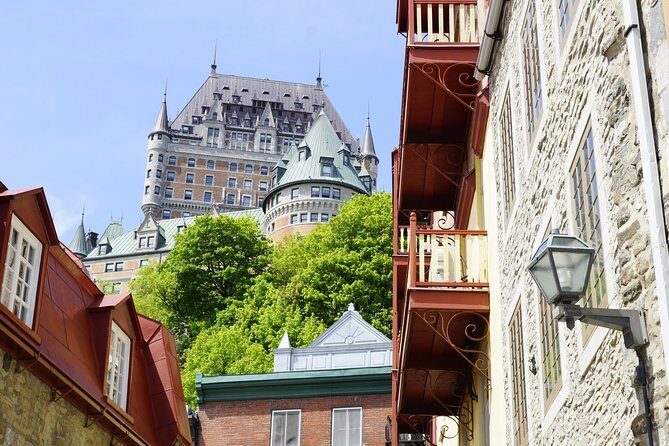
The tour includes major religious and historic anchors, including the Basilica Notre-Dame area and the Notre-Dame-des-Victoires Church location. You’ll hear that Notre-Dame-des-Victoires is one of the oldest stone churches in Canada and is tied to the very spot where Quebec began.
Here’s the practical expectation I recommend you set ahead of time: this is primarily a walking tour that focuses on exterior viewing and guided context. Some people book a tour like this expecting lots of indoor time. If that’s your goal, you might be disappointed, because the schedule and route are built to keep you moving between key viewpoints and streets.
That doesn’t mean it’s boring. In fact, it’s often better for getting your bearings. You’ll understand why these structures sit where they do, how they connect to the founding story, and how they fit into the fortified-city layout.
You should also plan for noise. Construction and street performers can affect how clearly you hear the guide at times. If the volume is an issue, your best move is simple: stop near the guide, turn your body toward them, and don’t be shy about asking for repetition.
For most people, the payoff is leaving with a mental timeline of what happened where: founding, defense, growth, and what still functions today.
You can also read our reviews of more city tours in Quebec City




Getting the most out of photos and pacing on a downhill route
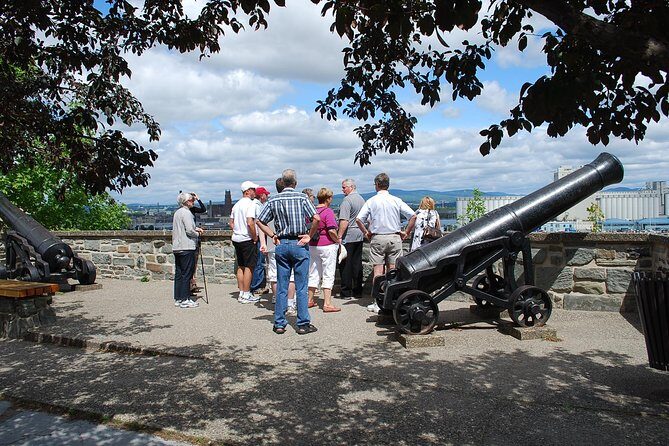
A downhill route is smart on cruise day. But it changes how you take photos. When you’re walking down through Old Québec, you’ll want to pause at key corners rather than trying to stop everywhere.
My advice:
- Wear shoes that handle stone steps and slick patches.
- Bring a light layer you can adjust as you move between open viewpoints and tighter street sections.
- If you care about photos of Château Frontenac, plan to take them when the group is stopped—don’t wait to gather your camera gear while you’re mid-stride.
The group size helps here. With up to 15 travelers, your pace is likely steady, and you’re not trapped behind a big crowd. That also makes it easier to hear the commentary when the guide stops at each landmark.
Time-wise, this is described as about 2 hours. In real life, guides may run a bit long to answer questions and make sure the group reaches the key points. The good news: the end location is near the Lower Town and close to the ship area, so even if you spend a little extra time on the story, you’re still positioned for an efficient return.
And yes, you’ll walk. You’ll cover both the Upper Town and Lower Town feeling, and you’ll move enough that it feels like you did something meaningful, not like you took a short stroll around the nearest plaza.
Price and value: what $27.78 buys you in Quebec City
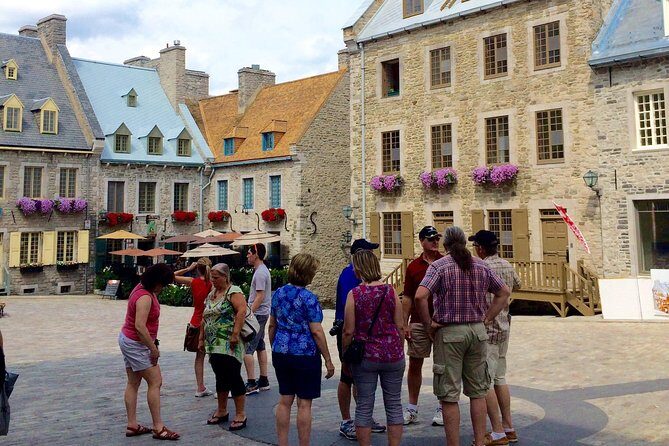
At $27.78 per person for an approximately 2-hour guided walk, the value depends on what you need from your time in port.
If you want a guided orientation, this price is reasonable. You get a licensed professional guide, a structured route, and local taxes included. On a cruise day, paying for guidance is usually cheaper than paying with your time. A guide helps you avoid wasted wandering and helps you understand what you’re looking at once you’re on the street.
There’s also a “you don’t have to figure it out” factor. The meeting and finish areas are close to where you need to be, and that reduces stress. Since port pickup and drop-off aren’t included, you’ll meet at the listed address and walk from there. But the tour description says the start and end are short stroll distances from the cruise port, which keeps the experience from turning into an extra logistics project.
So who gets the best deal? First-timers. If this is your first Quebec City visit and you want to see major highlights without spending hours mapping your own route, the guided format is exactly what you’re paying for.
Who might hesitate? If you already know you’ll only enjoy places where you can go inside, and you’re hoping for a lot of interior visits, this could feel too exterior-focused.
Who this walking tour suits best (and who should think twice)
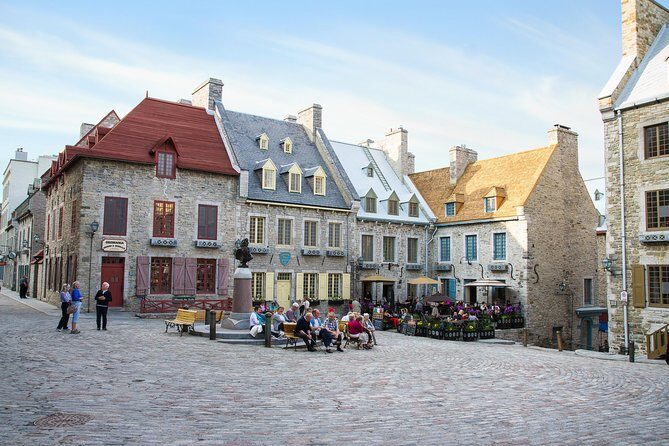
This shore excursion is a great match for people who like history with motion. You’re walking, listening, and seeing. The guide sets a pace, and you get a mix of landmarks that help you understand what makes Quebec City special.
It’s also a good fit if you like small groups. With a maximum of 15 travelers, you’ll usually have an easier time hearing the guide and asking questions. In feedback, multiple guides were praised for keeping the walk engaging—people mention guides such as Robert, Louise, Carole D, and Jocelyne for staying upbeat and controlling the pace well.
You should think twice if:
- You hate walking on uneven stone streets.
- You want lots of indoor access and don’t like exterior viewing.
- Your day is already tight and you’re not willing to commit to about two hours outside.
If you book, do it with the right expectations: you’re buying a smart walking overview. You’ll likely want to follow up afterward by choosing a couple of spots you want to revisit on your own with more time.
Should you book this Quebec City shore excursion?
I’d book it if you want the fast, guided route through Old Québec that helps you understand what you’re seeing. The combination of Upper Town down through Lower Town, major landmarks like Place Royale and Château Frontenac views, and the defense-wall story is exactly how you get orientation without spending your cruise day in guesswork.
Don’t book it if your main goal is indoor touring. This walk is built for walking and learning from the street level, not for a museum-style circuit of building interiors.
My rule of thumb: if you’re doing Quebec City for the first time and you want a clear mental map by the time you head back to your ship, this is a strong, efficient choice.
FAQ
How much does the Quebec City Grand Walking Tour cost?
It costs $27.78 per person.
How long is the tour?
The tour is listed at about 2 hours.
Is the tour offered in English?
Yes, it’s offered in English.
Where do we meet for the tour?
You meet at 12 Rue Sainte-Anne, Québec, QC G1R 3X3, Canada.
Where does the tour end?
It ends near the Funiculaire du Vieux-Québec (listed at 16 Rue du Petit Champlain), and it’s about a 5-minute walk to the cruise ship terminal.
Is port pickup and drop-off included?
No. Port pickup and drop off are not included.
How much walking is involved and is it for all fitness levels?
You should have a moderate physical fitness level. The route includes a downhill path through the city, but it’s still a walking shore excursion.
What if my cruise ship is delayed?
This is described as a worry-free shore excursion. If your ship is delayed and you’re unable to attend, you’ll receive a refund.
Can I cancel for a full refund?
Yes. You can cancel up to 24 hours in advance for a full refund.