REVIEW · QUEBEC CITY
Quebec City: Honey and Distillery Tour with Tasting
Book on GetYourGuide →Operated by Apikol - Distillerie de Quartier · Bookable on GetYourGuide
Bees. Indoors. In Quebec City. Apikol is a honey-and-distillery stop in Saint-Roch where you can watch a live, all-season hive through an indoor observation setup, no weather drama needed. I love the indoor observation hive and the owner-led feel, since the guides are co-owners who work as beekeepers and distillers.
You’ll also get the full honey-to-alcohol story, walking through extraction, fermentation, distillation, and aging, then ending with a three-drink tasting. If you’re not into sitting in a small indoor room for a long stretch, the bee portion can feel a bit long, especially in cool months.
In This Review
- Why Apikol’s honey-and-distillery tour feels different
- Entering Apikol in Saint-Roch: what you’re really touring
- The all-season bee hive: watching work in real time
- From honey extraction to fermentation: how mead starts
- Distillation, ageing, formulation, and bottling: the part that turns sweet into spirit
- Meet the owners, hear the eco-friendly project
- The tasting (15 minutes): three honey-based drinks, plus optional add-ons
- Price and value: what $21 gets you in real experience time
- Timing, language, and group size: making it work with your day
- Who this tour suits best in Quebec City
- Should you book Apikol’s honey and distillery tour with tasting?
- FAQ
- What is the duration of the Apikol honey and distillery tour?
- How many products are included in the tasting?
- Is the tour indoors or outdoors?
- Who guides the tour?
- Are there options for kids or teenagers?
- What languages are available?
- What is the group size limit?
- Where do I check in?
- What if my plans change?
Why Apikol’s honey-and-distillery tour feels different
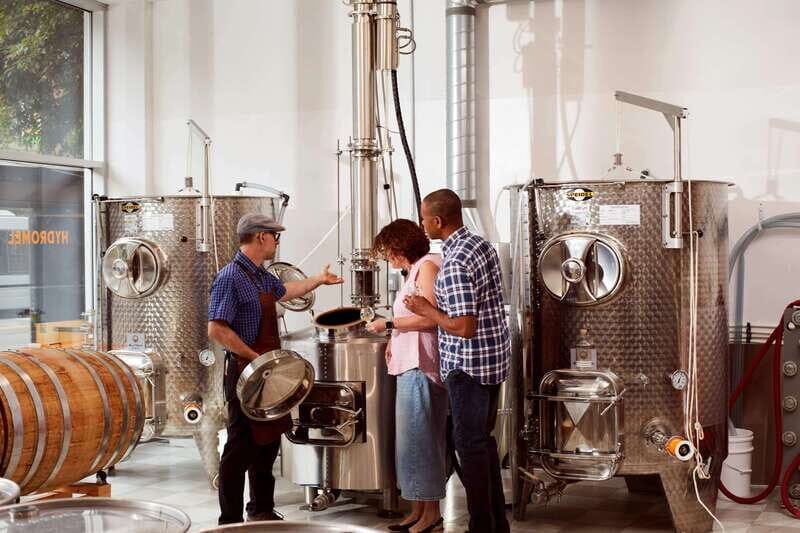
Apikol (in the Saint-Roch district) packs multiple parts of the honey and spirit world under one roof: honey house, mead house, distillery, and a tasting area. It is urban-farm energy without the farm-tour boredom. You get to see how honey becomes mead and spirits, and you also hear about the eco-minded choices behind the operation.
This is the kind of tour that makes bees feel practical. Not just cute insects, but workers running a system all season long. You’ll spend less time staring at generic displays and more time watching real activity, then translating that into real flavors.
Entering Apikol in Saint-Roch: what you’re really touring
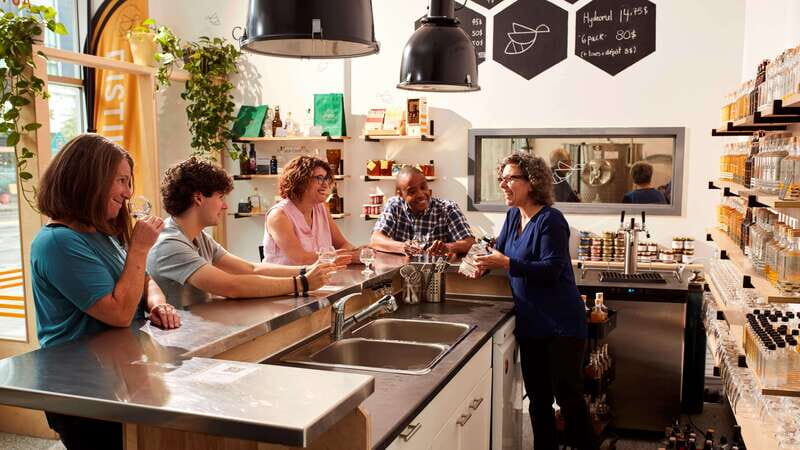
Step into Apikol and you’re immediately in the middle of their process. The tour is designed as a guided walk through an integrated workspace: honey-related areas, a mead-focused setup, distillery equipment, and a dedicated tasting space.
The big thing for your expectations: this is an indoor experience. That matters in Quebec City, where winter is real and daylight hours can be short. Here, the best part of the tour stays comfortable and consistent.
You’ll be guided by an in-house expert who can explain both sides of the operation: beekeeping and distilling. Some guides you might hear mentioned in prior visits include Fred as an engaging, hands-on explainer, and Constance as a personable tasting guide. (Even if you meet a different expert, you can expect the same hands-on style.)
You can also read our reviews of more food & drink experiences in Quebec City


The all-season bee hive: watching work in real time
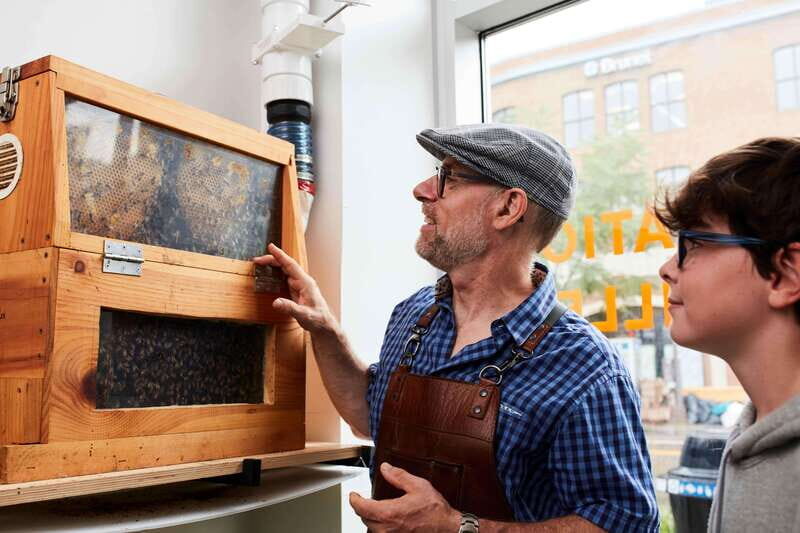
The tour starts with the star attraction: the live bee hive viewed from indoors. Apikol uses a small all-season observation hive, so you can see bees at work year-round. It’s not a static exhibit. You’re watching activity and learning what you’re looking at.
What I like about this setup for you: it turns an abstract fascination into something you can actually track. You’ll get guided interpretation of bee life and the practical work beekeepers do, plus how honey extraction fits into the seasonal rhythm.
A key consideration: this part is the lengthiest segment (the guided portion runs about 45 minutes). That means the room time is real. If you want frequent movement breaks, plan to sit close to where the guide can point out details quickly so you can stay engaged.
From honey extraction to fermentation: how mead starts
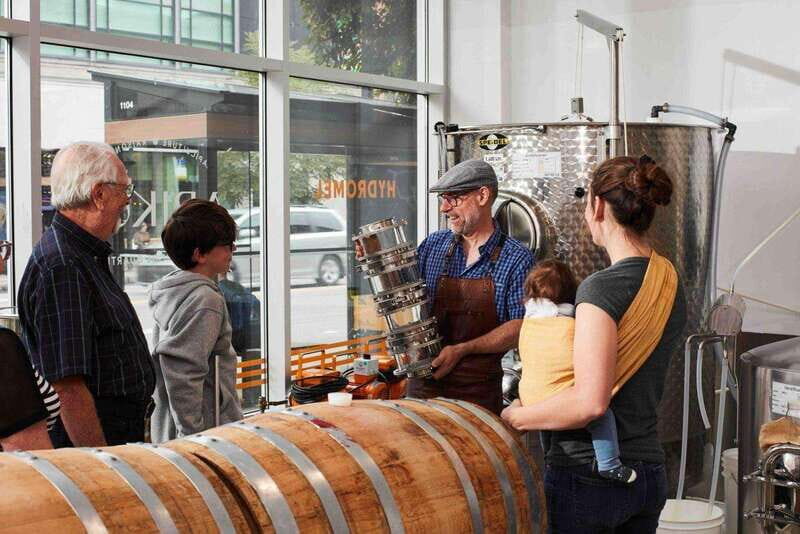
Once you’ve got bees and honey extraction on your radar, the tour moves into what happens after the honey is collected. You’ll see how homemade honey becomes fermented beverages—this is where mead enters the picture.
Apikol’s story is very much local-honey focused. The emphasis is on pure honey and turning it into artisanal mead and spirits. So instead of a vague overview, you get a step-by-step framework for how fermentation relates to flavor.
Why this matters for you: fermentation is one of those words people toss around. Here, it’s part of a visible chain. Even if you don’t remember every step, you’ll leave knowing what kind of process changes drive what you taste later.
Distillation, ageing, formulation, and bottling: the part that turns sweet into spirit
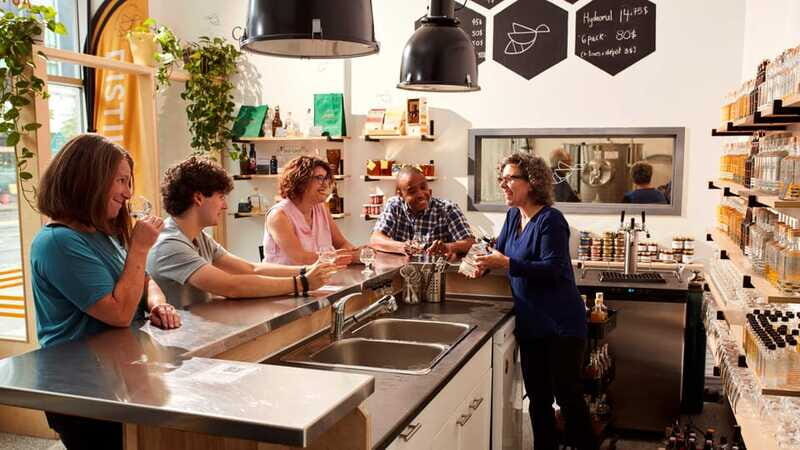
Then comes the distillery side. The tour covers the path from transformation to finished bottles, including distillation, aging, formulation, and bottling. You’re not just hearing about end products—you’re being guided through what each stage is trying to accomplish.
This is also where Apikol’s urban-meets-artisanal identity becomes clearer. Honey is the base. Distillation and aging shape the result. Formulation helps define what ends up in your glass.
If you’re a flavor nerd, you’ll enjoy how the guide explains what you can expect from different styles. If you’re more of a casual taster, you’ll still get the practical takeaway: honey-based ingredients can lead to spirits with their own identity, not just sweetness.
Meet the owners, hear the eco-friendly project
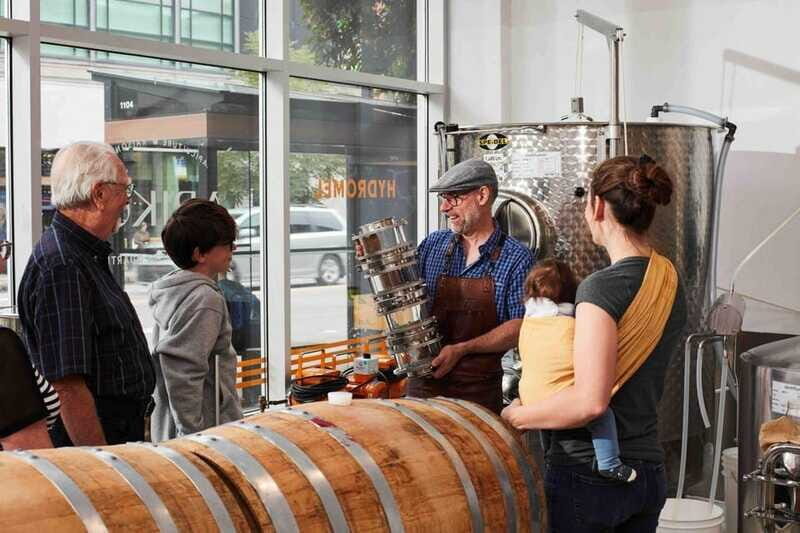
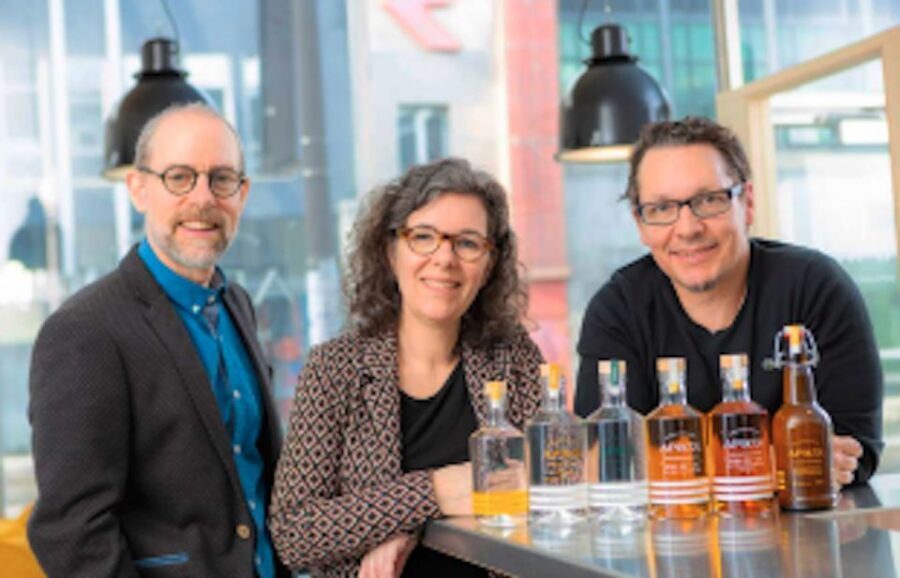
One of the most human parts of this visit is that it is guided by co-owners who can connect the science to the mission. Apikol’s eco-friendly angle isn’t just marketing language here. The tour is framed around maintaining a small ecological footprint while producing honey-based beverages from locally sourced inputs.
In plain terms, you’re getting a business that treats sustainability as a working constraint. That changes the way they talk about their farm setup and production choices. It also makes the tour feel more like a conversation than a script.
A detail worth noting: the experience is built for small groups. It’s limited to 8 participants, which makes questions easier and keeps the pacing from turning into a conveyor belt.
You can also read our reviews of more city tours in Quebec City





The tasting (15 minutes): three honey-based drinks, plus optional add-ons
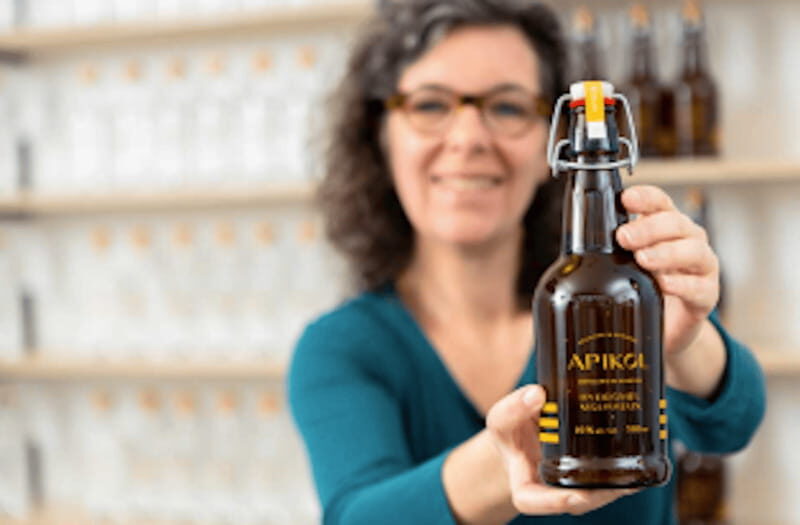
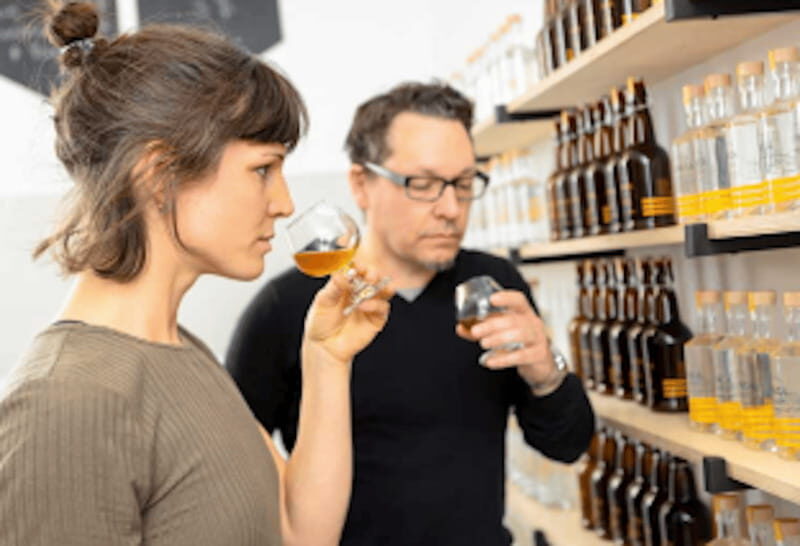
The tour ends with a short tasting led by an in-house expert. You’ll taste three products—meads and spirits—within about 15 minutes. One of the options typically highlighted is an effervescent mead. If you want to expand beyond that set, there’s also an optional chance to add the others for a small supplement.
This short format is smart. You don’t get stuck in a long tasting room where you forget what you learned during the bee and production walkthrough. Instead, you pair process with flavor right away.
You’ll likely notice a few patterns:
- Honey-driven sweetness and aroma, even when the drink is not simply sugary
- A range of textures, especially with effervescence in the mix
- The way distillation and aging shift what you taste, turning honey into something with more spirit structure
For families and younger visitors: anyone under 18 gets a non-alcoholic beverage, so the tasting stays appropriate for your group.
Price and value: what $21 gets you in real experience time
At about $21 per person for roughly an hour, this is one of the more focused specialty tours you can do in Quebec City. You’re not paying for a long coach ride or a distant countryside detour. You’re paying for:
- Access to a live indoor hive viewing experience
- A guided walkthrough that includes multiple production stages
- A tasting of three honey-based products
- Small-group time with an owner-level expert
That combination is where the value comes from. One-hour tours can feel thin when they’re just a quick walk and a sip. Here, the bee-to-bottle chain is the point, and you actually cover enough steps to connect your tasting to your learning.
Timing, language, and group size: making it work with your day
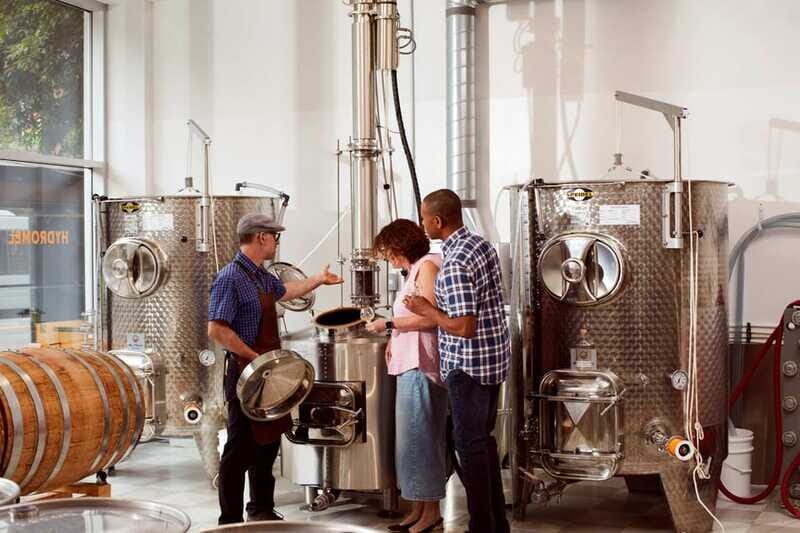
The visit is about 1 hour total. The guided portion is about 45 minutes, then the tasting segment comes after. It’s also an indoor plan, so it fits neatly into a winter day when you don’t want to gamble with weather.
Language support is French and English. Since the guide is leading the whole experience, it’s worth choosing the language you’ll be happiest asking questions in. With a small group of up to 8 people, you’re more likely to get personal answers instead of listening from the back of a crowd.
One practical perk: you can use a separate entrance to skip the line.
Who this tour suits best in Quebec City
This is a great pick if you:
- Want something specific to Quebec City that’s not just another tasting room
- Like bees, farm work, and real-world production processes
- Appreciate small groups and expert-led explanations
- Want to learn how honey becomes mead and spirits in a single visit
It’s also a good fit for people who want an indoor activity that still feels hands-on and “alive,” not museum-like.
Who should be a bit cautious: if you strongly dislike indoor seating, the bee-hive segment takes a steady chunk of time, and you’ll be in the observation area for it.
Should you book Apikol’s honey and distillery tour with tasting?
I think you should book this tour if you want a compact Quebec City experience that connects living bees to what ends up in your glass. The small group size, the live indoor hive viewing, and the guided chain from honey extraction through fermentation and distillation all point to a well-structured visit for the price.
Skip it only if you’re mainly looking for a long, wandering distillery walk with lots of free time, or if the idea of a mostly indoor, structured hour does not sound fun to you.
FAQ
What is the duration of the Apikol honey and distillery tour?
The tour lasts about 1 hour total.
How many products are included in the tasting?
The tasting includes three products (meads and spirits). The tour highlights an effervescent mead as part of this set, with the option to add others for a small supplement.
Is the tour indoors or outdoors?
This is an indoor tour, including the live bee hive observation.
Who guides the tour?
The tour is led by an in-house expert and co-owner who works as a beekeeper and distiller.
Are there options for kids or teenagers?
Visitors under 18 receive a non-alcoholic beverage.
What languages are available?
Tours are offered in French and English.
What is the group size limit?
The tour is a small group limited to 8 participants.
Where do I check in?
Check in at the distillery front desk and let them know you booked a distillery tour.
What if my plans change?
You can cancel up to 24 hours in advance for a full refund, and there is also a reserve now and pay later option.