REVIEW · MONTREAL
Montreal: Maple syrup tasting and conference
Book on GetYourGuide →Operated by Domaine des 15 lots · Bookable on GetYourGuide
Maple syrup tasting sounds simple, then it turns into a mini history lesson. I like how this one moves beyond one syrup pour and gets you comparing flavors, textures, and culinary uses as you go.
You’ll taste four types of maple syrup and a spread of maple products from a family sugar farm plus a few friends farms, and I found that side-by-side tasting really helps your palate understand what changes in production and flavor. I also like that you get the hands-on spring classic: maple taffy on snow, plus traditional Quebec pastry bites and a warm drink in the kitchen.
The main catch is it’s a sweet experience. If you’re not into sugary tastings, or you’re managing diabetes, you’ll likely want to skip this one since it’s built around tasting multiple treats.
In This Review
- Key points I’d center in your planning
- Entering Domaine des 15 lots: warm kitchen welcome and a 75-minute rhythm
- What you taste: four maple syrups plus 10 maple products
- The conference portion: history, harvesting, production, and how maple shows up in food
- Four syrup types: how to taste differences like a pro
- Maple taffy on snow: the traditional spring candy moment
- Quebec pastries and maple treats: how the flavors fit together
- Small group size and the value of a guided kitchen tasting
- Who should book this maple syrup tasting (and who might want to skip it)
- Should you book the Montreal maple syrup tasting and conference at Domaine des 15 lots?
- FAQ
- Where does the maple syrup tasting take place?
- How long is the experience?
- How much does it cost?
- What will I taste during the session?
- Do I get coffee or tea?
- Is maple taffy on snow part of the experience?
- How big is the group?
- What languages are available?
- Is it suitable for children?
- Is it suitable for people with diabetes?
- What is the cancellation policy?
- When is it usually available?
Key points I’d center in your planning
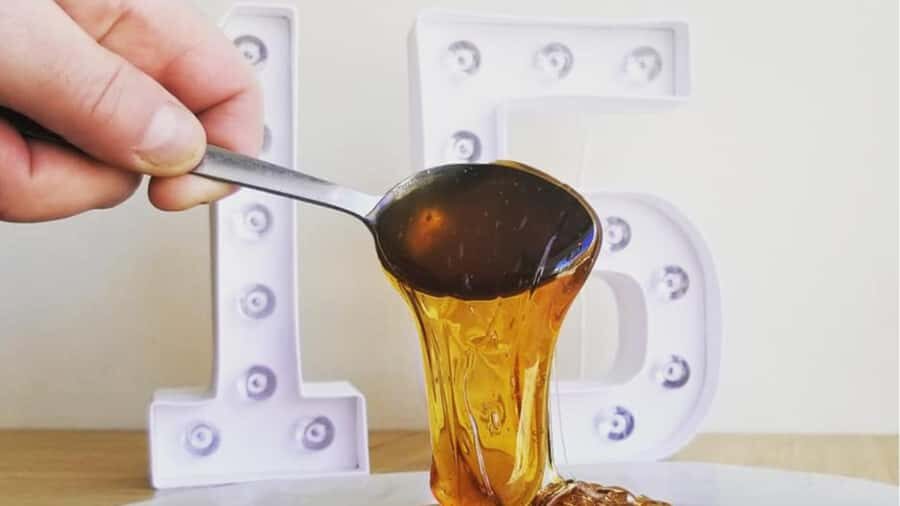
- Four syrup types tasted back-to-back so you can actually compare, not just sample
- A 1h15 conference covering origin, harvesting steps, production, and market context
- 10 maple products including butter, maple loaf, jelly, and pastries
- Maple taffy on snow as the traditional springtime centerpiece
- Small group up to 6 with a French/English live guide in the kitchen
Entering Domaine des 15 lots: warm kitchen welcome and a 75-minute rhythm
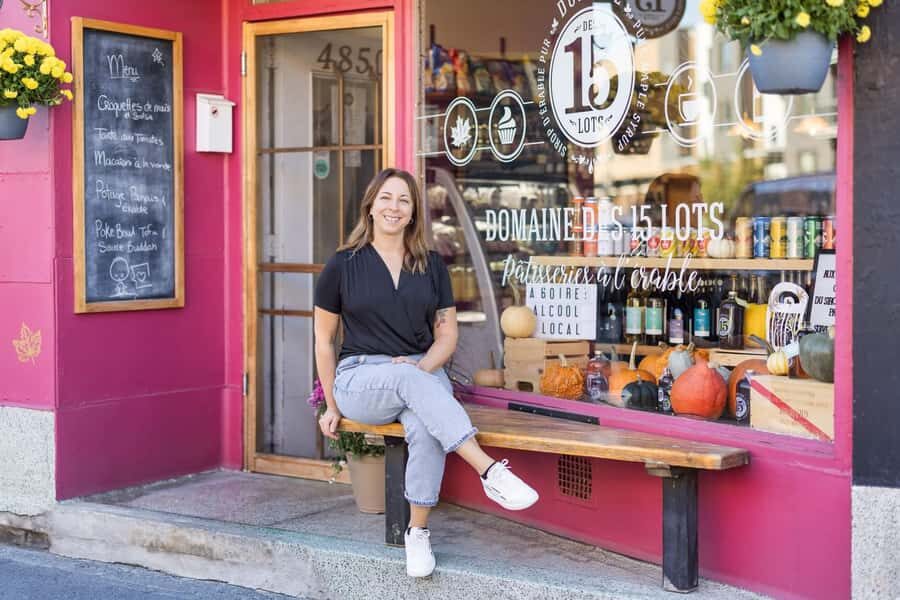
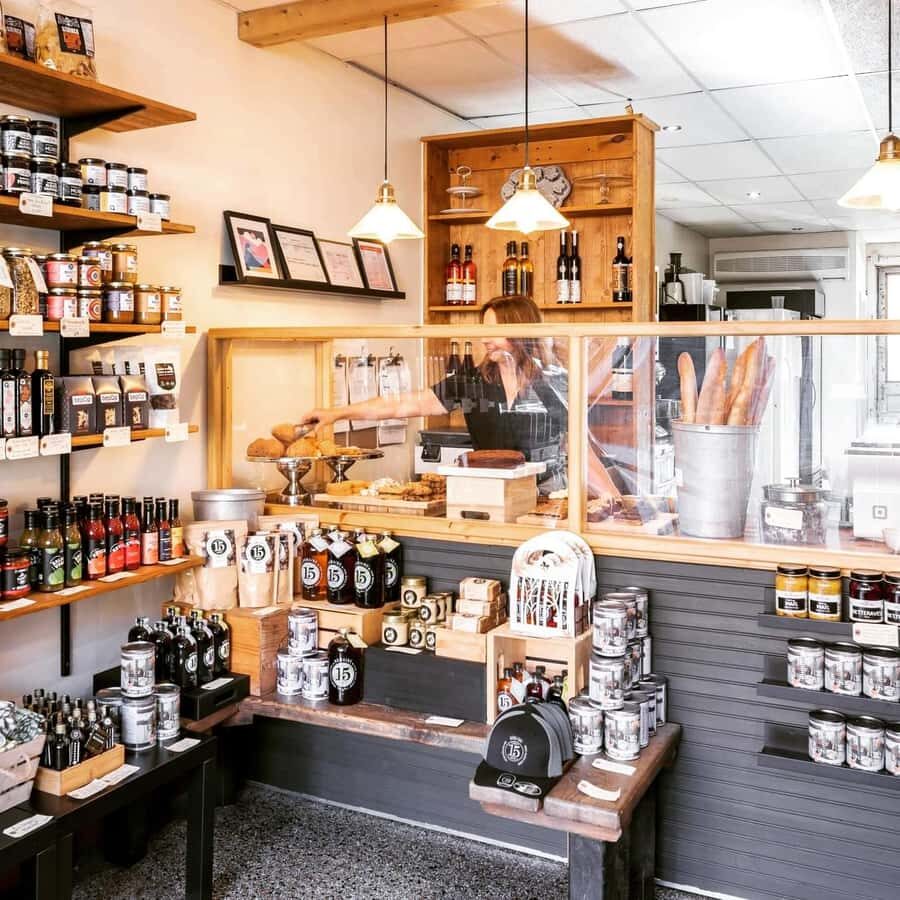
This experience runs in the pastry shop kitchen at Domaine des 15 lots, where you start with a hot coffee or tea and a friendly welcome. It lasts about 75 minutes, which means you get the teaching part without it turning into an all-day food event.
I like this timing because it fits well when you want something more meaningful than a quick bite. If you’re visiting Quebec with a schedule full of walking and museums, this is a different kind of stop: seated, chatty, and very food-focused.
You’ll also want to plan to arrive at the Domaine des 15 lots pastry shop meeting point so you don’t lose time before the tasting begins. Once you’re inside, the format stays simple: guide-led talk, then tasting moments, then the sweet finale.
You can also read our reviews of more food & drink experiences in Montreal


What you taste: four maple syrups plus 10 maple products
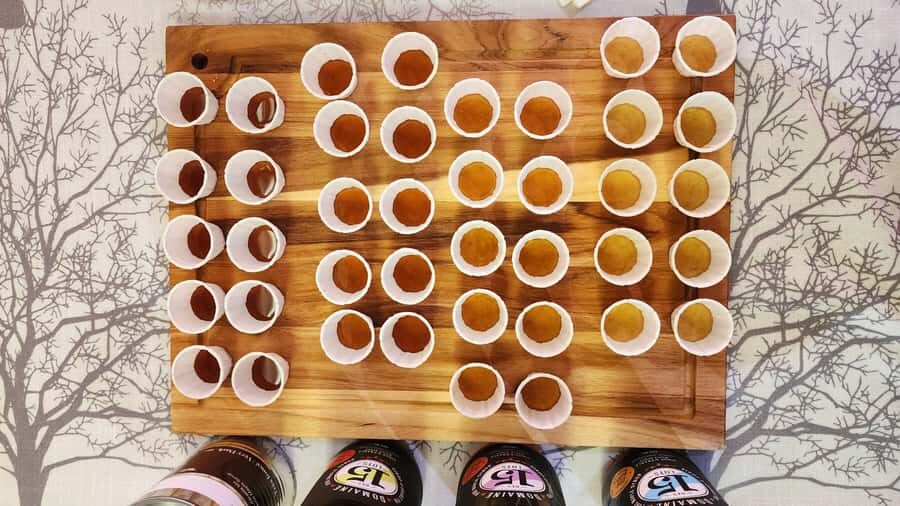
The tasting is the heart of the experience. You’ll sample the four kinds of maple syrup, and you’ll also get maple products from the family-owned sugar farm and a few partner farms.
The product list you can expect includes maple butter, maple loaf, maple jelly, and multiple pastries. That lineup matters because it shows maple as more than a pancake topping. Sweet-salty butter behaves differently than syrup, jelly gives you a fruit-framed sweetness, and baked goods let the flavor spread into dough and crumb.
A big plus here is the number of tastes. You’re not doing one or two sips and leaving; you’re tasting 10 different maple products as the guide explains what you’re eating. For me, that turns tasting into learning, because you can link the talk to what’s happening on your tongue.
One practical consideration: since you’ll be sampling several sweet items, it helps to arrive with an appetite for dessert. If you’ve already had a heavy meal, you may enjoy the education but find the sweets harder to finish.
The conference portion: history, harvesting, production, and how maple shows up in food
This isn’t a silent tasting. You’ll get a live guide talk that covers the origin of maple syrup, the steps for harvesting maple water, and how syrup makes its way into the market.
That harvesting part is especially useful because it gives context to what you’re tasting. Maple flavor doesn’t just appear in a bottle; it comes from a process that has a season, timing, and careful collection. Even at a high level, understanding the steps helps you notice differences in syrup type rather than treating all maple as the same thing.
The guide also connects maple to culinary uses. That’s where I think this experience is smarter than many tastings: you’ll learn not only what’s in the products, but how people use maple in cooking and baking. Afterward, you’ll likely start thinking in terms of pairing, not just sweetness.
Language support is built in: the guide speaks French and English, and the group is small, so it’s easier to follow along even if you want to ask questions.
Four syrup types: how to taste differences like a pro
You’ll taste four varieties of maple syrup, and the key is to compare them while they’re fresh in your memory. The experience is designed to keep the tasting structured, which makes it easier for you to notice subtle changes.
Here’s a simple approach you can use during the tasting. First, smell the syrup before you sip it or taste it. Then compare sweetness and aroma intensity. Finally, pay attention to how it feels on your tongue. Even without getting too technical, your mouth can notice whether a syrup tastes lighter, darker, more caramel-like, or more pronounced.
I like that you’re tasting syrup varieties in the middle of a story about harvesting and production. That structure helps you make sense of differences instead of just moving from one flavor to the next.
If you’re a maple fan, this is where the experience becomes extra satisfying. If you’re new to maple, this is the moment that gives you a baseline. Either way, tasting the four types in a short window gives you a clear, memorable comparison.
Maple taffy on snow: the traditional spring candy moment
Then comes the classic: maple taffy on snow. The format is simple, but the concept is very Quebec and very seasonal, and it’s the kind of moment that makes the experience feel more than just a food list.
Maple taffy on snow works because it’s a quick transformation from syrup to candy texture as it meets cold snow. Even if you’re not doing a deep science explanation, you’ll taste the difference between slow-simmered syrup and the caramel-like candy result.
This is also a fun “do it now” step, which helps the entire session feel lively instead of only lecture-and-bite. It’s sweet, and you should treat it as the dessert centerpiece rather than a tiny snack.
If you’re sensitive to sugar, plan for this as the high-sugar peak of your tasting. If you’re just happy to indulge a little in Quebec spring tradition, this part is the one you’ll remember later when you see maple candy back home.




Quebec pastries and maple treats: how the flavors fit together
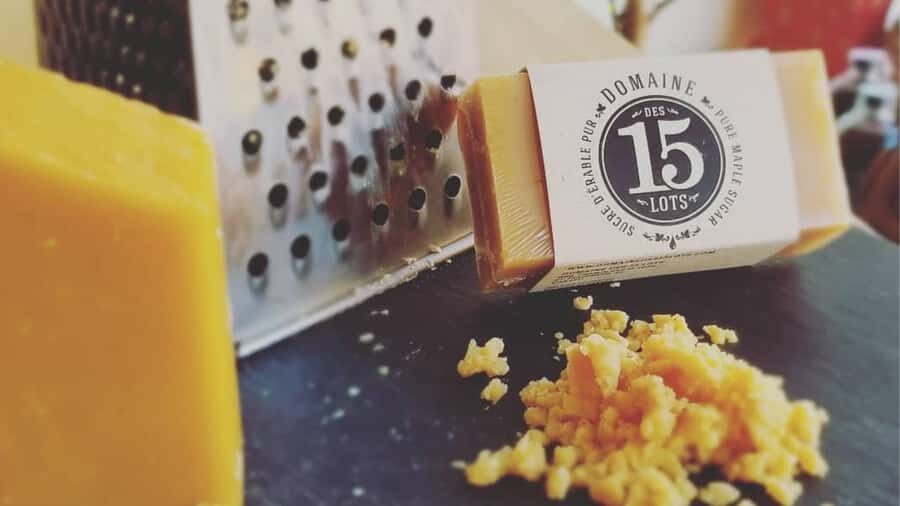
Along with maple syrup and taffy, you’ll sample traditional Quebecois pastries. This matters because pastries are where maple flavor often becomes part of a broader taste profile: dough, butter, spices, and sugar all working together.
Since the experience includes pastries along with items like maple loaf and jelly, you can trace maple’s personality across different formats. Syrup is concentrated and immediate. Jelly brings a jam-like sweetness. Maple loaf and pastries let you taste maple baked into structure, not just poured on top.
I also like that coffee or tea is included. It’s a practical pairing because it can take the edge off sweetness and help you keep tasting comfortably through the full 75 minutes.
One more small but important point: this is in a pastry shop kitchen, so the sensory environment stays food-centered. That adds to the charm if you enjoy seeing how pastry and sweet treats are part of local culture, not just served as a museum-style sample.
Small group size and the value of a guided kitchen tasting
You’ll be in a small group limited to 6 participants, which changes the whole vibe. In a bigger group, tasting sessions can feel like you’re on rails. Here, the guide can slow down when needed, and you’re more likely to catch the explanation behind each item.
It also helps you get your money’s worth from the “conference” part. When the guide can speak to a smaller group, explanations about harvesting and culinary uses land better. You’re not just collecting bites; you’re building understanding in the moment.
Now, about price. At $22 per person for a 1 hour 15 minute guided session with a coffee or tea and 10 maple product tastings, it’s good value if you want both food and context. If you only want one quick taste with no learning, you might find it a bit more structured than you prefer. But if you’re the type who likes to understand what you’re eating, this format just makes sense.
Who should book this maple syrup tasting (and who might want to skip it)
This experience is a great fit if you:
- Enjoy food tastings and want four syrup types plus multiple maple products
- Like learning through tasting, not just reading labels
- Want a short Quebec spring tradition moment with maple taffy on snow
- Prefer a small group with a live guide in French or English
It’s not the best choice if you:
- Strongly dislike sweet foods, because the session is built around tasting several maple treats
- Have diabetes, since it specifically notes it’s not suitable for people with diabetes
- Travel with kids under 6, since it’s not suitable for that age group
Should you book the Montreal maple syrup tasting and conference at Domaine des 15 lots?
If you’re craving a hands-on Quebec food experience that doesn’t take all day, I’d book it. The combination of structured syrup tasting, a guide-led talk on harvesting and production, and the classic maple taffy on snow gives you both context and payoff.
Before you go, ask yourself one simple question: do you want a sweet, guided food session that’s mostly in a kitchen rather than a long sightseeing outing? If yes, this is exactly the kind of place where you’ll leave with a stronger understanding of maple and a few new favorite ways to think about it.
FAQ
Where does the maple syrup tasting take place?
It takes place at the Domaine des 15 lots pastry shop, which is also the meeting point.
How long is the experience?
The experience lasts about 75 minutes.
How much does it cost?
The price is $22 per person.
What will I taste during the session?
You’ll taste four kinds of maple syrup and multiple maple products, including butter, maple loaf, jelly, and pastries. The tasting includes 10 different maple products.
Do I get coffee or tea?
Yes. A coffee or tea is included.
Is maple taffy on snow part of the experience?
Yes. You’ll make and eat maple taffy on snow.
How big is the group?
The group is small, limited to 6 participants.
What languages are available?
The live guide offers French and English.
Is it suitable for children?
It’s not suitable for children under 6 years old.
Is it suitable for people with diabetes?
No. It’s not suitable for people with diabetes.
What is the cancellation policy?
You can cancel up to 24 hours in advance for a full refund.
When is it usually available?
It’s usually available in the afternoon.