REVIEW · CANMORE
Experience Golden Hour at Moraine and Lake Louise
Book on Viator →Bookable on Viator
One road. Two lakes. A real shot at golden light. This is a 6:00 pm start timed for softer colors and easier photos, with a guided walk that makes both stops feel meaningful. I love the small group size (max 13), and I like that Moraine Lake’s admission is included, so you’re not doing extra guesswork at the gate. The main drawback to plan around is weather: rain and wind can change the vibe fast, and the experience is weather-dependent.
A big part of why this tour works is how it treats the lakes as places to slow down, not just photo backdrops. Lake Louise gets a calmer evening rhythm, and Moraine Lake comes with extra time for viewpoints and those classic Valley of the Ten Peaks angles. In at least one standout day, the guide (Rahul) stayed flexible when conditions turned nasty and even helped the group pivot toward a better return later—details like that matter when you’re investing an evening.
If you’re hoping to do this at any cost no matter what, keep your expectations grounded. The tour runs only in good weather, and the schedule is built for evening light—so if you’re the type who needs a strict, predictable plan regardless of skies, you might find it stressful.
In This Review
- Key things to know
- Why the 6:00 pm timing changes everything
- Lake Louise at sunset: calm first, photos second
- A possible consideration at Lake Louise
- Moraine Lake in the evening: turquoise water with extra time
- When the weather turns: how to stay positive
- The ride, the group size, and why it matters more than you think
- What the $149.11 price really covers (and why it can be fair)
- Who gets the most value?
- How long it takes and what your evening should look like
- Weather reality: what to do when skies are rainy and windy
- Who should book this tour—and who might want to skip it
- Should you book Golden Hour at Moraine and Lake Louise?
- FAQ
- What time does the tour start?
- How long does the Golden Hour tour last?
- How many people are in the group?
- Is Moraine Lake admission included?
- What’s included in the price?
- What language is the tour offered in?
- Is the experience dependent on weather?
Key things to know
- Golden hour timing at 6:00 pm: built for softer light and fewer crowds than daytime
- Small group (max 13): easier movement at viewpoints and less feeling of shoulder-to-shoulder
- Moraine Lake entry included: you handle fewer logistics on site
- Air-conditioned transport + bottled water: comfort matters during evening tours
- Weather-dependent experience: rain and wind can affect how you enjoy the lakes
Why the 6:00 pm timing changes everything
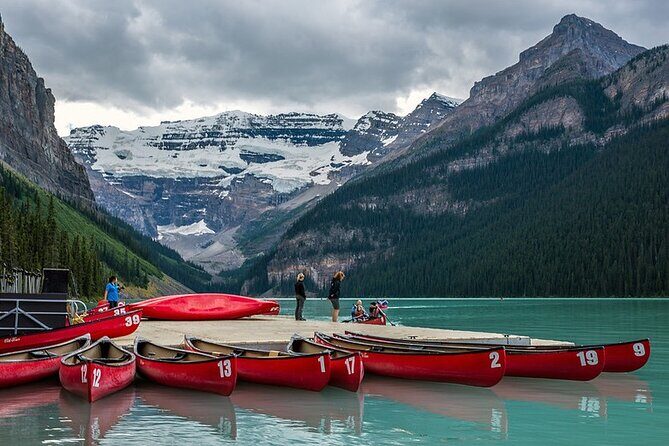
Golden hour is not just a phrase here—it’s the entire point. Starting at 6:00 pm means you’re landing at Lake Louise as the day cools down and the light starts to turn warmer. That timing tends to make the whole area feel less hectic than peak hours, and it also gives you better odds for photos without the harsh midday glare.
You also get a more “evening walk” feel at both lakes. Instead of racing through an itinerary, you’re positioned to enjoy the scenery at a slower pace and take in mountain reflections and shifting colors as the sun drops. Even if the sky is moody, dusk light can still look dramatic against the peaks.
One practical bonus: because the trip ends back at the meeting point, you’re not stuck trying to solve transportation on your own late in the evening. That’s a simple thing, but it helps you keep the day easy.
You can also read our reviews of more tours and experiences in Canmore.
Lake Louise at sunset: calm first, photos second
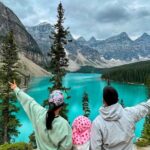
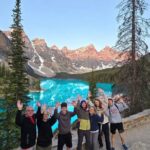
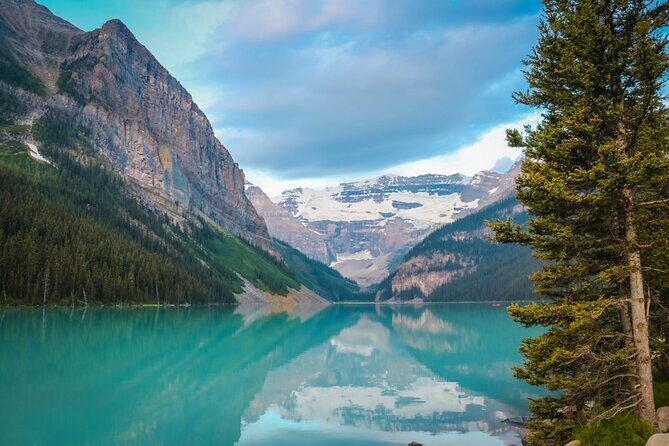
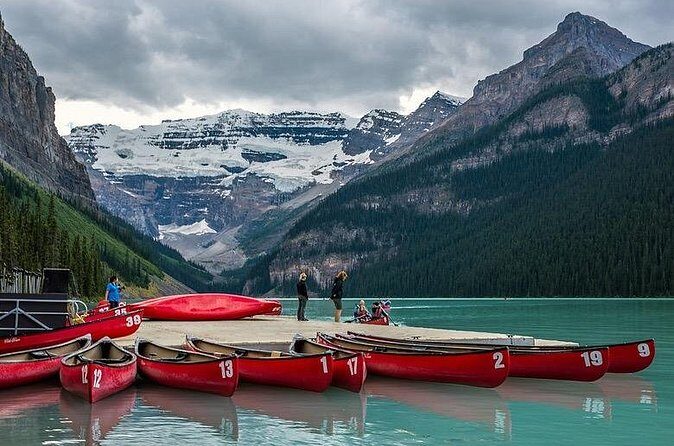
Lake Louise is the first stop, with about 1 hour on site. This is a great setup because Lake Louise often feels busy earlier in the day; in the evening, the atmosphere usually turns quieter and more contemplative. If you want that postcard-style view without feeling rushed, this timing is a strong fit.
What I like about starting here: you get an immediate payoff. The lake sits in a dramatic bowl of mountains, and in evening light you can often see the scenery shift quickly—colors darken, highlights soften, and the water can look smoother than during windier daylight hours.
The tour focuses on a peaceful lakeside walk and a guide who adds context so you’re not just looking but actually understanding what you’re seeing. That “wait, that mountain is named for X” kind of detail is exactly what makes a short stop feel worth it.
A possible consideration at Lake Louise
If it’s raining or windy, the lakeside walking portion can feel colder and less comfortable. You can still enjoy the area, but you may spend more time taking shelter and less time lingering. Bring a layer you’re happy wearing outdoors, and don’t count on ideal conditions for the perfect reflection shot.
Moraine Lake in the evening: turquoise water with extra time
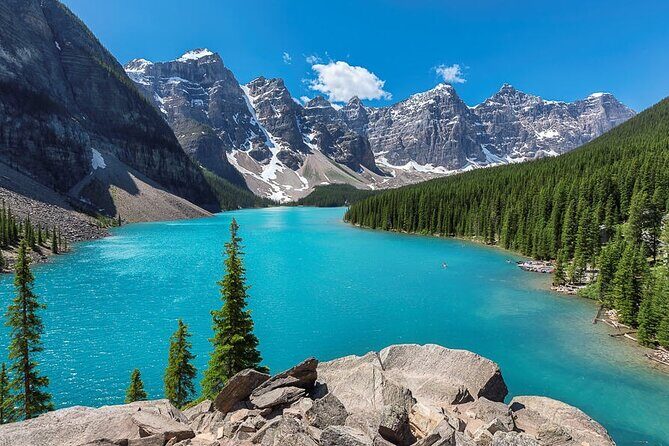
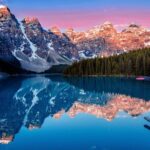
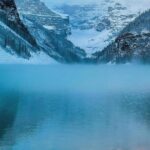
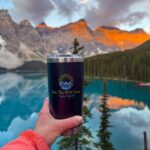
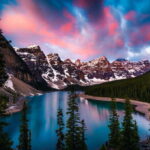
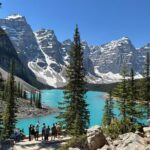
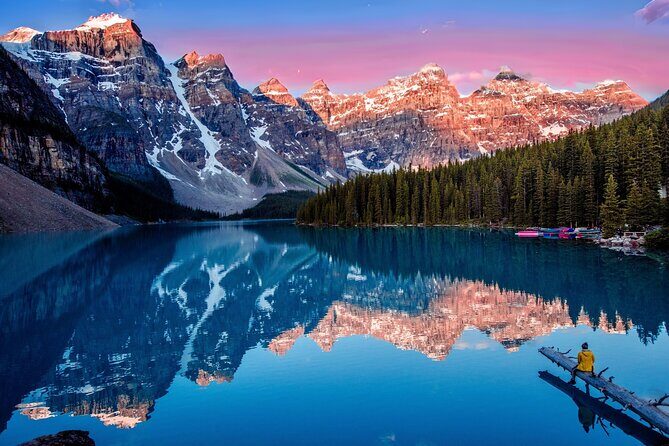
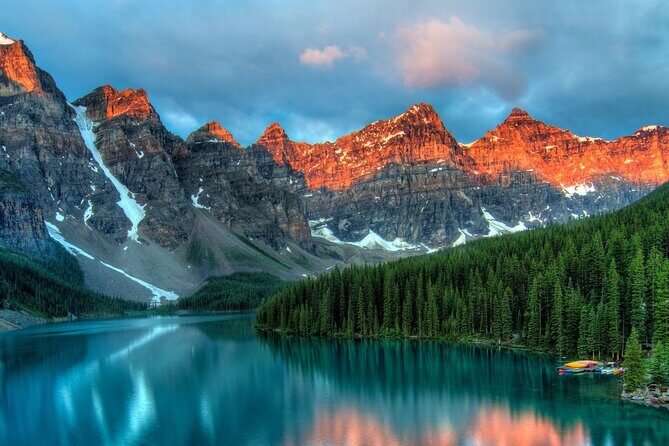
Moraine Lake is the second stop, and it gets about 1 hour 30 minutes—extra time because it’s the big visual draw of the day. You’re looking at the turquoise tones of a glacier-fed lake framed by the Valley of the Ten Peaks. Even if you’ve seen photos, the proportions of the peaks around Moraine tend to hit differently in person.
What makes this stop valuable isn’t only the scenery; it’s the way the tour allocates time. With 90 minutes, you’re not forced into a single quick viewpoint. You can adjust as the light changes, step around for different angles, and find a spot that works for your comfort level and photo goals.
Moraine Lake’s admission fee is included, which is a small detail that matters. It reduces on-site friction and lets you focus on enjoying the stop instead of solving ticket logistics when you’re already thinking about sunset timing.
When the weather turns: how to stay positive
This is where guides earn their keep. In one of the best reports from the experience, the group dealt with rain and strong wind, and the guide (Rahul) kept things flexible and upbeat. Even better, he helped arrange a path for the group to return under better conditions by inviting them to join another Moraine Lake tour.
Not every day will go that way, of course, but the takeaway for you is clear: if you end up in rough weather, the quality of the guidance can seriously affect how much you enjoy the evening. Choosing a tour like this, with a guide who knows how to adjust, is often the difference between a frustrating hour and a memorable one.
The ride, the group size, and why it matters more than you think
This is a guided group tour with a maximum of 13 travelers, which is a sweet spot for a tour that relies on photo stops and walking. Smaller groups tend to spread out more naturally at viewpoints, and you spend less time waiting for everyone to get moving.
The air-conditioned vehicle is included, plus bottled water. That might sound basic, but for a late-day drive around Banff-area roads, comfort helps you stay in “enjoy mode.” You’re not starting the evening already tired and dry.
There’s also a practical note: you’ll receive a confirmation at booking, and you’ll get a mobile ticket. You won’t be scrambling for paper vouchers, and that keeps check-in quick if you’re catching the tour start on the dot.
What the $149.11 price really covers (and why it can be fair)
At $149.11 per person, this isn’t the cheapest way to see Lake Louise and Moraine Lake—but it can be good value when you look at what’s included.
You’re paying for:
- Guided time across both stops
- Moraine Lake admission included
- GST (Goods and Services Tax) included
- Bottled water
- Air-conditioned vehicle
Lake Louise is listed as ticket free for this stop, so your admission money is primarily going to Moraine. That mix makes the cost feel more reasonable than a tour where you’re separately paying for both entries.
What’s not included: all other expenses. That’s your cue to budget for personal items like snacks or anything you might want to buy along the way.
Who gets the most value?
If you want guided interpretation (so you can actually connect names, places, and mountain context to what you see), the price feels easier to justify. If you just want to drive yourself and don’t care about guidance, you might decide you can do it on your own. But if you like planning that’s already handled—plus a guide to help you make the most of evening light—this price can land as fair.
How long it takes and what your evening should look like
The tour runs 3 to 4 hours and starts at 6:00 pm. Plan your day so you’re not rushed beforehand. Even if you’re staying nearby, the timing means you’ll want an easy buffer for dinner after or before, depending on where you’re starting from.
The tour ends back at the meeting point, which is handy if you’re using public transportation or trying to keep your night simple. It’s also listed as near public transportation, so you’re not locked into having a car.
Because the experience has a weather requirement, keep in mind that the tour may adjust if conditions are poor. If it happens to be canceled due to weather, you should expect the operator to offer a different date or a full refund.
Weather reality: what to do when skies are rainy and windy
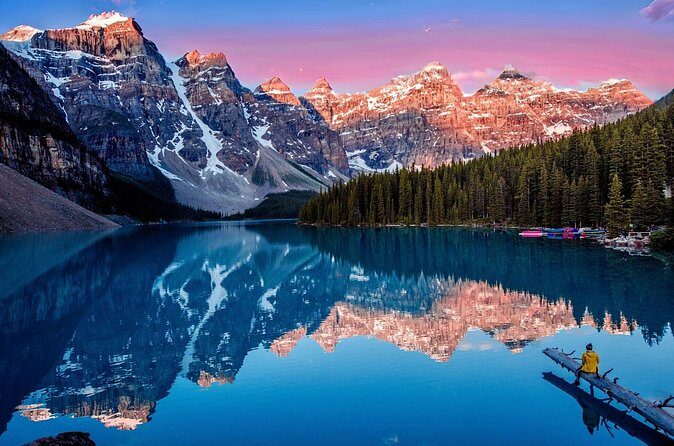
This experience depends on good weather, and that’s not a small footnote. Lake Louise and Moraine Lake look best under clear skies, but the experience still has value even when it’s not perfect—especially if your guide keeps you moving and helps you find workable moments.
Here’s how I’d think about it before you go:
- If it’s windy, plan for the fact that walkways and viewpoints can feel exposed.
- If it’s rainy, bring a layer that stays comfortable and helps you wait for lighter moments.
- If visibility drops, you might prioritize viewpoint angles that still give you depth, rather than chasing a reflection shot.
In that excellent example day mentioned earlier, despite rainy and windy conditions, the guide kept the group’s spirits up and found ways to make the most of Moraine Lake anyway. That’s exactly the mindset you want going in: don’t treat the forecast as a guarantee, treat it as a variable you can work with.
Who should book this tour—and who might want to skip it
This tour is a strong match for:
- You want guided time at both lakes rather than driving and figuring it out
- You care about golden hour timing and want the calm evening feel
- You like a small group and a manageable walking pace
- You’re trying to see both Lake Louise and Moraine Lake in one evening
It may be less ideal if:
- You need guaranteed perfect views no matter what the weather does
- You prefer total DIY freedom and don’t want to pay for guidance and transport
- You’re going for a very specific photo idea that requires ideal conditions
Also, the size limit helps. With a maximum of 13 travelers, you’re less likely to feel like you’re stuck behind crowds at the main viewpoints.
Should you book Golden Hour at Moraine and Lake Louise?
I’d book it if you’re looking for an evening plan that blends major scenery with guided storytelling—and you’re comfortable treating weather as part of the experience in the Rockies. The combination of a 6:00 pm golden hour start, small group limits, Moraine admission included, and an organized back-to-meeting-point flow adds up to a tour that feels practical, not just scenic.
Book it sooner rather than later, too. It’s commonly reserved about 79 days in advance, which is a hint that people who want evening light tend to plan ahead. If your dates are flexible and you’re okay with a weather-dependent schedule, this is exactly the kind of tour that can turn into a highlight of your Banff trip.
FAQ
What time does the tour start?
The tour starts at 6:00 pm.
How long does the Golden Hour tour last?
It lasts about 3 to 4 hours.
How many people are in the group?
The maximum group size is 13 travelers.
Is Moraine Lake admission included?
Yes. Moraine Lake admission is included, while the Lake Louise stop is ticket free for this experience.
What’s included in the price?
The price includes the admission fee (where applicable), GST, bottled water, and an air-conditioned vehicle.
What language is the tour offered in?
The tour is offered in English.
Is the experience dependent on weather?
Yes. The experience requires good weather. If it’s canceled due to poor weather, you’ll be offered a different date or a full refund.