REVIEW · MONTREAL
Enchanting Old Montreal , A private walking tour with Ruby Roy
Book on Viator →Bookable on Viator
Old Montreal looks better on foot. This private, customized walk with Ruby Roy turns centuries of Montreal into a story you can follow, with lively humor and a calm pace. I love that the route is built for what you actually want to see in the historic core, and I love that you’re covering key landmarks plus lesser-seen corners that most people miss. The main drawback to plan for: it’s still a 3-hour walking experience, and there’s no included coffee or proper lunch stop.
Getting started is easy. Pickup can happen at your hotel in Old Montreal (the default start is the InterContinental Hotel next to the Bell Captain’s desk at street level, inside), and tours run rain, shine, snow, or cold with adjustments when needed. The itinerary is flexible around closures in certain seasons or holidays, and there are opportunities to sit. If you’re set on a rigid, clockwork schedule, that adaptability may feel different—but it’s usually what keeps the day working.
In This Review
- Key things to know before you go
- Why Old Montreal works so well for your first half-day
- Ruby Roy’s style: stories, humor, and real answers
- Pickup and mobile ticket: start easy, not fraught
- The 3-hour walk, stop by stop in Old Montreal
- Bonsecours Market (Marché Bonsecours)
- Rue St-Paul
- Place d’Armes
- Sulpician Seminary
- Place Jacques-Cartier
- Bank of Montreal (Banque de Montreal)
- Chateau Ramezay Historic Site and Museum of Montreal
- Montreal World Trade Centre
- Old Port of Montreal
- Notre Dame Basilica: when it’s worth the add-on
- Pace, comfort, and what to wear for winter-or-summer Old Montreal
- Value for your money: what’s included, what you must plan
- Who should book this private Old Montreal tour?
- Should you book Ruby Roy’s Old Montreal walk?
- FAQ
- How long is the Enchanting Old Montreal private walking tour?
- Is this tour private?
- Do you offer hotel pickup?
- Where does the tour end?
- Is Notre Dame Basilica included?
- Are coffee or tea breaks included?
- Are entrance fees included for sights and museums?
- Does the tour run in bad weather?
- What fitness level is needed, and is accessibility supported?
- What happens if the minimum number of travelers isn’t met?
Key things to know before you go
- Private, customized pacing: Your group sets the tone, and Ruby can tailor what you focus on.
- Hotel pickup in Old Montreal: Less dragging bags and waiting on street corners.
- A guide who keeps mixed ages engaged: Ruby’s presentation works for both adults and kids.
- Old Montreal, end to end: You cover major sights across the core without rushing.
- Optional Notre Dame Basilica: You can add an inside visit if you want, with the right timing.
- Built for real viewing: Expect frequent storytelling, architectural notes, and chances to sit.
Why Old Montreal works so well for your first half-day
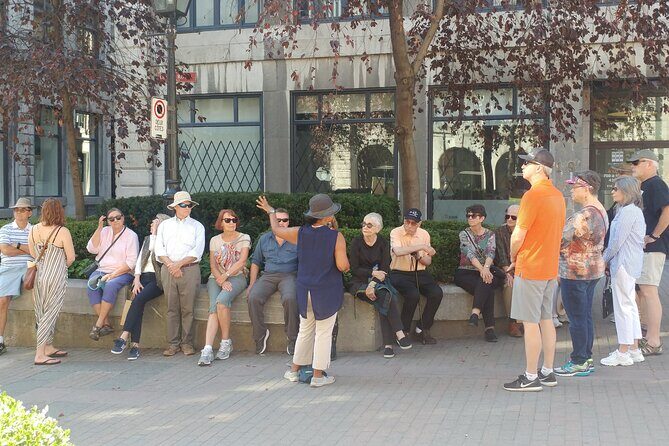
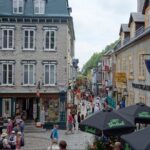
Old Montreal is one of those places where the streets feel like a living museum. You’re walking through layers of the city—buildings that date from the 1600s through the 1900s—and many are still used for the same kinds of everyday life, not just photo backdrops. That continuity is exactly what makes a guide helpful: you learn what you’re looking at, not just what it looks like.
This tour is also structured to give you bearings fast. Instead of bouncing randomly between big-ticket spots, you move through the historic core in a logical way—market area, grand squares, historic institutional buildings, then toward the waterfront and Old Port area. You end back where you started, so you don’t lose half your time figuring out transit.
I especially like that the experience is described as leisurely and adjusted. Old Montreal can feel slick underfoot in winter, and summer heat can be real. A route that’s paced for a “stroll with stories” matters more than you might think. If you want to understand Montreal beyond the postcard version, this is the type of tour that gives you context you’ll keep using as you explore on your own.
You can also read our reviews of more walking tours in Montreal



Ruby Roy’s style: stories, humor, and real answers
A great guide doesn’t just recite facts. Ruby’s approach is built around keeping people interested—through stories, architecture talk, and humor about Old Montreal. That matters whether your group is serious about history or more of a walk-and-chat crew.
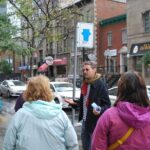
One of the strongest signals here is how she can hold attention across ages. There’s an example of a family group ranging from teens to an 8-year-old, and the younger kids stayed engaged. That tells you the tour isn’t only for adults who love lectures. Ruby’s an experienced, licensed Montreal guide with lots of knowledge and a willingness to answer questions.
If you like asking why a building looks the way it does, or what a particular square meant in daily life, you’ll get that. The emphasis is on history, art, architecture, cultural and language discoveries, plus how Montrealers actually live and work in the neighborhood. That combination—architecture plus life context—makes Old Montreal feel less like a set and more like a city you can understand.
And if you’re pairing this with a food tour later, it works well. You’ll come away with names, landmarks, and the “how the streets connect” understanding that helps you enjoy the next stop even more.
Pickup and mobile ticket: start easy, not fraught
This is one of the most practical versions of a walking tour because it reduces friction. You can get pickup from within Montreal—specifically from inside Old Montreal, with the default meeting point at the InterContinental Hotel in Old Montreal next to the Bell Captain’s desk (street level, inside). If you’re staying somewhere else in Old Montreal, you can start at another hotel there. Pickup is also possible from the Queen Elizabeth Hotel downtown.
You’ll also get a mobile ticket, and the tour ends back at the meeting point. That last bit matters on a short half-day: you don’t want to burn time reorganizing plans at the end.
One more thing I appreciate: it’s a private tour/activity. That means your group stays together and the pace doesn’t get hijacked by a larger mixed crowd. It’s easier to ask questions, easier to stop when something catches your eye, and easier to keep everyone comfortable.
The 3-hour walk, stop by stop in Old Montreal
You’re set up for a smooth, end-to-end look at the core. It’s a walking tour with a relaxed pace, and you’ll have opportunities to sit along the way. Here’s what each part is likely doing for you.
Bonsecours Market (Marché Bonsecours)
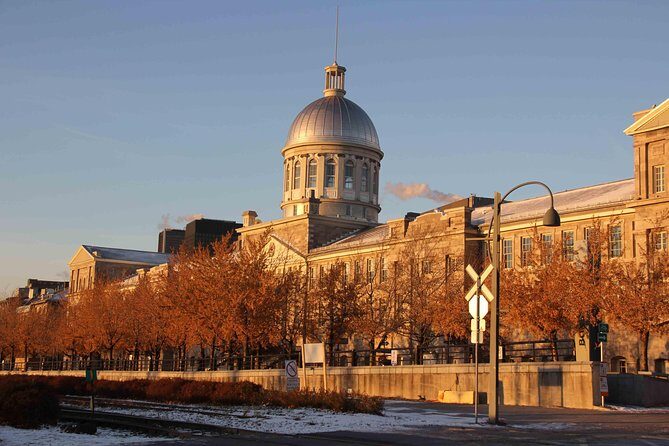
You start with a landmark market setting. Market buildings are useful first stops because they instantly connect architecture to daily life—commerce, gathering, and the rhythm of the neighborhood. From here, you can understand Old Montreal’s layout without needing to study a map.
A small consideration: markets can have varying hours depending on season and day. If something is closed, the guide can still use the exterior and nearby streets to set the story.
You can also read our reviews of more private tours in Montreal





Rue St-Paul
Rue St-Paul is a “main street” feel, but with Old Montreal depth. This is where you’ll likely learn how the street grid and key buildings shaped movement and community life. Guides are at their best here—pointing out design cues and explaining why this road mattered.
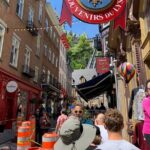
If you’re visiting in peak tourist hours, the walking is still manageable, but expect crowds at popular corners. Private format helps because Ruby can steer you around the worst bottlenecks.
Place d’Armes
Squares are where history becomes visible. Place d’Armes is a great stop for understanding how public space functioned—gathering, ceremony, and power. You’ll get context for what the city looked like when these spaces were active, not just scenic.
Drawback to plan for: open squares can be exposed in cold or wet weather. The tour is built to run in winter and snow, but you’ll want layers and a hat.
Sulpician Seminary
This stop adds an institutional layer. Historic religious and educational buildings help you understand Old Montreal beyond trade and street life. Ruby can connect architectural style to the role these places played over time.
Because the tour is focused on viewing and stories rather than long museum-style breaks, you won’t spend the day inside every building. That’s usually a plus if your goal is orientation and context.
Place Jacques-Cartier
Another square, but with its own energy. This is the kind of stop that often becomes a “pause and look around” moment: you’ll notice how surrounding façades frame the space. It’s also a natural place to catch your breath before continuing toward the waterfront.
If it’s windy or cold, you’ll probably appreciate any chance to sit or warm up briefly, even if coffee isn’t included.
Bank of Montreal (Banque de Montreal)
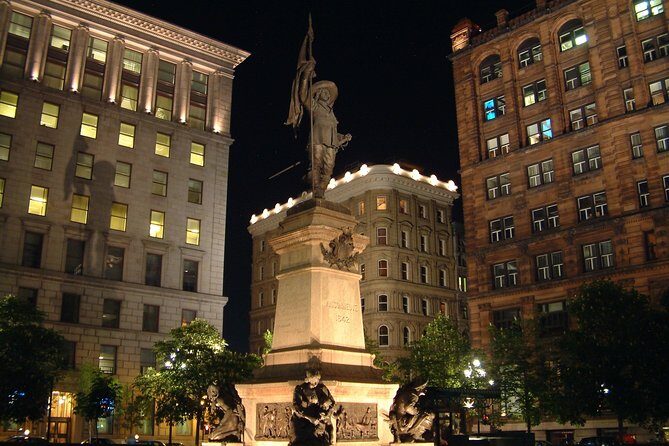
A bank might not sound like the most romantic stop, but it’s an important one. Financial institutions help explain Montreal’s growth and the shift from local trading to more formal economic power. Watching for architectural details here pays off—you’ll understand why buildings like this still dominate the skyline.
Timing can matter. If you’re hoping for any interior access, entrance fees or access rules may apply, since entrance fees are not included.
Chateau Ramezay Historic Site and Museum of Montreal
This is a cultural anchor. A historic site and museum typically gives you the strongest “before-and-after” feeling: how the neighborhood evolved and what people valued. Even if you don’t go deep into exhibits, the stop helps tie the architecture and square-based history together.
Again, entrance fees are not included, so treat this as a viewing stop unless you choose to pay extra for museum time.
Montreal World Trade Centre
This stop shifts the story from the older streets to the modern face of the city. It’s a reminder that Old Montreal isn’t frozen in time—it’s part of a living metropolitan area. You get contrast, and that contrast makes the earlier buildings feel even more meaningful.
Because this is a walking tour, expect you’re there to see and learn, not to spend hours inside.
Old Port of Montreal
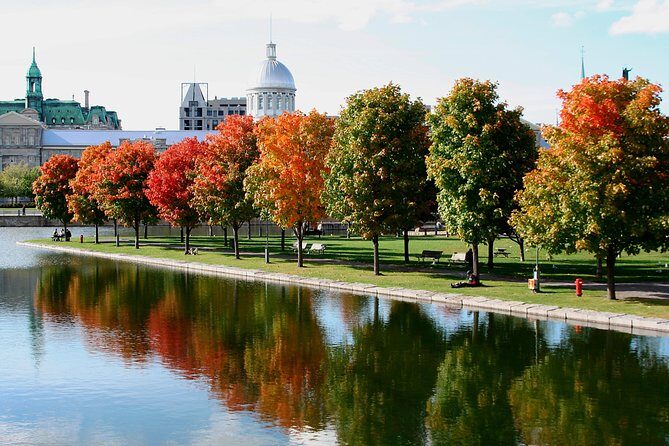
You finish near the waterfront. Old Port is where trade, shipping, and river access come into the story. Even without long stops for food or souvenirs, it’s a strong ending because you can connect what you heard earlier about markets and institutions to the practical reality of moving goods.
If you’re visiting in shoulder season, the light can be beautiful here, which makes photos better without needing extra planning.
Notre Dame Basilica: when it’s worth the add-on
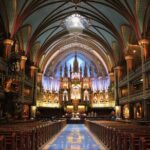
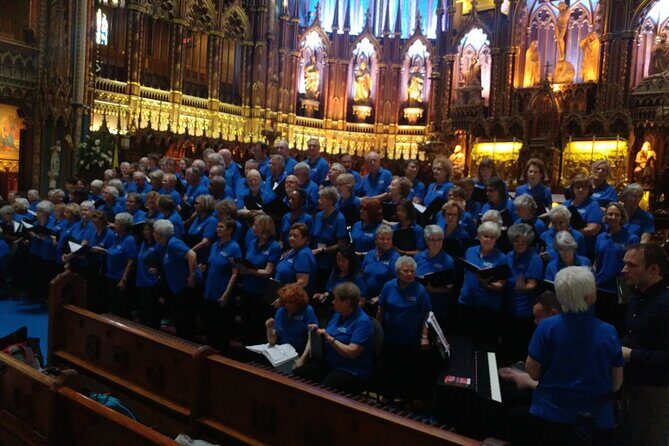
Notre Dame Basilica is optional. If you want the inside visit, you need to let the guide know, and then Ruby can provide an inside tour. The important detail: entrance to the Basilica isn’t included, and no tickets are automatically part of the standard flow.
This add-on can be perfect if you care about religious art and want a payoff beyond architecture on the street. It can also be a good move if you’re visiting during a time when exterior sights are accessible but you want something more substantial indoors.
The timing question is the real consideration. The tour doesn’t include lunch, and it’s only about three hours. If you add Notre Dame, you should expect it to shape how the rest of your walk feels. Ruby can adjust, but you’ll want to decide based on what you personally value most: extra museum time, or more street-level exploring.
Pace, comfort, and what to wear for winter-or-summer Old Montreal
This tour is described as leisurely, with opportunities to sit. That’s helpful on a roughly three-hour walk—especially if you’re with older adults, kids, or anyone whose stamina is limited.
There’s also a clear nod to practical accessibility. Ruby can adjust the route for wheelchair users if you let her know in advance. For visually impaired travelers, she can adapt the tour as well. If you have moderate physical fitness, you’re in the right zone.
Weather matters here in two ways. First, the tour runs in rain or snow and will be adjusted. Second, if there’s poor weather, the experience may be canceled, and you’ll be offered another date or a full refund. So yes, pack smart, but don’t assume you’re guaranteed the exact same experience in every condition.
What I’d do before you go: wear comfortable shoes with good grip. Old Montreal can be slippery, and you’ll walk more than you think because the tour is designed to cover a lot of ground without rushing.
Value for your money: what’s included, what you must plan
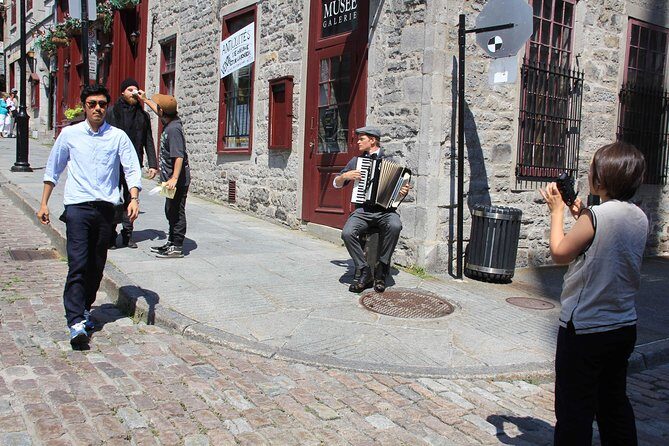
Even without a price tag provided here, you can judge value by what you get. This tour includes all fees and taxes, plus the main event: a private walking experience with a licensed Montreal guide and hotel pickup within Montreal (Old Montreal hotels by default, Queen Elizabeth Hotel downtown as an option).
What’s not included is where you should make smart choices:
- Entrance to Notre Dame Basilica if you want to go inside.
- Coffee and/or tea, because there is no included lunch time and the tour doesn’t include tasting or coffee stops by default.
- Private transportation (so don’t expect a car or taxi during the day).
- Public transportation tickets.
- Entrance fees in general for museum-style stops.
To me, this structure often represents good value because it keeps your money focused on the guide and the walk, not on packaged add-ons. You can still make extra stops if Ruby can accommodate, but you’re not locked into spending time or money on food breaks that might cut into the sightseeing.
If you’re the type of traveler who prefers to spend on experiences rather than meals, this setup fits well. If you want frequent sit-down breaks, you’ll need to plan snacks or treat coffee as a personal add-on.
Who should book this private Old Montreal tour?
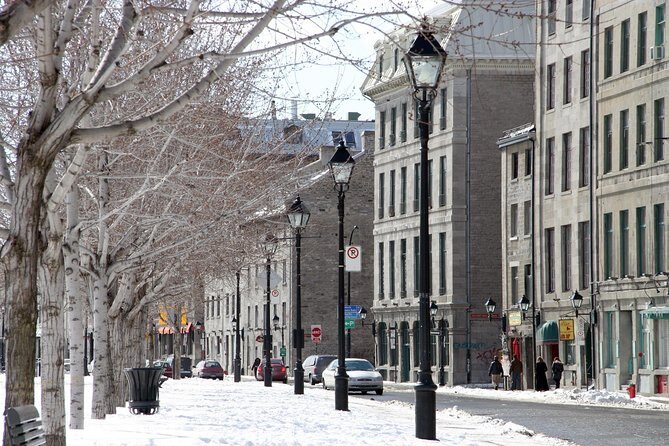
This is a strong fit if you want:
- A first orientation to Old Montreal with names, stories, and architectural context.
- A private experience where your questions actually get answered.
- A half-day activity that can work for groups with mixed ages, including kids and teens.
- An optional pathway into Notre Dame Basilica without forcing it as the default.
It may be less ideal if your top priority is spending long hours inside multiple museums. The flow is built for walking and seeing, with optional interior time handled carefully when requested.
It also suits anyone who wants to understand the city through language and culture, not only through monuments. Old Montreal still has people who live and work there, and the tour treats that as part of the story, not background.
Should you book Ruby Roy’s Old Montreal walk?
I’d book it if you want a smooth, private introduction to Old Montreal with a licensed guide who’s good at keeping attention across ages. The hotel pickup and end-back-at-the-meeting-point format make it easy to plug into a travel schedule, and the stop sequence covers the core sights without turning your afternoon into a sprint.
Choose it with eyes open if you need lots of built-in breaks or you expect included entrance tickets and coffee. In this experience, you’re paying for the guide, the storytelling, and the walking route—and you’re expected to handle extra entrances and food on your own.
If you’re planning a short stay and you want Old Montreal to make sense fast, this is the kind of tour that earns its place on your day.
FAQ
How long is the Enchanting Old Montreal private walking tour?
It runs for about 3 hours.
Is this tour private?
Yes. It’s a private tour/activity, and only your group participates.
Do you offer hotel pickup?
Yes. Pickup is possible from within Montreal. The default meeting point is the InterContinental Hotel in Old Montreal next to the Bell Captain’s desk at street level inside. Pickup can also start at any hotel within Old Montreal, and pickup is possible from the Queen Elizabeth Hotel downtown.
Where does the tour end?
The tour ends back at the meeting point.
Is Notre Dame Basilica included?
No. Entrance to the Notre Dame Basilica is not included, but if you wish, you can let the guide know and Ruby can provide a tour of the inside.
Are coffee or tea breaks included?
No. Coffee and/or tea are not included. The tour does not include lunch time, so tasting or coffee stops are not part of the default plan, though stopping can be possible if you ask.
Are entrance fees included for sights and museums?
Entrance fees are not included.
Does the tour run in bad weather?
The tour operates rain, shine, snow, or cold and will be adjusted. If it’s canceled due to poor weather, you’ll be offered a different date or a full refund.
What fitness level is needed, and is accessibility supported?
The tour is a walking tour and travelers should have a moderate physical fitness level. There are opportunities to sit. If you’re in a wheelchair, you should let the guide know in advance so the route can be adjusted, and if you are visually impaired, the guide can adapt the tour.
What happens if the minimum number of travelers isn’t met?
If the minimum number of travelers isn’t met, the tour may be canceled and you’ll be offered a different date/experience or a full refund.