REVIEW · MONTREAL
The Only Locally Owned Non-Touristy Food Tour by Spade & Palacio
Book on Viator →Operated by Spade & Palacio Tours · Bookable on Viator
If you want Montreal food, start with the markets. This 3-hour, locally run walking tour sends you from Jean-Talon Market into real neighborhoods for a hands-on mix of bites and stories. I love that it focuses on everyday places, not the postcard routes, and it’s built for you to leave with a better sense of why Montreal eats the way it does.
Two things I especially like: first, the food stops are designed around multiple cultures showing up on the same blocks, so you get variety without feeling random. Second, the guides (for example Chris and Marie are both repeatedly mentioned) set a relaxed pace and keep the focus on the people behind the food, not just the menu.
One possible drawback: it’s a walking tour, and you’ll want to plan for weather and the fact that not every stop has the same level of convenience for bathrooms.
In This Review
- Key things that make this tour worth your time
- Where Jean-Talon Market fits into a good Montreal plan
- Stop 1: Marche Jean-Talon—samples first, then the why behind them
- Stop 2: Little Italy streets and progressive coffee
- Stop 3: Rosemont–La Petite-Patrie—Salvadorian tasting, then chocolate
- Guides, group size, and the pace you’ll feel in your feet
- What’s actually included in your $73 price
- Where the tour starts and ends (so you can plan your day)
- Food influences you’ll taste: Vietnamese, Italian, Latino, and Canada-style farm-to-table
- Tips to get the most out of it
- Should you book Spade & Palacio’s market and neighborhood tour?
- FAQ
- How long is Spade & Palacio’s food tour?
- What does the tour cost?
- Where do I meet and where does the tour end?
- Is the tour offered in English?
- Can I do the tour if I’m vegetarian or have food allergies?
- How many people are in a group?
Key things that make this tour worth your time
- Jean-Talon Market as the anchor: vendors, specialty shops, and several tastings right at the start
- Food plus neighborhood context: you learn how the communities shape what ends up on plates and in shops
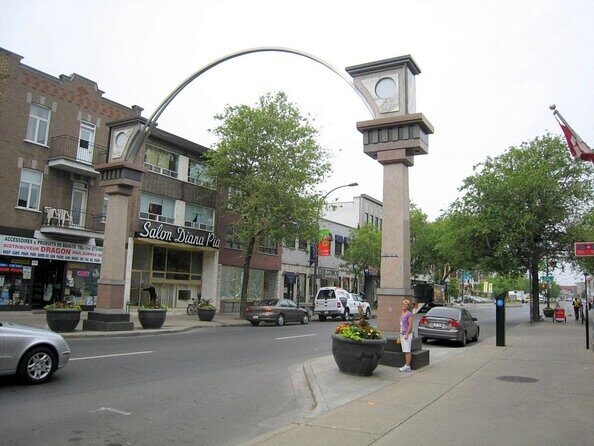
- Three-part route in about 3 hours: Market, Little Italy area, then Rosemont–La Petite-Patrie
- Coffee and chocolate are part of the story: you’ll hit third-wave style coffee and a bean-to-bar stop
- Small groups (max 10): easier conversations, better pacing, and more attention from the guide
- Dietary needs can be handled: vegetarian is available, and allergies can be noted at checkout
Where Jean-Talon Market fits into a good Montreal plan
Jean-Talon Market is the kind of place that helps you understand Montreal fast. It’s not a museum. It’s busy, local, and full of vendors selling the stuff people actually cook and snack on.
This tour starts at 531 Rue Bélanger in Montreal, right where the market energy is strongest. That matters because you begin with the source: seasonal produce, prepared foods, and the local craft behind them.
Also, you’re not just passing through. The morning-to-afternoon flow of the tour is built so you get a real taste of how Montreal’s farm-to-table mindset plays out in everyday shopping and eating.
You can also read our reviews of more food & drink experiences in Montreal


Stop 1: Marche Jean-Talon—samples first, then the why behind them
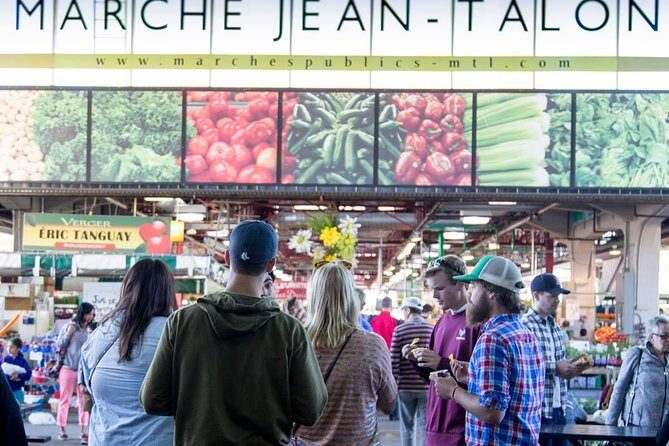
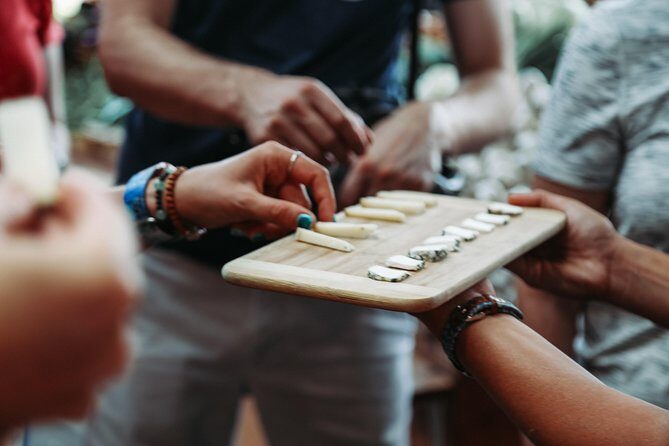
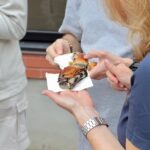
The first hour is at Marche Jean-talon (Jean-Talon Market), and it’s the heavy hitter. You’ll visit vendors and specialty shops, with at least three food samples built in, plus bites and platters that help you compare flavors and styles.
Here’s the practical part: this is the best moment to go in hungry. You’ll be tasting across different types of stalls, so pace and selection matter, and the tour format is meant to keep it from turning into a sugar-and-sprint situation.
You also get free time here, which is a smart design choice. After you taste, you can return to the stalls that grabbed you and shop for picnic items or take-home snacks. A lot of people recommend bringing a bag for this reason.
What to watch for: the market experience can vary a bit by season, so the exact mix of samples may shift depending on what’s available when you go.
Stop 2: Little Italy streets and progressive coffee
From the market, you head into the Little Italy area for about 45 minutes. This segment is shorter, but it gives the tour a “walk and talk” feel rather than turning into nonstop eating.
The focus is on the neighborhood and the food influences you can see in everyday life. You’ll also sample coffee described as progressive, which signals modern, third-wave style tastes rather than just a quick caffeine stop.
A useful way to think about this part: it helps you connect food to geography. You start to see how Italian influence fits into Montreal’s wider mix, without being told a single neat story.
The practical drawback to note: since this is a walk through local streets, it’s easier if you wear shoes you can comfortably do a few blocks in—especially if weather changes your plans.
Stop 3: Rosemont–La Petite-Patrie—Salvadorian tasting, then chocolate
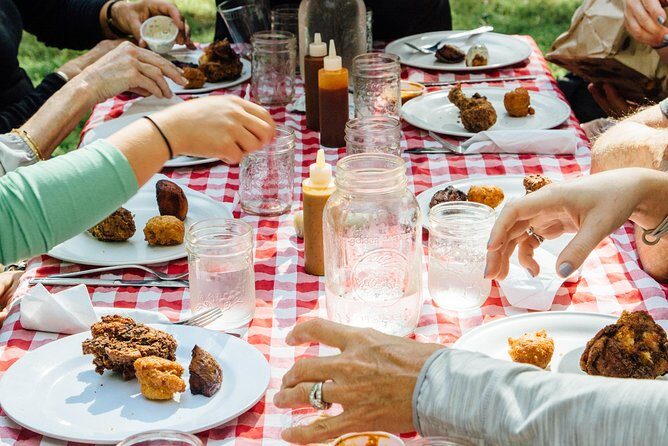
The final stretch heads into Rosemont–La Petite-Patrie for about an hour. This is where the tour leans into community food, with a sit-down tasting at a mom-and-pop spot featuring Salvadorian flavors.
You’re also in for more coffee—again tied to a small family third-wave location. And then there’s the bean-to-bar chocolate factory stop, where you can expect a higher-end chocolate tasting.
This part works well because it’s not just about eating different foods. It also shows you how immigrant communities shape the ingredients, cooking styles, and shop culture in Montreal.
Timing note: the tour keeps moving, so while the tastings are generous, you shouldn’t plan to spend extra time inside any one place unless your guide’s suggestions and the free time you already get at the market allow it.
Guides, group size, and the pace you’ll feel in your feet
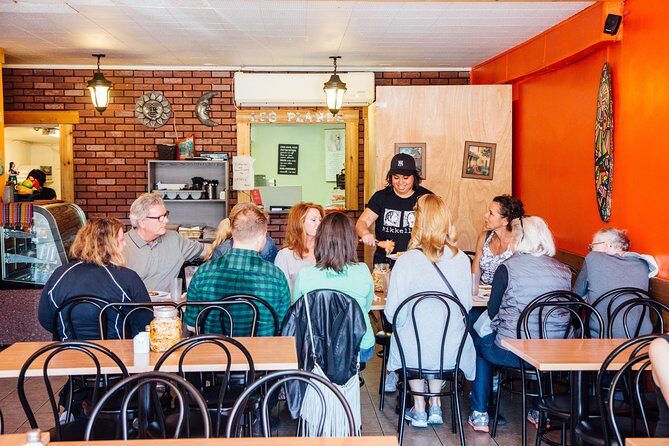
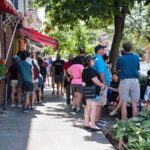
The tour caps out at 10 travelers, which is a big deal for a food walking experience. Smaller groups mean you’re less likely to get lost in the back, and it’s easier for the guide to respond to questions without rushing the table stops.
I noticed a pattern in the guide praise: names like Chris, Marie, Rodrigo, Jeff, Danny, Pax, and Rufus come up often. The common thread is that the guiding style is personal and upbeat, with lots of attention to the neighborhood stories and the businesses behind the food.
The pace also gets called out as balanced. People describe the walk as not difficult and the pacing as a good fit even in winter. You still want to dress for walking, but it doesn’t feel like you’re marching through checkpoints.
Bathroom reality: one review calls out that some public bathrooms are better than others. So plan for that. Use what you can when you get a chance, especially if you’re traveling in cooler months.
A few more Montreal tours and experiences worth a look




What’s actually included in your $73 price
At $73 per person, this isn’t a bargain tour, but it’s also not trying to sell you a one-sample-and-done “food demo.” You’re paying for a local guide, plus food and drinks across multiple stops.
Here’s why that value can add up quickly for you:
- You’re getting several tastings rather than one meal.
- You’re paying for guidance on which vendors are worth noticing, not just what to order.
- Your time is bundled into a tight 3-hour route, which helps if you’re short on days.
Also, you get a follow-up benefit that shows up in the feedback: many people mention a recommendations booklet and suggestions for where to eat next. Some mention discounts when shopping certain vendors by mentioning the tour, which can soften the cost if you plan to buy market goods anyway.
One thing to keep in mind: you’re not getting hotel pickup and drop-off. The tour is designed around your ability to meet at the start point and walk between stops.
Where the tour starts and ends (so you can plan your day)
This tour starts at 531 Rue Bélanger and ends at État de choc, 6466 Boul. Saint-Laurent.
That matters because this isn’t a route that begins and ends in Old Montreal. If your hotel is concentrated around tourist-heavy areas, you’ll need to factor in transit to the start and then transit back (or onward) after the tour.
For your schedule, I’d plan this as a morning or early afternoon activity. The tastings are the main event, and it’s easier to keep the rest of the day flexible if you’re not already committed to a heavy dinner right after.
Food influences you’ll taste: Vietnamese, Italian, Latino, and Canada-style farm-to-table
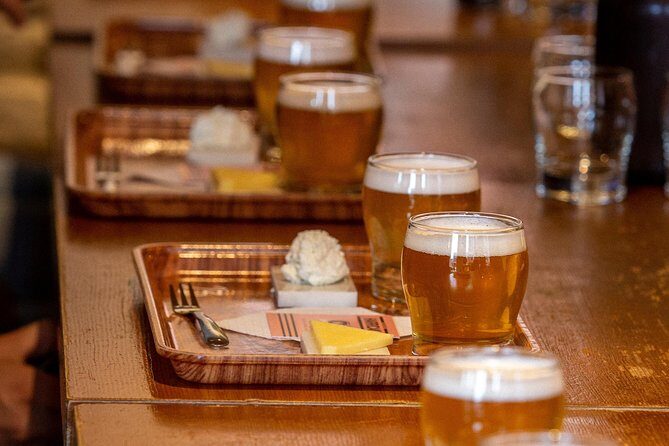
One of the strongest reasons to pick this tour is the mix. Montreal cuisine doesn’t sit in one lane, and this route reflects that.
You’ll see Vietnamese, Italian, and Latino influences described as part of the overall flavor story, and you’ll also get a Canada-style farm-to-table angle through what’s happening around Jean-Talon Market.
That blend is useful because it gives you a mental map. By the end, you’re not only full—you’re better at spotting patterns when you’re eating on your own later. What changed? You’re paying attention to neighborhoods, shop types, and ingredient choices.
And since people repeatedly praise the diversity of the bites—from papusas to charcuterie to cannoli and chocolate—you’re likely to leave feeling you got a wide range, not just repeat flavors.
Tips to get the most out of it
If you want this tour to feel effortless, a few practical choices help.
- Come hungry: this is built around samples, not a single plate.
- Bring a bag: the market free time is a great moment to pick up picnic supplies.
- Tell them dietary needs clearly: vegetarian is available, and allergies or restrictions must be specified in the Special Requirements box at checkout.
- Wear walking shoes: you’re moving between neighborhoods, and winter adds slip-and-slide risk.
- Plan for local-street timing: the route is more about blocks and stops than quick city center hops.
If you’re traveling with kids, the feedback includes families with younger children who handled the walk well. Still, it’s smart to judge based on your own kid’s walking stamina and interest in food sampling.
Should you book Spade & Palacio’s market and neighborhood tour?
I’d book this tour if you want Montreal food with real neighborhood context. It’s especially good value if you’re the type who likes to eat across cultures, compare small bites, and learn which local businesses matter. The guides are a clear strength, with many people praising specific guides like Chris and Marie for both food choices and neighborhood storytelling.
I’d skip it (or swap to something else) if you strongly prefer a one-neighborhood, sit-down meal experience, or if you’re not up for a walking route that depends on weather. Also, if your trip is all about Old Montreal sightseeing, this one will feel more “out and about” than centrally located.
If your goal is to get your bearings fast through food—Jean-Talon to Little Italy to Rosemont—this tour is one of the most direct ways to do it without relying on tourist traps.
FAQ
How long is Spade & Palacio’s food tour?
The tour runs about 3 hours.
What does the tour cost?
It costs $73.00 per person.
Where do I meet and where does the tour end?
You meet at 531 Rue Bélanger, Montréal, QC H2S 1G5, Canada. The tour ends at État de choc, 6466 Boul. Saint-Laurent, Montréal, QC H2S 3C4, Canada.
Is the tour offered in English?
Yes, the tour is offered in English.
Can I do the tour if I’m vegetarian or have food allergies?
A vegetarian option is available—advise at booking. If you have allergies or food restrictions, you must specify them in the Special Requirements box at checkout.
How many people are in a group?
The tour has a maximum of 10 travelers.