REVIEW · MONTREAL
The Original Old Montréal Walking Tour by Guidatour
Book on Viator →Operated by Guidatour · Bookable on Viator
Old Montréal can feel like a maze of stone and stories. This walk turns the highlights into a clear route, with local context, photo-worthy architecture, and just enough detours to make it memorable.
What I like most is the small group size (about 15, max 16), which keeps questions from getting buried. I also like that you get a city-certified official guide and a practical orientation that helps you plan what to do next, with specific stops like Place Royale and Bonsecours Market.
One consideration: you’ll see Notre-Dame Basilica’s architecture from the outside only—no inside visit here. If your priority is going in, this tour won’t fully match that.
In This Review
- Key highlights worth prioritizing
- Old Montréal on foot: why 2 hours feels like a head start
- Where you meet (and why the start location matters)
- The walk begins in Old Montréal: orientation before you get lost
- Place Royale: stepping into the square where decisions happened
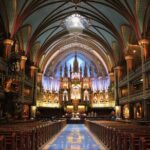
- Notre-Dame Basilica (exterior only): gothic revival from the best angle
- Place d’Armes, the Royal Bank area, and the story threading French heritage
- Montreal City Hall: civic architecture and power on display
- Bonsecours Market: the market that’s been serving Montreal for over 100 years
- The lively historic square: street performers, terraces, and Old Port views
- St Paul Street: the picturesque stretch you’ll want to revisit
- Price and group size: what $26.34 buys you
- The guide experience: why the storytelling sticks
- Rain or shine: how to plan your outfit and your pace
- How to use this tour after you’ve finished
- Should you book the Guidatour Old Montréal Walking Tour?
- FAQ
- How long is the Original Old Montréal Walking Tour?
- Is the tour offered in English?
- Where do I meet the guide, and where does the tour end?
- What group size should I expect?
- Does the tour run year-round and in bad weather?
- What’s the cancellation refund window?
Key highlights worth prioritizing
- Certified, official guide storytelling with facts and street-level context you won’t get from a quick skim
- Tight 2-hour route that’s ideal when you’re short on time but still want the big landmarks
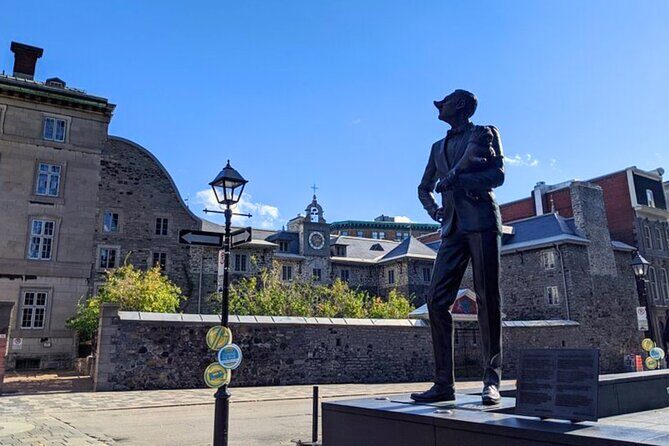
- Photo stops on architectural icons like Notre-Dame Basilica and Old Montréal’s classic street views
- Old Montréal’s power spots: Place Royale, Place d’Armes, City Hall, Bonsecours Market, St Paul Street
- Real local tips for after the tour, since you can ask your guide what to do next
Old Montréal on foot: why 2 hours feels like a head start
Old Montréal is beautiful, but it can also be overwhelming. A guided walking tour helps you connect the dots fast: what you’re looking at, why it matters, and how it fits into the bigger story of Montreal.
This one is built around that idea. You’re out for about 2 hours at a walking pace that keeps you seeing plenty without burning half your day. It’s also a smart move for first-timers because it gives you recognizable reference points—so later, even if you wander off, you’ll still know where you are.
The guide’s job is also not just to point. With a city-certified official guide, you get explanations you can actually use. That includes French heritage context, how the city developed, and what to look for when you revisit the streets on your own. Even better, the group stays small enough that people tend to get answered rather than ignored.
You can also read our reviews of more walking tours in Montreal



Where you meet (and why the start location matters)
The tour starts at 206 Pl. d’Youville, Montréal, and ends near Bonsecours Market Street. That matters more than it sounds. Old Montréal is dense, and being dropped at a useful end point near Bonsecours makes it easier to keep going—especially if you want to browse afterward or grab a late snack.
You’ll also avoid the common “meeting point scramble,” because the start is a single address, right in the Old Montréal zone. With near public transportation, it’s easy to build this into a day that includes other stops around the waterfront and downtown core.
One small practical detail: you’re not getting hotel pick-up or drop-off. So if you’re staying outside the core, you’ll want to plan your short ride/walk in advance. It’s not a deal-breaker—it just means you’re in charge of getting to Pl. d’Youville on time.
The walk begins in Old Montréal: orientation before you get lost
Early in the tour, you’re essentially getting your bearings in Old Montréal. This is the part that makes the rest of the experience click, because the guide frames the major areas you’ll pass through and the logic behind the street layout.
If you’re coming in cold (literally or figuratively), this orientation helps you avoid the classic mistake: spending your first hours admiring buildings but not knowing what you’re seeing. You’ll learn what to associate with each area—squares, institutions, markets, and the grand civic spaces that shaped the city’s identity.
This is also where the tour starts building momentum for photo-taking. You’re not just snapping pictures at random corners; you’re learning what specific architectural details and urban features are worth your lens.
Place Royale: stepping into the square where decisions happened
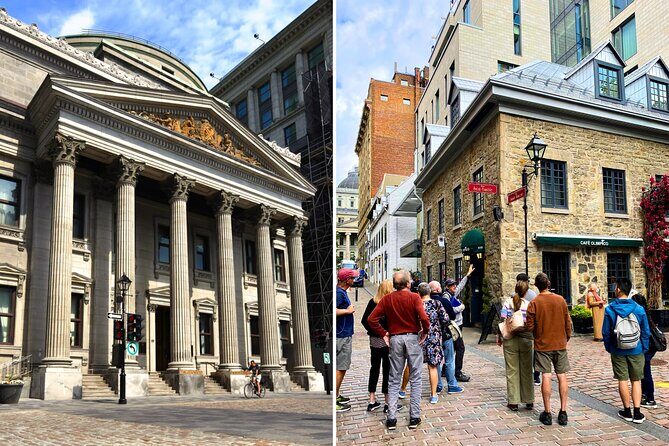
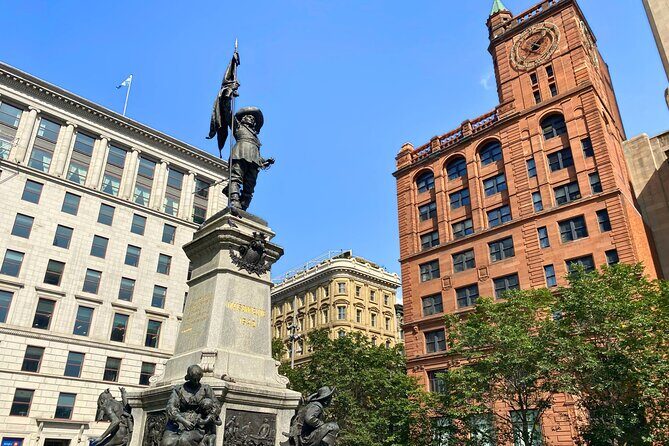
Then you move into Place Royale, described as a historic square in the heart of Old Montréal. This stop is more than a pretty plaza; it’s a place where you can feel the layers of time, from early market life to royal-era references tied to how the settlement grew.
I like Place Royale on guided tours because it’s one of those spots that’s easy to walk past. Without a guide, you might just treat it like scenery. With narration, it becomes a mental map: markets, power, and the early flow of city life.
A practical bonus: Place Royale also works well for photos. The square has classic Old Montréal framing, and since you’re learning what you’re looking at, you take better pictures—less “random tourist mode,” more “I know why this view matters.”
Notre-Dame Basilica (exterior only): gothic revival from the best angle
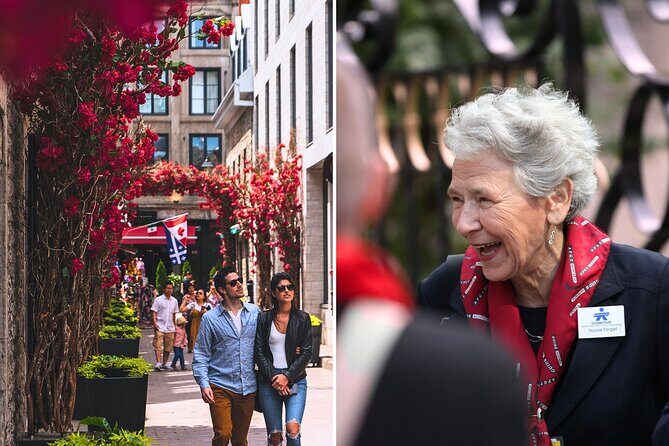
Next up is Notre-Dame Basilica, specifically the Gothic Revival architecture. The key detail: the tour does not go inside the church. That’s the big limitation, and it’s worth knowing up front.
But even from the outside, the basilica is a strong anchor for the tour. It gives you an instant reference point for the style of monumental architecture that shows up around Old Montréal’s historic institutions. And because you’re not spending time waiting inside, you keep your momentum for the rest of the walk.
If you’re the type who loves buildings even more than museums, you’ll likely enjoy how the guide helps you notice features from street level. Think facades, shapes, and how the city’s style signals its history and confidence.



Place d’Armes, the Royal Bank area, and the story threading French heritage
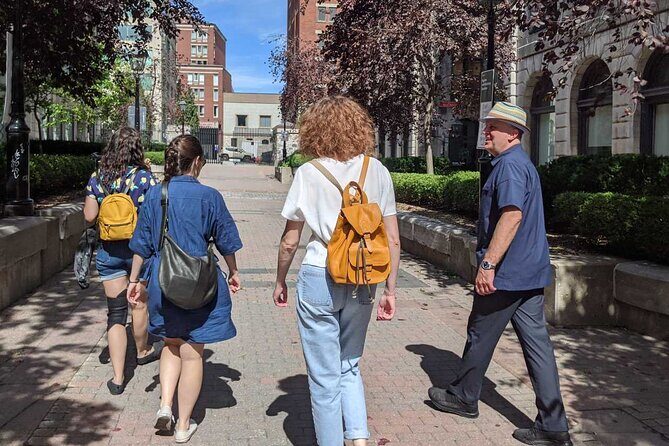
As you roam, you’ll learn about Montreal’s history as you pass Place d’Armes and the area tied to the Royal Bank. This is where the tour does a useful job: it connects institutions to broader shifts in language, culture, and urban life.
You’ll hear how French heritage influenced development and how Montreal’s identity formed through the mix of people, governance, and commerce. It’s the kind of context that makes later museum visits easier. Instead of treating artifacts as isolated objects, you start seeing the city’s “why.”
This stop sequence also gives you a feel for Old Montréal’s rhythm. You’re moving between squares and civic buildings, and that’s where understanding the city’s layout pays off. You’ll see that it’s not random—it’s built around important public spaces.
One practical note: if you’re traveling with kids or you’re easily bored on long walks, this part tends to help because it keeps the narration tied to things you can immediately see.
Montreal City Hall: civic architecture and power on display
You’ll also see Montreal City Hall. For many people, it’s just another landmark on a street route. With a guide, it turns into something more meaningful: a lesson in how civic spaces reflect a city’s values and ambition.
I like that City Hall fits naturally into the tour’s theme. It’s not separate from everything else you’ve learned. It’s part of the same story of institutions shaping daily life—just with a different style of architecture.
And because you’re walking, you get a street-level view that’s more useful than a distant postcard shot. You’ll understand where the building sits in relation to the nearby squares and how the surrounding streets funnel movement toward public gathering points.
Bonsecours Market: the market that’s been serving Montreal for over 100 years
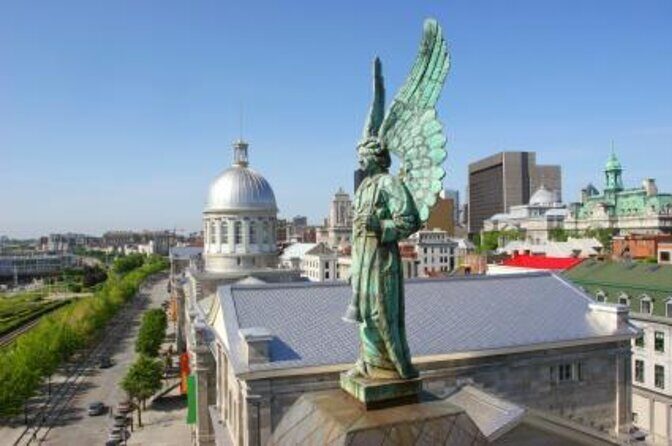
Then comes Bonsecours Market, singled out for a reason: it has served as Montreal’s main public market for more than 100 years. That’s a powerful detail, because it reframes the building from “old-looking structure” into “working centerpiece.”
On a guided walk, Bonsecours is one of the most satisfying stops because it blends practicality with history. Markets are where people show up. They’re where commerce, traditions, and everyday needs meet city life.
Even if you’re not shopping, you’ll get the context for why the building matters and how it fits Old Montréal’s identity. And photo-wise, it gives you that classic market-building look that stands out against the stone-and-steeple vibe around it.
If you want value beyond the narration, keep your eyes open here: this is often where you’ll spot storefronts, interior hints, and angles that look great later when you come back on your own.
The lively historic square: street performers, terraces, and Old Port views
After Bonsecours, you’ll reach a lively historic square known for street performers and charming terraces, with stunning views of the Old Port and City Hall.
This is one of those “pause and look” moments. Without a guide, you’d still notice the activity. With a guide, you also get a sense of why the square functions like it does—why people linger here, and how the view lines connect the civic and waterfront sides of the city.
It’s also a useful rest break built into the tour flow. You can step back, take photos, and regroup before the final stretch. That matters because the tour is short enough that you don’t want to burn your energy early.
St Paul Street: the picturesque stretch you’ll want to revisit
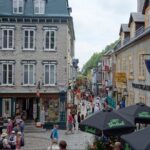
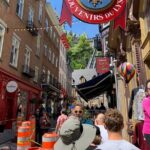
Finally, you stroll down St Paul Street, one of Montreal’s most picturesque streets. It’s a strong closing note because it feels like the tour is handing you something tangible: a street you can follow after the guide leaves.
What you gain here is pattern recognition. Earlier you learned what to look for. Now you can apply it. You start seeing architecture, facades, and street layout as a coherent set rather than a list of landmarks.
If you’re the type to wander for the next hour or two, St Paul Street is the kind of place where you can do that without turning your walk into random guessing. You’re still in a classic Old Montréal flow.
Price and group size: what $26.34 buys you
At $26.34 per person for roughly 2 hours, this is solid value if you care about context. The price isn’t just paying for someone to walk beside you—it’s paying for a guaranteed official city-certified guide, plus a structured route that saves you time on what to prioritize.
The other big value driver is the group size: about 15 visitors, with a maximum of 16. In Old Montréal, spacing matters. With a small group, you can actually hear the guide, take photos without constantly stopping, and ask questions without waiting for a turn that never comes.
You also get a mobile ticket, and the tour runs year-round, rain or shine. That flexibility can be worth real money in a place where weather can swing hard, especially outside peak season.
A practical confidence check: the tour’s average rating is 4.7 with strong recommendation rates. That doesn’t replace your judgment, but it does suggest the experience is consistent and well run.
The guide experience: why the storytelling sticks
One of the reasons this kind of tour works is the guide’s style. The names that pop up in real-world feedback—like David, Pierre, Angelina, Eduard, Francois, Sarah, Thomas, JoAnne, Fred, and Pierre G.—all point to a consistent emphasis on engagement: humor, clear explanations, and an easy way to ask questions.
I also like that the tour encourages practical follow-up. You’re advised to ask for local recommendations for what to do after the walk ends. That’s smart, because your tour can’t cover every museum, shop, or neighborhood. Getting a short list from a guide can steer your remaining time toward places you’d actually enjoy.
And yes, some guides bring extra personality—like reports of François speaking English, French, and even Spanish. If you’re multilingual, that can be a nice surprise. If you’re not, it still usually means the guide is practiced at explaining things clearly.
Rain or shine: how to plan your outfit and your pace
This tour goes rain or shine, and it’s a walking experience. So plan like the weather might do its thing fast. Wear shoes you’re comfortable in for a steady 2-hour walk, and bring a light layer even when the forecast looks friendly.
The guide’s job is to keep things moving, but your job is to make sure you’re comfortable enough to pay attention. Old Montréal streets can be uneven, and if you’re cold or tired, you’ll miss the small architectural details that make the tour feel worth it.
In winter especially, the tour is still a good idea if you bundle up. It’s short enough to avoid turning into a misery marathon, and the narration helps keep your focus when the wind is trying to steal it.
How to use this tour after you’ve finished
When the walk ends near Bonsecours Market Street, treat it like a launch pad. You now have a map in your head: where Place Royale sits, how St Paul Street connects visually, and how City Hall and the waterfront fit together.
Here’s the best strategy: pick one spot to revisit right away while everything is fresh. Since you’ve learned what to notice, your second look tends to be more satisfying than your first.
Also, ask your guide for a simple plan: maybe one museum direction, one food stop, and one “just walk for fun” area. With local input, you can build a day that feels intentional rather than random wandering.
Should you book the Guidatour Old Montréal Walking Tour?
Book it if you want an efficient first pass through Old Montréal with clear orientation, small-group dynamics, and storytelling that explains what you see. It’s especially good for first-time visitors who want a quick, high-impact route through Place Royale, Notre-Dame Basilica’s exterior, Place d’Armes, City Hall, Bonsecours Market, and St Paul Street.
Skip it or be selective if your top priority is going inside Notre-Dame Basilica. This walk keeps you outside, focusing on the architecture and context. Also, if you dislike walking in any weather, make sure you’re ready for the full rain or shine approach.
If your goal is to get your bearings fast and leave with a smarter plan for the rest of your Montreal time, this one is a strong bet.
FAQ
How long is the Original Old Montréal Walking Tour?
The tour lasts about 2 hours.
Is the tour offered in English?
Yes, it’s offered in English.
Where do I meet the guide, and where does the tour end?
You meet at 206 Pl. d’Youville, Montréal, QC H2Y 2B4. The tour ends at Bonsecours Market Street, Montreal, QC H2Y 1J3.
What group size should I expect?
The tour is designed for a group of about 15 visitors, with a maximum of 16.
Does the tour run year-round and in bad weather?
Yes. The tour runs year-round and goes on rain or shine, so dress for the day.
What’s the cancellation refund window?
You can cancel for a full refund up to 24 hours before the experience starts. If you cancel less than 24 hours before, the amount paid is not refunded.