Montreal has a second city underground. This 2-hour private tour takes you through the RÉSO, Montreal’s underground network, where you learn how it became part of everyday routines, not just a winter shortcut. I especially liked the way the tour explains the history behind the RÉSO’s construction and what problem it solved for daily life.
The other thing I loved: you don’t just walk hallways—you spot murals, installations, and cultural spaces tucked into the underground world. One possible drawback to plan for: the experience involves a good amount of walking, and it is not suitable for wheelchair users or people with mobility impairments.
In This Review
- Key highlights at a glance
- RÉSO Underground City: Why Montreal Built a Second Downtown
- What a Private 2-Hour Tour Really Gives You (Especially at $101)
- Meeting at 1508 Rue de Bleury: How to Start Without Stress
- How Gustavo Trindade Turns Corridors into a Story
- The Underground Route: Downtown Landmarks You’ll See from Below
- Place Montreal Trust
- Montreal Eaton Centre
- Place Ville Marie
- Gare Centrale
- Place Bonaventure
- Centre de commerce mondial
- Palais des Congres de Montreal
- World Trade Centre Montréal
- Place des Arts, Montreal
- Complexe Desjardins
- What You’ll Learn About the RÉSO (Beyond the Hallways)
- A Rainy Day (and Winter Day) Strategy That Actually Works
- What to Bring, What Not to Do, and When to Skip It
- Should You Book This Private Hidden City Tour?
- FAQ
- How long is the Montreal underground city tour?
- Where do I meet for the tour?
- What is included in the price?
- Are hotel pickup or drop-off included?
- What languages are available for the live guide?
- What should I bring?
- Is the tour wheelchair accessible?
Key highlights at a glance
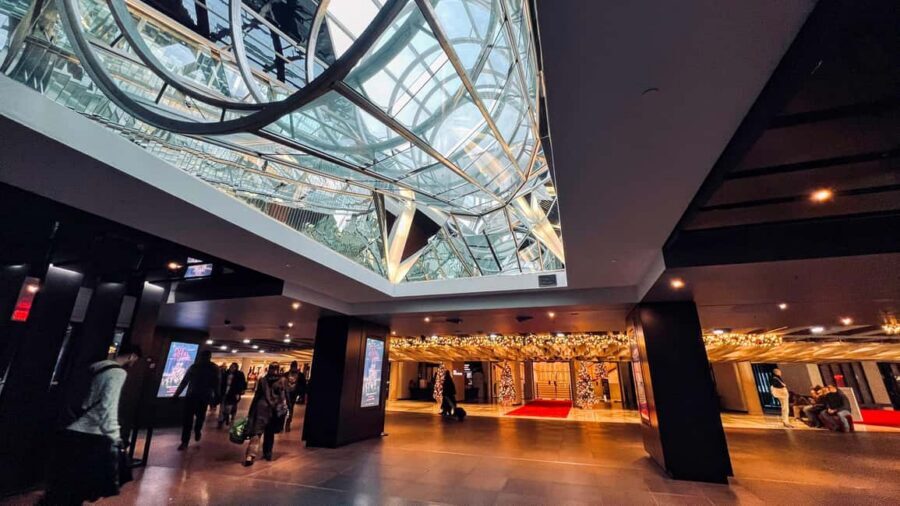
- Private 2-hour format focused on the parts of the RÉSO most visitors miss
- Guide-led history of RÉSO and how it reshaped routines in downtown Montreal
- Art and culture underground, including murals and installations
- Hidden passageways + shopping galleries tied into major downtown landmarks
- Route includes recognizable anchors like Gare Centrale and Place des Arts
- Great rainy-day option, since you’re traveling mostly indoors
RÉSO Underground City: Why Montreal Built a Second Downtown
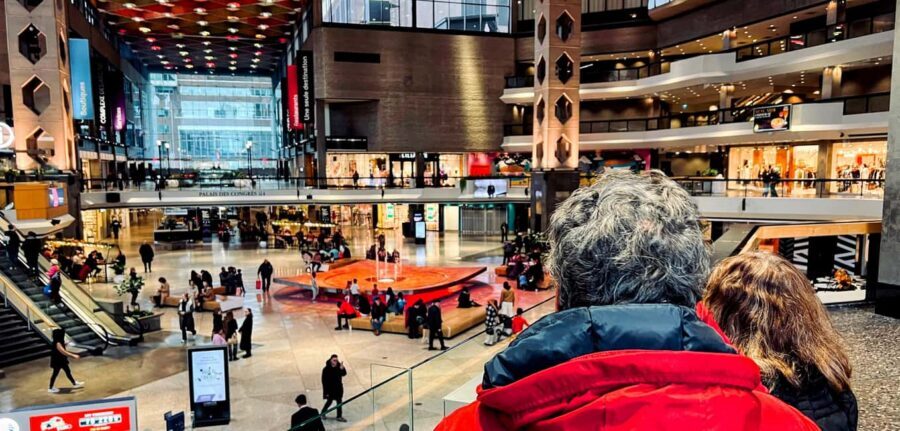
If you’ve ever wondered how Montreal keeps moving when the weather turns, the answer is partly underground. The RÉSO (that’s what locals call it) is an urban network of corridors and connections that links commerce, workspaces, and cultural spots across downtown. The tour frames it as more than shelter—it’s a real city layer with its own logic.
What makes this experience genuinely appealing is that it doesn’t treat the underground like a novelty. You get the story of how the system was built, including how it has held up over time and why Montrealers use it so often. And because the guide keeps pointing out how different parts connect, the whole place starts to feel navigable in your head.
I also appreciate that the tour leans into the human side. It’s not just an engineering story. It’s about daily life: where people go, how they pass through downtown, and how the RÉSO became part of the rhythm of the city.
You can also read our reviews of more city tours in Montreal

What a Private 2-Hour Tour Really Gives You (Especially at $101)
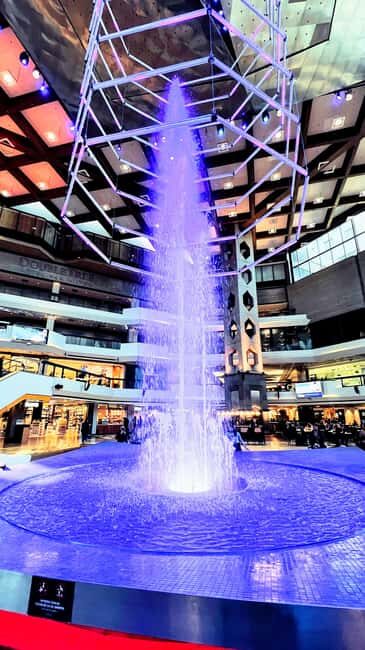
This tour is priced at $101 per person for a 2-hour private experience. The value here isn’t that it’s long—it’s that it’s focused. In a short window, you get guided access to hidden passageways and shopping galleries, plus structured stops at well-known downtown anchors that are connected through the network.
A private format matters more than you might think in the RÉSO. Underground spaces can feel repetitive if you’re just wandering. A guide can point out the differences—art here, a cultural stop there, and the way one corridor hands off to a completely different kind of building. It’s the difference between walking a maze and understanding it.
Also, the guide offers live narration in English, French, Spanish, and Portuguese, so you can pick a language that lets you actually follow the details. For a two-hour tour, that’s a big deal—you don’t want to spend your time decoding.
Meeting at 1508 Rue de Bleury: How to Start Without Stress
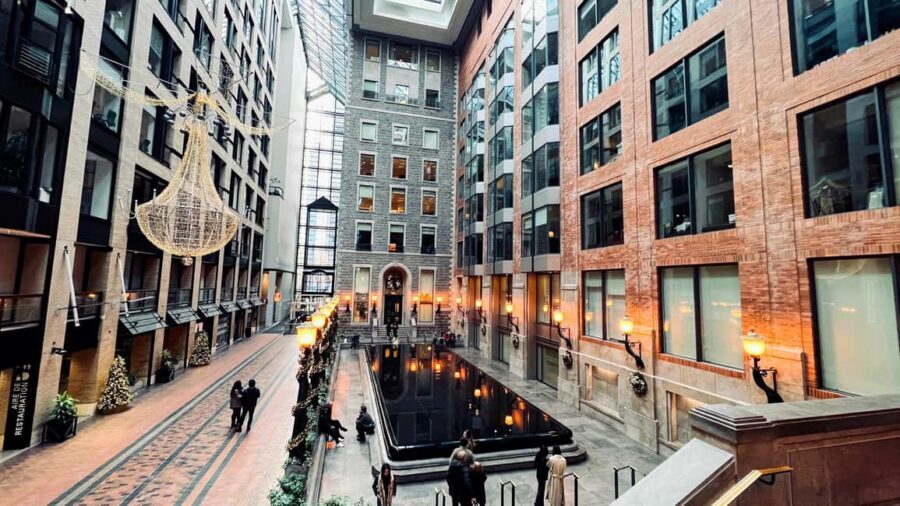
You meet inside the Tim Hortons building at 1508 Rue de Bleury. That’s a simple, easy-to-locate start point in downtown, and it helps you avoid the classic first-10-minutes scramble.
From there, the tour is built around walking. Before you go, I’d take the usual underground-city advice seriously: wear comfortable shoes, bring water, and have your camera ready. Underground corridors often have lighting and surfaces that look better than you’d expect—especially when you know to look for murals or installations.
And one practical note: no hotel pickup or drop-off is included, so plan to arrive on your own. The same goes for food and drinks—you’re not paying for a meal here, you’re paying for time with a guide inside the network.
How Gustavo Trindade Turns Corridors into a Story
The experience stands or falls on the guide, and this one has a clear strength. The tour is led by Gustavo Trindade, and the big theme in the feedback is that he’s engaging, friendly, and flexible.
What I like about this style is that it keeps the tour from feeling like a facts-only lecture. The guide’s approach is interactive, and he’s attentive to what you want to get out of the walk. Some guides hand you a script; this one helps you see the place.
There’s also a practical, traveler-friendly detail: Gustavo is willing to help with photos at interesting spots. That’s the kind of small service that makes a difference when you’re walking through a network full of visual surfaces—artwork, design elements, and corridor moments that you’ll want to capture.
The Underground Route: Downtown Landmarks You’ll See from Below
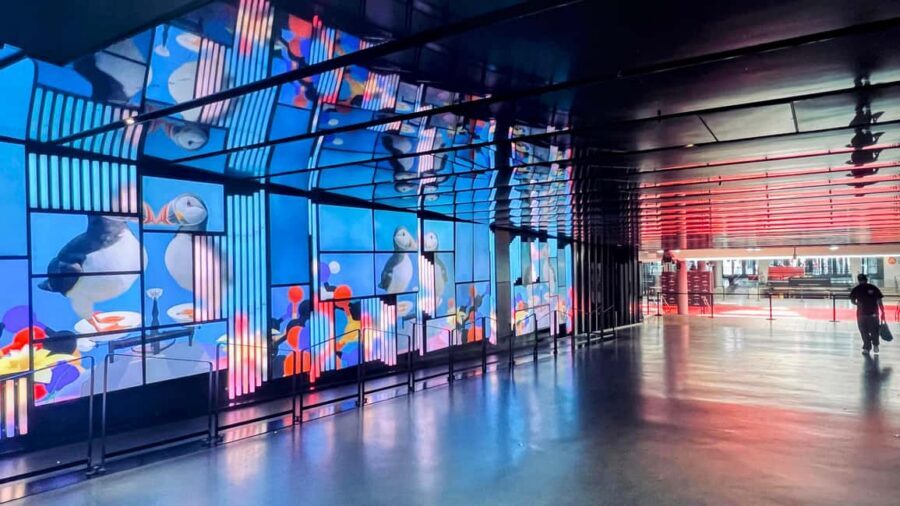
This is a pass-by style itinerary. You’re moving through the connected underground routes, and each stop works like a “pin” that helps you map the RÉSO in your mind: the network isn’t one long hallway—it’s a set of links that reach major downtown destinations.
Here’s how the route unfolds and what to pay attention to at each anchor:
You can also read our reviews of more private tours in Montreal





Place Montreal Trust
This is an early marker that signals you’re in the commercial core. When you pass through a major downtown hub from inside the RÉSO, you start to understand the practical pitch of the network: it’s designed for getting from building to building without stepping back outside.
What to notice: how quickly you shift from one kind of space to another, and how the tour frames these connections as part of everyday routines.
Montreal Eaton Centre
This stop reinforces the “shopping galleries” side of the RÉSO. Even if you’re not shopping, it helps you understand why people use the underground so often. The system isn’t only about transit—it’s also about errands and time-saving indoor access.
What to notice: the rhythm of commercial space and how it connects to surrounding downtown buildings through indoor passageways.
Place Ville Marie
As you move deeper into the network, Place Ville Marie works as another big downtown anchor. It’s the kind of name you recognize from street-level Montreal, and seeing it from the underground changes your mental map fast.
What to notice: the way the route connects major downtown areas, not just side corridors.
Gare Centrale
Gare Centrale is a major transit signal. When you see a key train-station hub connected to the underground, the RÉSO clicks into place as a real commuting system. This is where you start thinking less like a tourist and more like someone who lives downtown—arrive, connect, and keep moving indoors.
What to notice: how the tour connects mobility with nearby destinations rather than treating transit as a separate world.
Place Bonaventure
This is another downtown anchor that helps you understand the scale of the network. The RÉSO can feel endless if you’re wandering alone, but the tour keeps giving you reference points, so the underground doesn’t feel like a lost cause.
What to notice: how passageways and connected spaces support both work and leisure patterns.
Centre de commerce mondial
Here, the tour leans into the business side. If you’ve ever wondered why underground corridors matter beyond winter, this kind of commercial anchor is your answer. The network connects destinations that people visit during the workday, not only during shopping hours.
What to notice: the shift from retail-style areas to more office-and-business-feeling zones, still connected by walking routes.
Palais des Congres de Montreal
A conference and events space changes the mood. When the tour includes cultural and event-adjacent locations, it’s hinting at something important: the underground isn’t only functional—it also supports cultural traffic.
What to notice: any art or design elements you spot on the way, since the tour specifically highlights murals, installations, and cultural spaces.
World Trade Centre Montréal
This stop continues the downtown-to-underground logic. You’re seeing how the RÉSO ties major downtown institutions into one connected system—so people can move around without losing time to outdoor weather.
What to notice: how each anchor adds a new purpose to the network: work, events, commuting, and everyday stops.
Place des Arts, Montreal
Place des Arts is a strong cultural waypoint. This is where the underground story becomes more than practical: you’re reminded that Montreal’s arts scene has a relationship with the connected interior spaces.
What to notice: this is one of the best moments to look for how art appears in unexpected places, since the tour is built to point those things out.
Complexe Desjardins
You finish with another major downtown connector that helps wrap your mental map. By the end, you should feel like you can recognize how the underground network threads through Montreal’s center.
What to notice: how all the earlier anchors now connect into a single system in your head.
What You’ll Learn About the RÉSO (Beyond the Hallways)
The tour’s education piece is practical, not academic. You’ll hear about the history of the RÉSO and how it transformed daily life—especially the way Montrealers rely on the underground for work travel, errands, and getting to key destinations.
The tour also emphasizes that RÉSO is a huge network—often described as the world’s largest underground city—but it doesn’t overwhelm you with scale. Instead, it uses the landmarks to explain the transformation.
The biggest takeaway for me is the “why” behind the underground: it’s built for movement. Once you understand that, the corridors stop looking random.
A Rainy Day (and Winter Day) Strategy That Actually Works
Montreal’s weather can make outdoor sightseeing feel like a chore. This is why I like the RÉSO concept even for people who don’t usually do indoor attractions.
The tour is structured for comfort: you bring water, wear shoes you don’t regret, and you stay focused on a guided route rather than fighting to find your way. One of the best parts of this experience is that it still feels like a tour, not just a shelter.
What to Bring, What Not to Do, and When to Skip It
Bring:
- Comfortable walking shoes
- Camera
- Water
Not allowed:
- Alcohol and drugs
Skip it if:
- You need wheelchair-friendly access. This tour is not suitable for wheelchair users or people with mobility impairments.
If you’re someone who does fine walking indoors for a couple hours, you’re in good shape.
Also, remember that you’re not getting food included. If you’re touring at a time when you’d normally eat, plan something simple before or after.
Should You Book This Private Hidden City Tour?
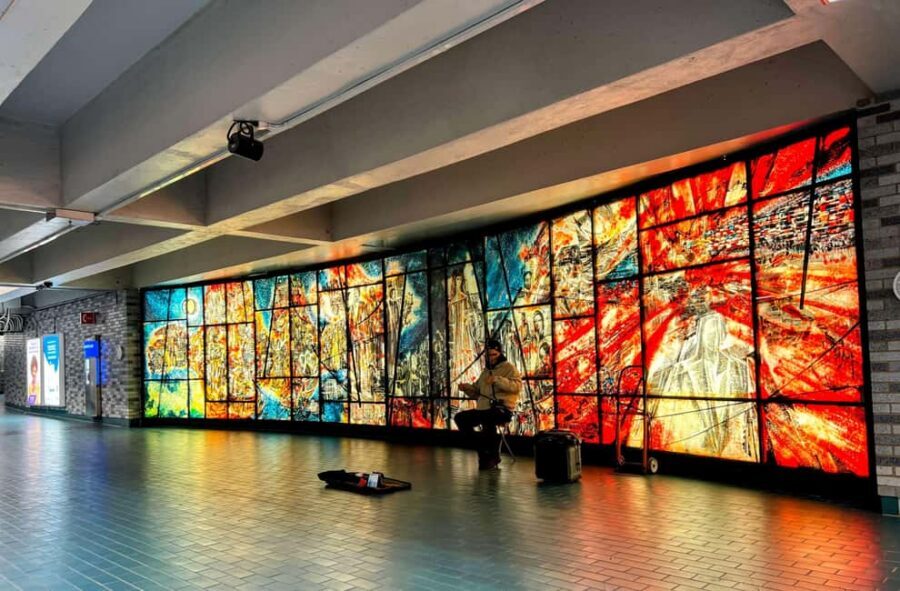
If you’re coming to Montreal and you want more than the usual surface highlights, I think this is a smart choice. It helps you understand the city’s downtown by walking its connected underlayer, and you get history plus real visual surprises like murals and installations.
Book it if:
- You want an easy-to-follow route through the underground
- You like guided storytelling that explains how places work
- You’re visiting in cooler months or you expect rainy weather
- You appreciate a guide like Gustavo Trindade who keeps things engaging and is willing to help with photos
Skip it if:
- You don’t want to walk indoors for two hours
- Mobility access is an issue for you or someone in your group
- You’re looking for a longer, slower museum-style experience (this is a focused walking tour)
Overall, this is a good value way to see an important Montreal layer without getting lost in it. If the idea of the underground city feels intriguing, the private 2-hour format makes it practical.
FAQ
How long is the Montreal underground city tour?
It lasts 2 hours.
Where do I meet for the tour?
Meet inside the Tim Hortons building at 1508 Rue de Bleury, Montréal, QC H3A 0B4.
What is included in the price?
You get a 2-hour guided tour, access to hidden passageways and shopping galleries, visits to iconic downtown landmarks, and insights into the history and construction of the RÉSO.
Are hotel pickup or drop-off included?
No, hotel pickup and drop-off are not included.
What languages are available for the live guide?
The guide is available in English, French, Spanish, and Portuguese.
What should I bring?
Bring comfortable shoes, a camera, and water.
Is the tour wheelchair accessible?
No, it is not suitable for wheelchair users or people with mobility impairments.
—
If you want, tell me your travel dates and whether you’re visiting mostly for culture, food, shopping, or sightseeing—and I’ll suggest the best time of day to do this underground route.