REVIEW · SQUAMISH
Squamish: Via Ferrata Climbing Adventure
Book on GetYourGuide →Operated by Mountain Skills Academy & Adventures · Bookable on GetYourGuide
Cable climbing in Squamish is pure nerve and joy. This guided via ferrata starts high at the top of the Sea to Sky Gondola and then takes you along the Sea to Summit Trail into big views over Howe Sound. You’ll move across bridges and catwalks on a fixed cable system, with snowcapped Sky Pilot Mountain in sight as your reward.
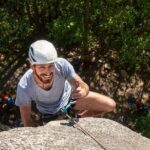
I love how safety is built in. You clip in with two leashes that stay connected to the cable while you’re on the route, and the guidance is clear. I also like that the whole outing is about 90 minutes, so it’s a real adventure without turning into a half-day project.
One thing to consider: this runs rain or shine, but weather can still stop it. If lightning is within 60 km of the mountain, the tour is cancelled, and you’ll need proper footwear and warm layers—sandals and flip-flops are a no-go.
In This Review
- Key takeaways before you buy
- From Gondola Top to Via Ferrata Flight Deck
- The Fixed Cable System That Keeps It Fun
- The Sea to Summit Trail Warm-Up and Big View Payoff
- Bridges, Catwalks, and Glacier-Worn Granite
- Howe Sound and Sky Pilot Mountain: The Views You Earn
- Equipment and Timing: About 90 Minutes of Real Adventure
- Price and Value: Why $94 Can Make Sense
- What to Bring (and What to Leave Behind)
- Guide Quality: Calm Guidance for Nervous First-Timers
- End at Sea to Sky Summit Lodge, Then Head Back
- Who This Is For (and Who Should Skip)
- Should You Book Squamish Via Ferrata?
- FAQ
- How long is the Squamish via ferrata climbing adventure?
- Where do I meet the guide?
- Is a gondola ticket included?
- What should I bring?
- What equipment is provided?
- Will the tour run in bad weather?
- Is there an age limit?
Key takeaways before you buy
- Two-leash connection: you stay clipped to the fixed cable system for safe movement.
- Old-growth forest start: you hike to the climb along the Sea to Summit Trail before you gear up fully.
- Bridges, catwalk, granite rungs: the route mixes moving challenges so you’re not just doing one straight section.
- Howe Sound + Sky Pilot Mountain views: you get dramatic scenery without long trekking days.
- High-quality, well-maintained gear: helmet, harness, and lanyards are provided and fit matters.
- Sun deck recovery time: you end at the Sea to Sky Summit Lodge for a breather before heading back.
From Gondola Top to Via Ferrata Flight Deck
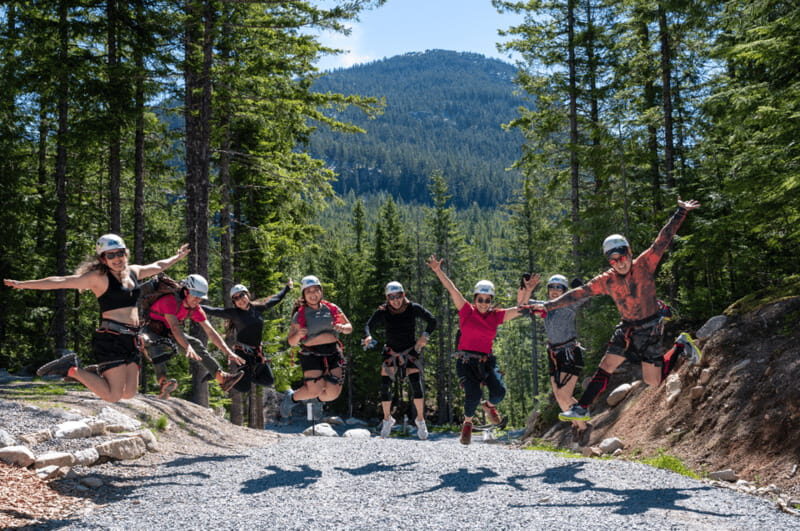
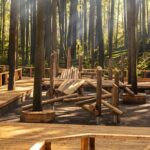
This experience is designed for people who want the fun parts of climbing without needing to learn ropes-and-gear from scratch. You start at the top area of the Sea to Sky Gondola, meeting your guide at the Summit Shelter near the playground. That matters because it keeps the whole thing simple: you’re already high, already set up for views, and you’re not spending the morning driving long distances just to reach the climbing zone.
Once you meet up, your guide helps with fitting and setup—helmet, harness, and lanyards. Then you follow the path through an old-growth forest along the Sea to Summit Trail. It’s a nice warm-up, and it also sets the tone: you’re not thrown into technical climbing immediately. You’re hiking, looking at the trees, and gradually getting your bearings before you step onto the metal rung section.
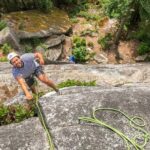
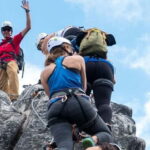
The climb proper starts after you reach the flight deck. That’s the point where your guide clips you into the safety cable system, and you’re ready to move. The route stays guided and secure, but you still need to use your body—hands on the steel rungs, feet placed deliberately, and eyes up for the next section.
You can also read our reviews of more tours and experiences in Squamish.
The Fixed Cable System That Keeps It Fun
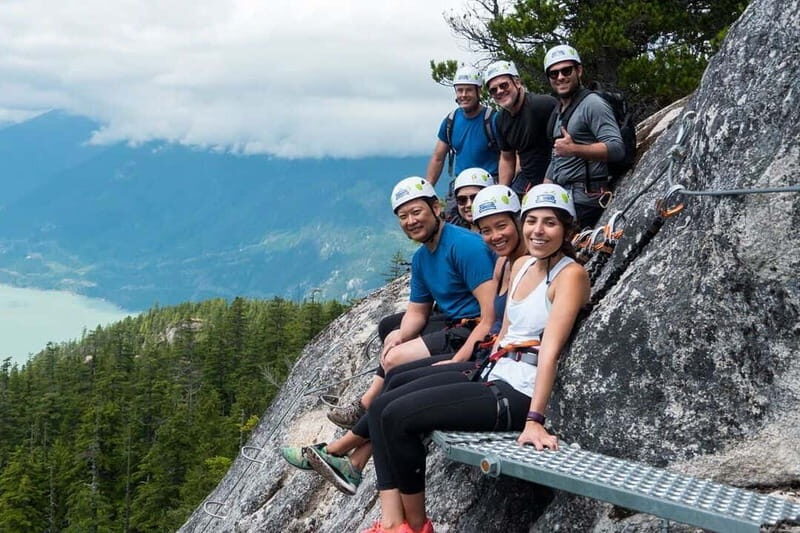
Via ferrata is basically a controlled way to experience exposure. The key word is controlled. On this climb, you’re not free-soloing up a wall. You’re connected to a fixed cable line designed to keep you safe while you make progress.
Here’s what you can expect safety-wise:
- You use two leashes that remain continuously clipped to the cable while you’re on the route.
- Your guide clips you in at the flight deck and stays with you through the experience.
- The equipment provided is high-quality and maintained, including the helmet and harness.
For a first-timer, that setup changes everything. It’s the difference between worrying about your next move and actually focusing on the next move. You’ll still feel that twinge when you’re on bridges or looking down, but the connection gives your brain a reason to calm down.
One practical tip: listen early. The best via ferrata climbers don’t just try harder; they move smarter. If your guide explains how to grip, how to place your feet on the rungs, or how to manage your breathing, take it seriously. It helps you enjoy the mechanics instead of fighting them.
The Sea to Summit Trail Warm-Up and Big View Payoff
The first section is the hike—along the Sea to Summit Trail through old-growth forest. This is more than just distance. It’s how you shift from parking-lot mode into climbing mode.
As you follow the trail, you emerge into rewarding views of Howe Sound. You’re not just passing through. You’re getting a taste of what the climb is paying you back with: open air, distant peaks, and that coastal ruggedness that makes Squamish feel like its own planet.
This part also gives you time to get comfortable with your gear. You’ve got a helmet on, you’ve adjusted your harness, and you’re walking with lanyards and equipment that might feel unusual at first. By the time you reach the flight deck, your body has already made peace with the “new normal.”
If you’re the type who worries in advance, this is good. The hike gives you a runway. You can settle your nerves before the moment your route becomes metal rungs and moving sections.
Bridges, Catwalks, and Glacier-Worn Granite
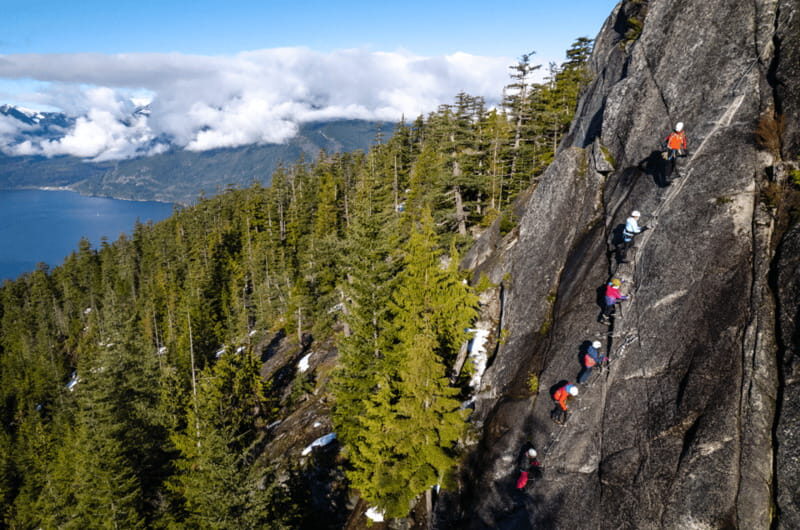
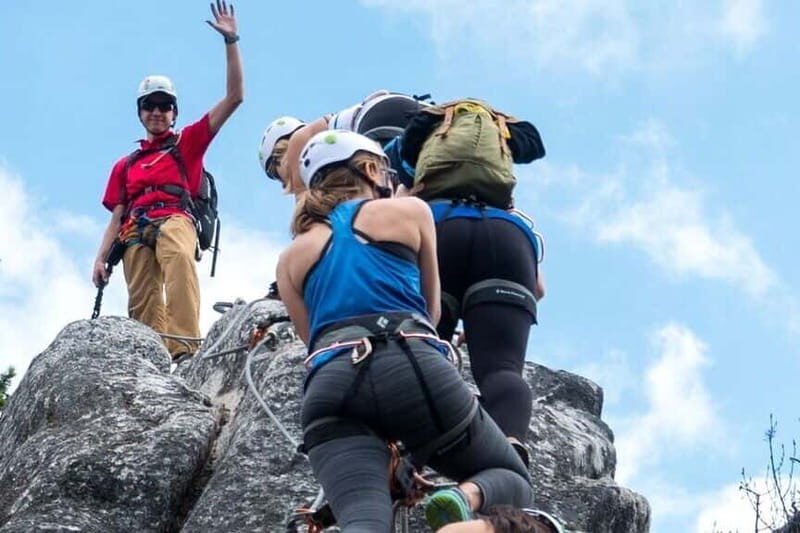
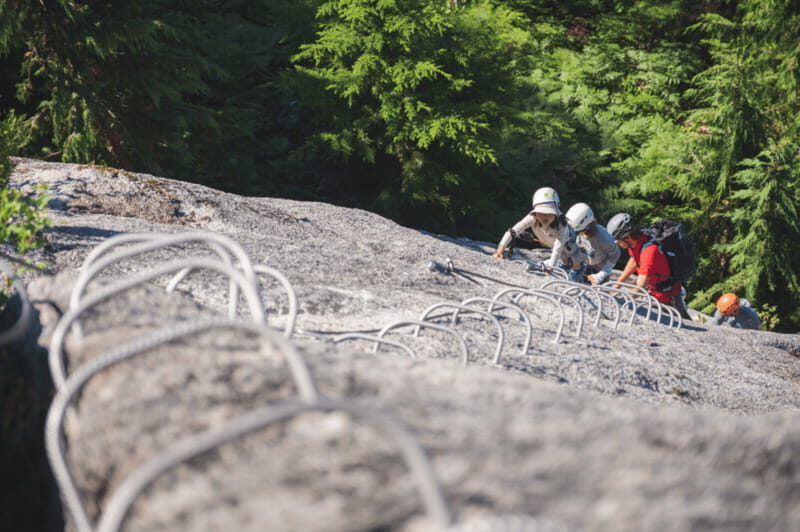
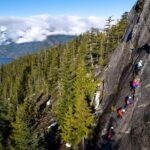
Now comes the fun part: you hold steel rungs and use the fixed cable system to move across the route. The course includes bridges and a catwalk, then heads up granite that’s described as glacier-worn. That combination is part of why the experience feels like more than a quick photo stop.
What makes each segment memorable:
- Bridges: you’ll feel the exposure. The safety connection helps, but you still need steady hands and confident foot placement.
- Catwalk: it asks for control and balance. Think careful, not rushed.
- Granite rungs and upward sections: this is where the movement rhythm matters—hands, feet, breathe, repeat.
This is also where the guided aspect earns its keep. A good guide doesn’t just keep you clipped in; they help you read the route. They may show you how to approach the next rung, how to pause without freezing up, and how to keep moving smoothly when your arms start to feel it.
And yes, you’ll likely take breaks. Via ferrata is physical enough to make you notice, but it’s short enough that breaks don’t ruin the day. The goal is progress plus confidence—not suffering.
Howe Sound and Sky Pilot Mountain: The Views You Earn
The best way to describe the scenery is this: you’re high enough that the world spreads out, but close enough to feel like you’re inside it.
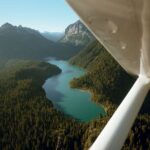
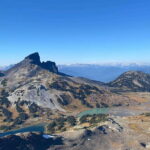
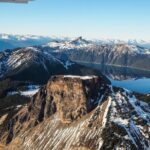
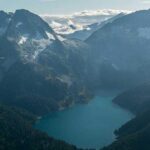
You’ll enjoy sweeping views of Howe Sound from above, plus sight of snowcapped peaks of Sky Pilot Mountain. On a route with bridges and catwalks, those views can actually help you. They give you something to look at besides the place your feet are landing. Just keep your focus on safety first—eyes up only when you can keep your balance.
Photography is another big deal here. In the tone of guides who know what they’re doing, you may find yourself stopping at natural points to snap photos without turning the experience into a slow parade. One guide style that came through strongly was taking and sharing photos for the group, which means you spend less time fighting a camera and more time actually enjoying the climb.
Quick photo tip: bring sunglasses and protect your eyes. You’re high, bright conditions happen fast, and staring at steel rungs and distant peaks at the same time can be rough without eye protection.
Equipment and Timing: About 90 Minutes of Real Adventure
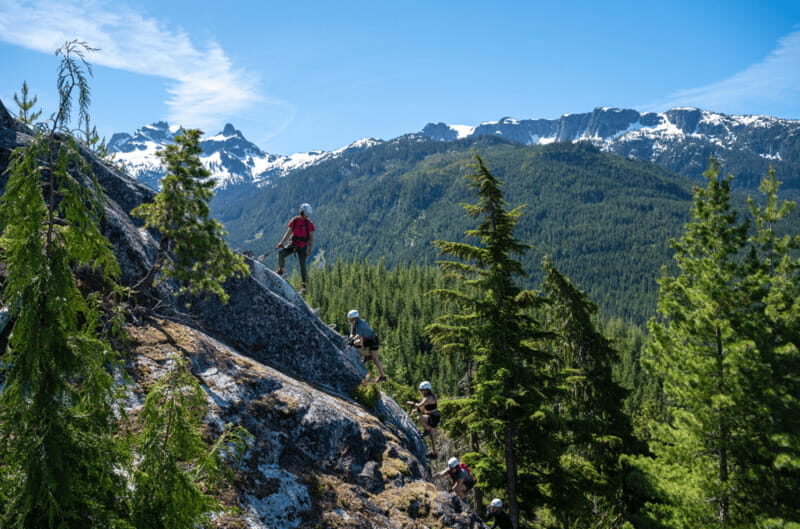
The total duration is listed at 90 minutes. That’s an ideal length for most people because it:
- keeps energy high,
- avoids a long waiting game,
- and still gives enough time to get through the key sections of the route.
You’ll also learn that the gear matters. Helmet fit matters. Harness tightness matters. Lanyard setup matters. A well-run tour turns that into comfort and safety instead of a clunky distraction.
Equipment included:
- Helmet and harness
- Lanyards and climbing tour guide support
Two more practical details that affect your day:
- Hotel pickup and drop-off are not included, so plan to get yourself to the meeting point at the top of the gondola.
- Whistler Mountain access fee is not included.
If you’re adding other Sea to Sky stops, this 90-minute block fits well. It’s active, but not exhausting all day.
Price and Value: Why $94 Can Make Sense
The price is listed at $94 per person. On paper, that might sound like a lot for 90 minutes—until you add what you’re actually getting.
You’re paying for:
- a live guide who keeps you safe and moving,
- climbing-specific gear (helmet and harness),
- and a structured via ferrata experience using the fixed cable route.
Then there’s the option of including a gondola ticket. That can change the value math depending on what you already planned to do. If you want the gondola ride anyway, bundling it into your day is usually the most sensible way to reduce logistics and make the whole outing feel like one connected plan.
Bottom line: this price works best when you treat it as a guided access moment to a viewpoint plus a controlled climbing experience. It’s not just a ticket to stand near something. You’re actually on the route.
What to Bring (and What to Leave Behind)
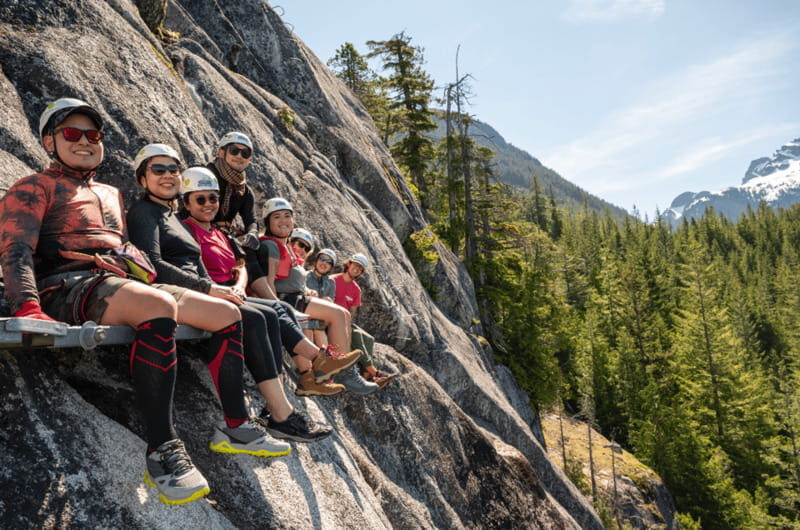
You’ll move in cool mountain air, even on bright days. Bring warm clothing, sunglasses, and sunscreen. Rain gear is a good call since the tour runs rain or shine.
Other useful items:
- camera
- food and drinks
- hiking shoes
- rain gear (again, worth it)
What’s not allowed is strict, and for good reason. The tour doesn’t want distractions or safety hazards:
- high-heeled shoes
- sandals or flip-flops
- baby strollers
- luggage or large bags
- mobility scooters
- intoxication or alcohol/drugs
- red wine is specifically listed
- electric wheelchairs, skateboards, surfboards
- bare feet
- fireworks or explosive substances
Also note: this is suitable for ages 8 and up, so you can expect a family-friendly vibe, but it still stays on a real climbing route. Proper shoes and calm attention matter.
Guide Quality: Calm Guidance for Nervous First-Timers
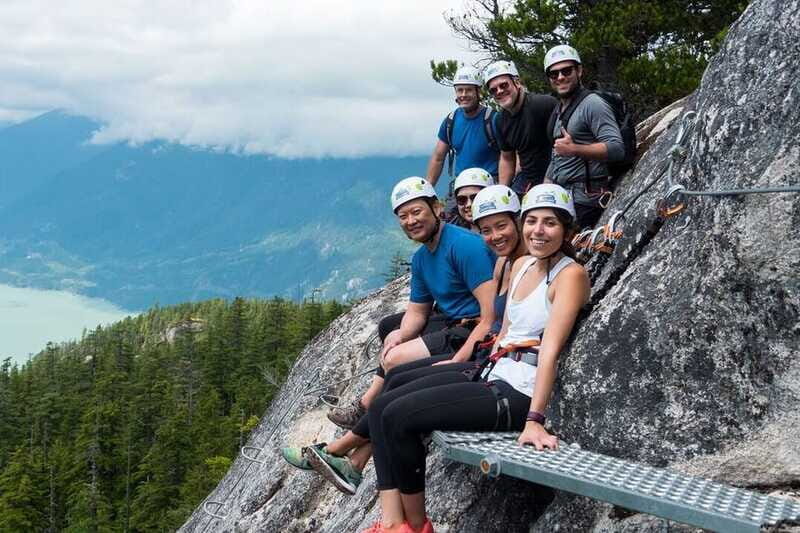
What stands out most is how guides balance support with independence. You’ll be guided tightly while you’re on the cable, but the vibe isn’t micromanaging.
Several named guides show up in the experience history—Victor, Fraser, Emile, and Victoria—and the common thread is supportive teaching. That support is especially valuable if you’re nervous about heights or unsure about your grip strength.
A helpful style to look for (and you can judge quickly once you meet your guide) is someone who:
- explains clearly,
- checks in on how you’re feeling,
- and still lets capable climbers move at their own pace.
One practical lesson from experienced guides: people don’t always need more bravery. Often they need better instruction and a calmer plan for the next 10 seconds. That’s exactly the kind of reassurance that turns via ferrata from scary to exciting.
End at Sea to Sky Summit Lodge, Then Head Back
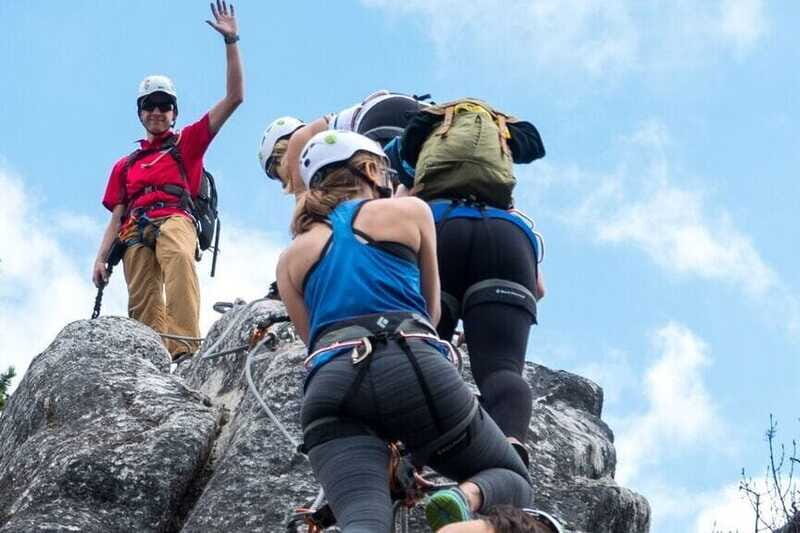
After you finish the climb, your via ferrata adventure takes you to the Sea to Sky Summit Lodge. This is where you can relax on the sun deck before returning to the starting point.
That decompression matters. You’ve been focused on movement and safety. Now you get to enjoy the views without gear pulling at you.
If you’re planning your day, consider timing your meal or snack around this lodge stop. You’ll likely feel warmer after the climb, then cool down when you sit still. Bring a layer you can add quickly.
Who This Is For (and Who Should Skip)
This is suitable for people aged 8 and up. That said, the operator lists several groups as not suitable, including:
- children under 8
- people with mobility impairments and wheelchair users
- cruise ship guests
- visually impaired people
- people over 350 lbs (159 kg)
- people who can’t drive manual transmission
- vegans and vegetarians
That last one may seem odd, especially since the tour doesn’t list meals as included. But it is explicitly listed as not suitable, so take it seriously. If your dietary needs are strict, you’ll want to confirm directly with the provider before booking.
If you’re generally healthy, can wear climbing gear comfortably, and you’re okay with heights, this is a strong choice. If heights make you panic fast, plan to lean on the guide for confidence-building and pacing.
Should You Book Squamish Via Ferrata?
Book it if you want a guided climb that’s built for confidence: fixed cable access, a continuous safety system, and views that reward your effort. You get a real adventure without having to be a climber first.
Skip it if any of the safety or suitability limits apply to you, especially mobility, weight limits, or visual constraints listed by the operator. And if you know lightning storms are common during your travel window, treat the weather risk seriously—rain or shine is fine, but lightning within 60 km cancels the tour.
For most people, this is one of those experiences where the value shows up after you finish—when you realize you actually climbed, you stayed safe, and the scenery was right there the whole time.
FAQ
How long is the Squamish via ferrata climbing adventure?
The tour duration is listed as 90 minutes.
Where do I meet the guide?
Meet at the Summit Shelter located at the top of the Sea to Sky Gondola, near the playground.
Is a gondola ticket included?
You can choose options that include a gondola ticket, or choose without one. The gondola ticket is included only if that option is selected.
What should I bring?
Bring warm clothing, sunglasses, camera, food and drinks, hiking shoes, sunscreen, and rain gear.
What equipment is provided?
You’ll get helmet and harness as part of the climbing tour, along with guide-led safety setup using the fixed cable system.
Will the tour run in bad weather?
It runs rain or shine, but it will be cancelled if lightning strikes 60 km or less from the mountain.
Is there an age limit?
Yes. It’s suitable for ages 8 and up, and it’s not suitable for children under 8.