REVIEW · MONTREAL
Haunted Old Montreal Ghost Walking Tour
Book on GetYourGuide →Operated by Haunted Montreal · Bookable on GetYourGuide
Old Montreal has a dark heartbeat. This 90-minute ghost walk mixes historic landmarks with theatrical storytelling, so the city feels less like a sightseeing stop and more like a living scene. You’ll hear how brutal colonial-era events still echo in the form of local legends, ghost sightings, and names you can’t forget.
I especially like the actor-led performance approach, which keeps the pace moving while still giving you real historical context. I also like that the tour points to specific Old Montreal locations, including the courthouse area, Place Vauquelin, and the Chateau Ramezay museum. One thing to keep in mind: some stories are described as gruesome and can be a bit much for kids or anyone who doesn’t want gory details.
In This Review
- Key Highlights You’ll Care About
- Starting at the Bank of Montreal Clock: your exact meeting spot
- Old Montreal’s “haunted neighborhood” vibe: why the streets feel different
- Marie-Joseph Angélique: the fire story that anchors multiple stops
- The Courthouse District and Place Vauquelin: where the British jail story lives
- Hotel-Dieu Hospital, Jeanne Le Ber, and the darker side of “devotion”
- Chateau Ramezay: the museum stop and Miss O’Dowd’s theatrical presence
- The walkthrough style: how the stops stay connected for 90 minutes
- Who you’ll meet: actor-storyteller energy (and a heads-up on tone)
- Price and value: $24 for a performance-based ghost walk
- Who should book this Haunted Old Montreal ghost walk
- Should you book it
- FAQ
- Where does the tour start?
- How long is the Haunted Old Montreal Ghost Walking Tour?
- How much does it cost?
- Is the tour in French, English, or both?
- Does the tour go indoors?
- Are there jumpscares?
- Does the tour run in bad weather?
- When should I arrive for the meeting point?
- Can I cancel and get a refund?
Key Highlights You’ll Care About
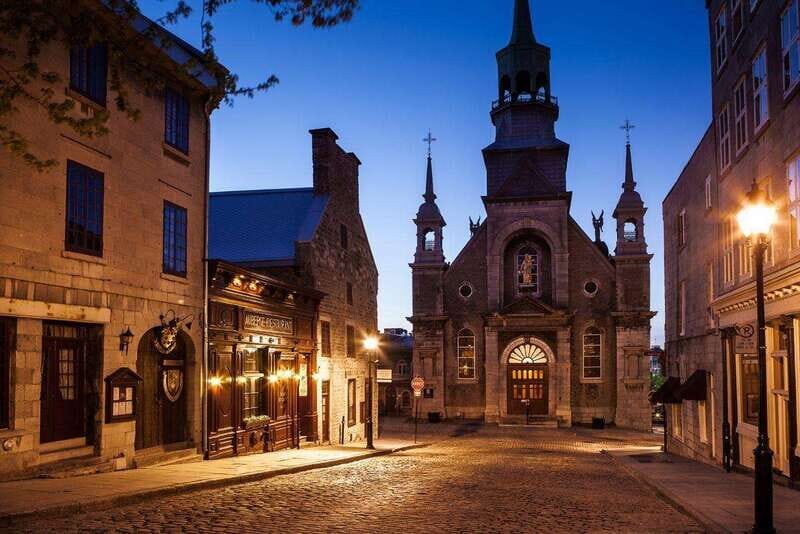
- The showy, actor-led format: professional actor and storyteller, designed to be dramatic without gimmicks.
- Marie-Joseph Angélique’s story: a harrowing account tied to New France and a fire legend.
- Courthouse District and Place Vauquelin: you’ll hear about the British-era jail cells that remain beneath the square area.
- Champs-de-Mars execution setting: the sloping geography and viewpoints are part of the storytelling.
- Hotel-Dieu Hospital and Jeanne Le Ber: the tour connects major sites to chilling personal legend.
- Chateau Ramezay and Miss O’Dowd: an 18th-century museum stop with an ongoing ghost presence.
Starting at the Bank of Montreal Clock: your exact meeting spot

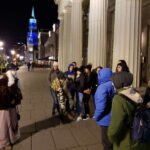
The tour’s starting point changed due to construction, so use the current location, not any older map idea. Meet your guide next to the Bank of Montreal Clock, in front of 155 St. Jacques Street. It’s on the north-east corner of St. François-Xavier and St. Jacques Streets, very close to Metro Place d’Armes on the Orange Line.
Plan to arrive at least 10 minutes early. That buffer matters because this is a walking show, not a sit-and-wait lecture. Once you’re grouped up, the guide starts linking the street grid and buildings to specific events, which is what makes the walk feel like it’s unfolding instead of just being recited.
Also, bring weather-ready clothes. The tour runs rain or shine, in all weather conditions. Old Montreal’s cobblestones can be slick, so you’ll feel more comfortable in shoes that grip.
You can also read our reviews of more walking tours in Montreal



Old Montreal’s “haunted neighborhood” vibe: why the streets feel different
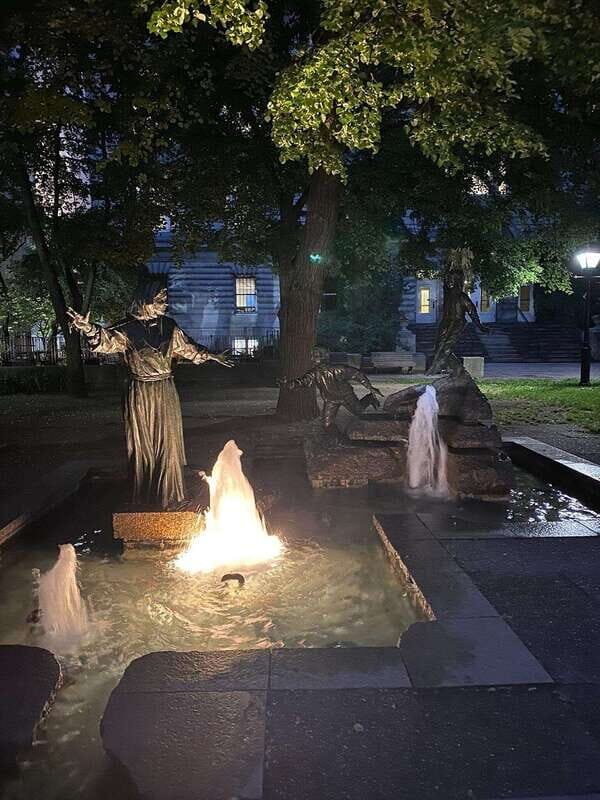
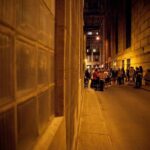
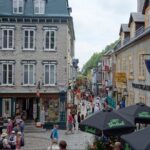
Old Montreal is historic in the ordinary way—cobblestone streets, timeworn buildings, and architecture that dates back to the 1600s. But this tour leans into the darker side of that history. You’ll hear how the area, as a colonial establishment site, experienced waves of violence and tragedy: genocide, warfare, plagues, disasters, heinous crimes, and shocking deaths.
What’s useful here is the way those events become a map for your imagination. The guide doesn’t treat ghosts as random jump scares. Instead, they’re framed as stories that grew from real places and real suffering. That’s why the stops matter. Each square or street name turns into a clue: where something happened, where people gathered, and where fear would have lingered.
And yes, the walk is very much built for the ghost-hunter mindset. Places like Jacques Cartier Square, Place d’Armes, and the Courthouse District aren’t presented as cute photo backdrops. They’re presented as stages where history and legend overlap.
Marie-Joseph Angélique: the fire story that anchors multiple stops
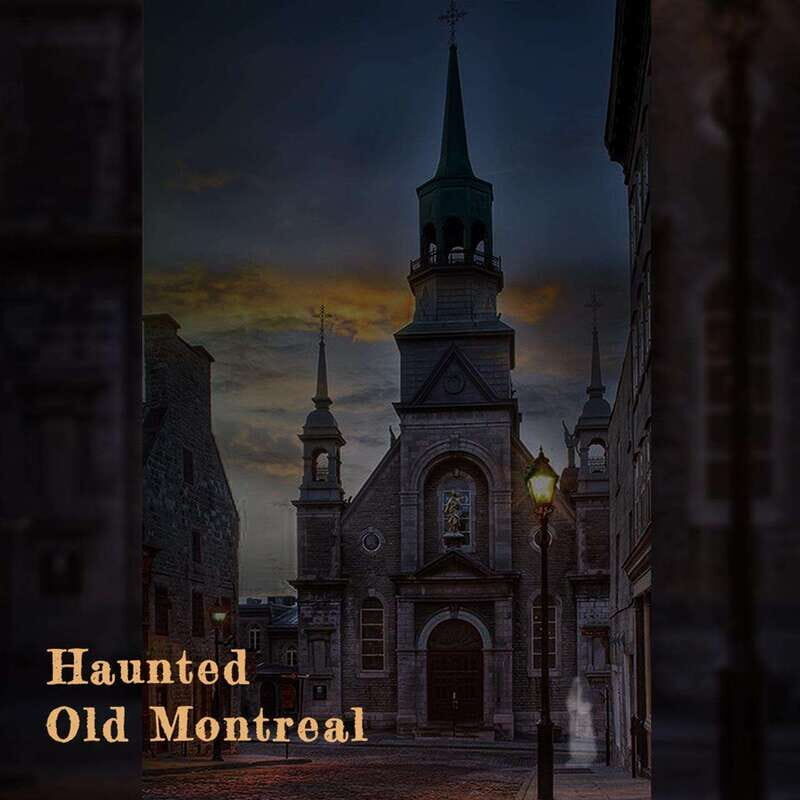
One of the tour’s central threads is Marie-Joseph Angélique, a slave woman from the New France era. You’ll hear that she was hanged after being accused of starting a devastating fire. The story is especially grim because it includes the detail that there were no witnesses, and her confession came after torture.
Even if you think you know Montreal history, this is the kind of story that changes your mental picture of the city. It also helps explain why ghost legends stick around. When a community witnesses injustice—or believes it has—memory doesn’t just disappear. It can turn into legend, and legend can turn into a “ghost that appears.”
On a practical level, this part of the walk also teaches you how to listen. Instead of focusing on one dramatic moment, the guide ties the accusation, the punishment, and the site-based storytelling together. That makes the later stops feel connected, not like separate spooky anecdotes.
The Courthouse District and Place Vauquelin: where the British jail story lives
The walk spends time in the courthouse area and nearby districts tied to British-era imprisonment. One stop is the Place Vauquelin area, where you’ll hear about Montreal’s first British Jail—often called the Montreal Prison in the tour narrative.
Today, you’re not walking through a functioning prison. Instead, the point is that only the cells remain beneath the historic Place Vauquelin area. The tour frames that as part of the haunting: there’s something about the idea of hidden spaces under public ground that makes the legend feel more personal and less abstract.
Then there’s Champs-de-Mars, adjacent to these sites. This is one of those storytelling moments where the physical setting gets used as evidence. The guide explains that the sloping geography and viewpoints created an ideal setting for live executions. In other words, you’re not just hearing that hangings happened—you’re learning how the space shaped the spectacle.
If you’re the kind of person who likes “how did they use the space” questions, this section will satisfy you fast. If gore and crime details make you uncomfortable, you’ll want to mentally pace yourself here, because this walk does not shy away from brutal subject matter.
Hotel-Dieu Hospital, Jeanne Le Ber, and the darker side of “devotion”
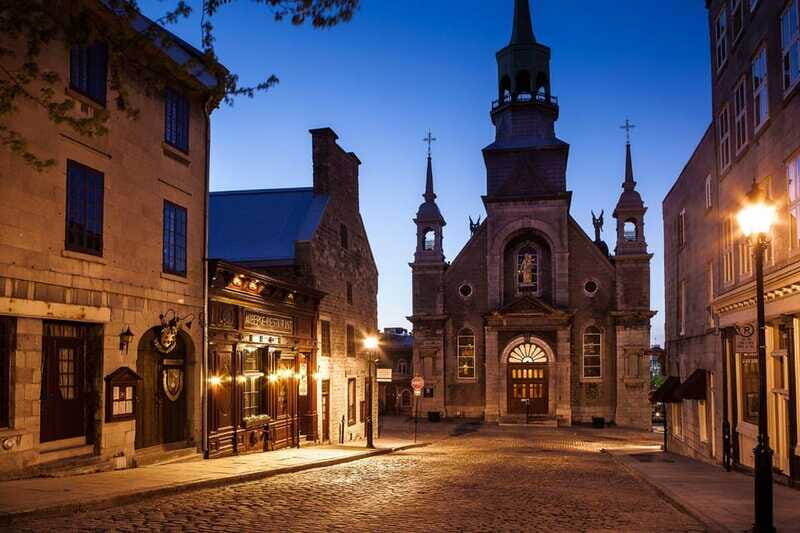
The tour also links major medical and religious sites to haunting legend. One story centers on the fires at the Hotel-Dieu Hospital, followed by talk of Jeanne Le Ber, a Catholic recluse whose ghost legend includes self-flagellation.
That’s the kind of detail that can feel shocking even if you’re used to historical crime stories. The guide presents it as part of the haunting lore connected to the hospital site. And that matters because it shows how haunting isn’t always about a single murder or a single curse. Sometimes the legend is about a life shaped by fear, secrecy, guilt, or extreme religious practice.
This is where I’d give a simple piece of advice: decide up front what kind of scary you want. If you want playful Halloween theatrics, this tour may feel too intense. If you want spooky history with real moral weight, it can feel powerful—and sometimes unsettling in a good, memorable way.



Chateau Ramezay: the museum stop and Miss O’Dowd’s theatrical presence
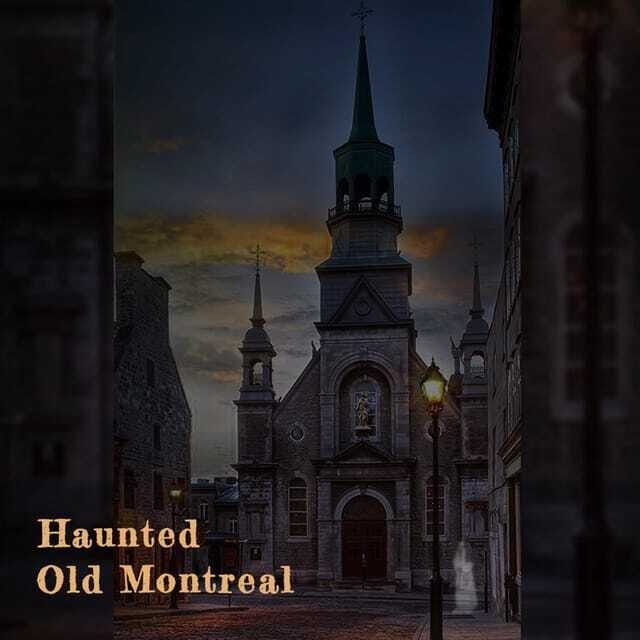
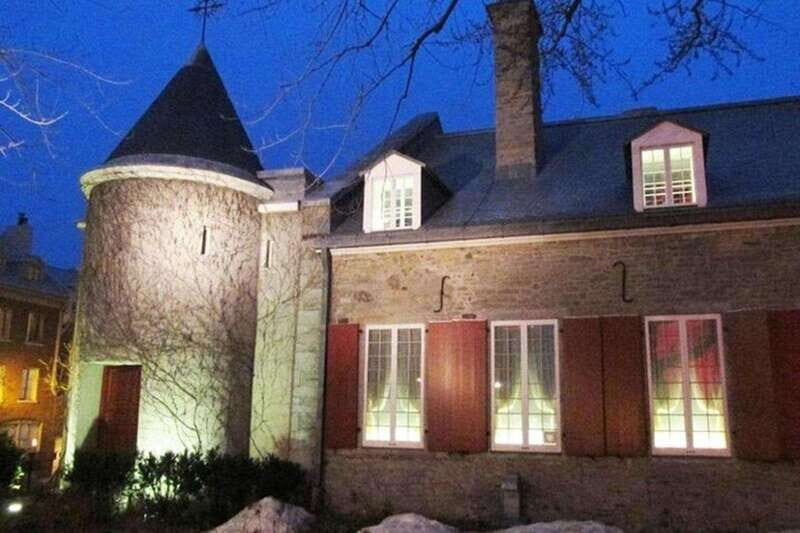
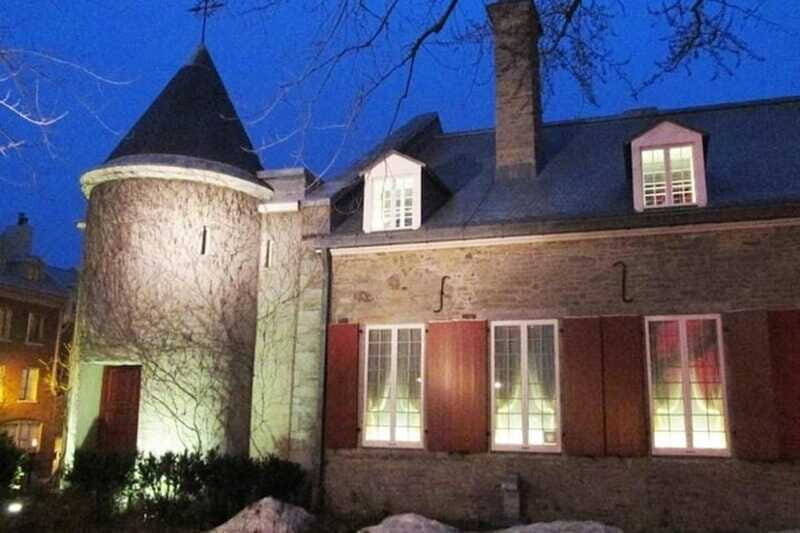
You’ll finish with a standout location: Chateau Ramezay, described as an 18th-century museum. This is where the tour’s “ghost stories in historic context” promise shows up most clearly. You’ll hear about the museum’s paranormal activity and meet the ghost of a former warden named Miss O’Dowd.
The way the story is framed matters. You’re not sent indoors for a scare. In fact, the tour includes no going indoors. There are also no jumpscares from other actors. Instead, the performance style leans into chilling behavior and narration, so the haunting builds through the guide’s delivery and the atmosphere of the building’s exterior setting.
For ghost fans, this is a good approach. It keeps the focus on story and place, not on frantic theatrics. It also makes the experience easier to manage if you’re traveling with someone who gets stressed by surprises.
The walkthrough style: how the stops stay connected for 90 minutes
This is a 90-minute walking experience, so pacing is everything. The guide doesn’t throw every story at once. Instead, you’ll move across Old Montreal while the storyline keeps a thread from colonial-era violence to specific sites, then into modern-day ghost legend.
You’ll cover locations including Place d’Armes, Rue St. Paul, the Courthouse District, Place Vauquelin, Champs-de-Mars, Jacques Cartier Square, and Chateau Ramezay. The value of that list is not just variety. It’s geographic logic. You see how the city’s public spaces and power centers overlapped—courts, prisons, hospitals, execution areas, and museum spaces.
One small “travel smart” note: wear layers and plan for standing and walking. Even if you enjoy history, you’ll want to feel physically comfortable enough to listen closely. The stories are strongest when you can actually slow down with the group and take in the setting around you.
Who you’ll meet: actor-storyteller energy (and a heads-up on tone)
A key reason this tour works is that it’s led by a professional actor and storyteller. The goal is theatrical storytelling in a historic context. That means you’ll hear stories delivered with performance rhythm—clear, animated, and designed to hold attention.
One example from past guides is Antoine, who was described as very animated and excited about sharing Montreal’s history. That kind of energy is helpful on a ghost walk because it keeps the focus on narrative rather than just “here’s a scary fact.”
Language options are also practical: tours are offered in French and English. If you can choose, pick the language you’re most comfortable processing under spooky themes. You’ll catch more detail when the guide is speaking in your strongest language.
Price and value: $24 for a performance-based ghost walk

At $24 per person for 90 minutes, this is priced like a mid-range walking tour with an added performance component. The value comes from two things you can’t fully “DIY”: a guided route through high-signal locations and a theatrical actor-led delivery designed to keep you engaged the whole time.
It also includes the core experience. You get the guided tour with real ghost stories presented theatrically, and you don’t have extra ticket requirements for entry into buildings. Since no indoors access is part of the format, you’re not paying for museum admissions you wouldn’t want anyway.
And the reviews are solid, with an overall rating of 4.6 from 39 reviews. That doesn’t guarantee your exact taste in spooky tone, but it does suggest that the storytelling and historic framing land well for most people.
Who should book this Haunted Old Montreal ghost walk
This tour fits best if you want:
- Ghost stories tied to real places in Old Montreal
- A theatrical actor style rather than random gimmicks
- A walk that blends colonial-era history with haunting legend
It also fits well for Hallowe’en lovers and history-minded travelers who like to learn something specific, not just get spooked.
If you’re bringing kids, be cautious. Some accounts describe the material as gruesome and gory, so you’ll want to judge based on your child’s sensitivity. If you’re a person who prefers light scares, you might find the tone too heavy.
Should you book it
If you want your spooky time to have structure, this tour is a strong choice. The route through places like Place d’Armes, Place Vauquelin, Champs-de-Mars, and Chateau Ramezay gives you a clear sense of where the stories live. The actor-led performance helps the 90 minutes move quickly, and the no-indoor format makes it simpler to manage while still feeling atmospheric.
I’d skip it if you hate dark historical subject matter or if you’re seeking playful Halloween scares without heavy themes. Otherwise, for $24, it’s a good value way to see Old Montreal with your eyes open and your nerves turned up just enough.
FAQ
Where does the tour start?
Meet your guide next to the Bank of Montreal Clock in front of 155 St. Jacques Street, at the north-east corner of St. François-Xavier and St. Jacques Streets, close to Metro Place d’Armes on the Orange Line.
How long is the Haunted Old Montreal Ghost Walking Tour?
The tour lasts 90 minutes.
How much does it cost?
It costs $24 per person.
Is the tour in French, English, or both?
It’s offered in French and English.
Does the tour go indoors?
No. The tour does not include going indoors.
Are there jumpscares?
No jumpscares from other actors are included.
Does the tour run in bad weather?
Yes. The tour happens rain or shine in all weather conditions.
When should I arrive for the meeting point?
Arrive at least 10 minutes before the tour starts.
Can I cancel and get a refund?
Yes. You can cancel up to 24 hours in advance for a full refund.
If you tell me who you’re traveling with (age range, how sensitive to scary/gory you want to be), I can help you decide whether this is the right tone for your group.