REVIEW · MONTREAL
Under the Surface of Montreal’s Chinatown: Guided Food Walking Tour
Book on Viator →Operated by Round Table Food Tours · Bookable on Viator
Chinatown tastes better with a plan. This guided walk helps you find real local food in Montreal’s Chinatown, with seven tasting stops and the chance to see how people shop and snack day to day. I especially like the food variety across regions (Szechuan, Dongbei, and Hunan) and the way the tour builds context as you go.
The main thing to consider is that you will be on your feet. There’s about 30 minutes of walking, and in winter that can mean real cold, even with cozy restaurant stops and ponchos provided.
In This Review
- Key Highlights at a Glance
- Chinatown Starts at Place d’Armes, Then Gets Real
- Seven Food Stops That Solve the Main Chinatown Problem
- The Grocery Store Stop: Why It Matters More Than You Think
- Bahn Mi in a Chinese Neighborhood: Expect Crossovers
- Szechuan, Dongbei, Hunan: A One-Afternoon Flavor Tour
- Dim Sum and Fortune Cookies: Food With Backstory
- Cantonese Bakery Pastries, Dragon’s Beard Candy, and Tea
- Pacing, Breaks, and the 30-Minute Walking Reality
- Weather and What to Wear (Yes, Montréal Cold Is a Thing)
- Using Your Guide for More Than Just Food
- Price and Value: What $115.39 Buys You
- Who This Tour Fits Best
- Should You Book This Chinatown Food Walk?
- FAQ
- FAQ
- How long is the tour?
- Where does the tour start and end?
- What time does it start?
- What’s the price per person?
- What kind of food will I try?
- Is alcohol included?
- What’s included in the ticket?
- Are there walking portions?
- Is the tour offered in English?
- What should I do if it rains or it’s cold?
Key Highlights at a Glance
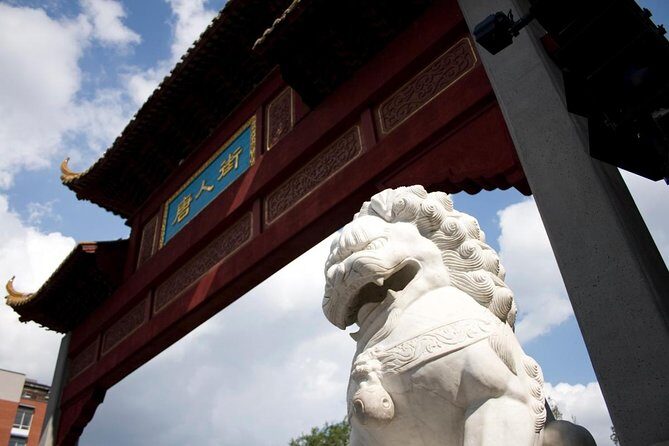
- Seven tasting stops that add up to a proper meal, not a few crumbs
- Regional Chinese flavors in one outing: Szechuan, Dongbei, and Hunan
- Market access to a major Chinatown grocery store, where you get context fast
- Dim sum and fortune cookies paired with stories about how things started
- Cantonese bakery sweets, dragon’s beard candy, and tea to finish strong
- Small group feel with a maximum of 2 travelers
Chinatown Starts at Place d’Armes, Then Gets Real
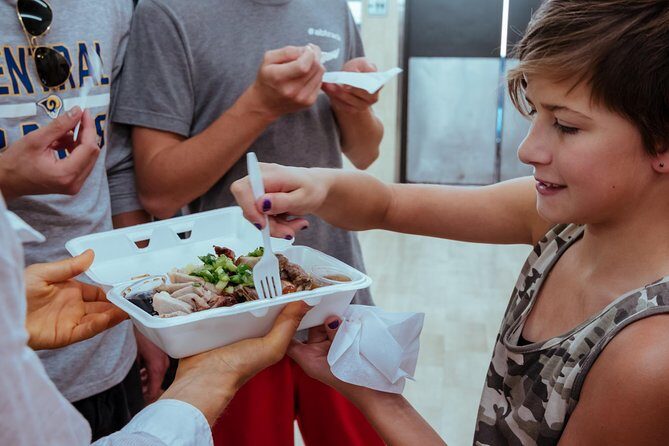
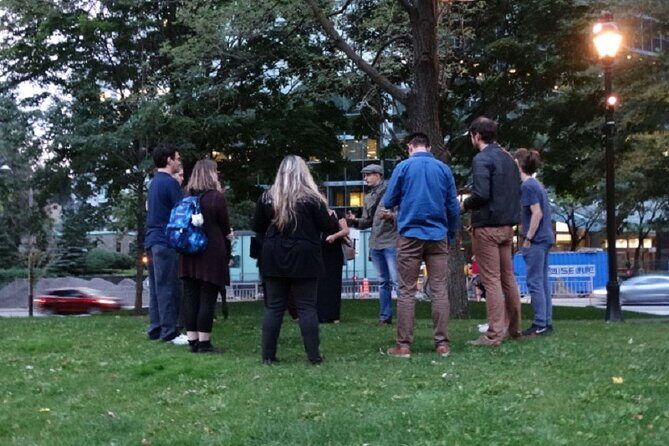
This tour kicks off near Old Montreal at Côte de la Place d’Armes and Rue Saint-Jacques, with a start time of 11:30 am and an end near Saint-Laurent. The structure is simple: a short setup on the area, then you head into Chinatown and start eating. That mix of orientation plus food works well when you want more than a quick look around.
What I like is that it’s not about standing in one place and pointing. You move through grocery shops, bakeries, and prepared-food counters, so you’re seeing how the neighborhood actually feeds itself.
You’ll likely feel pretty quickly that this is a “how locals live” kind of outing, not a “tourist checklist” one.
You can also read our reviews of more walking tours in Montreal



Seven Food Stops That Solve the Main Chinatown Problem
Montreal’s Chinatown is easy to wander through… and also easy to under-plan. The big value here is that someone else handles the sorting. Instead of guessing what’s best, you get a sequence of tastings that covers savory, sweet, and drinks, with history woven in.
You’re looking at something like a 12-course-style lunch experience, plus snacks along the way, so the pace is built around frequent small bites rather than one heavy meal at the end. The end result is that you finish the tour full, with your taste buds properly tired.
And yes, you can ask your guide for more recommendations for the rest of your trip. That’s useful when Chinatown is one part of Montreal you’ll want to revisit after you understand it a bit better.
The Grocery Store Stop: Why It Matters More Than You Think
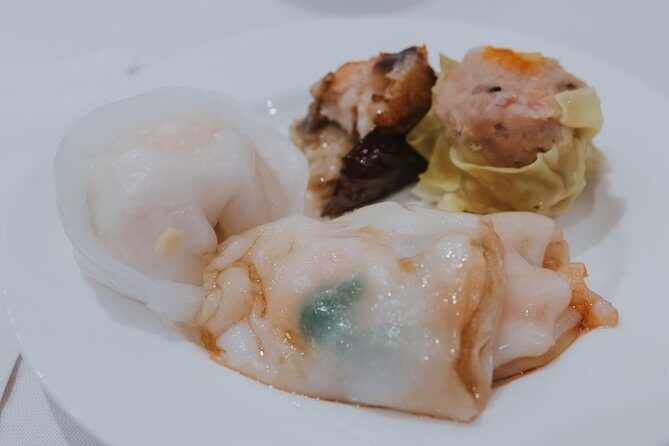
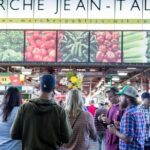
One of the most practical moments is the visit to the largest Chinese grocery store in Chinatown. It’s not just a pretty storefront stop. You get a quick history lesson, time to look around, and the chance to shop if you want.
This is the kind of stop that helps you decode what you see later. After seeing how people stock pantry basics and ready-to-use ingredients, restaurant menus and specialty aisles make more sense. It also helps you shop smarter if you’re the type to bring a little food home.
Just plan for carry space. If you buy produce or other items, you may not love carrying it for the whole walk. One smart adjustment for your comfort: if you’re doing extra shopping, try to keep it light unless your schedule lets you store items somewhere.
Bahn Mi in a Chinese Neighborhood: Expect Crossovers
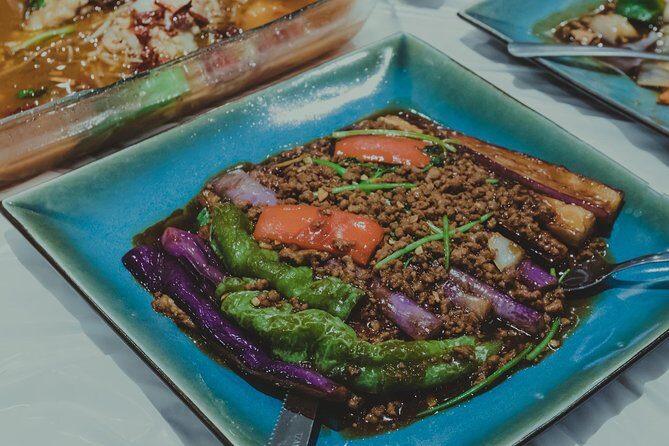
After the grocery store, you’ll stop for a Bahn Mi sandwich. That sounds like it belongs in a different food map, but that’s the point of Chinatown tours like this one: you get real-life overlaps in what people eat and what’s available.
You also get a short lesson connected to that dish, which makes the tasting more than just a “good sandwich moment.” For me, these crossover bites are what keep the tour from feeling repetitive.
Szechuan, Dongbei, Hunan: A One-Afternoon Flavor Tour
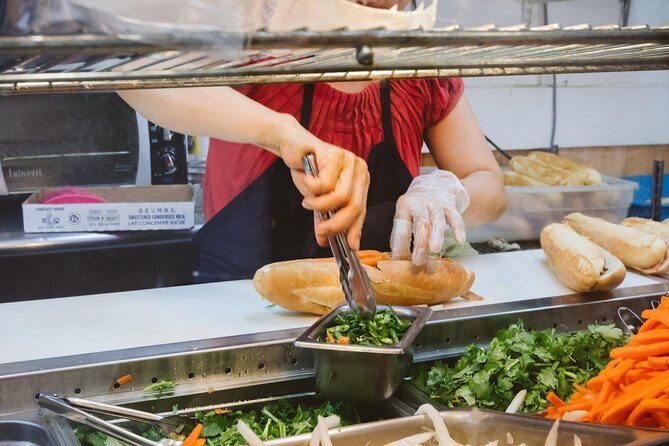
Then comes the core eating portion: quick bites featuring Szechuan, Dongbei, and Hunan fare. You can expect a mix of meat dishes such as crispy pork, BBQ pork, and duck, plus other small plates served along the route.
This is a great setup if you don’t want to commit to one cuisine for an entire meal. It’s also a nice way to learn your preferences. Do you prefer bolder spice levels? More savory and hearty? More sweet-salty? After sampling three regional styles in sequence, your choices for future meals get easier.
You can also read our reviews of more food & drink experiences in Montreal


Dim Sum and Fortune Cookies: Food With Backstory
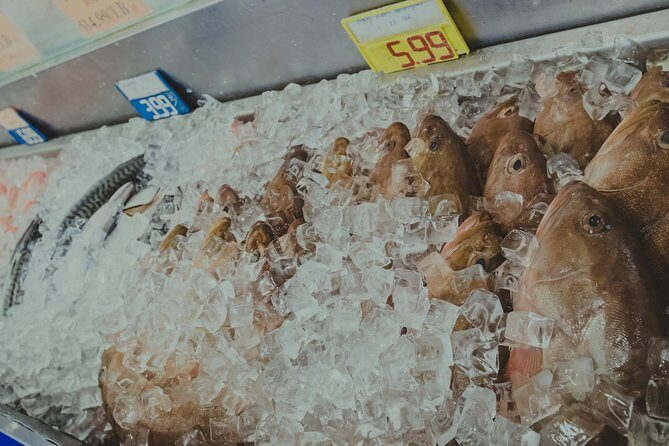
A classic Hong Kong-style dim sum stop rounds out the savory portion. Dim sum in a tour format works well because you get a guided nudge toward what to try, rather than staring at a cart and guessing.
Then you’ll have a fortune cookie and learn about the oldest business in Chinatown that makes them. That little bit of context turns a throwaway snack into a story, and it’s the kind of detail you can remember later when you’re walking around or thinking about how neighborhoods change over time.
Cantonese Bakery Pastries, Dragon’s Beard Candy, and Tea
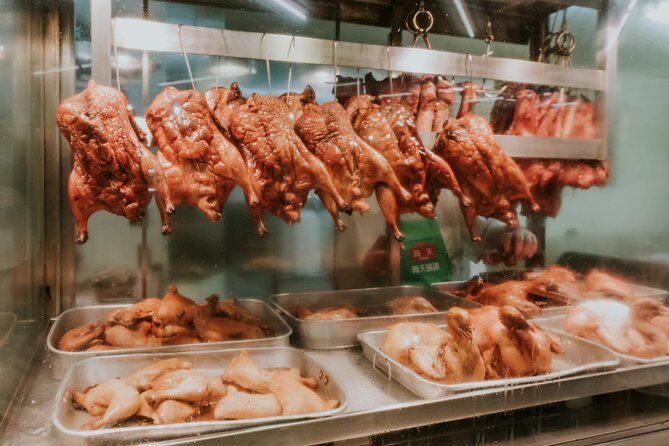
By the time you reach the Cantonese bakery, you’re moving into sweet mode. You’ll taste Chinese pastries, then get to try dragon’s beard candy, which is famous for how it’s made and how it feels when you break into it.
The finale is high-quality tea from a Montreal-based company with farms in Southern China. Tea here isn’t just a “drink to finish.” It’s a palate reset that gives the whole afternoon a clean ending, especially after so many different savory flavors.
In summer, you’ll be provided a bottle of water and a juice during the tour, and at the end you’ll get a choice of dessert or bubble tea, plus tea. It’s a thoughtful way to keep energy up without turning the tour into a sugar-and-caffeine marathon.
Pacing, Breaks, and the 30-Minute Walking Reality
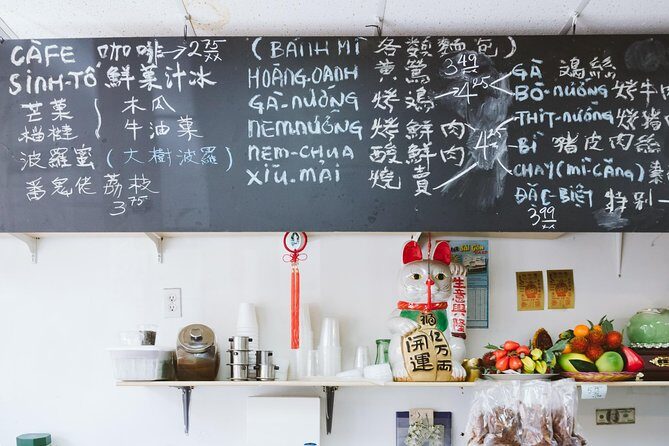
There’s about 30 minutes of walking total. That might sound minor, but it matters where the walking happens: you’ll spend most of your time stepping between food venues, then taking breaks inside restaurants and shops.
One of the most common benefits of this format is that it keeps you comfortable even when weather isn’t cooperating. If it’s cold, you’ll appreciate cozy indoor stops that prevent the “all walking, no warmth” problem.
Also, the group size is capped at 2 travelers. That usually means you get more attention and less waiting around for other people, which keeps the pace from turning chaotic.
Weather and What to Wear (Yes, Montréal Cold Is a Thing)
In winter, Montreal weather can be quite cold, and this tour includes time outside. The operator provides ponchos in case of rain, but you still need to dress appropriately for the day.
My practical advice: wear layers you can strip down in shops and restaurants, and bring something warm for the “outside-to-inside” shuffle. You won’t be out for hours in the cold, but you will be outside long enough to notice it.
If you’re visiting with kids, there’s also a small extra stop at the water garden at the Chinese Holiday Inn. That can be a nice pause and a change of scenery within the route.
Using Your Guide for More Than Just Food
A good Chinatown guide does two jobs: feeds you well and helps you decode the neighborhood. Here, the guide experience is built into the tour flow—history starts at the beginning, then each tasting connects to where the food fits in the community.
This is where I’d focus your questions. Ask what you should try if you see it on a menu later, what’s worth buying at the grocery store, and what dishes pair well together. When you leave with that kind of guidance, you stop eating like you’re guessing.
The small group size also makes it easier to get answers tailored to your tastes, like whether you want to go spicier or stick to milder flavors.
Price and Value: What $115.39 Buys You
At $115.39 per person, this is not a casual street-snack walk. But you are getting a lot for the price: light refreshments, snacks, and a lunch experience with many courses, plus seven tasting stops, plus a professional guide.
The value calculation for me is simple:
- You’re paying to avoid decision fatigue.
- You’re paying for access to places you might not naturally find.
- You’re paying for context that makes the food more memorable.
If you plan to eat multiple meals in Chinatown on your own, you may end up spending similar money while getting less guided structure. This tour is priced like a “full afternoon food education,” and it works best if you want to eat and learn at the same time.
Who This Tour Fits Best
This is a great match if you:
- want regional Chinese food variety in one outing
- enjoy learning how neighborhoods function, not just eating
- like guided shortcuts to good spots (especially markets and bakeries)
- are traveling solo or as a couple and like a smaller-group feel
It may be less ideal if you dislike walking at all, or if you plan to do heavy shopping with bags of groceries and produce. You can still shop, but keep practicality in mind so your day stays comfortable.
Should You Book This Chinatown Food Walk?
If you want Chinatown to feel like a place you understand, not a place you just pass through, this is an easy yes. You get lots of tastings, a market visit that changes how you see the area, and a structured route that works even in winter.
Book it if your goal is simple: eat well in Montreal’s Chinatown and leave with ideas you can use for the rest of your trip. Skip it only if you’re trying to keep it super light, or if you’re not into the idea of being outside for parts of the walk.
FAQ
FAQ
How long is the tour?
The tour is about 4 hours 30 minutes (approx.).
Where does the tour start and end?
It starts at Côte de la Place d’Armes and Rue Saint-Jacques in Montreal, and it ends at 1063 Boul. Saint-Laurent, Montréal.
What time does it start?
The start time is 11:30 am.
What’s the price per person?
The price is $115.39 per person.
What kind of food will I try?
You’ll sample food from different regions, including Szechuan, Dongbei, and Hunan, plus dim sum, a Bahn Mi sandwich, Chinese pastries, dragon’s beard candy, and tea. You’ll also have snacks and light refreshments.
Is alcohol included?
No. Alcoholic drinks are not included and are available to purchase.
What’s included in the ticket?
Included are light refreshments, lunch described as 12-courses, snacks, and a professional guide. You’ll also receive water and juice in summer and a choice of dessert or bubble tea at the end (plus tea).
Are there walking portions?
Yes. There’s about 30 minutes of walking.
Is the tour offered in English?
Yes, it is offered in English.
What should I do if it rains or it’s cold?
Ponchos are provided in case of rain, but you should dress appropriately for the weather since there is some time outside.