REVIEW · MONTREAL
Exporail, the Canadian Railway Museum
Book on GetYourGuide →Operated by Exporail, le Musée ferroviaire canadien · Bookable on GetYourGuide
Old trains, real stories, zero fluff. Exporail, the Canadian Railway Museum, turns a short visit into a walk through Canada’s rail past, starting with an immersive tunnel packed with 400+ artifacts. It’s open all year, so this works even when you don’t want to plan around weather-perfect days.
What I really like is how hands-on it feels for an hour. You can climb aboard public rolling stock like streetcars, passenger cars, and even steam locomotives, and the museum uses real character scenes (including a school-car teacher and a worker in the caboose) to bring the work behind the trains into focus.
The main drawback is simple: with a 1-hour visit, you’ll need to choose what to linger on, and some extras—like rides or interactive activities—depend on the day and may cost extra.
In This Review
- Key Points You Should Know Before You Go
- Exporail’s Big Advantage: A Living Railway Museum Near Montreal
- The One-Hour Flow: What You’ll See and How It Feels
- Entering the Immersive Tunnel with 400+ Artifacts
- Eight Simultaneous Exhibitions: How the Museum Structures the Story
- Climb Aboard Streetcars, Passenger Cars, and Steam Locomotives
- The Discovery Trail and the Rail-yard Walking Pace
- Optional Tram, Passenger Train, and Miniature Railway Rides
- Dining on Site: Bring Lunch and Use Indoor/Outdoor Spaces
- Price and Value: Is $17 Worth an Hour?
- Getting There and Finding the Entrance (P1 vs. P2)
- Language, Tours, and What to Expect Inside
- Who Exporail Works Best For
- Practical Tips So Your Visit Stays Comfortable
- Should You Book Exporail?
- FAQ
- Where is Exporail located?
- How long is the visit?
- What does the ticket include?
- What languages are available?
- Can I bring food?
- Are pets allowed?
Key Points You Should Know Before You Go
- 400+ artifacts in an immersive tunnel that sets the mood fast.
- Public access to multiple vehicle types, from streetcars to passenger cars and steam locomotives.
- Story scenes with named roles, including a teacher in the school car and a railroad worker in the caboose.
- Eight simultaneous exhibitions tracing how rail transport shaped society.
- Optional rail rides (tram, passenger train, miniature railway) to add time if you want it.
- Free parking and on-site dining areas, so you can keep the visit easy and budget-friendly.
Exporail’s Big Advantage: A Living Railway Museum Near Montreal
Exporail is in Quebec, in the Greater Montreal area, and it feels designed for people who love “real things,” not just pretty displays. You don’t get a lecture-and-photos-only vibe. You get a museum that makes you walk through rail life: the vehicles, the spaces around them, and the roles that kept them running.
Even better, it’s open all year. That matters if you’re visiting in shoulder season or you’re the kind of traveler who hates gambling on museums being seasonal. For a one-hour stop, it hits a sweet spot: enough time to see the core collection without turning your day into a marathon.
Price is straightforward too. At about $17 per person, you’re paying for access to all current exhibitions, free parking, and a guided-style experience depending on the day. For many visitors, that’s the best kind of value: you pay once and then you decide how much time you want to spend in each area.
You can also read our reviews of more museum experiences in Montreal



The One-Hour Flow: What You’ll See and How It Feels
Think of your visit like a guided path you can control with your pace. You enter, you get oriented at reception, and then you move through the museum’s main storytelling sections.
You can expect a mix of indoor and “rail yard” energy. The museum includes an immersive tunnel with more than 400 artifacts, which is your quick jump into the setting. After that, you’ll move into the exhibition areas and then to the vehicles that are open to the public—streetcars, passenger cars, and steam locomotives.
One practical point: the museum is built to be explored at walking speed, not just “read-the-signs” speed. If you’re even a little curious, you’ll naturally want to stop and look closer at details on the cars and the themed scenes. That’s the good part. The tradeoff is that one hour can disappear if you try to do everything without prioritizing.
Entering the Immersive Tunnel with 400+ Artifacts

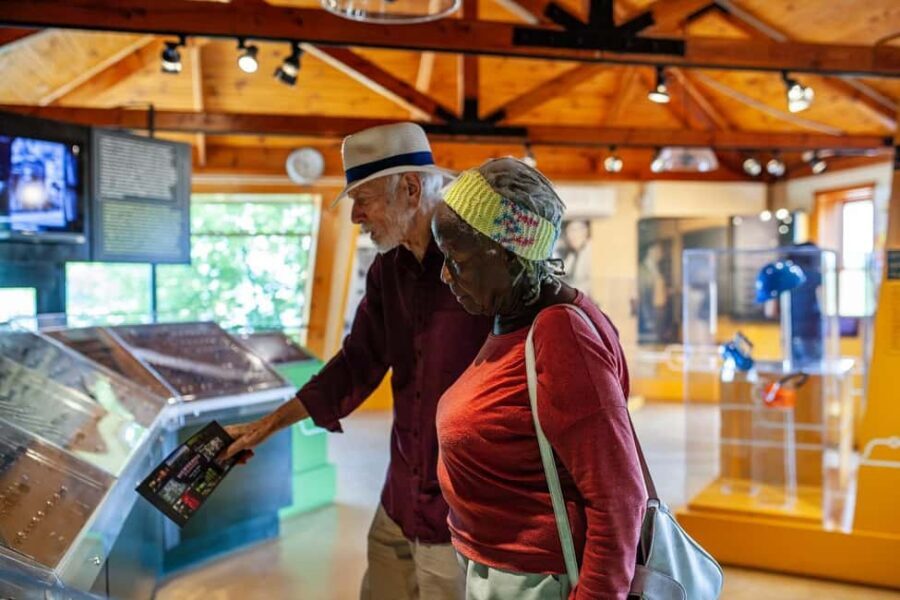
The tunnel is your first real wow moment. Instead of starting with a timeline panel, Exporail starts with atmosphere and objects—400+ artifacts presented in a way that helps you understand rail as a system, not only as a parade of old cars.
This matters because it changes how you see the vehicles later. After you’ve been through the tunnel, the streetcars and locomotives don’t feel random. They feel like pieces of a larger story: how rail work connected communities, moved people and goods, and shaped everyday life across Canada.
If you’re traveling with kids, this section is also a nice “energy anchor.” It’s interactive in the sense that it invites you to look around and stay oriented, and it doesn’t require you to be a rail expert to enjoy it.
Eight Simultaneous Exhibitions: How the Museum Structures the Story
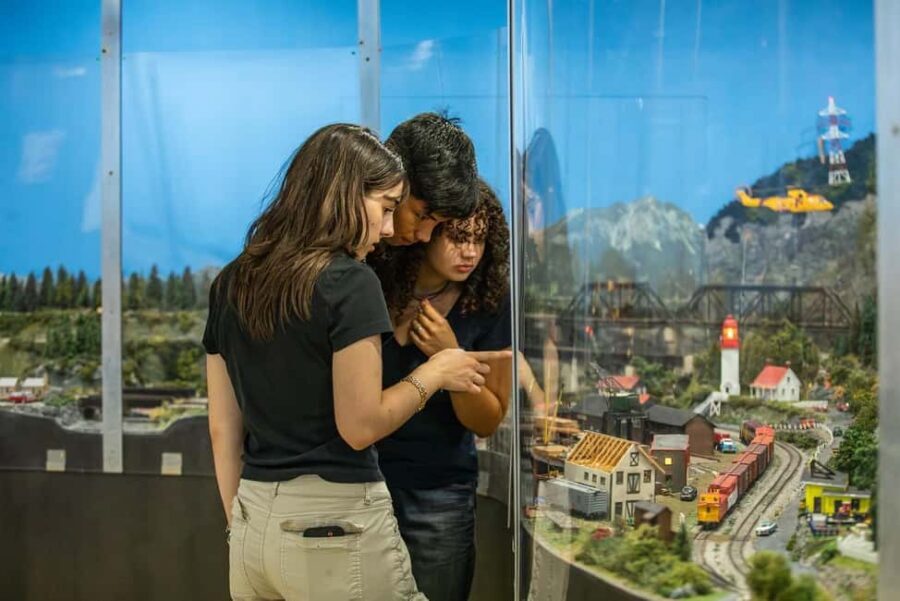
Exporail runs eight simultaneous exhibitions that trace the evolution of rail transport and its influence on society. And yes, the exact exhibitions can vary by season, but the concept stays the same: you get a big picture without having to hunt for it.
Here’s the part I think you’ll appreciate most: the exhibits are designed to support the overall theme of rail heritage, not just show off equipment. You’ll see the development of transport over time, then you’ll connect it to how rail changed jobs, towns, and routines.
Because it’s multiple exhibitions running at once, you’ll want a strategy. I’d pick a theme for your hour—maybe “how rail work affected people,” or “what different vehicles were for”—and let the rest fill in around that. If you try to read everything, you’ll rush. If you pick your focus, you’ll remember more.
Climb Aboard Streetcars, Passenger Cars, and Steam Locomotives
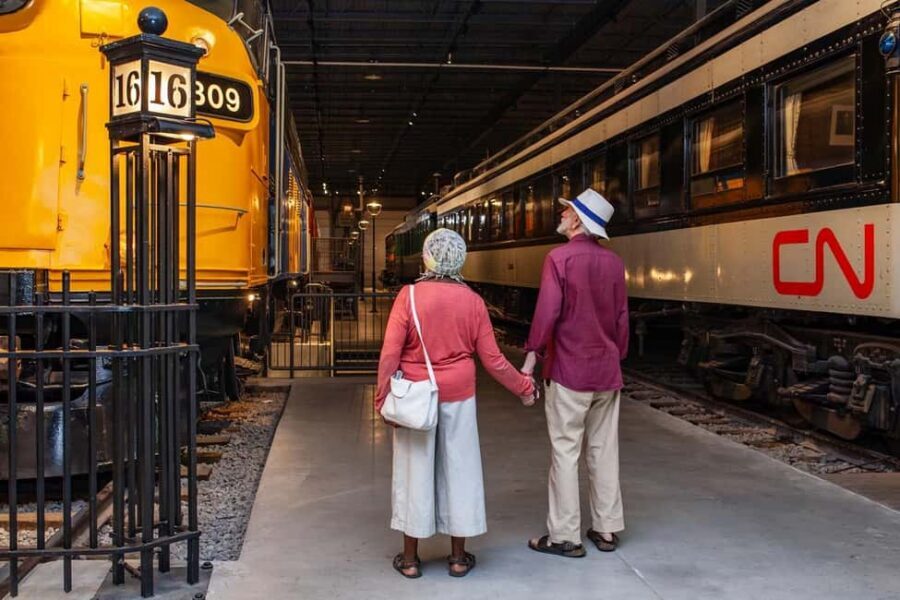
This is where Exporail earns its keep. You’re not just looking at rail artifacts behind barriers. The vehicles open to the public let you step inside and see what it would have felt like to be on board.
What you can visit includes:
- Streetcars
- Passenger cars
- Legendary steam locomotives
That mix is smart. Streetcars and passenger cars help you understand everyday rail life. Steam locomotives give you scale and drama—the kind of machines that instantly grab attention in any age group.
And the museum doesn’t stop at the machine. It also uses character-based scenes to frame the human side of rail. You’ll encounter the idea of a teacher in the school car, plus a railroad worker living and working in the caboose. Those details make the cars feel inhabited, not dead.
If you’re a rail fan, you’ll likely go car to car. If you’re not, you’ll still get something valuable: a sense of how rail transport was built around real people doing real jobs.






The Discovery Trail and the Rail-yard Walking Pace
After the main exhibition areas, you can stroll along the discovery trail. This is one of those museum components that’s simple on paper but useful in real life: it encourages walking and noticing rather than sitting and scanning.
I like it because it keeps your visit active. Your eyes start looking for the next clue—signs, objects, or vehicle details you might miss if you were just shuffling from one indoor display to another.
Timing tip: if your schedule is tight, don’t plan to stop at every single point along the trail. Choose a few moments that match your interests. Rail history can be broad, and you’ll enjoy the hour more if you don’t treat it like a checklist.
Optional Tram, Passenger Train, and Miniature Railway Rides
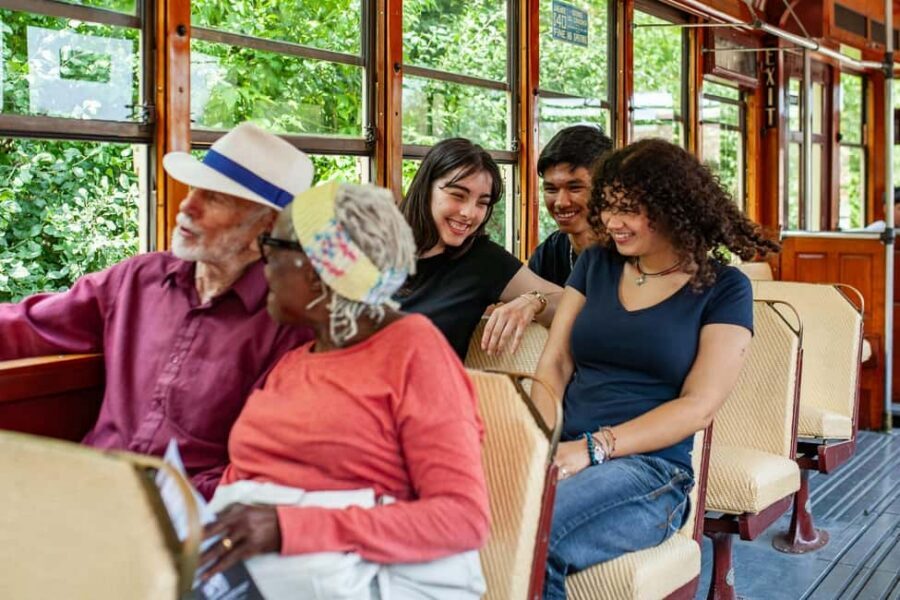
Exporail offers extra ways to see the setting through rides. Depending on the day, you can add one or more of these:
- A tram ride
- A passenger train ride
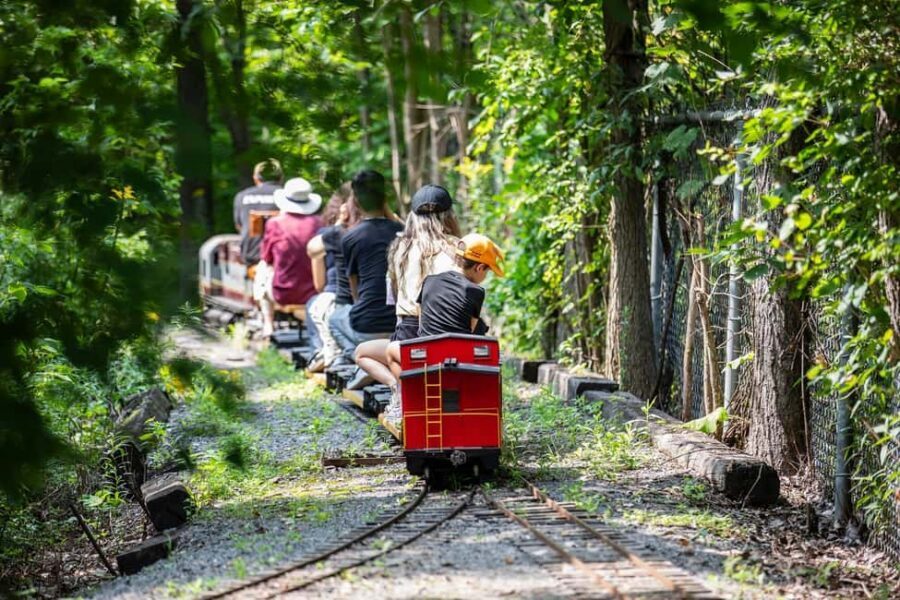
- A miniature railway ride
These optional rides are great if you want movement and perspective. They also help families, because the museum becomes less “reading” and more “doing.”
Just keep your expectations realistic. The rides are optional, and the available schedule can vary. If you’re booking specifically for a ride, check the day’s timetable before you commit your hour—because nothing spoils a rail-focused plan like arriving and finding that your preferred option isn’t running.
Dining on Site: Bring Lunch and Use Indoor/Outdoor Spaces
You don’t have to hunt for food right away. Exporail has dining areas where you can bring your lunch and enjoy indoor or outdoor spaces, depending on the season.
For value-minded travelers, this is a quiet win. Museums often push snacks as a separate budget line. Here, you can pack your own and keep your spend under control.
Practical advice: bring comfortable shoes, and plan for standing and walking. If you want to eat without rushing, aim to leave yourself a gap in your hour-long plan so you’re not trying to eat on the move.
Price and Value: Is $17 Worth an Hour?
At around $17 per person for a 1-hour visit, Exporail compares well to many museum-style attractions—especially because your ticket includes access to current exhibitions and free parking.
Here’s what makes it good value:
- You get access to all current exhibitions (depending on season).
- You can visit multiple types of vehicles open to the public.
- There’s enough variety—tunnel, exhibitions, rolling stock, trail—to justify the time.
- Optional experiences exist if you want to extend your visit, so the ticket doesn’t trap you into a single pace.
And here’s the part to be honest about: if you’re the kind of traveler who needs time to photograph everything, read every panel, and repeat every car, one hour might feel short. In that case, consider adding optional activities when they’re available, since that’s the planned way to extend.
Getting There and Finding the Entrance (P1 vs. P2)
The main entrance is currently at P1, located near the railroad tracks that cross St. Pierre Street. Access via P2 is closed, so don’t aim your GPS at the wrong entrance and waste time.
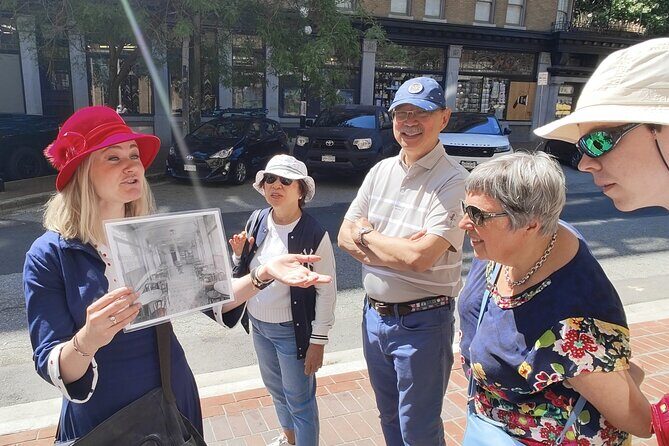
Your day will start at reception, where information is provided based on the themed tour offered. Guided tours run on Saturdays and Sundays, with a live guide available in French and English.
If you like getting oriented quickly, arrive a few minutes early so you can ask where to start based on that day’s theme.
Language, Tours, and What to Expect Inside
Exporail supports French and English through its live tour guide (where guided tours apply). Some content may appear in its original language, so if you’re visiting with people who only speak one language, it’s worth knowing that not everything may be translated everywhere.
This isn’t a deal-breaker. It just means you’ll rely more on visuals and your own exploration in a few spots.
Also, some experiences you might see mentioned as interactive or seasonal can depend on the day’s schedule. If you care about a specific add-on, check availability before you go.
Who Exporail Works Best For
Exporail is a strong fit if you:
- Love trains, rail equipment, and hands-on museum layouts
- Want a museum that feels like a place, not just a set of exhibits
- Are traveling with kids who enjoy seeing real vehicles up close
- Want a one-hour rail heritage stop near Montreal that doesn’t eat your whole day
It’s also a good choice if you like people-focused history. The scenes tied to roles—like the teacher in the school car and the worker in the caboose—make it easier to connect to everyday life rather than only technical details.
Practical Tips So Your Visit Stays Comfortable
A few things will make a big difference:
- Wear comfortable shoes with closed toes. You’ll walk and stand.
- If you want optional rides, plan for a little scheduling flexibility since availability can vary.
- Bring your lunch if you want an easy, budget-friendly meal using the on-site dining areas.
- No pets are allowed, but assistance dogs are permitted.
- Alcohol and drugs are not allowed.
If you keep those in mind, your hour will feel smooth instead of rushed.
Should You Book Exporail?
Yes, I think Exporail is worth booking if you want an authentic Canadian railway museum experience near Montreal with real vehicles open to the public. At about $17 and one hour, it’s a good “maximum rail, minimum hassle” stop.
I’d especially book it if you enjoy seeing how technology and working life connect—because the museum doesn’t treat trains as machines only. It also treats them as jobs, classrooms, and homes.
Skip or rethink the trip only if you need a long, unhurried museum day with lots of reading time. For that style of visit, Exporail is still a solid start, but you’ll want to add optional experiences where available so your time matches your pace.
FAQ
Where is Exporail located?
Exporail is in Quebec, in the Greater Montreal area.
How long is the visit?
The experience is listed as lasting about 1 hour.
What does the ticket include?
Your ticket includes access to the museum’s current exhibitions (depending on the season) and free parking. Dining areas are available and you can bring your lunch.
What languages are available?
A live tour guide is available in French and English. Some content may be shown in its original language.
Can I bring food?
Yes. There are dining areas where you can bring your lunch and enjoy indoor and outdoor spaces depending on the season.
Are pets allowed?
Pets are not allowed, but assistance dogs are allowed.