REVIEW · MONTREAL
McCord Stewart Museum – Admission
Book on Viator →Operated by McCord Stewart Museum · Bookable on Viator
If Montreal has a museum that feels both local and far-reaching, this is it. The McCord Stewart Museum has been connecting Quebec’s stories to wider Canadian and global history for more than 100 years, with exhibitions built through a critical and inclusive lens.
I especially like the museum’s focus on Dress, Fashion and Textiles—it’s a practical way to read society through clothing and design. I also appreciate the museum’s strength in Indigenous Cultures and Photography, where you can move from everyday history to bigger questions about identity and representation.
One consideration: this is admission-only. You’re not automatically getting a guided tour, so if you prefer a host-led route, you may want to slow down and spend time reading labels and exhibition notes.
In This Review
- Key highlights to know before you go
- Price and value for your McCord Stewart Museum ticket
- How long you should plan: 1 to 4 hours, no stress
- Getting your bearings in Montreal: location and transit ease
- Entering the McCord Stewart Museum: what you’ll actually do
- What makes this museum special: collections with social context
- Fashion, textiles, and the “why” behind what people wore
- Indigenous Cultures: visual impact plus careful framing
- Photography that connects past and present
- Standout exhibits you might spot, like menus and Vogue
- Café Notman: plan a break even without café perks
- Admission-only experience: how to get the most without a guide
- Who this museum suits best
- A practical game plan for your visit day
- Should you book the McCord Stewart Museum admission?
- FAQ
- What does my McCord Stewart Museum admission ticket include?
- How long should I plan to spend at the museum?
- Is the experience available in English?
- Do I get a mobile ticket?
- Is there a refund if I cancel?
- Is the museum close to public transportation?
Key highlights to know before you go
- Big collections in a manageable visit: access to a museum known for six expansive collections and millions of items, without needing a whole day.
- Fashion and textiles that explain more than style: clothing as history, craft, and social signals.
- Indigenous Cultures plus photography: expect exhibitions that pair strong visual work with thoughtful context.
- Extra-interest exhibits: you may spot standouts like Montreal restaurant history menus and a Vogue-focused display.
- Staff help matters: easy navigation plus friendly, helpful staff can save you time.
- Café is on site: you can grab a break, but coffee or tea isn’t part of your admission.
Price and value for your McCord Stewart Museum ticket
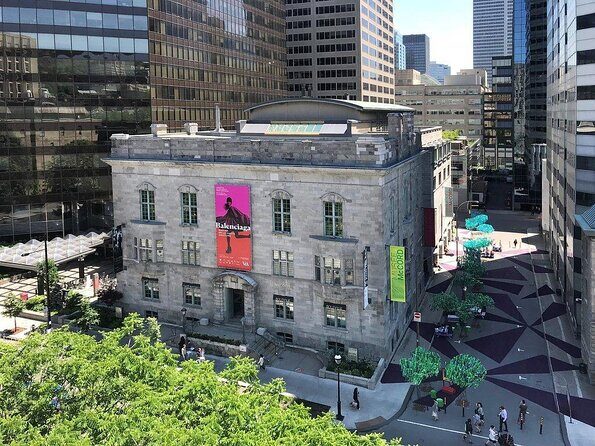
Your admission price is $16.46 per person, and it includes all fees and taxes. For that money, you’re buying access to a museum that houses major collections—2.5 million images, objects, documents, and artworks across multiple areas—plus exhibitions designed for real learning, not just looking around.
The value here is simple: you can shape the visit to your pace. With a time range of about 1 to 4 hours, you can do a focused pass (pick a couple of themes) or a slower circuit (read carefully and return to favorite rooms).
Because coffee and/or tea and the café aren’t included, plan on treating those like extra spending. If you’re watching your budget, bring water and snacks if allowed by your preferences and local museum rules, then keep the café for a sit-down break.
You can also read our reviews of more museum experiences in Montreal


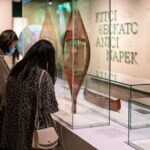
How long you should plan: 1 to 4 hours, no stress
This visit window—about 1 to 4 hours—is actually useful. It tells you the museum isn’t trying to force a full-day commitment, which is great if you’re also doing Montreal neighborhoods the same day.
If you want the “quick but solid” approach, aim for around 1 to 2 hours. Pick one major theme (fashion/textiles or Indigenous Cultures or photography) and spend real time there. If you choose two themes, add another 1 to 2 hours and you’ll still be comfortable.
If you want a “read everything” approach, go closer to 3 to 4 hours. The museum’s exhibitions are meant to be thought-through, and labels and interpretive notes are part of the experience, especially when an exhibition is dealing with social history and present-day issues.
Getting your bearings in Montreal: location and transit ease
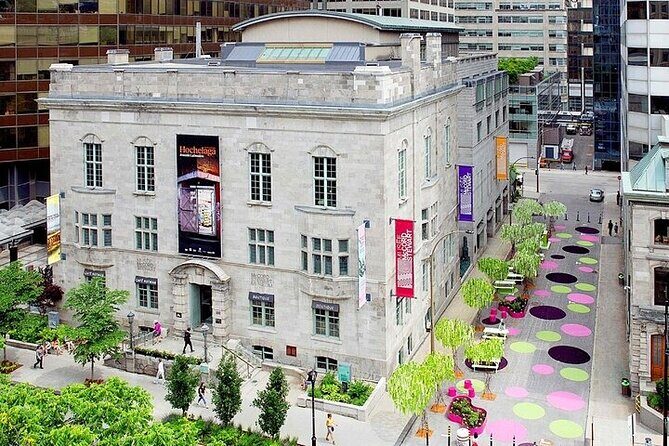
This museum is in central Montreal and is near public transportation, which matters more than it sounds. When a museum is transit-friendly, you’re less likely to turn your day into a taxi-or-walk ordeal.
You’ll also get a mobile ticket, which is convenient in a city where lines and paper tickets can slow you down. For a smooth start, keep your confirmation accessible and confirm you can access the ticket before you leave your hotel or café stop.
If you’re traveling with mobility or sensory needs, you’ll be glad to know service animals are allowed. And since the experience is generally open to most people, it’s a good option even if you’re building a flexible itinerary.
Entering the McCord Stewart Museum: what you’ll actually do
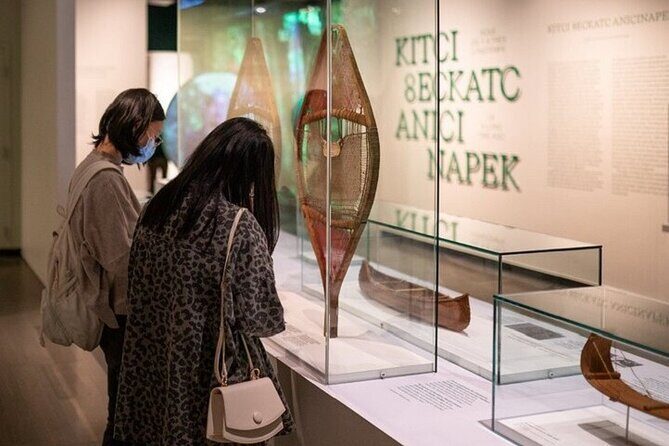
This experience is a single stop: you come to the McCord Stewart Museum and spend your time exploring their exhibitions and collections. There’s no fixed multi-stop route, so your “itinerary” is really your choices inside.
That freedom is a perk. You can follow the themes you care about most, rather than being rushed from one room to the next. It’s also a good match for mixed groups—someone can go deep on fashion and textiles while another person spends more time with photography.
Inside, the museum is easy to navigate, and the staff are friendly and helpful. That’s a big deal when you’re trying to find the right exhibitions without a guided tour.
What makes this museum special: collections with social context
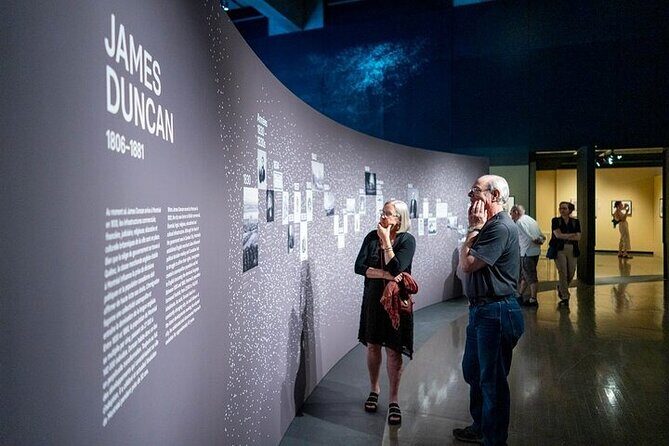
The McCord Stewart Museum isn’t just a storage place for artifacts. It’s built around interpretation—taking material culture and turning it into stories about community life, creativity, and diversity.
A big part of the museum’s mission is about decolonization and sustainable development, and that shows up in how exhibitions approach contemporary issues. In practice, that means you’ll see more than dates and names. You’ll also see framing about representation, power, and how history affects the present.
This approach can be a little more thought-provoking than a standard art museum visit. If you like museums that ask questions, this is your style. If you want only entertainment, you’ll still find plenty to enjoy visually, but you should expect the meaning to matter.





Fashion, textiles, and the “why” behind what people wore
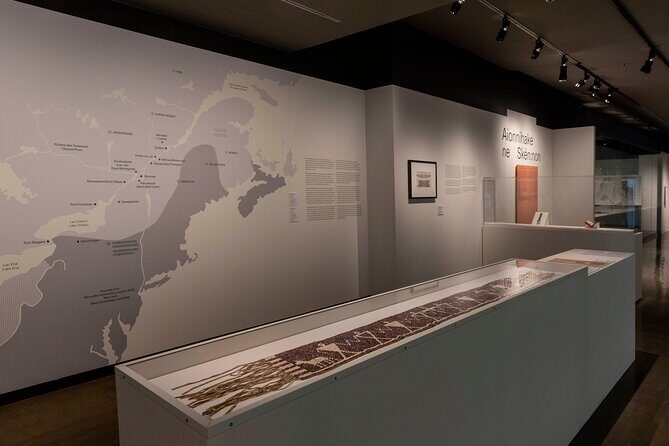
One of the museum’s signature strengths is Dress, Fashion and Textiles. This is more than a display of pretty items. You can use it to understand how materials, labor, and design intersect with culture and identity.
When fashion is presented with historical context, you start noticing patterns. Even without being a textile expert, you’ll likely pick up the difference between clothing as trend and clothing as social signal—status, belonging, work, and personal expression.
If you’re someone who likes to connect the visual to the human story, don’t skip this section. The best visits here come when you slow down long enough to read the interpretive notes, not just scan the garments.
Indigenous Cultures: visual impact plus careful framing
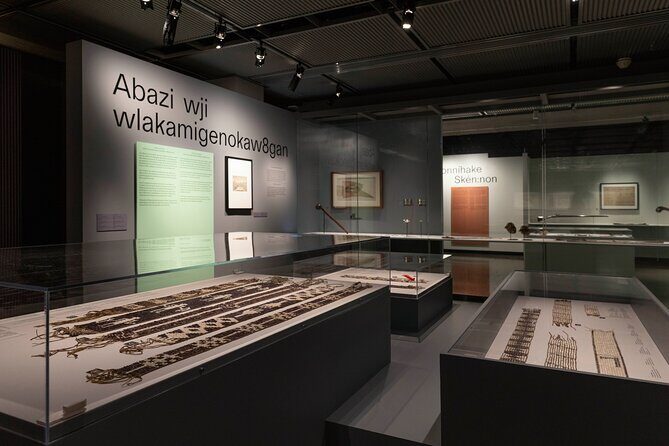
The museum is also known for Indigenous Cultures, and this area is one of the most rewarding parts of the visit. You’ll likely find exhibitions that combine strong visual presentation with meaningful context, so you’re not just looking at objects—you’re learning how communities tell their own stories.
Because the museum emphasizes a critical and inclusive lens, you should expect thoughtful interpretive material. That can make the experience feel heavier than a casual gallery stroll, but it’s also often the most memorable.
If you’re visiting with kids or someone who prefers lighter pacing, you can still make it work. Choose a few sections that match their attention span, then balance with photography or fashion so the day doesn’t feel too intense.
Photography that connects past and present
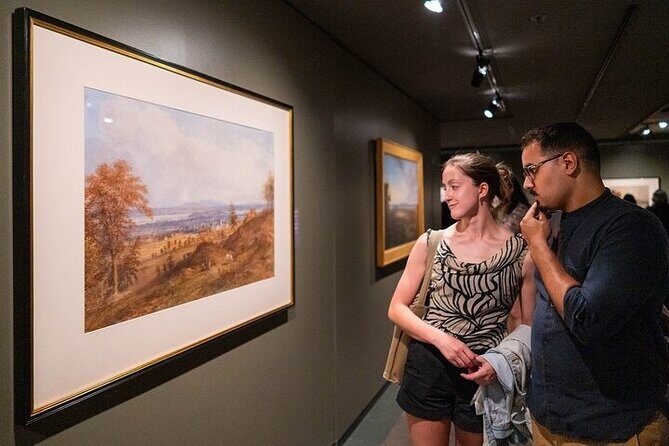
Photography is another standout at the McCord Stewart Museum. This is a strong way to learn because images tend to pull you in fast, and then the exhibition notes help you understand what you’re seeing.
I like how photography can create a bridge between personal moments and larger historical patterns. Even when the subject matter is old, the themes—community life, documentation, identity—often feel current.
If you’re short on time, photography is one of the easiest sections to “skim well,” as long as you choose strategically. Pick the exhibition that matches your interests, then read enough of the captions to understand the framing.
Standout exhibits you might spot, like menus and Vogue
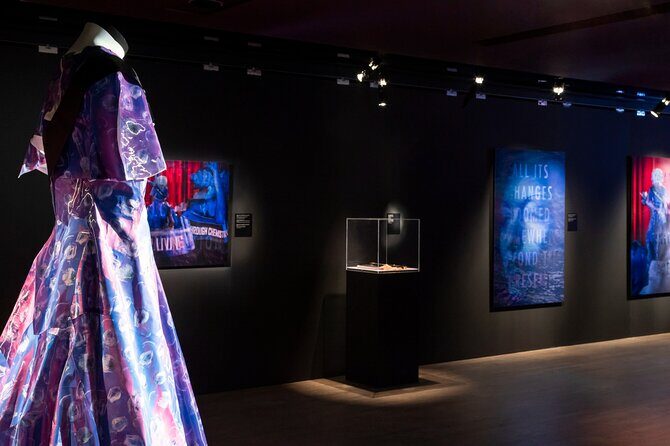
Some exhibition highlights can shape your visit depending on what’s on display. For example, you might run into a display tied to Montreal restaurant history, including menus where you can see pricing and how dining culture reflected the era.
You may also encounter fashion-adjacent pop culture material, like a Vogue Magazine-focused exhibition. That’s a fun route through history because it connects style to media and public imagination.
The practical tip: if one of these themes clicks for you, spend extra time there. You’ll likely get more from the museum when you invest in the topics that feel relevant to you, instead of trying to cover everything.
Café Notman: plan a break even without café perks
Coffee and/or tea aren’t included with your ticket, but there is a café on site called Café Notman. That’s handy for a mid-visit recharge, especially if you’re going closer to the 3 to 4 hour range.
If you’re on a tight schedule, treat the café as a quick reset rather than a long sit-down. If you’re doing a slower visit, building in time for a break helps you avoid museum fatigue and lets you return with better focus.
Admission-only experience: how to get the most without a guide
Since a guided tour isn’t included, your experience is on you in a good way. You’ll want to use the museum layout and exhibition signs to pick a route.
Here’s what I recommend: choose one theme as your anchor. For many people, that might be fashion/textiles or Indigenous Cultures or photography. Then add a second theme if you have time.
If you find yourself drifting, don’t force it. Ask the staff for help finding a specific exhibition area. The staff are friendly and helpful, and quick guidance can turn a confusing visit into a focused one.
Who this museum suits best
This museum is a great fit if you enjoy museums that connect objects to real stories. It works well for people who like fashion with meaning, photography with context, and exhibits that touch on culture and representation.
It’s also a strong option for a solo visit. The single-stop setup and easy navigation make it simple to go at your own speed.
If you’re traveling in a group, it helps to split by interests for an hour, then regroup. Someone can go deeper into textiles while another person follows photography and then you meet back near the main exhibition spaces.
A practical game plan for your visit day
Here’s a simple way to make the most of the museum without turning it into a sprint.
First, decide how much time you’ll give it: 1 to 2 hours for a theme-focused visit, 3 to 4 hours for two themes and careful reading. Then go straight to your first theme instead of wandering right away.
Second, after you finish your anchor theme, move to a second area that complements it. Fashion pairs nicely with photography because both can show how identity is presented. Indigenous Cultures pairs well with objects-and-documents style displays because it encourages deeper reading.
Finally, leave room for a break. Even if you skip coffee or tea, you might want to step away, reset, and come back for one more round of your favorite room.
Should you book the McCord Stewart Museum admission?
You should book this if you want a museum visit that feels grounded in Montreal, yet connects to broader Canadian and global stories. The value at $16.46 is strong because you can shape the visit to your schedule from 1 to 4 hours, and the museum’s focus areas are clear: fashion/textiles, Indigenous Cultures, and photography.
Skip it—or at least add a plan—if you only like guided, structured tours. This ticket is admission-based, so you’ll get the most when you’re willing to read interpretive text and choose your own route.
If you’re deciding between “see a famous sight” and “learn something real,” I’d pick the McCord Stewart Museum. It’s one of those stops where you leave with images in your head and context in your notebook.
FAQ
What does my McCord Stewart Museum admission ticket include?
Your ticket includes all fees and taxes. Coffee and/or tea are not included, but the café called Café Notman is available on site. A guided tour is not included.
How long should I plan to spend at the museum?
Plan for about 1 to 4 hours. That range works well if you want either a focused visit or time to read and revisit rooms.
Is the experience available in English?
Yes. The admission is offered in English.
Do I get a mobile ticket?
Yes. You’ll receive a mobile ticket.
Is there a refund if I cancel?
Yes. Free cancellation is available. You can cancel up to 24 hours in advance for a full refund, and changes within 24 hours aren’t accepted for a refund.
Is the museum close to public transportation?
Yes, it’s near public transportation, which makes it easier to slot into a Montreal day without long detours.