REVIEW · TORONTO
Small-Group Toronto Kensington Market and Chinatown Walking Tour
Book on Viator →Operated by Top Dog Tours Toronto · Bookable on Viator
Chinatown meets creativity in Toronto—on foot, with real context. This small-group walking tour threads together Campbell House Museum, Chinatown, and Kensington Market, plus extra stops along the way, so you get more than just photos. I especially like the built-in time to shop and buy snacks on your own terms, and the fact that you’re not stuck listening the whole time while the guide points things out along the route. One drawback to keep in mind: with a short 2-hour format, the stops are brief, so if you want long market wandering or museum-style visits, you’ll need extra time on your own.
You’ll meet at Campbell House Museum (160 Queen St W) and finish at Bellevue Square Park (5 Bellevue Ave). The tour is in English, uses a mobile ticket, and is capped at 12 people per group (with the option to split larger parties across multiple guides). The general theme is practical: learn just enough so you can explore smarter right after.
If you’re the type who likes neighborhoods with character and wants a guide’s perspective without paying museum prices for everything, this is a solid-value way to spend a couple hours in central Toronto.
In This Review
- Key highlights to know before you go
- Why Kensington Market and Toronto Chinatown pair so well on a walk
- Starting at Campbell House Museum: a history anchor before the streets
- Chinatown in about 30 minutes: what you’ll actually get
- Kensington Market stops (about 35 minutes): food and browsing time
- Ontario’s Art Gallery and a historic synagogue: quick culture stops, not full visits
- Small-group reality: why it feels personal (and when it might not)
- Price and logistics: $29.18 for two neighborhoods, plus context
- What it’s like with different guides: Marilyn, Rachel, Madison
- Who should book this walking tour (and who shouldn’t)
- Should you book this Toronto Chinatown and Kensington Market walking tour?
- FAQ
- Where do I meet for the tour?
- Where does the tour end?
- How long is the walking tour?
- How much does it cost?
- What language is the tour in?
- Is the tour group large?
- Is food included in the price?
- Is museum or attraction admission included?
- Is there hotel pickup or transportation during the tour?
- What if plans change last minute?
Key highlights to know before you go
- Small group size (cap of 12) keeps the pace friendly and questions more likely to get answered
- Two big neighborhood stops: Chinatown (about 30 minutes) and Kensington Market (about 35 minutes)
- Food shopping time at your own cost so you can choose what fits your tastes and budget
- Campbell House Museum quick start—great orientation, though admission isn’t included
- Extra cultural waypoints include Ontario’s Art Gallery and a historic synagogue
Why Kensington Market and Toronto Chinatown pair so well on a walk
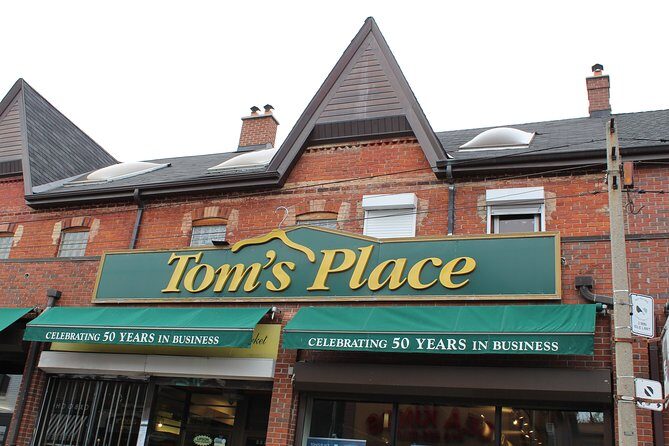
Toronto has a talent for crowding different worlds into short distances. Chinatown and Kensington Market don’t feel like separate tourist zones. They feel like neighbors that share streets, history, and constant day-to-day movement. Doing them together in one outing saves time, and the guide’s job is basically to help you connect the dots while you’re walking.
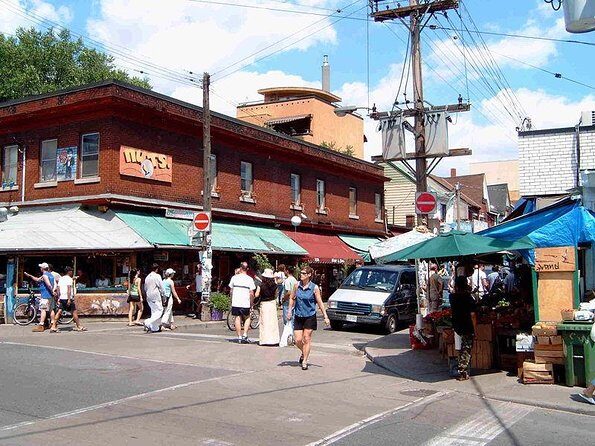
I like that this tour doesn’t try to cram in a textbook. You get guidance, then time to take it from there. Chinatown gives you that layered downtown feeling—language, food, family-run storefronts, and street texture. Kensington Market, by contrast, tends to reward curiosity: small shops, casual eats, and people-watching.
The best part is the pacing. You’re not stuck in one place for hours. You move, you look, and you get context fast. That’s the sweet spot for first-time visitors or anyone who wants a smarter starting point before planning the rest of the day.
You can also read our reviews of more walking tours in Toronto
Starting at Campbell House Museum: a history anchor before the streets
The walk begins at Campbell House Museum at 160 Queen St W. You’re only there briefly (about 5 minutes), and admission is not included. Think of this stop as orientation more than a full museum visit.
Why does that matter? Because Campbell House helps set the stage for how Toronto grew and changed. Even if you don’t buy a ticket, the quick viewpoint is useful. It gives you a reference point before you step into neighborhoods that feel much more modern day-to-day, with older roots.
Practical note: if you do want to go inside, you’ll need to pay separately since museum entry isn’t included. With only a short window on the schedule, plan to decide fast—this is a tour built around walking, not lingering in ticketed spaces.
Chinatown in about 30 minutes: what you’ll actually get
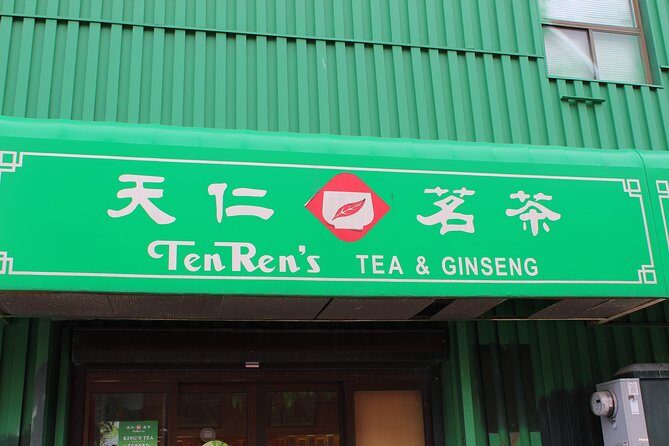
Next up is Chinatown, where you’ll spend about 30 minutes. Admission is free for this stop, which makes a big difference in value. The point here isn’t to check boxes. It’s to understand what you’re seeing.
A good guide will do two things in Chinatown:
- Point out patterns—how the neighborhood shows its identity through storefronts, signage, and food.
- Give you short history and culture context without turning the walk into a lecture.
From what you might experience on this route, guides like Marilyn are strong at this style—she’s described as very knowledgeable and willing to stop along the way to explain historical details as you’re actually looking at the relevant spots. If you get a guide like that, Chinatown feels clearer. You notice more. You also shop with better confidence because you understand what’s common, what’s special, and what to ask about if you’re curious.
One consideration: 30 minutes is enough for a good sweep and a few key stops, but it’s not enough for deep browsing. If you know you want to spend a long time eating or shopping inside specific stores, treat this as your orientation session. Then head back on your own with the places you liked most.
Kensington Market stops (about 35 minutes): food and browsing time
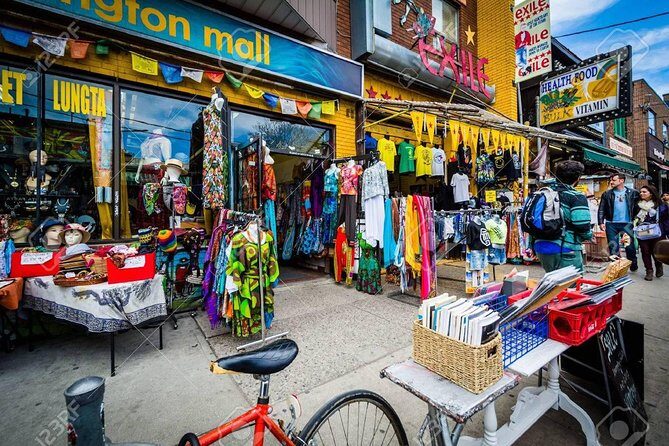
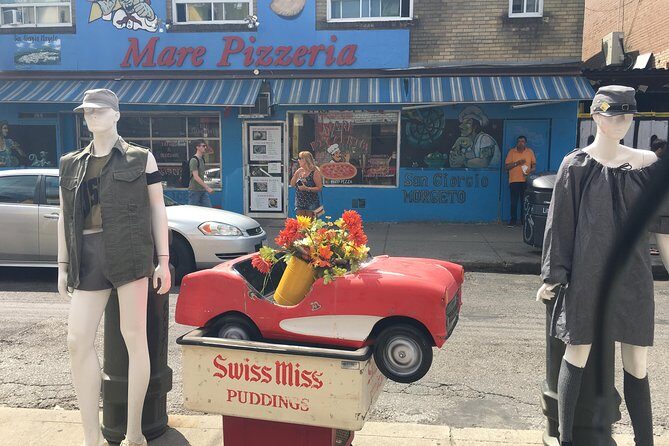
Then the tour shifts to Kensington Market, with about 35 minutes on the clock and admission listed as free. This is the neighborhood where you’ll likely feel the most “go do something” energy, because the guide’s role is partly to direct you toward interesting spots and explain what makes them worth your attention.
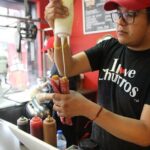
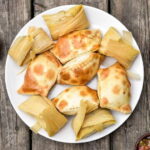
This is also where you’ll get a practical advantage: time to buy food, at your own cost. Food and drink aren’t included, but the schedule gives you the opening to pause, snack, and reset. That’s a big deal on a walking tour. Without that built-in break, you’re stuck deciding between rushing and getting hungry.
Some guides are especially helpful at this stage. One example from guide experience is a stop that ends up at a bagel shop for refreshments. Even if you don’t buy the same thing, the format helps: you’re not just wandering blindly and hoping you find something good before the tour ends.
Drawback to know: not every guided tour automatically adds value in a market setting. If you’re the type who already knows Kensington Market well, or you prefer to pick your own route without someone telling you where to go, you might feel the guide is less necessary here. A guide can still help, but if you love pure self-guided freedom, you’ll want to use this stop strategically—pick a few targets, grab your snack, and keep moving.
Ontario’s Art Gallery and a historic synagogue: quick culture stops, not full visits
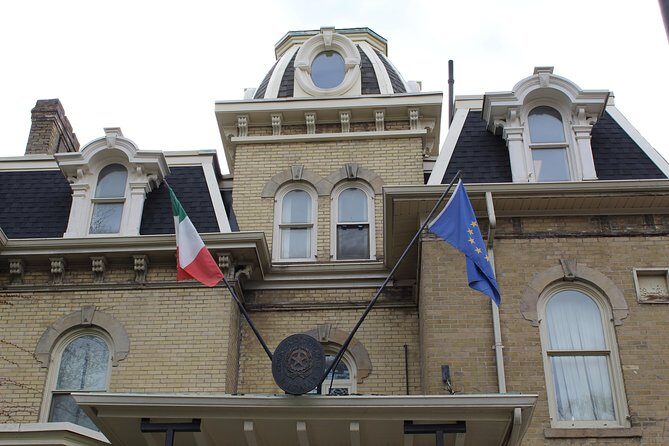
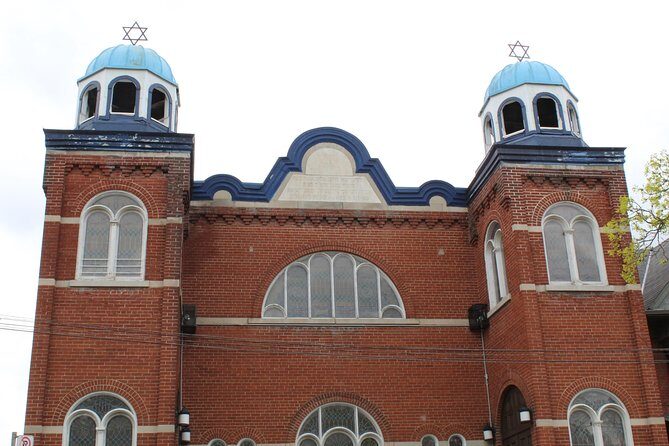
The tour route also includes stops for Ontario’s Art Gallery and a historic synagogue. The schedule details don’t list durations for these items, so expect them to be short waypoints—think of them as context stops along the walking thread rather than a long indoor program.
Why are these stops worth it? Because they prevent the walk from feeling like only food and shopping. You get a quick reminder that Toronto’s neighborhood identity isn’t just storefronts and menus. It also includes institutions tied to community life—religious, artistic, and cultural.
This kind of add-on can be great if you want variety in a compact 2-hour outing. It also helps the neighborhoods feel more grounded. You’re not only tasting what’s there now; you’re seeing a little of what shaped the area.
The tradeoff is time. If you’re hoping to see major exhibits inside the art gallery or take a long look at the synagogue interior, this tour isn’t designed as an in-depth visit. It’s built for walking, spotting, and learning enough to decide what to revisit later.
You can also read our reviews of more shopping tours in Toronto



Small-group reality: why it feels personal (and when it might not)

This is a small-group tour, capped at 12 people, and it can handle larger group bookings by splitting people between multiple guides. The maximum for the full activity is 53 people. That sounds big on paper, but the key word is splitting. In a well-run format, the experience still feels personal because you’re not all walking and listening in one single pack.
The group structure matters because it affects pace and questions. With fewer people, you can ask simple clarifying things as you walk—what that shop sells, why that landmark matters, how the neighborhoods changed over time. That’s the kind of interaction that makes a walking tour feel worth it, especially for neighborhoods you’ll likely want to return to.
There’s also a real-world risk with any meet-up-based tour: if your guide isn’t at the meeting point when you arrive, you can waste time waiting. One reported issue involves a guide not showing up at the meeting point and limited response after contact attempts through the app. I can’t predict that outcome, but I do recommend a simple habit: arrive a bit early and keep your phone ready in case you need to reach the operator quickly.
Price and logistics: $29.18 for two neighborhoods, plus context
At $29.18 per person for about 2 hours, this tour sits in the “affordable orientation” category. You’re paying for:
- a guided route that strings neighborhoods together,
- a guide who points out what you might otherwise miss,
- and a bit of scheduled time where you can shop and snack without the whole trip feeling like work.
Food isn’t included, and transportation isn’t provided. Hotel pickup/drop-off isn’t offered either. That keeps the price down, but it also means you should plan to reach the starting point on your own. The good news: the meeting point is in a central area and is described as near public transportation.
So the value equation is simple. If you’d otherwise spend your first half-day wandering without a plan, a guided walk helps you get your bearings fast. If you already know these neighborhoods well and you mostly just want to shop and eat, you might feel the guide’s added worth is smaller—especially since each stop is time-limited.
Also note the museum side: Campbell House Museum admission isn’t included. You’re getting a quick start point, not a paid museum visit. That means the tour price stays focused on the walking and guiding, rather than bundling entry tickets.
What it’s like with different guides: Marilyn, Rachel, Madison
Guides can make or break a walking tour. Based on named guide examples associated with this experience, here’s how the quality can feel in practice.
- Marilyn: described as very knowledgeable and professional, with a strong habit of stopping along the way to point out historical info. That kind of commentary works well when you’re walking through multiple neighborhood identities back-to-back.
- Rachel: described as excellent, informative, pleasant, and professional. If you land with someone like that, the tour can feel like it gives you a clearer lens on what you see in Chinatown and Kensington Market.
- Madison: described as personable but the tour felt more optional to at least one person. The takeaway isn’t that the guide was bad—it’s that a guided walk may or may not feel necessary depending on your preferences and how much you enjoy following someone’s route.
My advice: if you like structured direction, choose this tour. If you prefer total independence, use the tour as a starter—then peel off afterward and keep exploring your way.
Who should book this walking tour (and who shouldn’t)
I think this tour fits best if you:
- want a fast introduction to Chinatown + Kensington Market in one block of time,
- like shopping and eating during the day but also want context so your browsing feels intentional,
- enjoy short historical explanations on the street rather than long museum visits,
- and you appreciate a small group pace.
I’d skip or reconsider if you:
- already feel confident navigating Kensington Market and Chinatown and don’t need direction,
- want long indoor museum time or a deep dive into any single site,
- or you’re relying on the tour for a guaranteed major attraction visit (Campbell House Museum entry is not included).
Should you book this Toronto Chinatown and Kensington Market walking tour?
If your goal is to get oriented and leave with a short list of places you want to return to, I’d book it. For $29.18 and about 2 hours, you get guided context in two major neighborhoods, plus time to buy food at your own cost. It’s also a nice fit when you don’t want to plan a route yourself on day one.
My only caution is timing. Since the stops are brief—Chinatown around 30 minutes and Kensington Market around 35—you’ll want to treat it as a first pass, not the final word. If you want longer browsing, plan a follow-up on your own after the tour ends at Bellevue Square Park.
If you’re the type who likes a guide’s perspective while you walk, go for it. If you’re mostly there to snack and roam, you might enjoy saving the money and doing it independently—then spending what you saved on the tastier stops you personally choose.
FAQ
Where do I meet for the tour?
You’ll meet at Campbell House Museum, 160 Queen St W, Toronto, ON M5H 3H3.
Where does the tour end?
The tour ends at Bellevue Square Park, 5 Bellevue Ave, Toronto, ON M5T 2N4.
How long is the walking tour?
It runs for about 2 hours.
How much does it cost?
The price is $29.18 per person.
What language is the tour in?
The tour is offered in English.
Is the tour group large?
The group cap is 12, and larger bookings can be split between multiple guides. The maximum for the full activity is 53.
Is food included in the price?
Food and drink are not included. The tour gives you a chance to buy food at your own cost.
Is museum or attraction admission included?
Campbell House Museum admission is not included. Chinatown and Kensington Market stops are listed as free.
Is there hotel pickup or transportation during the tour?
No. Hotel pickup/drop-off and transportation during the tour aren’t included.
What if plans change last minute?
You can cancel for a full refund up to 24 hours before the experience starts.