REVIEW · CAMPBELL RIVER
Campbell River: Kayaking and Whale Watching Tour
Book on GetYourGuide →Operated by Campbell River Whale Watching · Bookable on GetYourGuide
Whales and a kayak in one day? That’s the appeal of this Campbell River outing: you get humpback-and-orca spotting and then you paddle into remote areas that most day tours can’t reach. I like the simple rhythm of the day, too—half time scanning for wildlife from the covered vessel Wild 1, then half time learning technique and putting it to work on the water. With guides like Laura and Stephen, you’re not just drifting along hoping for sightings; you’re out there doing the right things at the right times.
The one thing to plan for: this is a full day on the water with real physical effort. If you’re not comfortable paddling for stretches and dressing for cool wind and spray, you may find the day more tiring than a basic whale cruise.
In This Review
- Key points to know before you go
- Why this Campbell River whale-and-kayak day works so well
- Wild 1 boat time: spotting whales and wildlife from an open deck
- Kayaking in remote wilderness: what guided instruction really changes
- The $360 value: what you’re paying for besides the wildlife
- What to bring for comfort on cool water (and a better camera day)
- Meeting at The Floathouse: the logistics that keep you from missing the boat
- Wildlife expectations: humpbacks, orca, and the joy of not forcing it
- Should you book this Campbell River kayaking and whale tour?
- FAQ
- How long is the Campbell River kayaking and whale watching tour?
- How is the day split between whale watching and kayaking?
- What’s included in the price?
- What should I bring?
- Where do I meet, and when should I check in?
- Is this tour suitable for children or mobility impairments?
- Can I cancel and get a refund?
Key points to know before you go
- Wildlife-first timing: you spend a solid block of the day on the boat before switching to kayaking.
- Wild 1 boat setup: a covered vessel with an open viewing deck for scanning whales and wildlife.
- Instruction included: you get full kayaking instruction from qualified guides, not just gear drop-off.
- Lunch on board: you’re fed during the whale-watching portion, so the day stays smooth.
- Worth it for the combo: you’re paying for two experiences with gear, safety equipment, and guided time.
Why this Campbell River whale-and-kayak day works so well
Campbell River already has a serious reputation for marine life, but this tour makes it smarter than a single activity. I like the split because it balances “watching” and “doing.” The whale and wildlife time gives your eyes something to chase—spouts, tails, surface breaks—while the kayaking time rewards you with the calmer, quieter payoff of being close to shore and wildlife without a motor between you and the water.
That matters for your experience. A whale watching boat ride can be great, but it’s still a boat ride. Kayaking can be great, but you might not always know where to go or how to handle conditions. Here, you get both, with the kayaking part guided so you’re not stuck guessing your stroke or how to position your kayak.
Also, the tour is designed for what you’d actually want on a day trip: time that’s long enough to matter. You’re looking at about 8–9 hours total (the listing calls it 9). That reduces the “rush, rush” feeling that shorter wildlife outings can create—more time to search for humpbacks, orcas, dolphins, seals, and other wildlife, then time to paddle in remote zones.
One more practical point: this is aimed at avid adventurers across experience levels, but the day still includes active paddling. So it’s not a casual stroll tour. If you want one afternoon where you do a lot, learn a bit, and come home tired in a good way, this fits.
You can also read our reviews of more whale watching tours in Campbell River
Wild 1 boat time: spotting whales and wildlife from an open deck
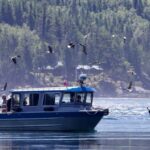
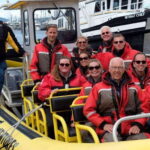
The whale-watching half of your day happens aboard the covered vessel Wild 1. The key detail here is that it’s covered, but you still get an open viewing deck. That’s a nice compromise when the weather shifts. You can stay out of wind and spray when you need to, then step up to scan properly when whales are in range.
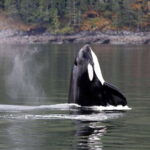
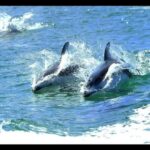
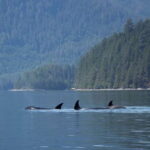
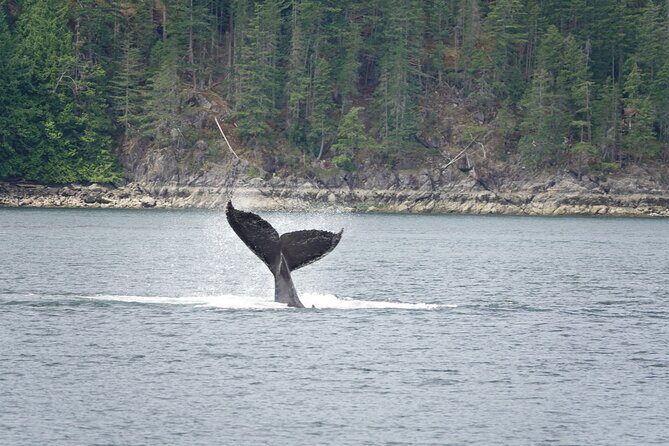
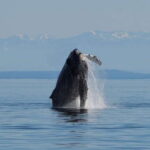
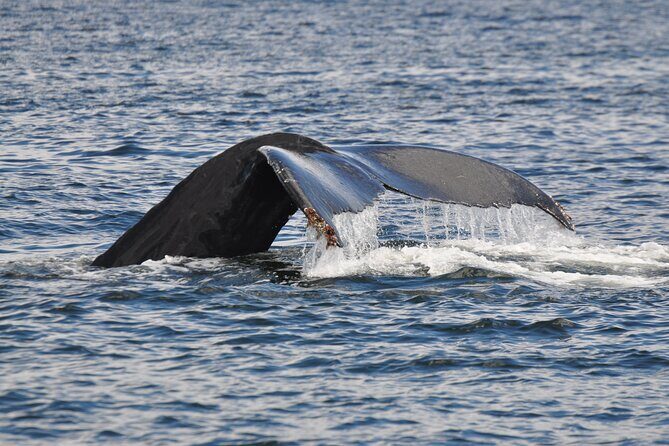
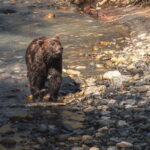
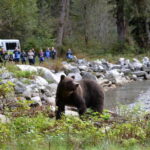
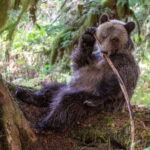
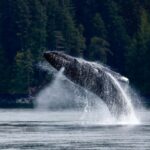
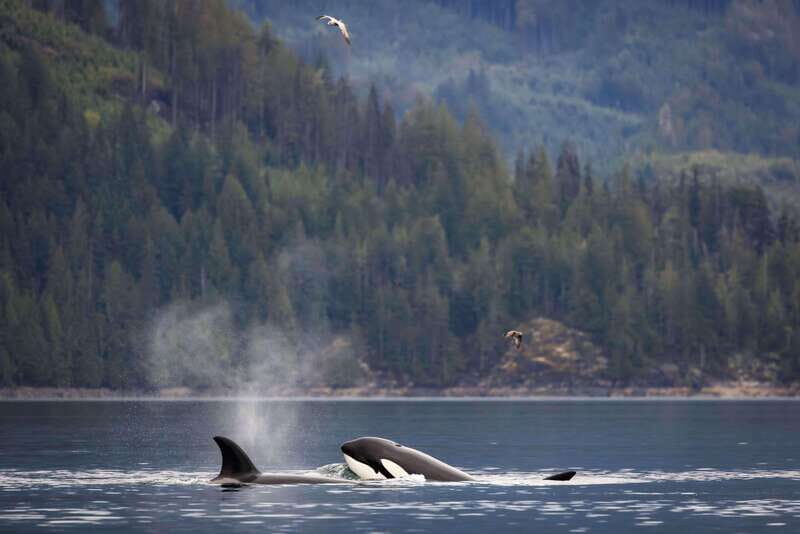
From a practical standpoint, the boat time is where you get the most “big wildlife” energy. This area is known for humpback whales and orca, and the day is also set up for seeing other animals you’d love to cross off your wildlife list: dolphins, seals, and even bears appear in the mix. One of the strongest signals from past experiences is that humpbacks aren’t just spotted—they can put on a show. In at least one case, people were lucky enough to see two humpbacks breaching.
How to think about your odds: you’re not guaranteed a specific animal, but the tour is built around searching. The guides manage where you go based on wildlife sightings, and that searching pattern is what improves your chances compared with a rigid route.
When whales are active, you’ll want to be ready—camera in hand, eyes up, and your expectations tuned to quick moments. Spouts and surface breaks can be brief. Even if you’ve seen whales before, this is the part of the day where you’ll feel that classic “wait—there!” thrill.
Also, you’re not just hanging out on the deck. There’s lunch on board during this portion, plus coffee, hot chocolate, or tea, and water. That small comfort upgrade means you’re less likely to end up grumpy or distracted later, especially when you switch from boat scanning to paddling.
Kayaking in remote wilderness: what guided instruction really changes
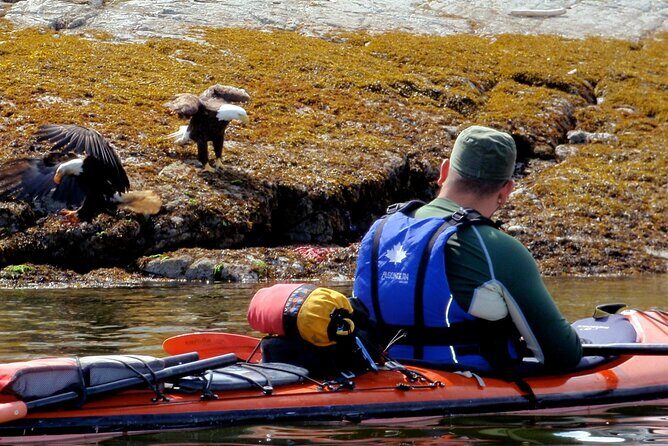
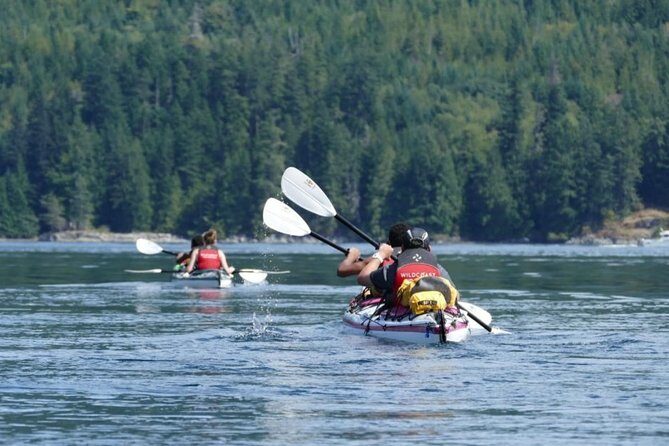
The second half is kayaking in areas known to have wildlife—remote enough that they’re normally beyond what a simple day tour can reach. This is where the experience shifts from spectacle to connection. You’re not just looking at animals at a distance; you’re moving through their water world with careful guidance.
The tour provides full kayaking instruction from qualified guides. That’s a big deal if you’re new. Instead of spending your first hour worrying about what the “correct” stroke looks like, you can focus on learning the basics that keep you safe and steady. You’ll also be using kayak gear and safety equipment supplied by the operator, which keeps the day easier to pack for.
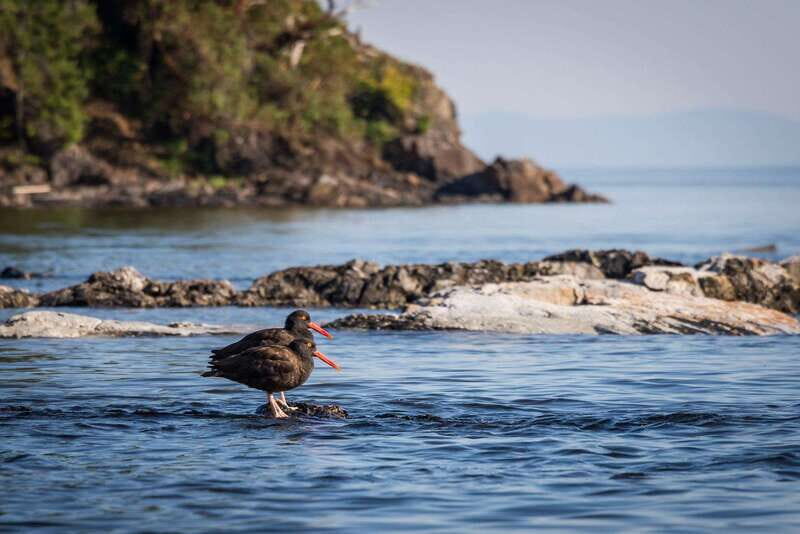
What you might see from the kayak side tends to include animals that are comfortable near shore. Past experiences tied to this kind of outing include sightings like elk during the kayaking portion, and black bears showing up on the return side. That doesn’t mean every trip has the same wildlife lineup, but it does suggest that the route choices and timing can bring you into wildlife-heavy areas.
One practical consideration: kayaking can be a workout. Even with instruction, you’ll be moving your arms and bracing your body against water movement. If you’ve never kayaked before, don’t underestimate how engaging it can be. The upside is that once you’re doing it right, the day feels calmer and more personal. You notice details—wind, current, the feel of the kayak responding—more than you do on a boat.
And because your day starts with whale viewing, the kayaking segment feels like the “earned calm.” You’ve already built excitement; now you get a quieter kind of wow.
The $360 value: what you’re paying for besides the wildlife
At $360 per person for a 9-hour day, this isn’t a budget activity. The value comes from the fact that you’re buying two guided experiences in one go, not just one.
Here’s what’s included, and why it matters:
- Kayak gear and all safety equipment are provided, which saves you from renting gear separately or showing up underprepared.
- Lunch plus coffee/hot chocolate/tea and water means your day doesn’t fall apart mid-morning.
- Full kayaking instruction is part of the package, so you’re not paying for a “hire and hope” situation.
- They also accommodate food allergies and dietary requirements (vegetarian and vegan are specifically mentioned). If you need a special meal, you’ll want to request it at least one day before your tour.
When you compare that to paying separately for a whale cruise and kayaking, the math starts to look more reasonable. You also avoid the hassle of coordinating two different operators and schedules. The day is built to flow: whale watching first, then kayaking.
That said, you should be honest with yourself about what you want. If you mainly want a relaxed ride where you do minimal effort, you may feel the price is high for the activity level. If you want a full day outdoors that includes learning and paddling, the cost starts to make sense fast.
What to bring for comfort on cool water (and a better camera day)
This is the sort of tour where you’ll enjoy it more if you dress like the water is going to be cool—because it likely will be. The operator advises warm layers and sun protection, plus closed-toe shoes or runners.
Here’s your quick, real-world packing list:
- Warm layers (think wind-blocking layers you can remove or add)
- Sun protection (sunscreen and sunglasses)
- Camera (and binoculars if you like)
- Closed-toe shoes or runners
- Any extra snacks you want (lunch is provided, but it’s still smart to carry a little backup)
Even if you’re not planning to bring binoculars, I’d still recommend packing a camera with a quick focus mode. The open viewing deck is there for a reason—when animals surface, you’ll want fast reactions.
One more comfort tip: plan to be wet-ish. Spray and splashes are part of the kayak experience, and being prepared for that is usually more comfortable than trying to stay completely dry.
Meeting at The Floathouse: the logistics that keep you from missing the boat
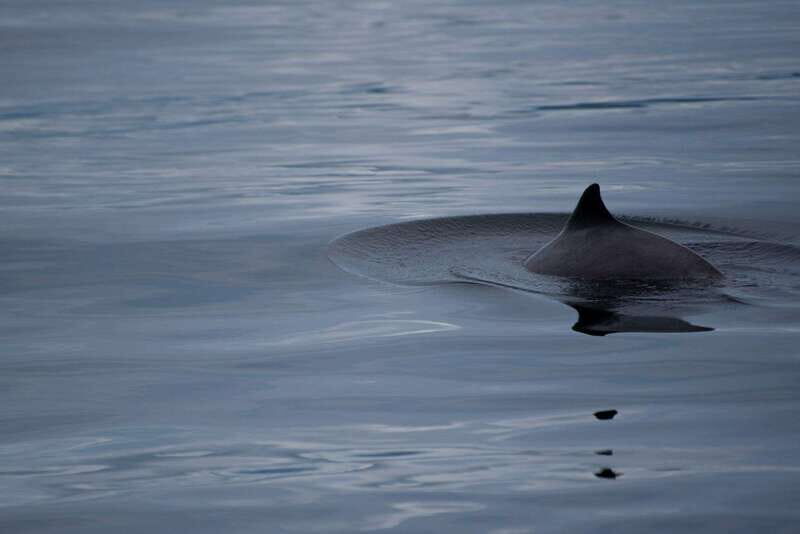
Your meeting point is Discovery Harbour Marina, at Dock E, in the office called The Floathouse. It’s described as a red barn-shaped building with a green roof. The access to the marina is at the north end of the parking lot.
Parking is a mix of free and paid. You’ll be pointed toward the large gravel lot off Robert’s Reach Road, and there’s mention of free parking toward the south end closest to the Quadra Island ferry. In other words: check the signs, because you don’t want a surprise when you’re running late.
Timing is strict. Check-in happens 30 minutes prior to your reservation, and the boat does not wait for any one party. That’s not meant to be harsh; it’s meant to keep the whole day running on schedule. If you’ve ever watched a tour group disappear down the dock while you’re still locking your car, you already know why that matters.
If you like peace of mind, give yourself extra cushion for finding parking and walking down the ramp. The dock area is the start of the day’s rhythm—hit it on time and everything else feels easier.
Wildlife expectations: humpbacks, orca, and the joy of not forcing it
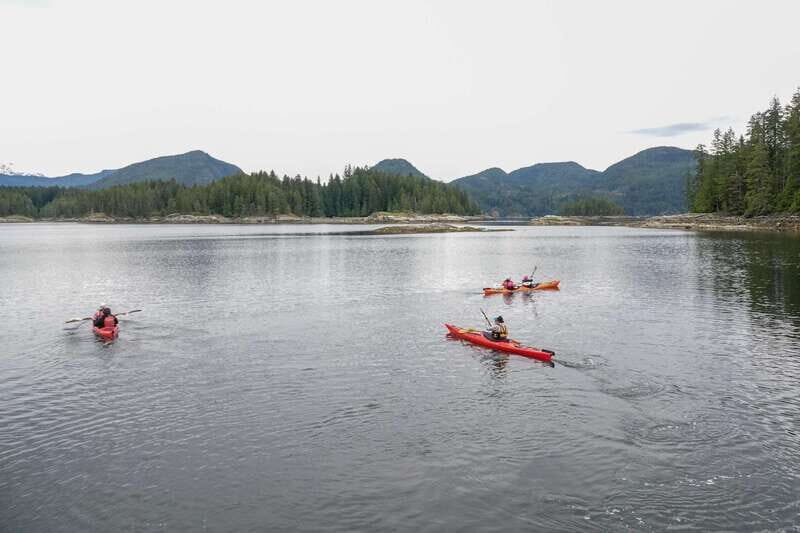
This tour is designed around wildlife searching in a place where humpbacks and orcas are possible. Other wildlife you might see includes dolphins, seals, bears, and even elk sightings tied to the kayaking portion and nearby areas.
The best way to think about your wildlife day is to treat sightings as “moments you catch,” not something you can schedule. When conditions cooperate, you can get standout scenes like humpbacks breaching. When conditions are different, you may still see whales and wildlife but with fewer dramatic surface events. That’s normal in marine environments.
What you can control is how you prepare:
- Bring your warm layers so you stay comfortable enough to scan patiently.
- Keep your camera ready without rushing.
- Listen to what the guides are saying—where to look, what behavior to watch for, and how to handle the kayak safely.
Because the day includes both whale viewing and kayaking, you’re not totally dependent on getting the perfect whale moment. Even if you don’t get that “breach from every angle” scene, the kayaking portion can still deliver wildlife and a more personal connection to the coast.
That’s why I consider this a smart “wildlife day” rather than a one-thing-only gamble.
Should you book this Campbell River kayaking and whale tour?
Book it if you want a full-day wildlife experience that goes beyond a simple boat ride. The combination of a whale-and-wildlife search on Wild 1 followed by guided kayaking in remote areas is the core reason this works. If you’re excited by humpbacks and orca potential, and you’re willing to paddle and dress for cool water, this is a strong match.
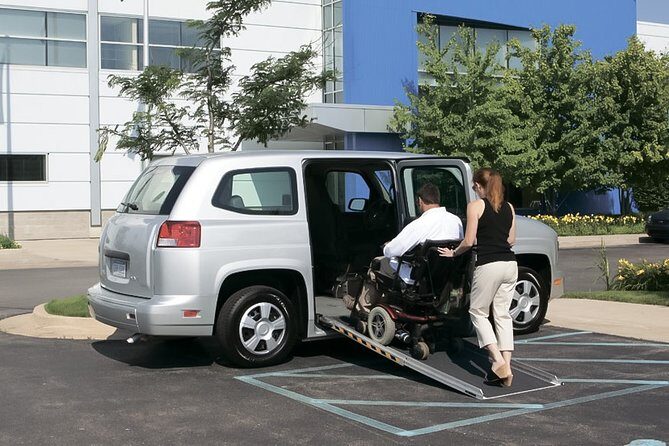
Skip it if you’re after a low-effort outing. Kayaking means physical involvement, and the operator lists it as not suitable for children under 12 and not suitable for people with mobility impairments. If you don’t want that kind of activity on your trip schedule, choose a more relaxed whale cruise instead.
FAQ
How long is the Campbell River kayaking and whale watching tour?
It runs about 8 to 9 hours, and the duration is listed as 9 hours. Check availability for the starting times.
How is the day split between whale watching and kayaking?
You spend about half the day on whale watching and wildlife viewing aboard the covered vessel Wild 1 with an open viewing deck, and the other half kayaking in remote areas known for wildlife.
What’s included in the price?
Lunch, coffee/hot chocolate/tea, water, kayak gear, and all safety equipment are included. You’ll also get kayaking instruction from qualified guides.
What should I bring?
Bring warm clothing, a camera, sun protection like sunscreen and sunglasses, and closed toe shoes or runners. The tour also advises warm layers because it can be cool on the water.
Where do I meet, and when should I check in?
Meet at Campbell River Whale Watching and Adventure Tours at The Floathouse on Dock E at Discovery Harbour Marina. Check in is 30 minutes prior to your reservation.
Is this tour suitable for children or mobility impairments?
No. The tour is not suitable for children under 12 and not suitable for people with mobility impairments.
Can I cancel and get a refund?
Yes. The tour offers free cancellation up to 24 hours in advance for a full refund. There’s also a reserve now & pay later option.