REVIEW · WHISTLER
Whistler: Whistler Mountain Via Ferrata Climbing Experience
Book on GetYourGuide →Operated by Mountain Skills Academy & Adventures · Bookable on GetYourGuide
Rungs on Whistler change your viewpoint fast. This Whistler Mountain via ferrata day mixes a guided first-timer-friendly setup with real exposure as you climb rock using built-in rungs and a cable. I love how the top-of-mountain scenery frames Garibaldi Provincial Park, and I also like that expert coaches help you learn the technique instead of just tossing you into gear.
You should know the route is work, not a stroll. Even though it’s only a 4-kilometer mountain route with a 260-meter climb, you’ll be gripping, stepping, and staying focused the whole way up and back down. If you’re not comfortable with heights, the safest move is to think twice before you commit.
In This Review
- Key highlights you’ll feel right away
- Whistler Via Ferrata: The thrill above Garibaldi Provincial Park
- Gondola up to the start: where the day shifts gears
- The gear fit and lanyard lesson: the safety brain you need
- The climb itself: what rung-by-rung really means
- The descent: 3-kilometer hike or chairlift
- Price and value: is $152 a fair deal?
- Weather reality: rain or shine, with a lightning rule
- Who should book—and who should skip this one
- Should you book Whistler Mountain via ferrata?
- FAQ
- How long is the Whistler Mountain via ferrata experience?
- What is included in the price?
- What should I bring?
- Is the experience outdoors?
- Where do I meet for the morning and afternoon tours?
- Is food provided?
- Who is the activity not suitable for?
Key highlights you’ll feel right away
- Expert instruction that helps you manage the technique, not just the nerves
- Gondola ride that lifts you from the village up toward the alpine start
- Lanyard system lesson and cable clip-in so you understand what’s happening
- Rung-by-rung progression that turns a big mountain into achievable steps
- Garibaldi views from above tree line that make the effort feel worth it
Whistler Via Ferrata: The thrill above Garibaldi Provincial Park
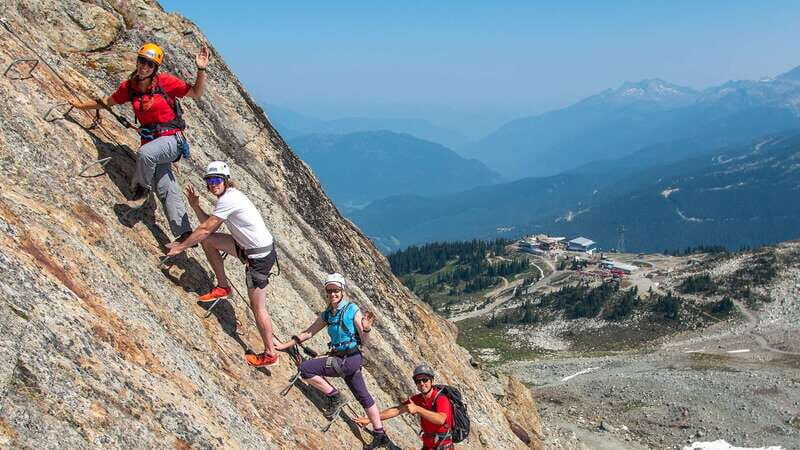
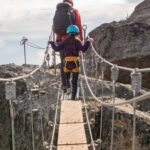
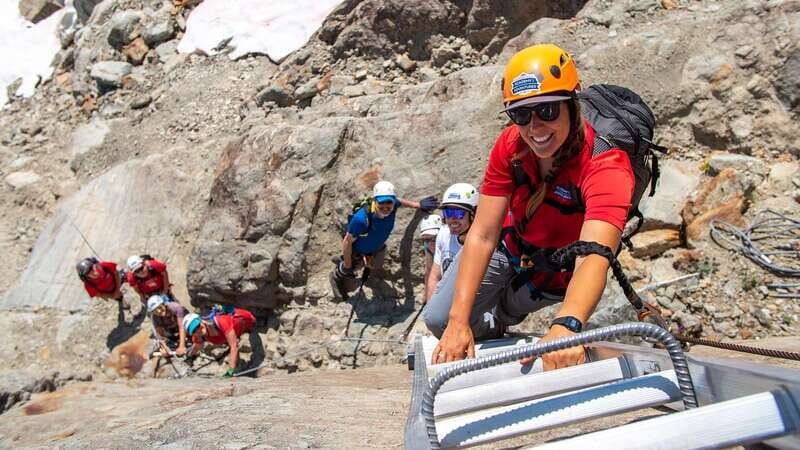
This isn’t rock climbing where you figure everything out on your own. You’re using the via ferrata system: rungs set into the rock plus a cable you clip into, so the challenge becomes technique, balance, and timing. That changes the vibe in a good way. You’re still challenged, but you’re not starting from zero.
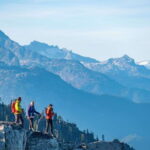
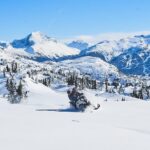
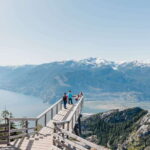
What makes it special is the setting. From the alpine, the mountain view opens up fast, and you get a strong sense of place: snow-dusted peaks, glacier country, and the wide swaths of Garibaldi Provincial Park below. The best part is that the views aren’t a distant payoff you never reach. They’re tied to your progress as you climb higher.
One more thing I appreciate: guides seem to treat this as a learning day. People come in nervous or unsure, and then leave feeling capable because the coaching is practical. One example from guide experience you’ll want to listen for during your session: Maya, Keek, Genie, and Victor are all names that show up in past bookings for a reason—supportive coaching and hands-on feedback.
You can also read our reviews of more tours and experiences in Whistler.
Gondola up to the start: where the day shifts gears
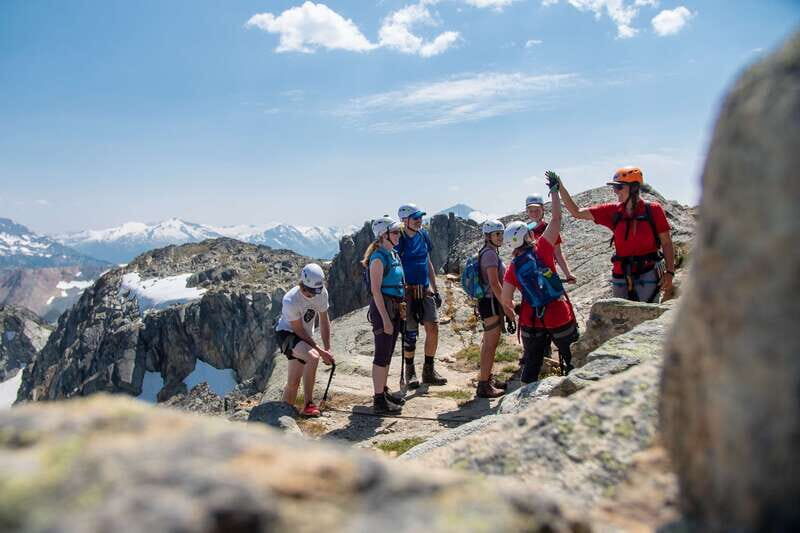
Your day typically begins by getting to the mountain base and then taking a gondola upward toward the alpine shop where the climb starts. That first lift matters more than you might think. It reduces the “long hike to nowhere” feeling and gives you a clearer goal: learn gear, start the climb, then move rung by rung.
If you’re doing the morning tour, you meet at the Garbanzo Bike & Bean Patio, across from the Whistler Village Gondola at 9:15 am. Afternoon tours meet at the MSAA Whistler Mountain Top Adventure Centre, about 50 meters from the Whistler Peak 2 Peak terminal at 1:30 pm. Either way, your timing is built around being on the route with the mountain overhead and good daylight for the views.
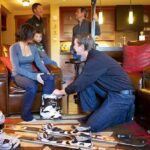
At the alpine shop area, you’re not just getting equipment and going. You’ll be introduced to the systems and shown how to use the special lanyard system that supports you while you climb. This is where a lot of first-timer anxiety can melt, because the gear rules become clear before you ever step onto the rock.
The gear fit and lanyard lesson: the safety brain you need
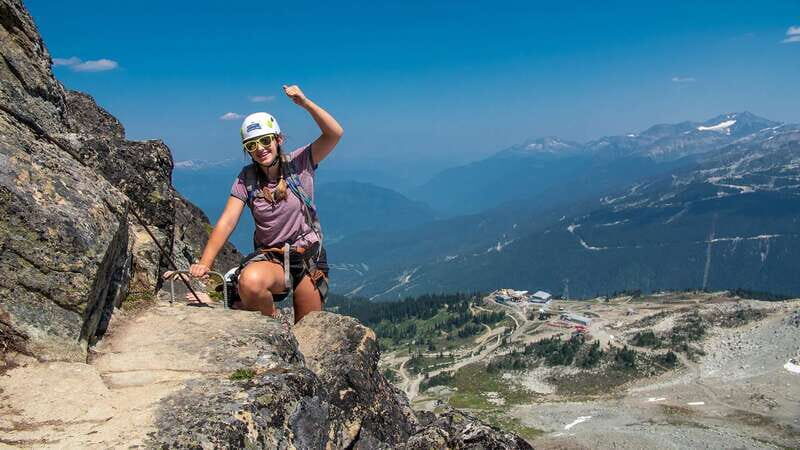
This tour’s “secret sauce” is what happens right before you clip in. You step into the partner alpine shop, and you learn how the lanyard system works for this via ferrata route. Then you look up at the peak and actually connect to the cable.
That matters because people think the key challenge is strength. It isn’t. The key challenge is confidence. When you understand how you’re attached and how the system is meant to move with you, you can focus on foot placement and staying calm.
I also like that this is explained by an on-the-ground expert guide, not a quick generic handout. Past guide notes mention how helpful it can be to get advice in the moment. For example, Keek is specifically praised for giving great climbing advice and useful information about the area, which tells you the coaching isn’t only technical—it also helps you read the route and handle it better.
Important details for you:
- You’ll be using provided climbing equipment.
- Your guide helps you learn how to clip into the cable safely and efficiently.
- You’re dealing with real exposure, so you’ll want a calm, steady mindset once you’re on the rock.
The climb itself: what rung-by-rung really means
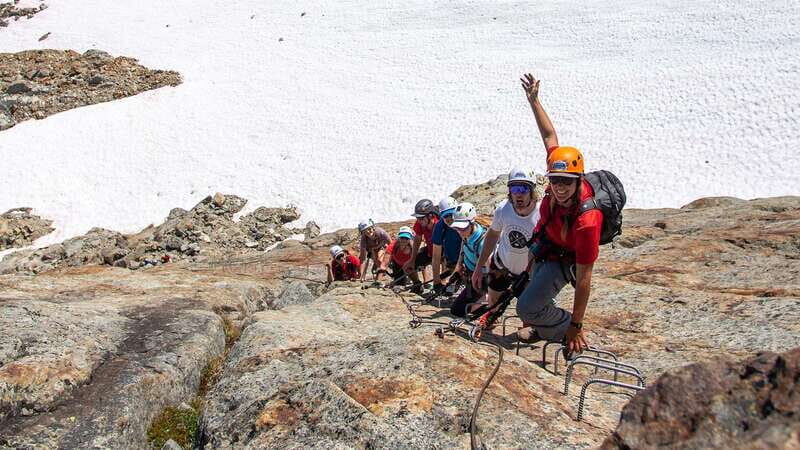
Once you’re clipped in, the route becomes a sequence of small wins. You move rung by rung up the mountain using the built-in steps, while staying attached to the cable. The climb is only part distance, but it’s vertically significant: the route covers about 4 kilometers of mountain terrain and ascends around 260 meters.
So what does it feel like? Expect physical effort in your arms and legs, plus constant attention. You’re not free-soloing; you’re using the system. But you still have to place your feet well, keep your body stable, and stay aware of the line you’re following. In other words, it’s hard work, and that’s exactly why it feels like an accomplishment.
This is also where the guide makes a huge difference. In past experiences, guides were praised for making sure everyone could manage and for turning the learning curve into something fun. Maya was called out for being supportive, and Genie got high marks as a fun intro to via ferrata. Those comments fit what you should look for: someone who explains technique, then adjusts their coaching as you go.
And the payoff isn’t subtle. When you reach the top area, you’re rewarded with expansive views over Whistler and the surrounding glacier-and-peak region. It’s that “standing on top of the world” feeling, except you earned it through controlled effort.
The descent: 3-kilometer hike or chairlift
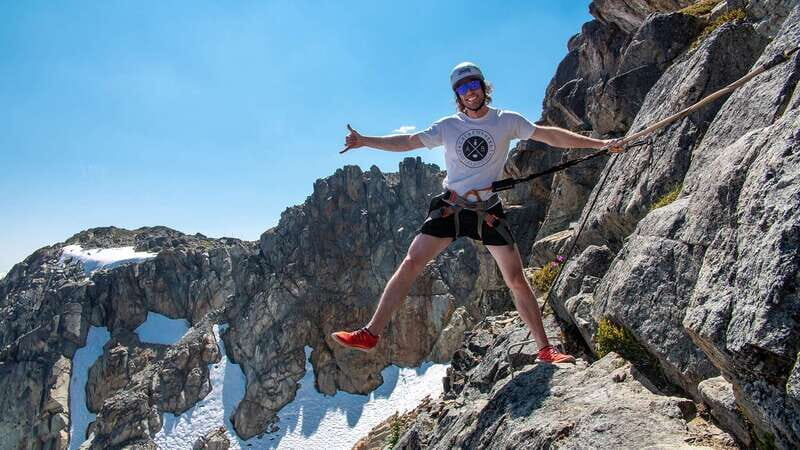
Getting down can be just as important as getting up. Once you finish the main climb section, the experience takes you back toward the village base camp area. Then you choose how you want to return.
You’ve got two options:
- A 3-kilometer hiking path
- A chairlift
I like that choice because it matches your energy level. If you still feel strong and want to stretch out your legs, the hike is a good way to keep moving without being stuck waiting. If you want to preserve your legs and keep things easy after the technical effort, the chairlift is a practical recovery move.
Even in the descent phase, the whole day makes sense as a full loop: gondola to start, climb and cable time as the core activity, then a return that lets you decide how active you want to be.


Price and value: is $152 a fair deal?
At $152 per person, this sits in the “premium activity” category. You’re paying for three things you usually don’t get with DIY options: a qualified guide, the use of climbing equipment, and access to the via ferrata setup on a major mountain.
Here’s why that price can actually feel reasonable:
- Guided technique is included, which matters for safety and confidence.
- Equipment is included, so you’re not hunting down rentals or dealing with gear that doesn’t fit your needs.
- The gondola ride is part of the day’s flow, and an optional lift ticket can be included depending on how you handle it.
What you should budget for separately: food and drink aren’t included. Plan to eat before you start climbing or bring money for a meal afterward, because once you’re done, you’ll probably want something simple and warm.
My bottom-line take: if you’ve never done via ferrata, this is one of those activities where paying for instruction is the difference between a fun memory and a stressful one. For experienced climbers, it’s still valuable because it’s a structured way to climb with support, even if the route is designed for broad participation.
Weather reality: rain or shine, with a lightning rule
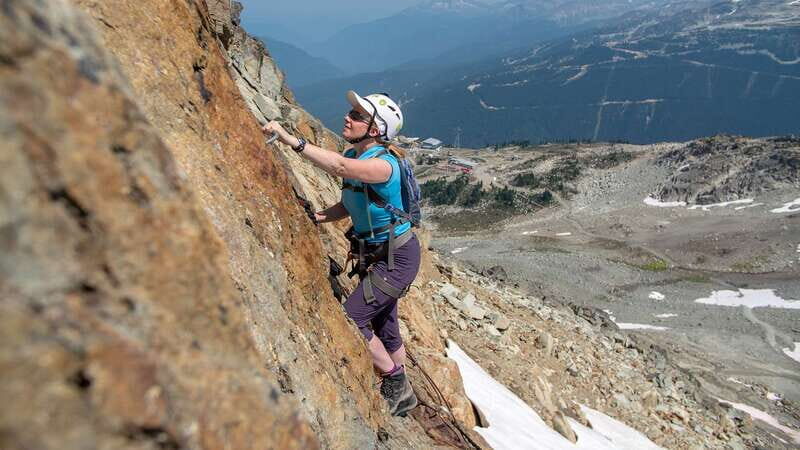
You should think of this as a mountain day, not a fragile schedule. The climb runs rain or shine unless lightning strikes within about 60 kilometers. That’s a helpful threshold, because it means you’re usually not losing the day to minor weather.
Still, it’s outdoors on rock. Bring what you need to stay warm and comfortable so your focus stays on the climb:
- Warm clothing
- Hiking shoes
A common mistake is showing up with the wrong footwear or assuming sandals will be fine. Don’t. This is a step-on, grip, and stability activity where shoe traction and comfort matter.
Who should book—and who should skip this one
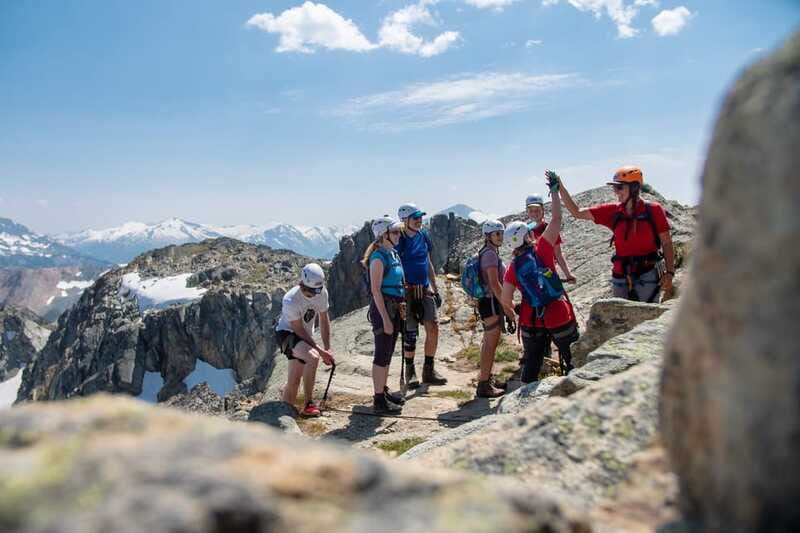
This tour has clear limits, and they’re there for good reasons. It’s not suitable for:
- Children under 12
- Wheelchair users
- People who are visually impaired
- People over 350 lbs (159 kg)
- People over 70
You also won’t be allowed to bring certain items like pets, weapons or sharp objects, oversize luggage, drones, or other restricted categories. The list is strict, so check it before you pack.
Who it’s best for:
- You want a guided introduction to via ferrata without needing prior technical climbing experience.
- You’re comfortable with heights and real outdoor exposure.
- You like the idea of a structured challenge with a built-in cable-and-rung safety system.
If you hate the feeling of being suspended above steep drops, this might not be your day. The system helps, but it doesn’t erase exposure.
Should you book Whistler Mountain via ferrata?
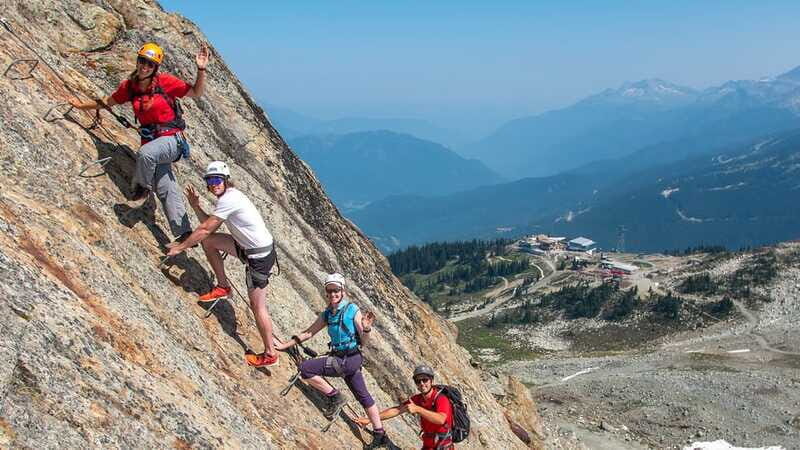
Book it if you want the kind of mountain experience where effort turns into instant rewards: coached technique, a climb you can actually manage, and top views over Garibaldi. It also sounds like the guides are a major part of the value—names like Maya, Keek, Genie, and Victor show up with consistent praise for supportive instruction.
Skip it (or at least reconsider) if heights make you tense, if your fitness level isn’t there for a sustained climb and attention-demanding steps, or if you’re not willing to dress warmly and handle an outdoor route in changing weather.
If you fit the target audience, this is the type of day that ends with that rare mix: you feel challenged, you feel safe because you were taught, and you get the view from the top because you earned it.
FAQ
How long is the Whistler Mountain via ferrata experience?
It’s a 1-day activity.
What is included in the price?
The tour includes an expert guide and use of climbing equipment. An optional lift ticket may also be included depending on what you purchased.
What should I bring?
Bring warm clothing and hiking shoes.
Is the experience outdoors?
Yes. It takes place rain or shine, unless lightning strikes within 60 kilometers.
Where do I meet for the morning and afternoon tours?
Morning tours meet at the Garbanzo Bike & Bean Patio, opposite the Whistler Village Gondola, at 9:15 am. Afternoon tours meet at the MSAA Whistler Mountain Top Adventure Centre, about 50 meters from the Whistler Peak 2 Peak terminal, at 1:30 pm.
Is food provided?
No. Food and drink are not included.
Who is the activity not suitable for?
It’s not suitable for children under 12, wheelchair users, visually impaired people, people over 350 lbs (159 kg), or people over 70.