REVIEW · WHISTLER
Whistler: Tour, Sensory Nature Experience for Families
Book on GetYourGuide →Operated by CaraCopia · Bookable on GetYourGuide
Tiny clues, big rainforest feelings. This Whistler tour is built for families to experience the Pacific Coastal Rainforest with their hands, ears, eyes, and even their senses of curiosity. I like how the session blends nature education with hands-on play, and I especially like that the small group format helps guide CaraCopia’s Cara adapt the pace for very different ages.
You’ll start with a bear-awareness lesson, then choose from two trails following a glacier-fed stream. Along the way, you’ll hunt for living details like birds, slugs, butterflies, toads, and red squirrels, plus look for signs such as bear claw marks and the tiny world of lichen and mycelium.
One consideration: this is an outdoor walk where you’ll be on your feet for about 1.5 hours, so rainy weather and insects are part of the deal. Pack well, and you’ll be fine.
In This Review
- Highlights You’ll Actually Remember
- How the Sensory Forest Tour Works (And Why It Feels Different)
- Meeting Cara at Lost Lake PassivHaus, Then Starting With Bear Awareness
- Two Trail Options Along a Glacier-Fed Stream
- Foraging for Tea: The Ceremony Part Is the Best Part
- The Tiny World Moment: Handheld Microscopes and Story Time
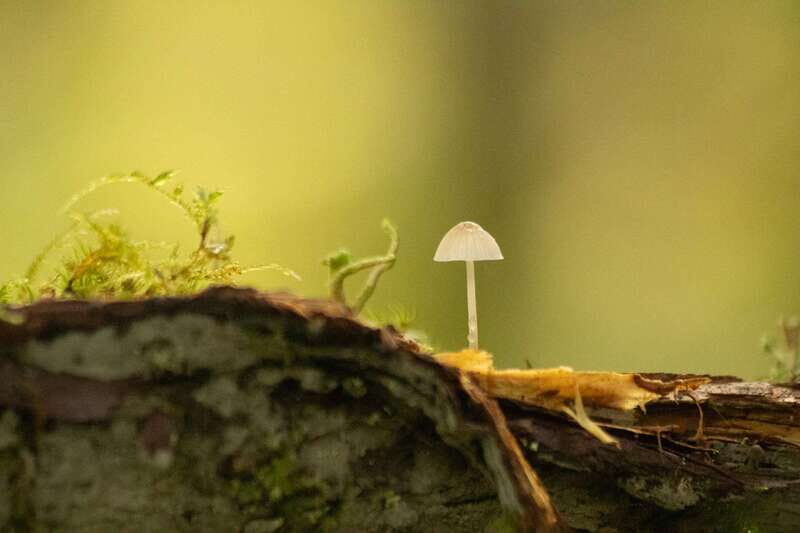
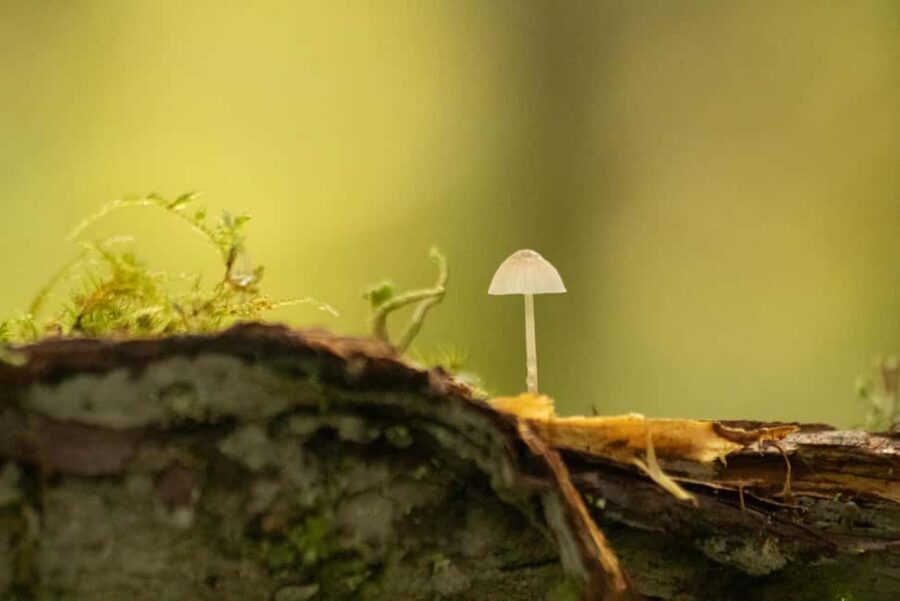
- Spotting Animals and Clues: Birds, Slugs, Lichen, and Mycelium
- Bear Claw Marks and Ancient Cedar Time
- What Included Means for Your Day (Not Just What’s on the Page)
- Price and Value: Is $52 Worth 1.5 Hours?
- Who This Tour Fits Best (And Who Might Prefer Something Else)
- Practical Tips: What to Bring and How Not to Fuss
- Should You Book CaraCopia’s Whistler Sensory Forest Experience?
- FAQ
- How long is the Whistler sensory forest tour?
- What is the price per person?
- Where do I meet the guide?
- How big are the groups?
- Is the tour wheelchair accessible?
- Is tea included?
- What activities are included?
- What should I bring for the tour?
- Are pets allowed?
Highlights You’ll Actually Remember
- Bear claw lesson with a replica you can hold while learning what to look for in the forest
- Foraged tea ceremony using healing plants and trees you gather along the path (option to bring your own mug)
- Handheld microscopes plus a story or poem to connect what you see with what it means
- Ancient cedar moment, with time to sit beside or hug a very old tree
- Sit-down support: a personal ground covering is available if you requested it, plus a simple tarp shelter if raining
- Small group cap (8 participants), which makes it easier for Cara to tailor attention for kids and adults
How the Sensory Forest Tour Works (And Why It Feels Different)
This tour isn’t about rushing to a single viewpoint. It’s about slowing down enough that the forest starts answering back. Cara leads you to notice things most people walk right past: textures on bark, movement on the understory, small animal signs, and the subtle patterns that tell a bigger story.
The sensory approach matters because it turns “nature facts” into lived experience. Kids don’t just hear about lichen and owls; they learn to spot clues. Adults get a gentle reset too, especially if you’ve been using your phone more than your eyes on trips.
I also like that the tour includes more than talking. You get props (like the bear claw replica), tools (handheld microscopes), and creative materials (drawing/writing supplies). That mix gives you a few different ways to engage, even if your kids are the wiggle-first type.
You can also read our reviews of more tours and experiences in Whistler.

Meeting Cara at Lost Lake PassivHaus, Then Starting With Bear Awareness
You meet Cara at the patio area toward the entrance of the Lost Lake PassivHaus. There’s an important logistics detail: you cannot drive right to the meeting point. Instead, you park in Whistler Day Lots 4 or 5 and walk along the Valley Trail for about 5 minutes to Lost Lake PassivHaus.
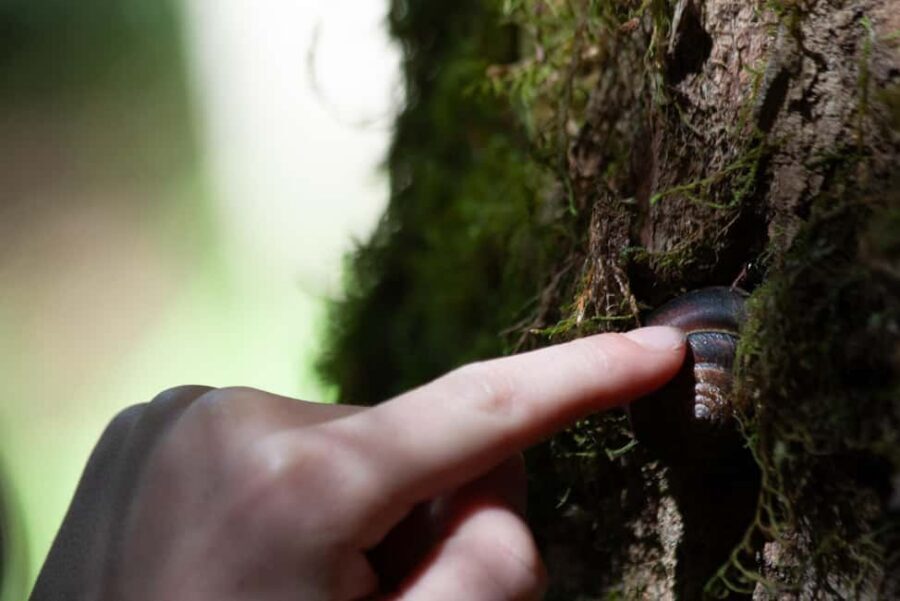
Before you even get deep into the trees, you begin with a bear-awareness lesson. That’s not scare tactics. It’s practical forest literacy: how bears live, what signs can mean, and how to be respectful in their space. The fact that you then handle a bear claw replica makes the lesson stick. You get a physical reference point, not just abstract words.
If you’re traveling with younger kids, this first step is a smart move. It gives everyone a shared focus and a reason to pay attention to details the rest of the hike.
Two Trail Options Along a Glacier-Fed Stream
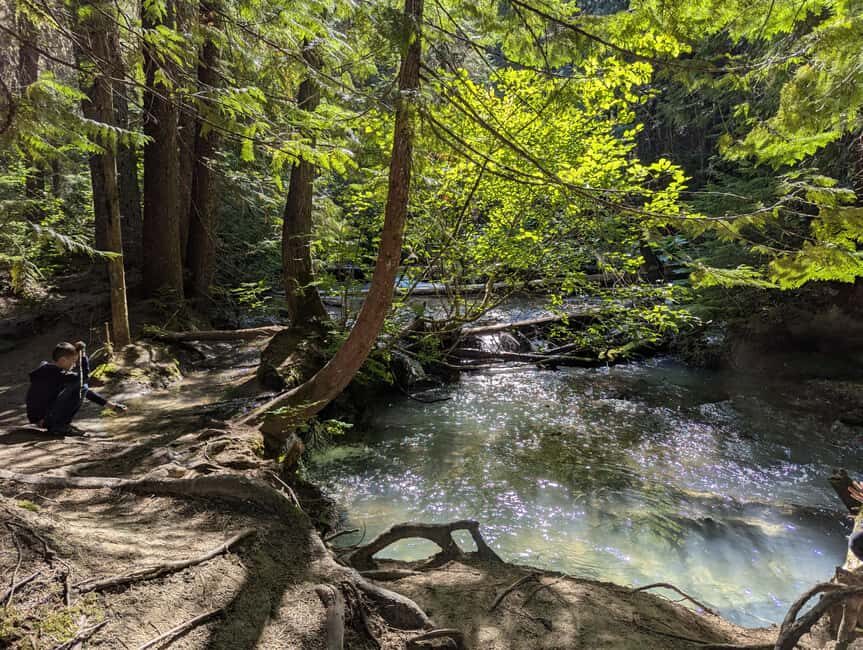
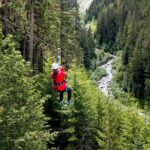
You’ll choose between two different trails. Both follow a glacier-fed stream, so expect damp forest air, running water sounds, and lots of places where life thrives on moisture.
What this choice means for you:
- If you want a slightly calmer feel, you’ll likely appreciate a trail that keeps the group together comfortably while still offering plenty to see.
- If your family has energy, the trail length and “discovery density” can make it easier to stay engaged without feeling like you’re hiking for hiking’s sake.
Either way, Cara keeps the session moving through a series of short, purposeful stops. The goal isn’t “walk fast.” It’s “notice more.”
Foraging for Tea: The Ceremony Part Is the Best Part
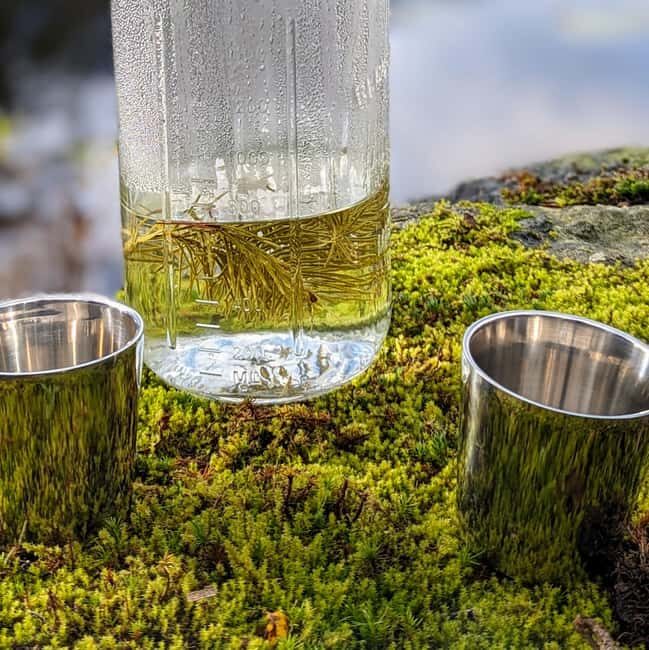
One of the most memorable pieces is the tea ceremony built into the walk. You forage for tea from along the path, guided by Cara, and then you sip what you’ve helped gather.
This is a big value booster for a $52 price point. Many short tours only teach you with words. Here, you get a sensory payoff you can’t get from a brochure: smell, taste, and the quiet rhythm of sitting together long enough to notice your surroundings.
There’s also flexibility. The tour includes tea, and you have the option to bring your own mug.
Practical note: this is foraging, so you’ll want to follow instructions closely and keep your expectations realistic. You’re not picking wild plants on your own; you’re learning how to do it safely with a guide. With the family-friendly setup, it feels like education without making it too precious.
The Tiny World Moment: Handheld Microscopes and Story Time
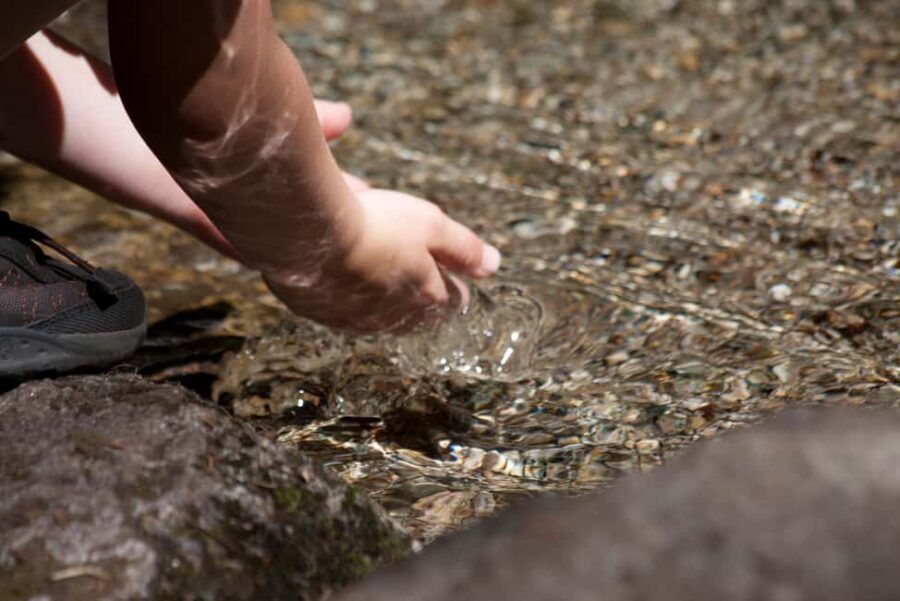
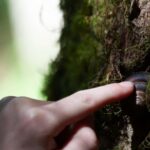
At some point during the experience, you’ll look through hand-held microscopes. This is where the tour really earns its “sensory” label. The forest becomes a close-up ecosystem: patterns, textures, and micro life that you just can’t see clearly at walking speed.
To keep that science from feeling cold, Cara pairs it with a story or poem. That combination helps kids remember what they learned because it lands in the imagination, not just the facts section of your brain.
If your child is picky about long explanations, this part often works well. You can point, focus, and talk in short bursts. Adults benefit too, because it’s a reminder that the rainforest is doing something fascinating all the time, even when you think you’re only looking at “trees.”



Spotting Animals and Clues: Birds, Slugs, Lichen, and Mycelium
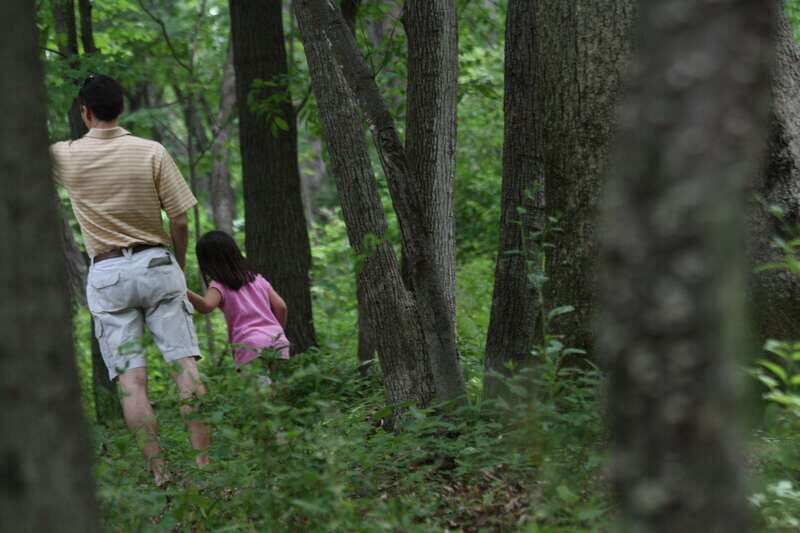
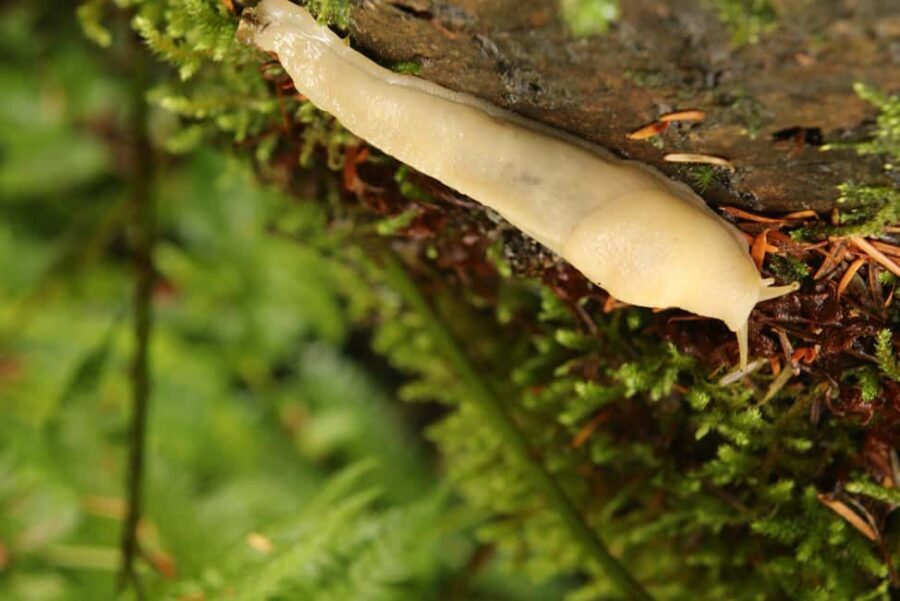
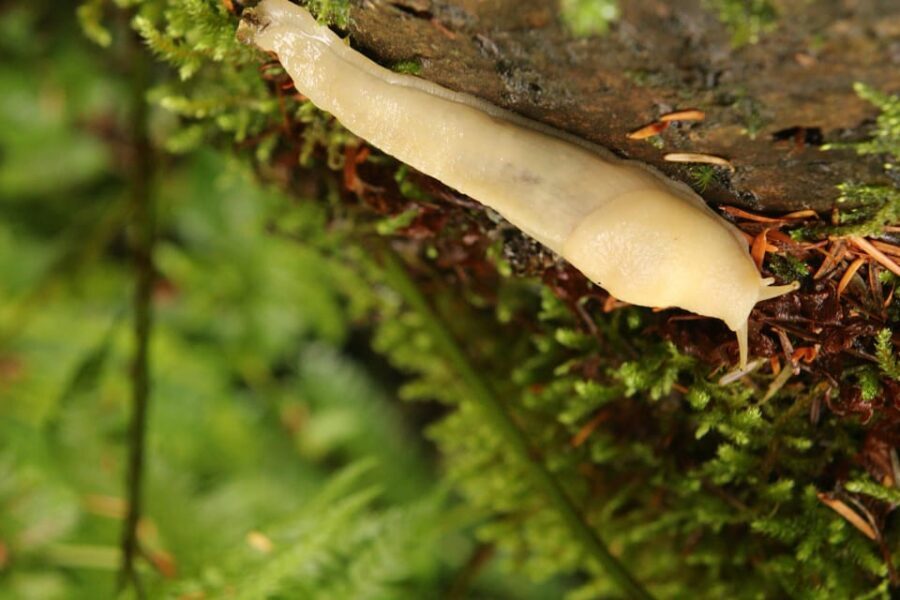
This tour is great for families who want the “look, we found it” thrill, not just “we walked through woods.” You’ll actively spot a variety of wildlife and signs, including birds, slugs, butterflies, toads, and red squirrels.
You’ll also learn to read the forest like a puzzle. The experience includes lessons on owls, lichen, salmon, bears, and mycelium. You’ll connect what you see to a larger web of life. And if you notice how often forest life depends on moisture and decay, you’ll suddenly understand why the smallest things matter.
One detail I like: you’re not limited to one theme. The guide weaves together predator awareness (bears), everyday forest chemistry (lichen and mycelium), and food web connections (salmon). That prevents the tour from feeling like a single-topic classroom.
Bear Claw Marks and Ancient Cedar Time
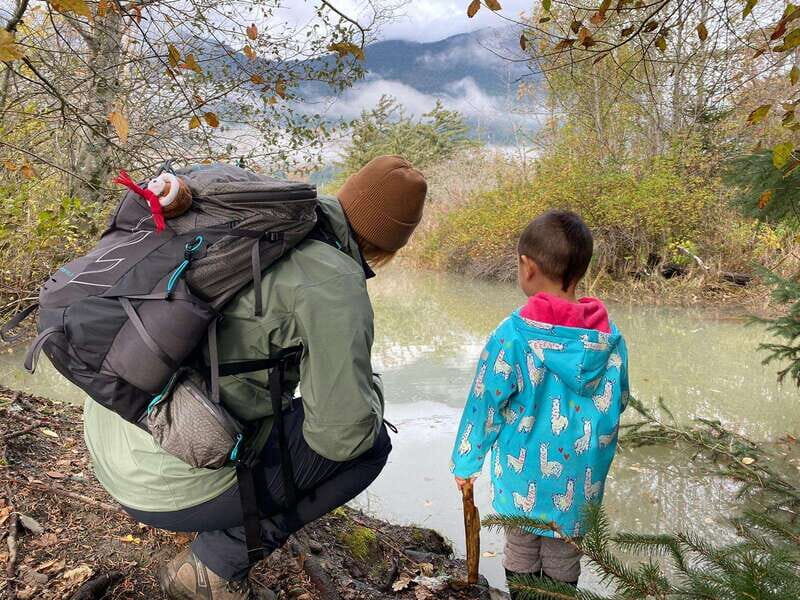
Two parts feel especially emotional, even though they’re still educational.
First: the bear awareness segment comes to life with bear claw marks on trees and the chance to hold a replica of a bear claw. You’ll learn what those marks can tell you and why bears use trees in their own behaviors. It’s a controlled way to experience an otherwise distant part of the rainforest.
Second: you’ll make a memory by sitting beside or hugging an ancient cedar tree. This isn’t a random photo stop. It’s guided time designed to shift you from “tour mode” into “presence mode.” For families, it’s also a good moment to let kids be kids without feeling like the hike is only about following instructions.
I love that this tour balances nature respect with wonder. You don’t leave feeling like the forest is just scenery. You leave feeling like it’s a living place with rules you can follow.
What Included Means for Your Day (Not Just What’s on the Page)
You get a fully guided experience with outdoor educational instruction. There are also specific “extras” that make the session easier with kids:
- drawing or writing paper plus charcoal, crayons, pencils, and pens
- poetry or story (paired with the microscope time)
- guided meditations
- special props like the bear claw replica
- temporary simple tarp shelter if raining
- a personal ground covering to sit on if requested
- a portable way to participate even if your child needs breaks
Small group matters here. Limited to 8 participants, it’s easier for Cara to manage attention and keep kids engaged without the group feeling like a herd.
Also: the tour includes usable washrooms at Lost Lake PassivHaus. You can use the accessible, ungendered washrooms before or after the tours. That’s genuinely helpful on a family outing.
Price and Value: Is $52 Worth 1.5 Hours?
At $52 per person for about 1.5 hours, the value comes from what’s included beyond a basic walk. You’re paying for:
- a highly structured guide experience (outdoor educational guide)
- hands-on tools (microscopes)
- sensory food component (foraged tea ceremony)
- learning aids (bear claw replica, props, story/poem, drawing materials)
- small group attention (max 8 participants)
If you compare it to a generic “nature walk,” the tea ceremony and microscope time push this into a higher-value category. You don’t just leave with photos. You leave with a tasted memory, a close-up “wow” moment, and a shared family activity built right into the forest.
The only reason it might not be worth it for you is if your family doesn’t do well with slow, attentive outdoor listening. This tour works best when everyone can handle frequent stops and short guided activities.
Who This Tour Fits Best (And Who Might Prefer Something Else)
This experience is clearly designed as a family outing, and the age range can stretch wide. It’s worked well for very young kids and for older kids too, with Cara tailoring attention when there’s a child who needs extra help staying engaged.
You’ll probably love it if:
- you want a calm, guided nature experience with practical learning
- you’re traveling with kids who enjoy finding animals or clues
- you like hands-on learning (microscopes, props, drawing)
- you want a taste of the rainforest culture through a tea ceremony
You might want a different option if your group wants lots of long-distance hiking. This isn’t a “cover ground” outing. It’s a “make meaning from the forest” outing.
Practical Tips: What to Bring and How Not to Fuss
This tour is outdoor-focused, so your comfort is the key to enjoying the sensory parts.
Bring:
- comfortable shoes
- hat
- water
- rain gear
- insect repellent
- outdoor clothing
Also, plan for the fact that you’ll be on natural ground and doing sitting moments. If you’ve requested a personal ground covering, you’ll have a more comfortable sit during the ceremony and pauses.
Not allowed:
- smoking
- pets (assistance dogs allowed)
- littering
One small but useful thing: you can use a mug you bring yourself, but tea is included either way. That’s helpful if you’re trying to reduce waste or keep it familiar for little kids.
Should You Book CaraCopia’s Whistler Sensory Forest Experience?
Yes, I’d book it if your goal for Whistler is more than scenery. This is a short, well-paced nature lesson with real sensory payoffs: tea you foraged, microscopic sights, and a cedar moment that turns learning into memory. The small group size keeps it manageable for families, and the guide’s approach is built for different ages sharing the same trail.
Skip it (or rethink) only if your group hates outdoor sitting, dislikes guided activities, or expects a high-speed hike with minimal stops. Rain and bugs are part of the forest experience, so pack for that and you’ll get the full value.
If you want a Whistler nature outing that feels personal and not scripted, this one is a strong choice.
FAQ
How long is the Whistler sensory forest tour?
It runs for 1.5 hours.
What is the price per person?
The price is $52 per person.
Where do I meet the guide?
Meet Cara on the patio toward the entrance to the Lost Lake PassivHaus. Park in Whistler Day Lots 4 or 5 and walk about 5 minutes along the Valley Trail since you cannot drive directly to the meeting point.
How big are the groups?
The group is limited to 8 participants.
Is the tour wheelchair accessible?
Yes, it is wheelchair accessible.
Is tea included?
Yes. A tea ceremony is included, and you can bring your own mug if you want.
What activities are included?
You’ll get an educational nature walk with a bear awareness lesson, foraging for tea, a handheld microscope experience, a story or poem, guided meditations, and art supplies for drawing or writing.
What should I bring for the tour?
Bring comfortable shoes, a hat, water, rain gear, insect repellent, and outdoor clothing.
Are pets allowed?
Pets are not allowed, but assistance dogs are allowed.