REVIEW · WHISTLER
Whistler Full-Day Mountain Bike Tour
Book on Viator →Operated by Whistler Bike Guide · Bookable on Viator
Trail views that beat the car route. This Whistler mountain bike day focuses on smooth flow, real scenery, and a guide who matches the ride to your ability. You’ll roll past places like Lost Lake and the River of Golden Dreams, spots that feel made for photos and slow breathing.
Two things I like a lot: the small group of up to 4 for real attention, and the high-spec full-suspension cross-country bike setup that helps you handle Whistler’s trail rhythm. The one thing to think about first is the day includes some climbing, and they’ll set the route based on your technical and physical level—so don’t expect it to be purely easy cruising.
In This Review
- Why This Whistler Bike Tour Feels Worth Your Time
- Key Highlights You’ll Actually Care About
- The Big Picture: What This Day Bike Really Delivers
- Meeting Point Setup: Start Without Stress
- The Bike and Helmet: Why This Matters More Than It Sounds
- Stop 1: Lost Lake Beach and Whistler Viewpoints
- Stop 2: River of Golden Dreams for Birds and Waterlife
- Stop 3: Green Lake Viewpoint for Mountain Panoramas
- How the Guide Keeps the Ride Comfortable for Different Levels
- Food, Water, and the Real-Life Comfort Stuff
- Time on the Trail: 6 Hours 15 Minutes, Packed but Not Chaotic
- Price and Value: What You’re Really Paying For
- Who This Tour Fits Best (And Who Might Want Another Option)
- Should You Book This Whistler Full-Day Mountain Bike Tour?
- FAQ
- How long is the Whistler full-day mountain bike tour?
- What time does the tour start?
- Is pickup available?
- What’s included in the price?
- What should I bring if food isn’t included?
- How many people are in the group?
- Do they match the ride to my ability level?
Why This Whistler Bike Tour Feels Worth Your Time
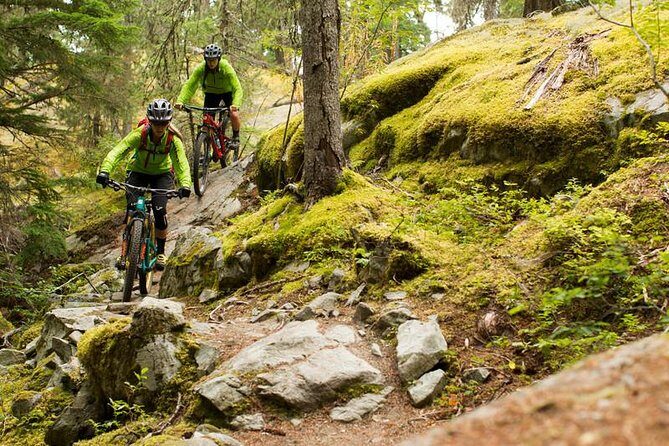
Here’s the simple math: you’re paying for a guided full-day ride in Whistler, with a bike and helmet included. When you add those pieces up (plus GST), it’s less of a “bike rental day” and more of a structured trail experience where you’re not left guessing which turns to take.
The other big value is the stops. This tour isn’t only about riding fast. You get time at three named natural areas—each with a different payoff—so the day doesn’t blur into one long blur of pedals and dust.
Key Highlights You’ll Actually Care About
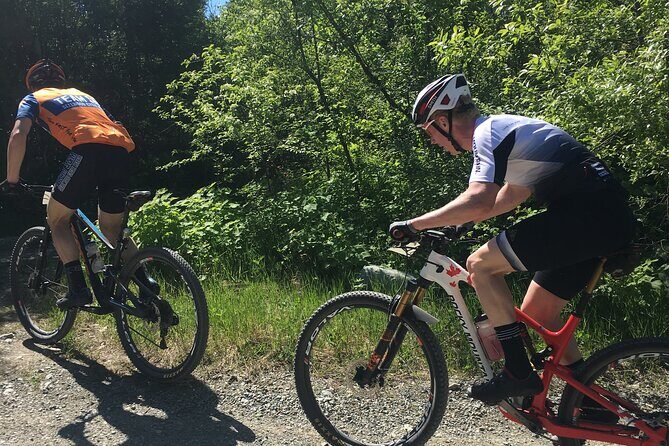
- Up to 4 riders means less waiting and more personal guidance
- Full-suspension cross-country bike helps on mixed trail conditions
- Lost Lake beach + mountain views without needing a car
- River of Golden Dreams for birds and waterlife observations
- Green Lake Viewpoint to stack mountain panoramas into the day
- Flexibility for ability levels with route adjustments and guidance
You can also read our reviews of more cycling tours in Whistler
The Big Picture: What This Day Bike Really Delivers
Whistler is built for mountain biking, but that also means trail choices can get confusing fast. This tour keeps it organized. You show up at the meeting point (7323 Spruce Grove Ln, Whistler) and the day runs on a clear rhythm: ride, stop, look around, regroup, then ride again. With a start time of 10:00 am and an option for pickup (and pickup of your bike), you’re not burning energy on logistics.
You also get a guide-led day that’s tailored, not one-size-fits-all. Before you arrive, you’ll be contacted to assess your technical and physical ability so the guide can select the right tour type. That matters in Whistler, where the gap between beginner-friendly and more demanding trail can be the difference between a fun day and a day you can’t repeat.
And yes, there’s climbing. The tour info is honest about that: all tours include some uphill work, but the guide will cater to your ability. Translation: you might work a bit, but you’re not going to be tossed onto something that’s totally mismatched.
Meeting Point Setup: Start Without Stress
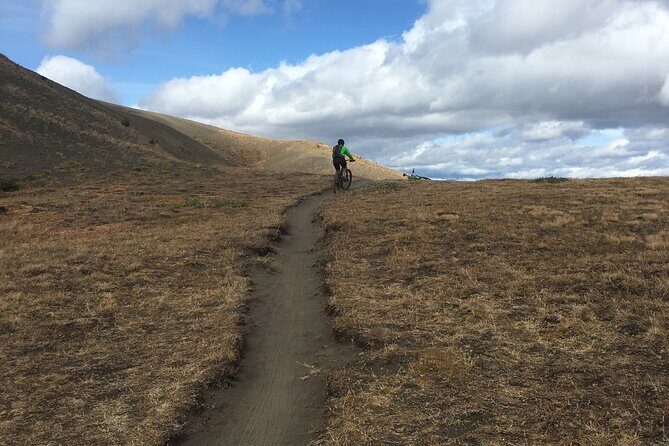
The tour begins at the same place it ends: 7323 Spruce Grove Ln, Whistler, BC. The start time is 10:00 am, and pickup is available, including pickup of your bike. That reduces the most common Whistler bike hassle—trying to transport equipment or hunt down parking.
The area is also noted as near public transportation. So if you’re not driving, you’re not forced into a complicated workaround just to get on the trail.
One more practical detail: the max group size is 4 travelers, which usually means you’ll spend less time parked and waiting for others. It also helps your guide stay attentive. In a small group, they can spot small technique issues quickly—things like how you’re braking on descents or how you’re lining up for turns.
The Bike and Helmet: Why This Matters More Than It Sounds
The tour includes a high-performance full-suspension cross-country mountain bike plus a helmet. That’s a big deal because the bike choice affects your comfort and confidence more than people expect.
Full suspension tends to make rougher sections feel more controllable, especially when you hit trail textures that would jar you on a hardtail. For a day that includes views, stops, and at least some climbing, you’ll likely appreciate not fighting your bike the whole time. You get a bike that’s designed to keep you moving instead of apologizing for every bump.
Also note what’s not included: bike rental damage insurance is not included. That’s a normal policy in many bike rentals, but it’s worth paying attention to before you go, especially if you’re a newer rider who might still be figuring out how your tires and suspension respond in real trail conditions.
Stop 1: Lost Lake Beach and Whistler Viewpoints
Lost Lake is the kind of place you can see on maps, but you can’t really understand it until you’re there. In this tour, it’s an intentional stop with 10 minutes set aside, plus free admission.
The payoff is straightforward: lake, beach, and wide views back toward the Whistler and Blackcomb Mountains. This is a perfect reset spot. You get a break from riding, you can refill your eyes with big scenery, and you can take a few photos that actually include the mountains, not just your front tire.
What I’d watch for as a rider: keep your posture relaxed when you stop. It’s tempting to slouch after climbing, then hop back on and feel stiff. A quick walk, a water break, and a brief stretch can make the next segment feel easier.
The tradeoff? The stop is short. If you’re the type who likes slow, long hangs at the water, you’ll probably treat Lost Lake as a view-and-recharge moment rather than a soak-and-swim stop. Still, short can be good on a full-day ride, especially if the guide is pacing the day around your ability.


Stop 2: River of Golden Dreams for Birds and Waterlife
After Lost Lake, the day leans more into nature watching. The River of Golden Dreams stop is about birds and waterlife, and it changes the vibe from big mountain views to something more intimate and alive.
This kind of stop is valuable because it breaks up the ride mentally. You’re not only focused on line choice and balance. You get a calmer moment to observe. And in Whistler, the water-and-bird ecosystem can be surprisingly rewarding if you take a few minutes to look instead of rushing.
Practical note: this is the point where your senses tend to wake up. If you’re riding with any camera phone habit, this is the time to use it sparingly. Watch first, shoot second. The guide is there for the ride, but you’ll enjoy this stop more if you slow down your own pace.
Possible drawback? If you’re expecting a dramatic waterfall-heavy stop, this segment is more about wildlife and waterlife than a single signature feature. The tour does mention incredible waterfalls later in the day, so if that’s your priority, keep an eye on where that lands in the schedule.
Stop 3: Green Lake Viewpoint for Mountain Panoramas
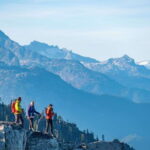
Then you reach Green Lake Viewpoint, built for views—many other mountain views, not just one angle. This is the classic “top of the day” kind of stop even if it isn’t literally the highest point.
Why viewpoints matter on a bike tour: they reward your effort. You’ve earned your legs with climbing and trail work, and then you’re handed a payoff you can’t easily reach by casual car travel. It’s the difference between doing exercise and having an experience.
This is also a great place to regroup with the guide. Small-group rides work best when you can ask questions or adjust your plan without feeling rushed. If you’re unsure about a technique or worried about a tougher section ahead, a viewpoint stop gives the guide a natural moment to help you lock in confidence.
How the Guide Keeps the Ride Comfortable for Different Levels
The tour explicitly says there’s some climbing involved in all tours, and the guide will cater to ability. That’s a key promise because it means your “difficulty” can shift without the day falling apart.
They also contact you prior to arrival to assess your technical and physical ability and choose your tour type. I like that approach because it avoids awkward surprises—no one wants to show up thinking it’s a mellow outing, then realize the trail is too advanced.
From the tour vibe, it sounds like the guiding style is both structured and flexible. One of the ride highlights in the feedback you provided is how the guides balanced the day for riders with different abilities, while still letting the group stretch themselves.
Two names worth noting from the guide experience: Grant is mentioned as both a perfect day-balancer and the organizer, and Dale is also mentioned as a great guide. Those aren’t just feel-good details; they signal a guide who can adjust the pace and keep the day fun for the whole group.
And yes, there’s a helmet included—still, your best “gear” is your honesty about your comfort level at the start. If you tell your guide what you can handle, you’ll get a route that feels like it was built around you, not around someone else’s stamina.
Food, Water, and the Real-Life Comfort Stuff
Food and drinks are not included unless specified. For a 6 hours 15 minutes ride, plan like this: you’ll want snacks you can eat while staying loose, plus water you can access quickly during breaks.
A full-suspension ride can reduce fatigue on rough trail, but it won’t replace calories. If you skip food, your legs will start voting against you around the time your views should be hitting their peak.
What to bring (basic, but useful):
- A refillable water bottle
- Easy snacks
- Layers you can handle if the weather shifts
- Sunscreen and sunglasses (Whistler trails can get bright)
Also remember: rental bike damage insurance isn’t included. If you’re new, ride with patience. Smooth control beats rushing every time.
Time on the Trail: 6 Hours 15 Minutes, Packed but Not Chaotic
The duration is about 6 hours 15 minutes. For Whistler biking, that’s a full day, but it doesn’t read like an all-day slog where you only sit on a bike for the sake of it. The stop structure helps: you’ve got natural breaks built in at Lost Lake, the River of Golden Dreams, and the Green Lake viewpoint.
That said, the day can feel fast if you’re the type who likes long photo breaks and slow wanderings. Lost Lake is only 10 minutes in this itinerary snapshot, and the other stops don’t list long time windows. So treat the day as: ride, stop, see, move on—done well.
This is where the small group matters again. With only up to 4 riders, the guide can keep timing under control, and you’re less likely to lose minutes to group-wide catch-up.
Price and Value: What You’re Really Paying For
At $335.63 per person, this isn’t a cheap casual bike rental day. But it also isn’t only a bike-for-a-few-hours situation.
What’s included:
- Local guide
- High-performance full-suspension mountain bike
- Helmet
- GST
What’s not included:
- Food and drinks
- Bike rental damage insurance
So the question is: are you paying for a “guided day with the right equipment and smart stops”? In that sense, yes. The bike is the expensive part for many independent riders, and the guide is the difference between random trail time and a coherent scenic loop with natural-area stops.
If you’re someone who wants to ride Whistler but doesn’t want to plan trail routes, chase parking, and guess which sections suit your ability, this price can start to look more reasonable. Especially with pickup available and a small group cap.
If you already have a bike, a helmet, and a route plan you’re confident in, the value may feel harder to justify. But if you’re new to Whistler trails or you want the scenic highlights without the stress, this tour looks like money spent on reducing friction.
Who This Tour Fits Best (And Who Might Want Another Option)
This is described as ideal for outdoor adventurers of all levels, and the guide adjusts for ability. That makes it a strong choice if you’re:
- Curious about Whistler biking but want a safe, structured day
- Riding with a mix of abilities and want a guide who can manage pace
- Interested in scenery you can’t reach easily by car
You should think twice if:
- You have very low fitness or expect zero climbing
- You’re not comfortable riding with some technical variation
- You need long unstructured breaks at each stop (the time windows are likely short)
Service animals are allowed, and the day is near public transportation, which can make it easier for certain travel styles. Confirmation is received at booking, and the guide contacts you to assess ability—so you’re not walking into the unknown.
Should You Book This Whistler Full-Day Mountain Bike Tour?
I’d book it if you want a guided Whistler biking day where the scenery is part of the plan and the small group size keeps things friendly and controlled. The biggest reasons are practical: the full-suspension bike and helmet included, the up-to-4 rider limit, and the way the guide works with different abilities.
Skip it (or choose a different format) if you’re chasing a super easy, no-climbing ride or if you hate the idea of packing food and riding for about 6 hours with short stops. This is a real mountain bike day. Just one that’s guided well, paced smart, and designed to show you Lost Lake, the River of Golden Dreams, and the Green Lake viewpoint without needing a car.
FAQ
How long is the Whistler full-day mountain bike tour?
It runs for about 6 hours 15 minutes.
What time does the tour start?
The start time is 10:00 am.
Is pickup available?
Yes. Pickup is offered, including pickup of your bike.
What’s included in the price?
A local guide, a high-performance full-suspension cross-country mountain bike, a helmet, and GST are included.
What should I bring if food isn’t included?
Food and drinks are not included unless specified, so you’ll want to bring your own.
How many people are in the group?
This tour/activity has a maximum of 4 travelers.
Do they match the ride to my ability level?
Yes. You’ll be contacted prior to arrival to assess your technical and physical ability and choose your tour type, and the guide caters to ability since there is some climbing involved.