REVIEW · WHISTLER
Whistler Half-Day Mountain Bike Tour
Book on Viator →Operated by Whistler Bike Guide · Bookable on Viator
Whistler on two wheels is a fast way to get your bearings. This 3-hour mountain bike tour is built for different comfort levels, with a local guide who adjusts the ride as you go. Two things I really like: the full-suspension bikes that keep you confident on rougher trail, and the frequent viewpoint stops that turn a workout into scenery time, including Green Lake and the surrounding mountains.
The main thing to consider is trail style. This ride can lean cross-country and technical, with climbing built in (even when you’re aiming for a more flowy day). If you want lots of jumps or mostly downhill flow, you’ll want to say that clearly when you’re matched to your tour type.
In This Review
- Key highlights worth your attention
- A tight Whistler schedule? This half-day format makes sense
- Meeting your guide and getting dialed in fast
- What you ride: climbing, trail variety, and those viewpoint pauses
- Trail style fit: from beginner-friendly to enduro-adjacent
- Small-group attention: where the coaching actually shows up
- Price and value: $206.06 isn’t random, and it covers real things
- Before you go: fitness, expectations, and weather reality
- Who this tour fits (and who might want a different plan)
- Should you book the Whistler Half-Day Mountain Bike Tour?
- FAQ
- How long is the Whistler Half-Day Mountain Bike Tour?
- What fitness level do I need?
- How many people are in the group?
- What’s included in the price?
- Where do we meet?
- Does the tour run in bad weather, and can I cancel?
Key highlights worth your attention
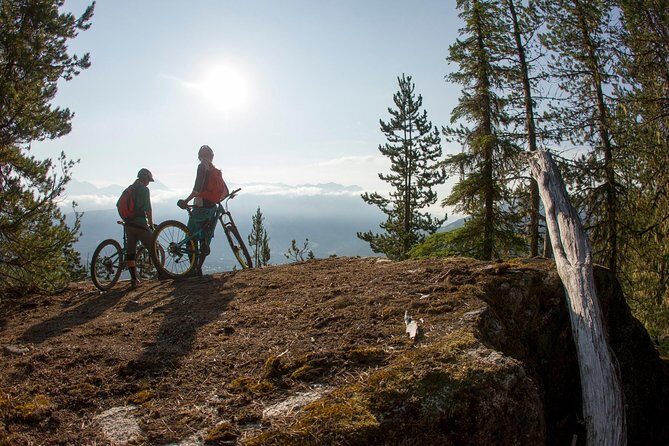
- Small group (max 3 riders) means real personal coaching, not a one-size-fits-all loop
- Bike setup where you stay: you meet your guide at your lodging if bikes need to be brought there
- Pre-tour ability check: you’ll be contacted to match technical skill and physical comfort to the right ride
- Full-suspension, high-performance cross-country bike + helmet are included
- Efficient Whistler time use: a half-day is often enough to see parts of the area you’d skip on your own
- Flow trail expectations should be clarified if that’s your #1 goal
A tight Whistler schedule? This half-day format makes sense
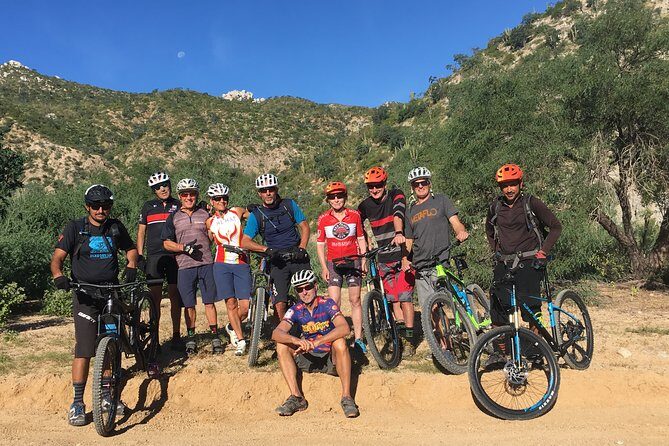
Whistler can eat your time fast. One minute you’re checking lift lines, the next you’re hunting for parking and wondering where the day went. A half-day bike tour cuts through that. You get a focused ride—about 3 hours—without needing to map trails, rent the right setup, or guess which route fits your legs.
It also helps that this isn’t a big-fleet operation. The tour caps at 3 travelers, so the guide can keep an eye on you and your bike handling instead of herding a crowd. That small-group setup shows up in the way riders describe the experience: pace that feels adjustable, stops that aren’t rushed, and enough guidance to build confidence without killing the fun.
Price check, too. At $206.06 per person, this isn’t a cheap rental-bikes-and-go deal. But you’re paying for a local guide, a proper full-suspension bike, and a ride that’s tuned to your level. If you only have one day in Whistler—or you want a mountain-bike highlight without the planning headache—this is the kind of activity that can actually feel like good value.
You can also read our reviews of more cycling tours in Whistler
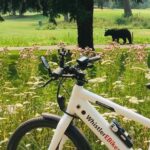
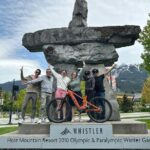
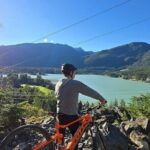
Meeting your guide and getting dialed in fast
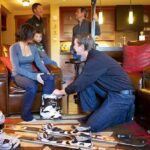
The start is practical. You’re greeted by your guide at your lodging if bikes need to be delivered there. From there, it’s introductions, bike adjustments, and a quick Q&A about what kind of riding you want and what you’re comfortable with.
This matters more than it sounds. Mountain biking isn’t just speed. It’s body position, braking habits, cornering confidence, and knowing how much climbing you can handle in a day. The guide uses the Q&A and also contacts you before arrival to assess both technical and physical ability, then chooses the tour type that fits.
This is where named guide support shows up in the real-world experience. Riders have specifically praised guides such as Kieran, Grant, and Eric for tailoring the ride—so the matching isn’t just marketing copy. You’ll be able to communicate what you want from the day: a workout, smoother flowing sections, more views, or extra coaching as you build skill.
What you ride: climbing, trail variety, and those viewpoint pauses
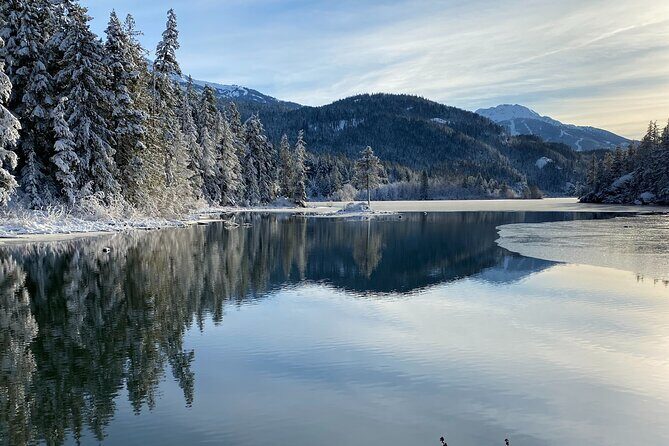
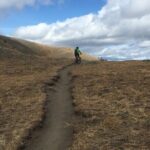
Expect a ride that blends effort and scenery. The tour highlights call out riding at a pace that suits you, with plenty of stops to admire the views. In practice, that usually means you’ll get a mix of terrain—some flatter stretches to roll, plus sections that bring in climbing and technical riding.
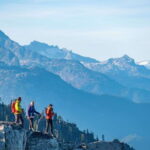
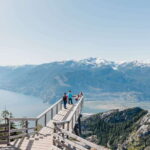
One of the most frequently mentioned payoffs is seeing Green Lake and the surrounding mountains from the trail area. That’s the kind of Whistler payoff you can’t easily recreate on your own unless you already know which routes deliver it.
Now, let’s talk terrain honesty. A negative experience in the set of feedback is a reminder that this tour can include lots of climbing and tech-focused trail sections. That doesn’t mean it’s unsafe or poorly run. It means you should treat the tour as an adaptable mountain bike experience rather than a guaranteed, mostly-downhill flow-trail session.
The full-suspension bike helps you enjoy that mix. On rough or sketchier ground, it gives you a safety cushion so you can focus on lines and pacing. That’s likely one reason novices describe the ride as challenging but fun, not punishing.
Trail style fit: from beginner-friendly to enduro-adjacent
This tour is marketed as adapted for outdoor adventurers of all levels, and the guide can steer the day toward either comfort-building lines or higher-performance riding. The key detail: the guide can do both “get new riders into the sport” and higher-octane options for people chasing something spicy.
So how do you translate that into what you’ll actually get?
- If you’re new, you’ll usually see more time spent on controllable terrain and coaching that helps you move step-by-step.
- If you’ve ridden before, you’ll get more meaningful uphill/downhill variety and options that push your comfort level.
Riders in the feedback describe the guide pressing just the right amount—challenging, but not chaotic. One parent and teen duo also described the customization as working well for both levels at the same time, which is a good sign if you’re riding with someone whose skills differ.
One caution: if your dream is flow trails with small jumps, say so clearly. In one unhappy case, expectations didn’t match what the tour ended up being, and the rider felt the guide didn’t align with requests for flow-style riding. The lesson is simple: be specific about what you mean by flow, how much climbing you’re willing to do, and whether you’re okay trading jumps for technical trail time.
Small-group attention: where the coaching actually shows up
When a tour has a tiny headcount, you feel it quickly. The guide can watch your technique, adjust your route choice, and keep your pace realistic. That’s not just “nice.” It can help prevent the most common beginner problem: riding too fast because you’re excited, then getting shaky later.
The tour also includes expert local guiding, and the bike/helmet package takes one big headache off your day. You’re not trying to figure out whether the rental bike is the right size or whether your suspension setup fits your weight.
In the feedback, the guides’ responsiveness is a repeated theme. People describe that the guide listens to needs, tailors the ride, and stays flexible if the day calls for it. That’s especially important in a mountain environment where conditions and rider readiness can change.
There’s also a safety note hiding in the background of the less-positive feedback. One rider’s situation involved an illness, and the guide made choices based on what kept the group safe. That doesn’t feel fun when you’re hoping for a specific trail goal, but it’s also a sign you’re with someone who puts guest well-being first.


Price and value: $206.06 isn’t random, and it covers real things
Let’s be honest about money. $206.06 per person is a meaningful spend for a half-day. You’ll feel better about it if you see what’s actually included:
- Expert local guide
- High-performance, full-suspension cross-country mountain bike
- Helmet
That combination is the core value. Without a guide, you’d be spending time figuring out routes, trail rules, and whether a line matches your skill. Without the right bike, you’d be limited by equipment, and you might spend your energy fighting your setup instead of riding.
Also, there’s an efficiency value. One rider described this as an efficient way to experience mountain biking without route planning, kit sorting, or logistics stress—especially when Whistler stay time is short. That’s often when a guided tour earns its keep.
One more value factor: the small group. Paying extra for personalization is only worth it if you actually get it. Here, the maximum of 3 travelers makes that realistic.
Before you go: fitness, expectations, and weather reality
This tour asks for moderate physical fitness. “Moderate” usually means you should be comfortable riding for several hours with some uphill effort and enough stamina for the technical parts of mountain biking. If you’re brand new and totally unfit, you might still manage it, but you’ll want to go into the ride expecting lots of coaching and possibly more gradual pacing.
Weather matters here. The activity requires good weather, and if it’s canceled because conditions aren’t right, you’ll be offered another date or a full refund. That’s common in mountain biking, and it’s worth planning around—especially if you’re traveling during a tight window.
Here’s the smart expectation checklist based on the feedback you have:
- Tell the guide your comfort with climbing
- Tell them whether you want flow vs. technical
- Tell them how much you care about jumps
- Be clear about your experience level so the guide can pick the right tour type
If you do that, you’re far more likely to end up with a day that feels like exactly what you pictured.
Who this tour fits (and who might want a different plan)
This is a strong fit if you:
- Want a half-day Whistler adventure that’s easy to organize
- Are okay with climbing as part of the deal
- Like the idea of a guide tailoring the ride to your level
- Want a confidence-building intro or a more challenging day, depending on what you ask for
It may be a weaker fit if you:
- Have your heart set on mostly downhill flow with minimal climbing
- Want a jump-heavy session and assume that’s the default
- Assume every guided day will match one specific trail style exactly
If you land in the second group, don’t automatically skip it. Just treat the pre-tour matching as critical. Ask the guide how the day’s trail mix will likely feel for your requested riding style.
Should you book the Whistler Half-Day Mountain Bike Tour?
If you want a guided mountain bike experience that’s efficient, personalized, and supported by proper equipment, this tour is an easy yes. The combination of a small group, full-suspension bike, and pre-tour skill matching gives you a strong chance of riding a route that fits you—whether you’re brand new or looking for more spice.
But book with clarity. If your top goal is flow trails and jumps, say it up front and discuss it during the Q&A and the pre-arrival ability check. This tour can deliver variety and views (including Green Lake), yet the trail mix may not always be what you’d picture if you’re imagining a mostly downhill, jump-first day.
FAQ
How long is the Whistler Half-Day Mountain Bike Tour?
It runs for about 3 hours.
What fitness level do I need?
The tour is designed for guests with moderate physical fitness.
How many people are in the group?
The tour has a maximum of 3 travelers, keeping it small and personalized.
What’s included in the price?
You get an expert local guide, a high-performance full-suspension cross-country mountain bike, and a helmet.
Where do we meet?
You’ll be greeted by your guide at your lodging with the bikes if required.
Does the tour run in bad weather, and can I cancel?
It requires good weather. If it’s canceled due to poor weather, you’ll be offered a different date or a full refund. You can cancel for a full refund up to 24 hours in advance.