REVIEW · TORONTO
Toronto: Casual Historic Walking Tour
Book on GetYourGuide →Operated by Idle-Hour Tours · Bookable on GetYourGuide
Downtown Toronto moves fast, but this tour slows it down. You start at Sankofa Square and take a relaxed 2-hour route through key civic spots like Nathan Philips Square and Old/New City Hall, plus downtown areas tied to the TV show Suits. I love that it stays small-group sized, so the guide can answer your questions and keep the mood friendly.
My second favorite part is the built-in rhythm: a real break at Berczy Park, then a final payoff at St. Lawrence Market where you can grab local food after all that walking. The only real catch is simple—this is not set up for wheelchair users, and it’s also an all-weather walk, so bring proper shoes and a water bottle.
In This Review
- Key Highlights You’ll Feel Immediately
- Sankofa Square to Nathan Phillips Square: Get Your Bearings Fast
- Old and New City Hall, Plus The Path: Where Toronto’s Modern Center Takes Shape
- Financial District Stroll and the Suits Building: A Fun Photo Mission
- Berczy Park Break: The Pause That Makes the Tour Feel Human
- The Flatiron (Gooderham) Building: One of Toronto’s Fastest Wow Moments
- St. Lawrence Market Finish: Turn the Walk Into a Meal Plan
- Price and Pace: Is $18 Good Value for Two Hours?
- What Makes the Guide Experience Work (CJ Hand’s Approach)
- Weather-Proof Tips for an All-Weather Downtown Walk
- Who This Tour Fits Best
- Should You Book This Toronto Casual Historic Walking Tour?
- FAQ
- Where does the tour meet?
- How long is the Toronto casual historic walking tour?
- How much does the tour cost?
- What landmarks are included on the walk?
- Are meals included?
- What language is the tour guide?
- How many people are in the group?
- Does the tour run in bad weather?
- Is the tour wheelchair accessible?
- Can I cancel and get a full refund?
Key Highlights You’ll Feel Immediately
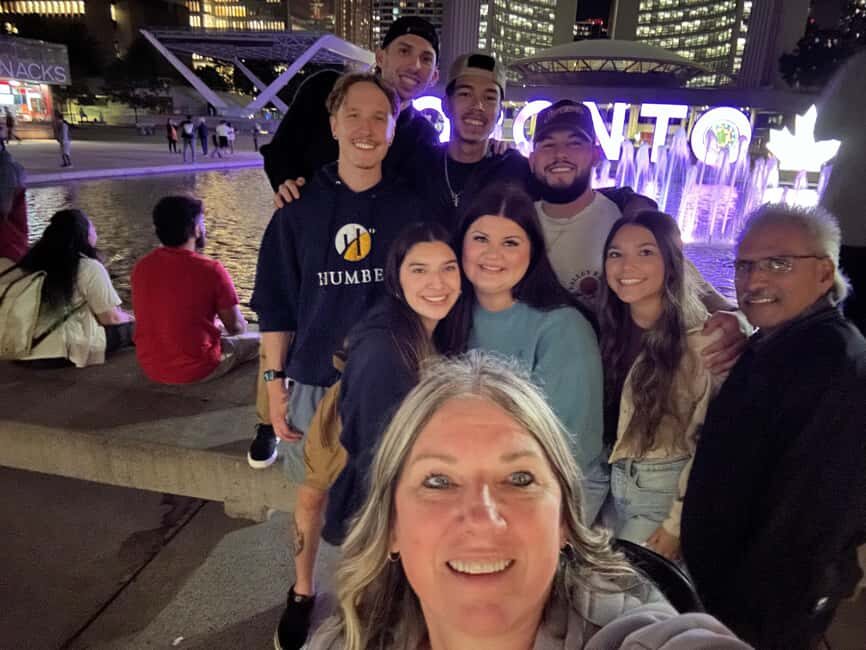
- CJ Hand’s story style: personal, place-by-place details that make landmarks click
- Nathan Philips Square to City Hall loop: great for orientation in one short session
- Financial District photo moments tied to the TV series Suits
- Berczy Park break: a quick sit-down pause before the last stretch
- Gooderham Flatiron (Distillery District link): one of the fastest “wow” sights on the route
- St. Lawrence Market finish: an easy way to extend the day with food
Sankofa Square to Nathan Phillips Square: Get Your Bearings Fast
Meeting is at Yonge and Dundas Square, right by the stage. From there, the tour does something smart: it gets you moving through downtown in a way that makes the rest of your day easier. In a couple hours, you’ll connect big-picture areas of the core with specific buildings you’ll recognize later.
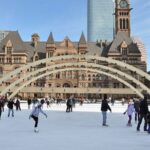
Nathan Philips Square is the first major stop. Your guide will point out the civic focus of the area and set the tone for the whole walk—this isn’t a sprint, and it isn’t a lecture. You’ll have time to look around, take photos, and settle into the pacing before you move on to the City Hall cluster.
Practical tip: bring your camera early. The first stop is where you’ll naturally want a baseline shot, because you can later compare how the area changes as the tour moves from open space into the denser downtown streets.
You can also read our reviews of more walking tours in Toronto
Old and New City Hall, Plus The Path: Where Toronto’s Modern Center Takes Shape
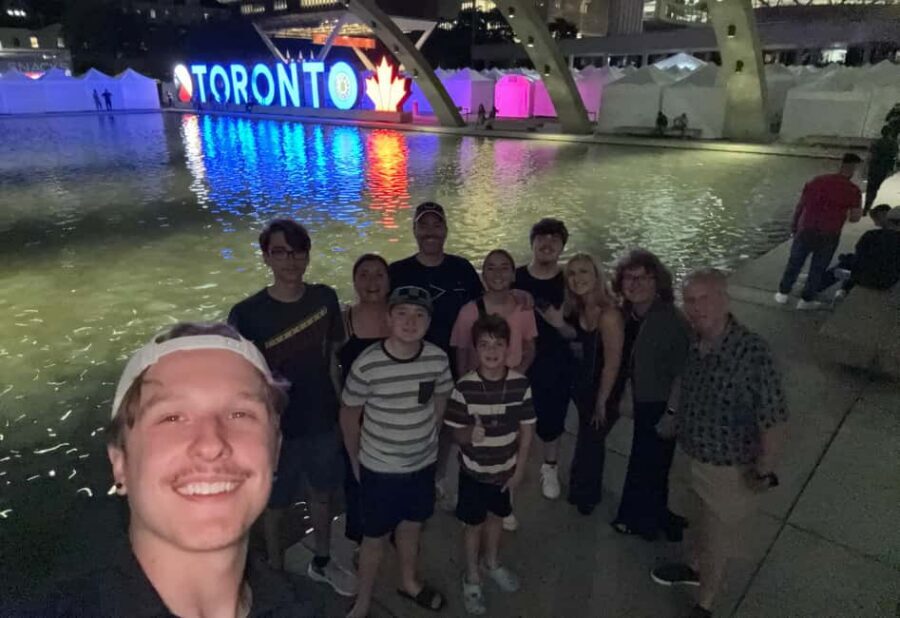
After Nathan Philips Square, you head toward Old and New City Hall and the Path area. This part of the tour works well because it gives you context for what you’re looking at, not just a list of names. You’ll come away with a better sense of how different sections of downtown function together—especially if you’re planning to walk around on your own later.
City Hall is one of those places where, even if you’ve seen photos, seeing it at street level is a whole different experience. You’ll learn how the surrounding spaces and routes influence daily movement through the core. Even if you only catch fragments of the story, the payoff is that you’ll start recognizing patterns—major public squares, official buildings, and the pedestrian routes people use to get around.
One small caution: if you expect a stop that’s mostly “inside,” this isn’t built that way. This tour is about walking and viewing, so you’ll get your answers from the sidewalk. Plan on staying outdoors for stretches, and don’t forget water.
Financial District Stroll and the Suits Building: A Fun Photo Mission
Next comes a stroll through the financial district, including a building featured in the TV series Suits. This is the segment I think works especially well for first-time visitors, because it turns a famous screen location into something you can actually see in real life.
What I like about this stop is that it’s not just fan service. The guide ties the filming-famous facade to the real downtown setting around it, so you’re not only chasing a camera angle—you’re understanding why the area looks the way it does. If you’re the type who reads a little, takes a few photos, and then wants the “why,” this part fits your rhythm.
Photo tip: don’t rush. Stand back once to frame the full facade, then move in for details. Downtown buildings can look different depending on how high you’re shooting from street level, and you’ll get better shots if you take two approaches instead of one quick snap.
Berczy Park Break: The Pause That Makes the Tour Feel Human
Then you reach Berczy Park, and the tour shifts into a calmer gear. This is where the walking tour format really pays off. A short break matters when you’re covering a lot of downtown in two hours, and Berczy Park gives you a natural place to reset—sit if you can, hydrate, and take in the surroundings without rushing your brain.
The guide also uses this moment for story beats that connect what you saw earlier with what’s coming next. That’s why the park stop feels more useful than a random “rest area.” You’re not losing time; you’re building a mental map.
If you’re traveling with kids, this pause can make or break the experience. Even without saying it directly, you’ll notice the tour becomes easier to follow once you’ve had a breather.
The Flatiron (Gooderham) Building: One of Toronto’s Fastest Wow Moments
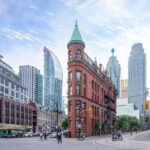
From Berczy Park, the tour takes you to look at the Flatiron (Gooderham) Building. This is one of the quickest visual payoffs on the route, because the shape and presence grab you immediately—you don’t need the guide to convince you it’s interesting.
The tour also links the building to the Distillery District, describing it as an old headquarters for that area. That connection matters because it adds a layer: this isn’t only a dramatic facade for photos; it ties back to a broader story of how the downtown core evolved and how older industrial spaces influenced later destinations.
Practical photo note: stand at a couple angles. The building is “flatiron” shaped, so your first instinct might give you one perspective, but stepping slightly aside can make the geometry look sharper.
You can also read our reviews of more historical tours in Toronto


St. Lawrence Market Finish: Turn the Walk Into a Meal Plan
The tour finishes at St. Lawrence Market. This is a smart ending because it solves the hardest problem of a short guided walk: what do you do next? Instead of sending you off into downtown hunger, you land in a food hub where you can refuel right away.
Because meals and drinks aren’t included, you’re in control of your budget and appetite. Some people will grab something small and keep sightseeing; others will linger for a proper meal. Either way, the market gives you options without forcing you to pick one restaurant in advance.
If you want a simple plan: before you start eating, take ten minutes to walk the main areas and scan what’s available. That way you’re not hungry and rushed when you choose.
Price and Pace: Is $18 Good Value for Two Hours?
At $18 per person for 2 hours, the price makes sense if you value guided orientation and story context more than sitting in one spot. Downtown Toronto can be big and confusing, especially if you’re bouncing between squares, courthouses, and markets. This tour compresses a lot of recognizably central sights into a manageable timeline.
The pace is also a real part of the value. Several people praised the way the tour covers a lot of ground without feeling like a forced march. You’re walking enough to learn the city’s “shape,” but not so much that you tune out.
One consideration: the small group format can sometimes mean the tour ends up with very few participants. In that situation, you might wonder about value versus the fixed guide time. If you’re price-sensitive, it helps to treat the tour like a focused experience: you’re paying for the guide’s approach and the specific downtown route, not for a long stop-and-shop day.
What Makes the Guide Experience Work (CJ Hand’s Approach)
A highlight that shows up again and again is the guide—CJ Hand. People described the tour as personal, with interesting stories at each stop, and they also mentioned extra care like using photographs and making room for restroom breaks.
That combo matters because it changes how the tour feels. When a guide connects a landmark to a detail you can actually see in front of you, it sticks. And when the guide thinks about real-world needs—camera moments, bathroom timing—you spend less energy managing logistics and more energy enjoying the walk.
CJ’s tone also comes through as friendly and upbeat. That matters if you’re traveling alone or you don’t want a stiff tour. You’ll likely feel comfortable asking questions, because the group is intentionally limited in size.
Weather-Proof Tips for an All-Weather Downtown Walk
This tour runs in all weather conditions, so plan accordingly. If it’s hot, you’ll want your water; if it’s rainy, you’ll want shoes you don’t mind getting damp.
Here’s what I’d pack, based on what the tour asks for:
- Comfortable shoes you can walk in for two hours
- Water
- Camera (you’ll want it at multiple landmarks)
Clothing tip: dress for the weather you’ll actually be standing in, not just the forecast headline. Downtown can feel more exposed than you expect, especially when you’re moving between open squares and street canyons.
Also, note that the tour is not suitable for wheelchair users. If mobility is a concern, you’ll need to choose a different format.
Who This Tour Fits Best
This is a solid choice if you want:
- A short downtown orientation without planning your route
- The kind of city walk where you get stories attached to real buildings
- A family-friendly pace that doesn’t feel overly intense
It may not be ideal if you’re expecting lots of indoor time or you need accessibility accommodations.
Also, since it ends at St. Lawrence Market, it’s perfect if you like the idea of finishing your tour with a ready-made food stop. It’s less ideal if you’re trying to rush to another activity immediately, because you’ll likely want a little time to browse and eat.
Should You Book This Toronto Casual Historic Walking Tour?
Yes—if you want a guided downtown loop that turns recognizable landmarks into something you understand, this is a strong pick. The mix of City Hall sights, a Suits photo moment, a real Berczy Park break, and a finish at St. Lawrence Market is a practical formula for a first visit or a short stay.
Book it with confidence if you like guided storytelling and you’re okay doing two hours on your feet. Skip it (or plan a different approach) if you need wheelchair access or if your travel style requires lots of indoor stops. If you’re the type who appreciates a guide like CJ Hand—energetic, detailed, and ready to help you get the best photos—this tour is likely to click fast.
FAQ
Where does the tour meet?
You meet by the stage at Yonge and Dundas Square.
How long is the Toronto casual historic walking tour?
The tour lasts 2 hours.
How much does the tour cost?
It’s $18 per person.
What landmarks are included on the walk?
You’ll see Nathan Philips Square, Old and New City Hall, the Path, a financial district area with a building featured in Suits, Berczy Park, and the Flatiron (Gooderham) Building, then finish at St. Lawrence Market.
Are meals included?
No. Meals and drinks aren’t included, though you’ll finish at St. Lawrence Market so you can eat there.
What language is the tour guide?
The tour is in English.
How many people are in the group?
It’s a small group limited to 10 participants.
Does the tour run in bad weather?
It operates in all weather conditions, and you should dress appropriately.
Is the tour wheelchair accessible?
No. It’s not suitable for wheelchair users.
Can I cancel and get a full refund?
Yes. There is free cancellation up to 24 hours in advance for a full refund.